
Conti di Buscareto reads as a modern Marche wine stop rather than a heritage museum: founded in 2002, rooted in Ostra, and focused on Verdicchio, Lacrima di Morro d’Alba and Rosso Piceno. The draw is the meeting of guided tasting hospitality, vineyard views and a portfolio built around native grapes shaped by the hills inland from the Adriatic.
Pearl is the En Primeur Club membership app — saves, bookings, and concierge access live there. Same editors, same standards.
- Address
- Ostra, Provincia Ancona, Italien
- Directions
- Get directions
 Saves & bookings on Pearl
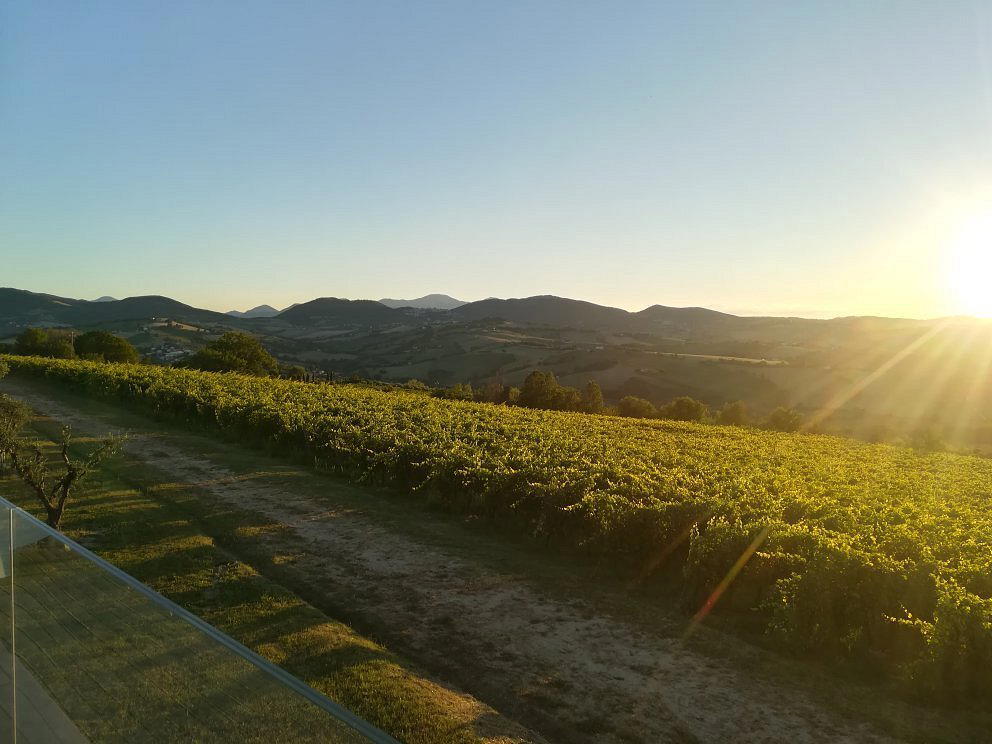
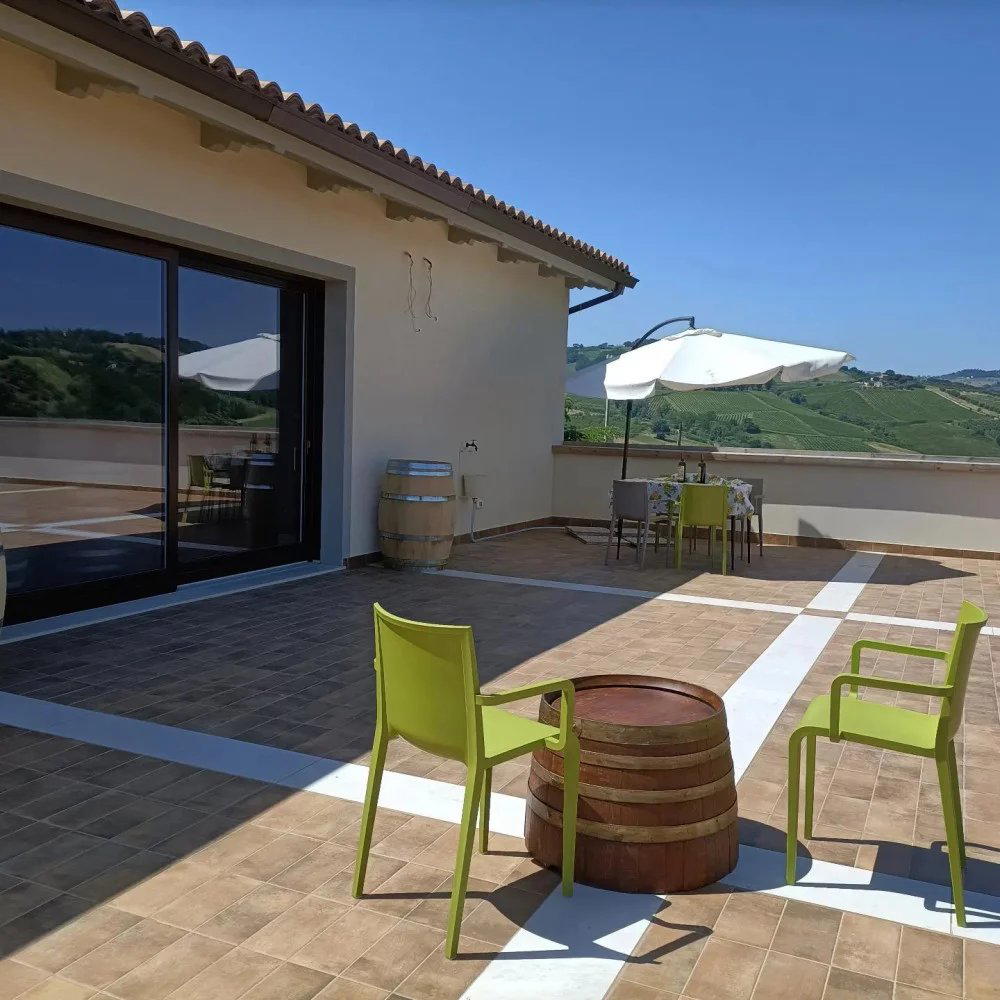
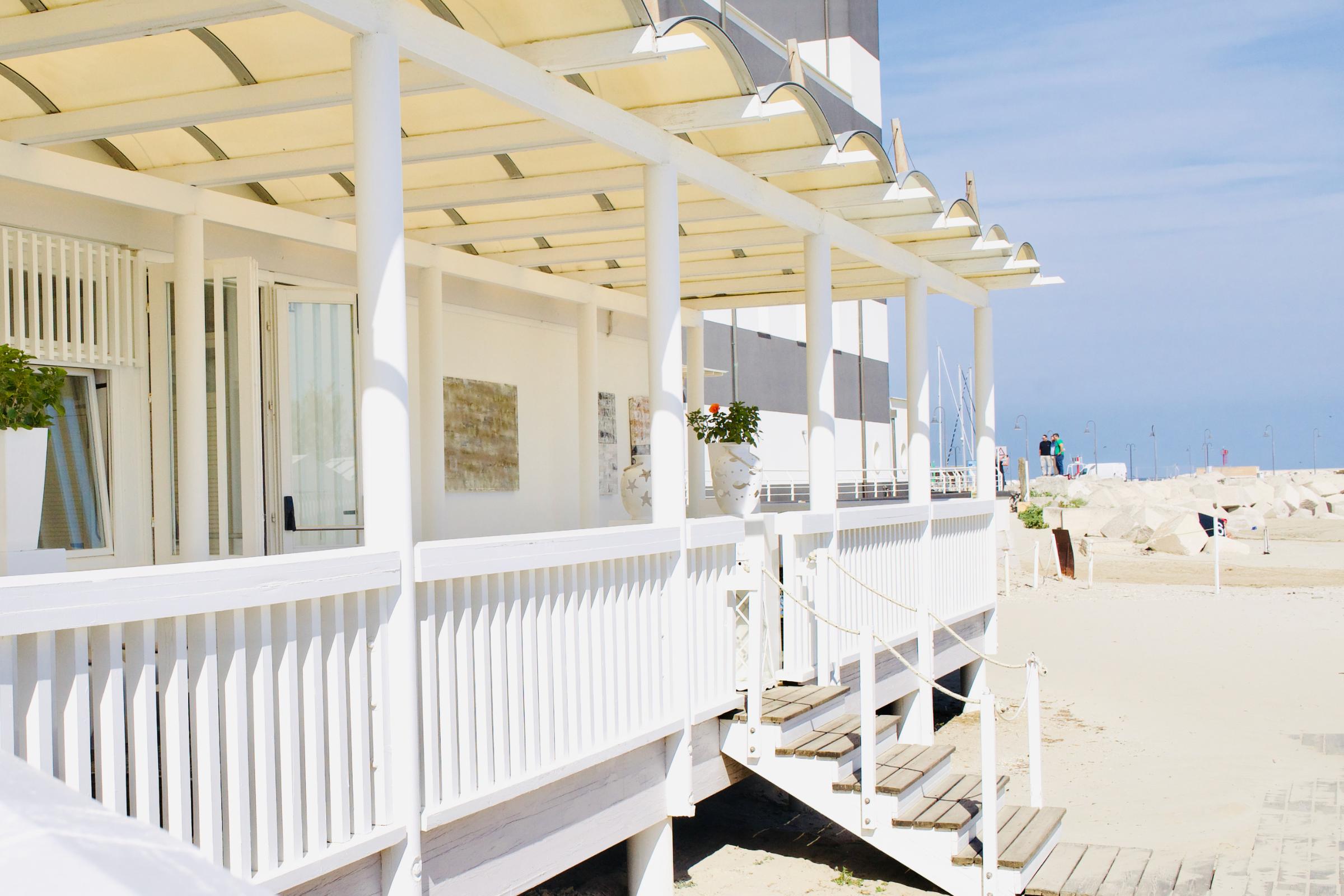
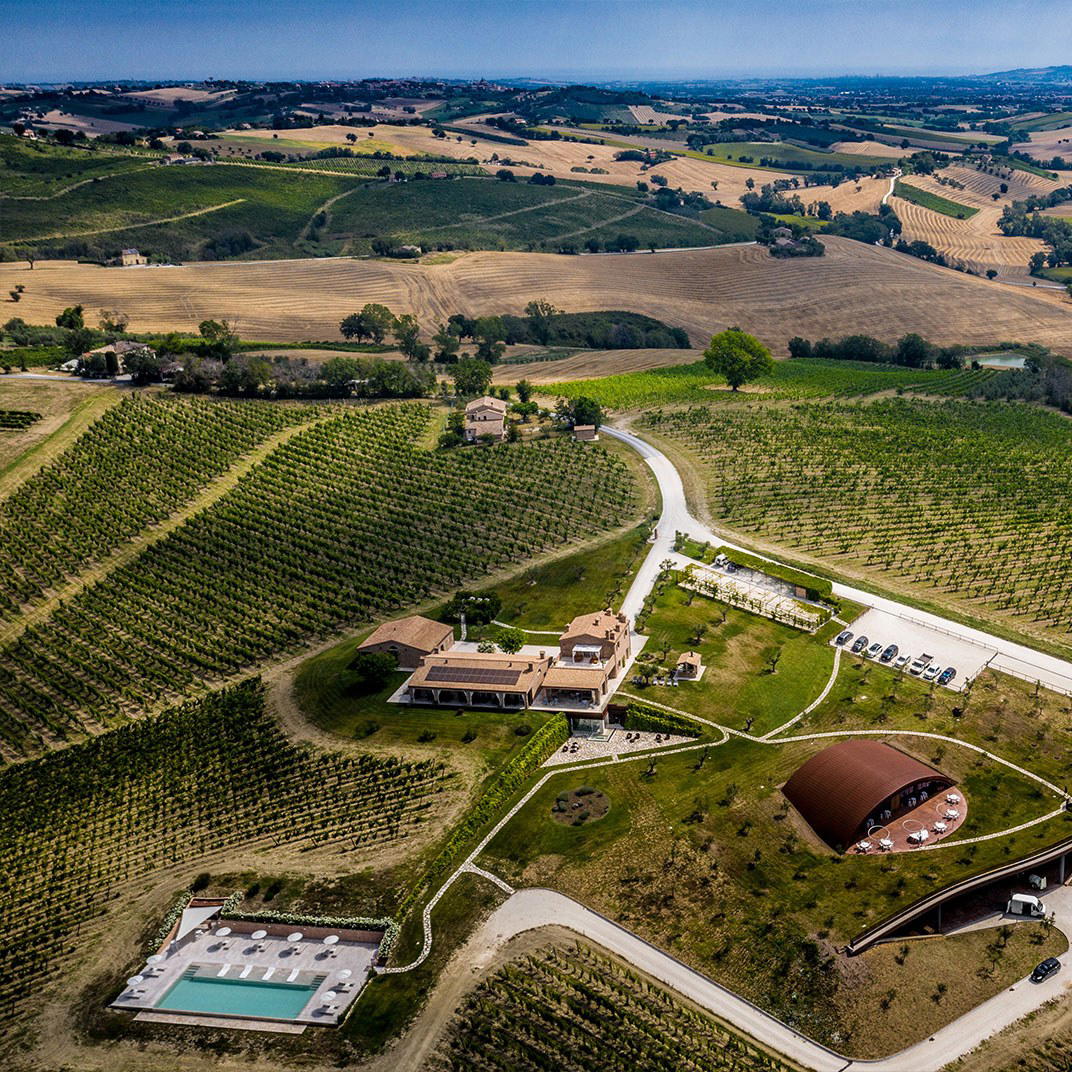
The approach to wine in this part of Marche is not built on grand-cellar drama. It is hill country first: Ostra, the Pianello area, vineyard views, a conversational tasting room rhythm and a landscape where the Adriatic’s influence meets inland slopes. Conti di Buscareto fits that regional grammar neatly. Its hospitality hub, Casa Buscareto, is framed around guided tastings and a panoramic setting, but the more useful story is what the wines say about Marche’s split personality: white freshness from Verdicchio, aromatic red character from Lacrima di Morro d’Alba, and the broader Central Italian structure of Rosso Piceno.
Marche native grapes, handled with modern discipline
Marche can be misread from outside Italy as a supporting region between better-known wine territories. That misses the point. The area’s identity depends on grapes that do not behave like international templates. Verdicchio carries acidity and saline-adjacent tension when grown well; Lacrima di Morro d’Alba brings a floral, perfumed red profile that has little interest in behaving like Sangiovese; Rosso Piceno ties Montepulciano and Sangiovese into a more familiar regional frame.
Founded in 2002 by Claudio Gabellini and Enrico Giacomelli, Conti di Buscareto belongs to a newer Marche category: estates that do not rely on centuries of family mythology, but on site selection, technical control and a clear hospitality format. The estate works across more than 250 acres, with 175 acres under vine, including vineyard areas in Ripalta di Arcevia and Morro d’Alba. That spread matters. Verdicchio benefits from cooler conditions and preserved acidity, while Lacrima’s historic zone gives the aromatic red side of the portfolio its regional anchor.
The cellar approach is correspondingly clean-lined. Sparkling Verdicchio sits within the Spumanti line and uses the long Charmat method, with stainless-steel fermentation and bottle refinement. Rosso Piceno in the Goccia line is fermented and macerated in steel before further ageing in steel and bottle. Lacrima di Morro d’Alba receives time in both steel and oak, a restrained use of wood for a grape whose perfume can be easily overworked. The broader pattern is clear: freshness and varietal identity take priority over cellar theatre.
A tasting format built around place, not spectacle
Italian winery visits increasingly divide between large-scale tourism and smaller, guided formats where the landscape, cellar and local food do the explaining. This address sits in the latter camp. The tasting style is guided rather than self-directed, with classic tour-and-tasting formats and aperitivo-led selections that connect the wines to regional cured meats. That food pairing is not a decorative extra; in Marche, cured pork, firm cheeses, olive oil and coastal-inland cooking are part of how the wines make sense at the table.
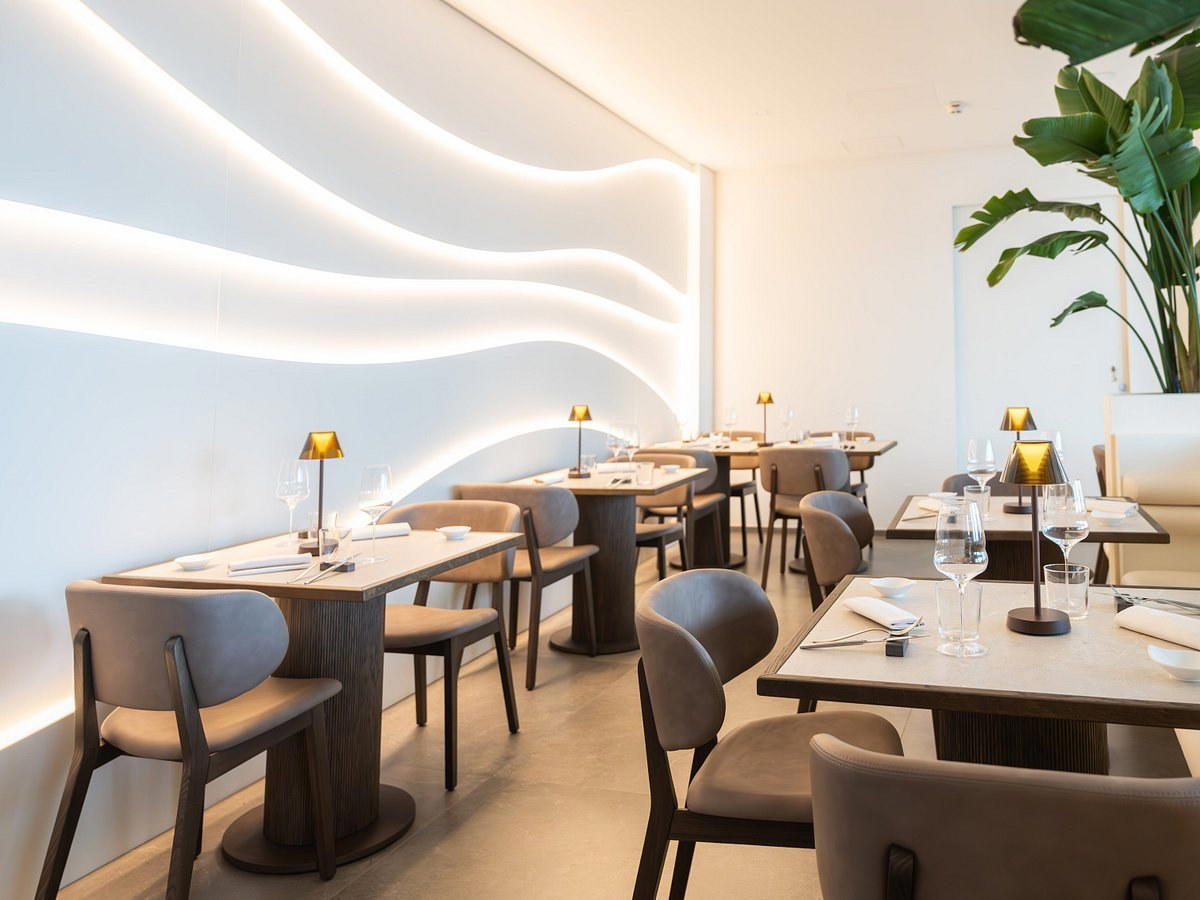
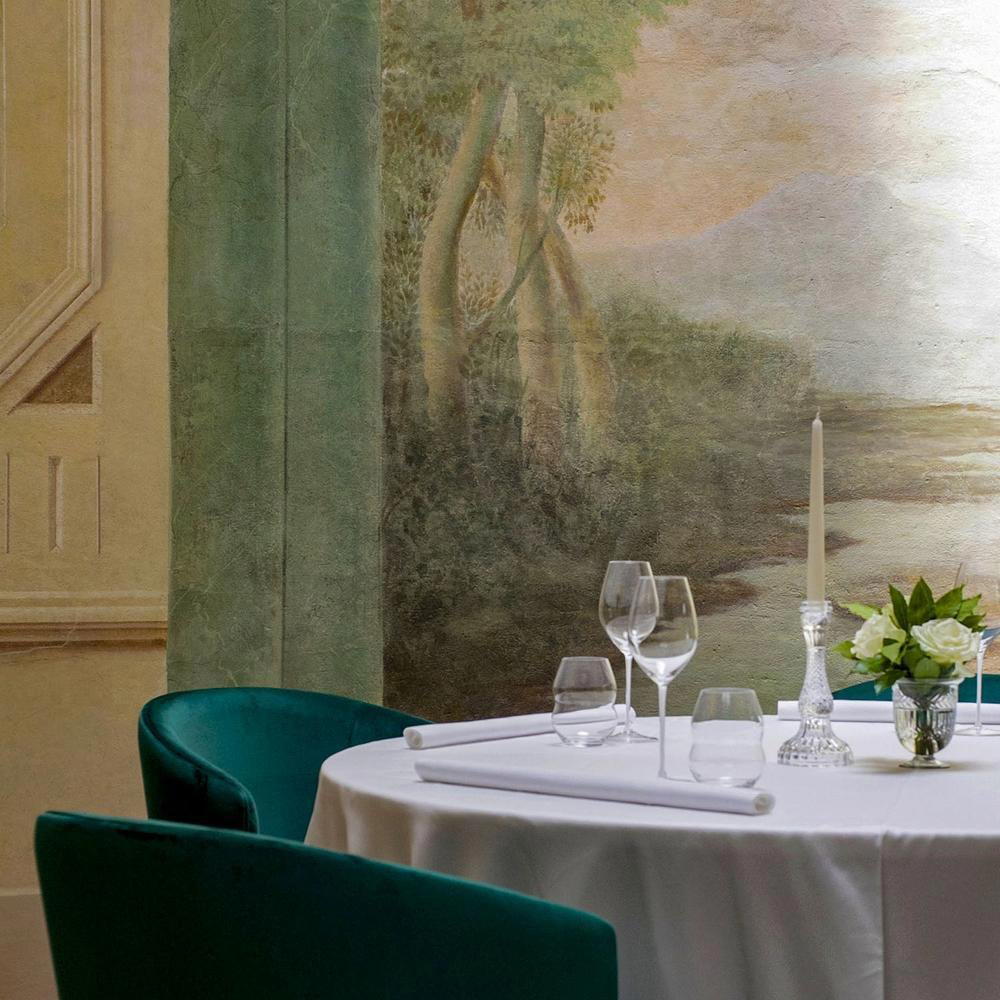
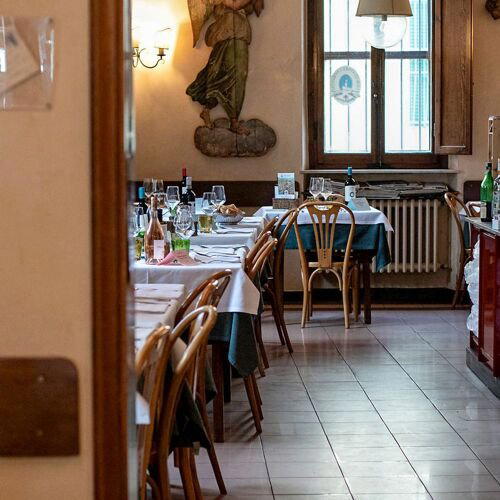
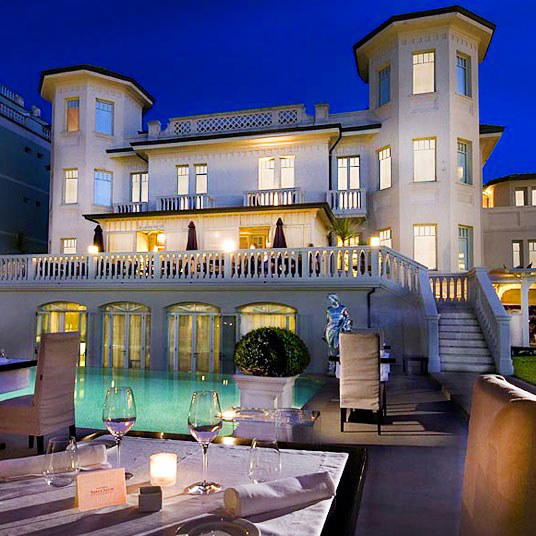
The room’s stated character, elegant, convivial and intimate, matches the scale of the experience. The useful detail is not luxury coding but tempo: conversational noise level, medium capacity, group suitability, a pet-friendly policy and on-site parking make the visit more relaxed than many formal cellar appointments. The estate is not pitched at children, and the format is better suited to adults who want a structured introduction to Marche wine rather than a casual drink stop.
Sustainability also belongs in the assessment because Marche’s native-grape revival increasingly overlaps with lower-intervention farming expectations. Conti di Buscareto carries Organic Farming certification through RINA and Agroquality, along with SQNPI and Chemical Free certification. Those credentials give the winery a firmer footing than generic green language: they place the estate inside Italy’s more formal conversation about reduced chemical input, soil health and integrated production.
How to read the visit in the wider Ostra context
Ostra is not a destination built around a single marquee table or a trophy cellar circuit. Its appeal is slower and more regional: wineries, rural hospitality, small-town eating and proximity to the hills that shape the glass. For travellers building a local itinerary, the winery works as the wine-education anchor rather than a quick tasting counter. Pair it with broader planning through Our full Ostra wineries guide, then use Our full Ostra restaurants guide, Our full Ostra hotels guide, Our full Ostra bars guide and Our full Ostra experiences guide to build the rest of the day around the town rather than treating the winery as an isolated stop.
For a wider view of wine travel across Italy and beyond, EP Club’s winery index also tracks producers and tasting rooms such as 3GP SRL in Treviso, 47 Anno Domini in Trebaseleghe, A Mano Wine in Noci, a6mani in Fragagnano, Abbadia Ardenga in Torrenieri, Abbazia di Crapolla in Neapel, Abbazia Monte Oliveto in Asciano, Abbazia Santa Anastasia in Castelbuono, »der Steiner« Hans Steiner in Podersdorf am See and & Handwein in Mannheim. Read across those entries and the distinction becomes clear: this Ostra address is about terroir expression through native Marche grapes, with enough structure in the tasting format to make the lesson legible.
Recognition history
Dated appearances from independent guides and award organizations, with the underlying list record or original source where available.
Falstaff Winery - Listed
Falstaff
At a Glance
- Scenic
- Elegant
- Cozy
- Intimate
- Classic
- Group Outing
- Celebration
- Wine Education
- Special Occasion
- Private Tasting
- Vineyard Tour
- Estate Grounds
- Historic Building
- Vineyard
Elegant, convivial, intimate, and panoramic, with a relaxed atmosphere for guided tastings and events among Marche hills.