
Clos du Clocher is a small Pomerol estate shaped by plateau clay, old vines, and a Cabernet Franc presence that gives its Merlot-led wines more frame than easy plushness. Founded in 1924, it belongs to the quieter side of Right Bank collecting: serious terroir, small-scale production, and critic attention without the grand-château theatre.
Pearl is the En Primeur Club membership app — saves, bookings, and concierge access live there. Same editors, same standards.
- Address
- Pomerol, Nouvelle-Aquitaine, Frankreich
 Saves & bookings on Pearl
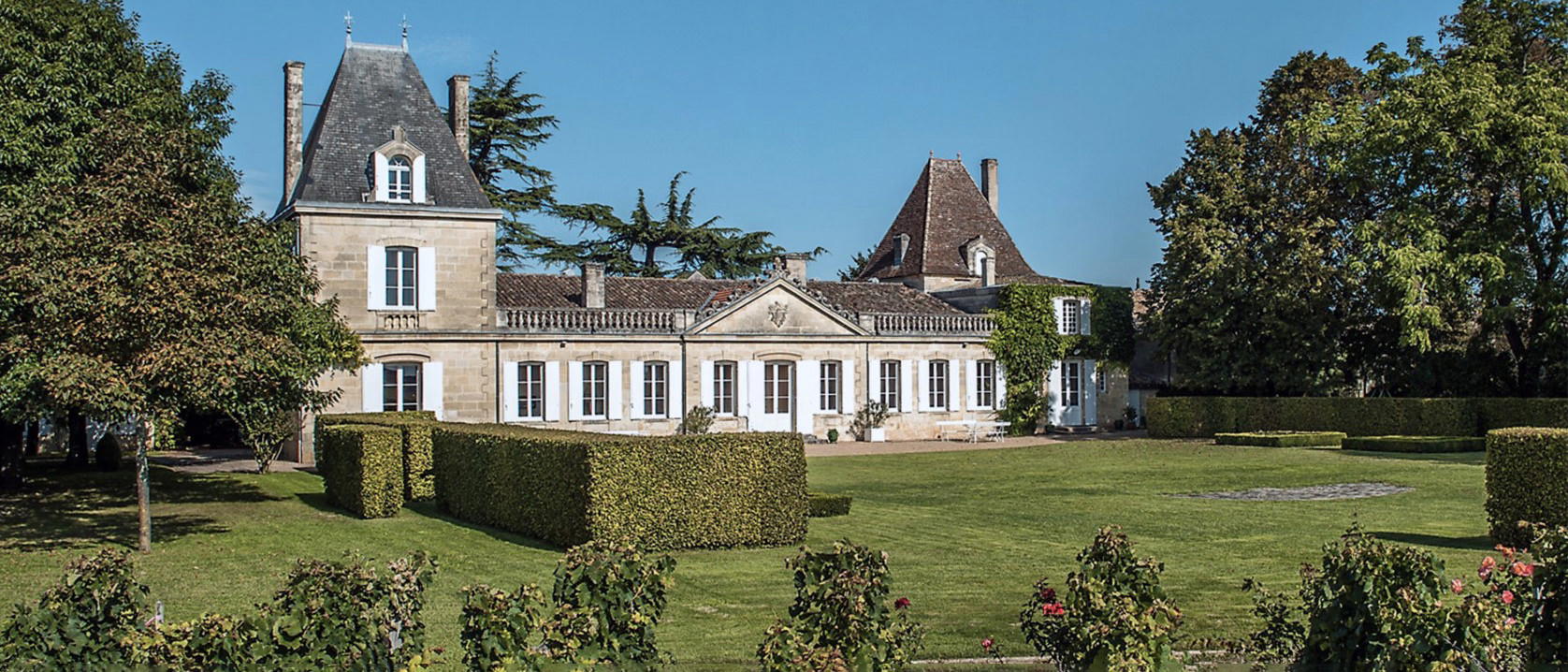
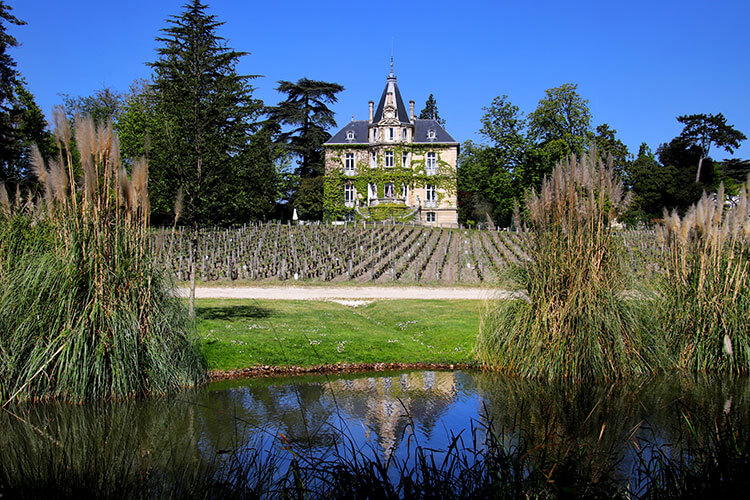
Clos du Clocher is a small, historic estate in Pomerol, set on the plateau near the village church. Its appeal is quiet rather than showy: a traditional wine-country atmosphere, intimate scale, and the sense of a discreet presence in Pomerol. The description does not need to be stretched into something grander than it is. In fact, much of the appeal comes from the opposite impulse: the estate reads as compact, settled, and rooted in its immediate surroundings, with a tone that feels more private than performative.
Because the public details are limited, a reliable way to frame Clos du Clocher is by place and mood rather than by unconfirmed technical claims. It is best understood as a classic, elegant Pomerol estate whose character comes from its restrained setting near the church and its discreet presence on the plateau. That restraint is important. Rather than relying on a long list of visitor-facing features, the estate’s identity is carried by the essentials already visible in the description: small scale, historic character, a traditional wine-country atmosphere, and a calm sense of exclusivity.
Plateau setting gives the estate its real argument
Clos du Clocher's location on the Pomerol plateau near the village church is the central fact to keep in view. Here, the draw is not spectacle, but the quiet confidence of a compact, traditional wine-country address. The plateau setting gives the estate its strongest context, because it places the winery within the landscape most readers associate with serious Pomerol: village, church, vines, and a sense of closeness rather than display. The mood suggested is not one of large-scale production theatre or destination branding, but of a tucked-away address with a clear local identity.
The estate's description points toward intimacy and restraint: quiet, classic, and elegant. Those qualities make it a fit for readers who want a more discreet Pomerol reference point rather than a heavily staged hospitality experience. Intimacy here should be understood as part of the overall atmosphere, not as a promise of any particular service or access. It is the feeling created by a small historic estate near the church, where the scale appears modest and the emphasis is on place. For someone reading Pomerol through atmosphere, the winery offers a useful counterpoint to more visible or more elaborately presented wine-country experiences.
A small estate format, not a grand-tourism one
The winery should not be described through claims about tasting formats, visitor services, farming methods, founding dates, specific vineyard details, or scores. The grounded picture is simpler: a small, historic Pomerol estate with a calm, traditional atmosphere and a sense of exclusivity. That narrower frame is also the more accurate one. It keeps attention on what can be said with confidence, and avoids turning a discreet property into a generic luxury listing. The point is not that the estate lacks interest; rather, its interest lies in being understated, specific, and rooted in the classic image of Pomerol rather than in public-facing spectacle.
For planning, treat the winery as a Pomerol wine-country stop whose appeal rests on setting and mood. It is the kind of place to consider when the goal is to understand the texture of the area through its quieter addresses, not simply to seek out particularly visible or most touristic names. The small-estate format matters because it shapes expectations: readers should look to the sense of place, the historic feel, and the elegant restraint, while avoiding assumptions about what may or may not be offered on site.
How to read Clos du Clocher within Pomerol
Within Pomerol, the winery is best read as a quiet, classic estate rather than as a venue defined by public spectacle. Its $$$ price level places it in a premium bracket, while its description emphasizes heritage, intimacy, and elegance. That combination gives the estate a particular editorial position: premium, but not loud; historic, but not overexplained; exclusive in feel, yet primarily through atmosphere and setting rather than through any stated list of amenities. It belongs in the conversation for readers who value the subtler side of Pomerol and who are interested in how a small estate can convey a strong sense of place.
For readers comparing options, keep the comparison local and general: other dining and wine-country experiences in Pomerol may offer different levels of formality, visibility, or visitor infrastructure. The winery's distinction is its small historic setting on the plateau near the church and its understated hidden-gem atmosphere. The useful way to compare it is not by adding unsupported details, but by recognizing its editorial profile: compact, classic, elegant, and quietly rooted in the village landscape. In that sense, the winery is less about spectacle than about the pleasure of a restrained Pomerol reference point, where the appeal comes from proportion, tradition, and a calm sense of place.
Recognition history
Dated appearances from independent guides and award organizations, with the underlying list record or original source where available.
Falstaff Winery - Listed
Falstaff
At a Glance
- Quiet
- Classic
- Intimate
- Elegant
- Special Occasion
- Solo Exploration
- Romantic Getaway
- Historic Building
- Estate Grounds
- Private Tasting
- Organic
- Vineyard
- Pomerol AOC
- Cabernet Franc
- Merlot
- Still Red
- Private Tasting
A small, historic Pomerol estate set on the plateau near the village church, with a quiet, traditional wine-country atmosphere and a sense of hidden-gem exclusivity.