
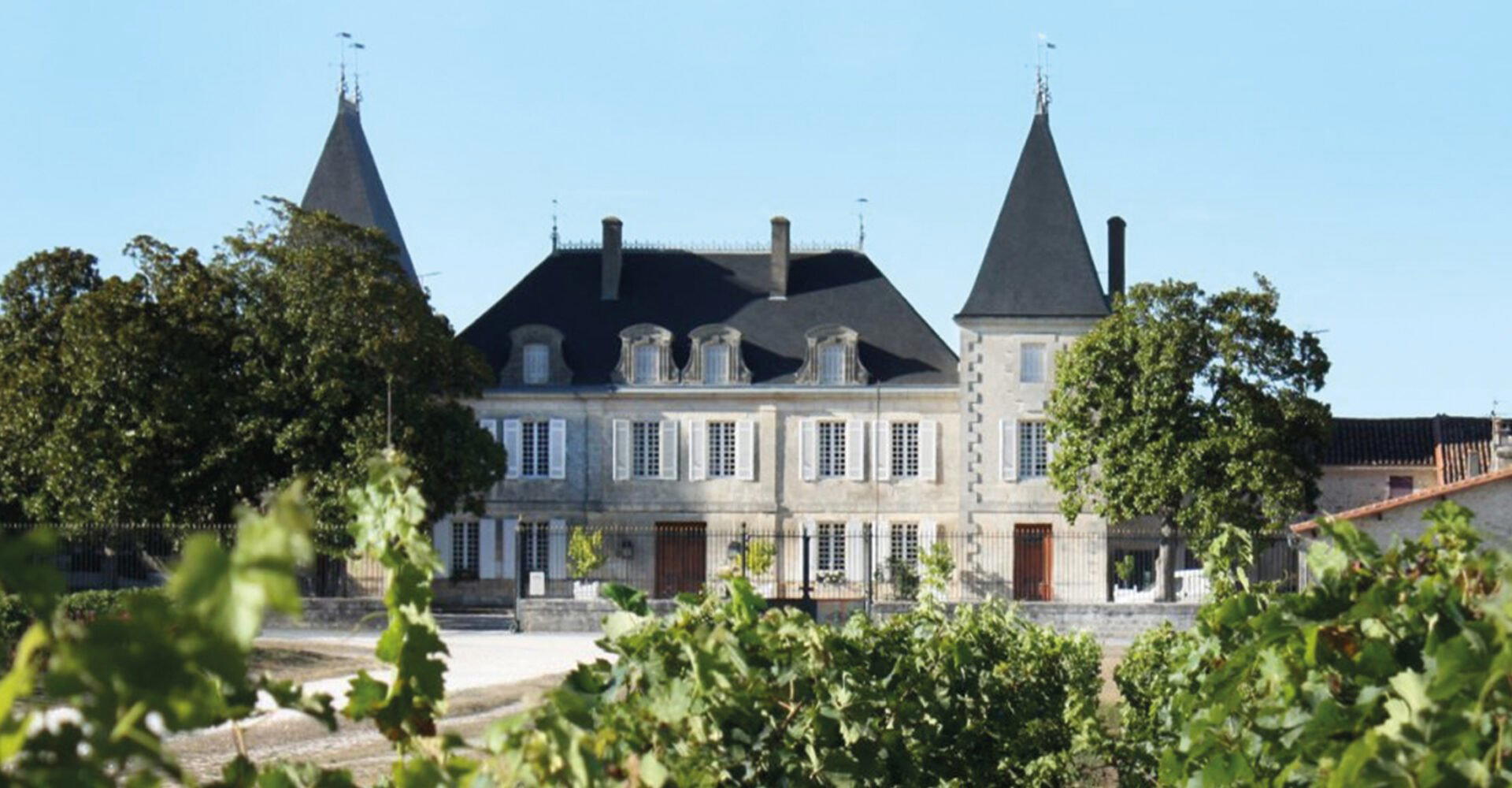
Chateau Quattre brings Cahors Malbec into the Bordeaux travel orbit: dark-fruited, tannic, clay-limestone driven reds from a 50-hectare estate on high terraces in southwest France. The draw is terroir rather than spectacle, with Decanter Platinum recognition for the 2016 Malbec Cahors giving the estate a clear critical credential.
Pearl is the En Primeur Club membership app — saves, bookings, and concierge access live there. Same editors, same standards.
- Address
- Bordeaux, Nouvelle-Aquitaine, Frankreich
 Saves & bookings on Pearl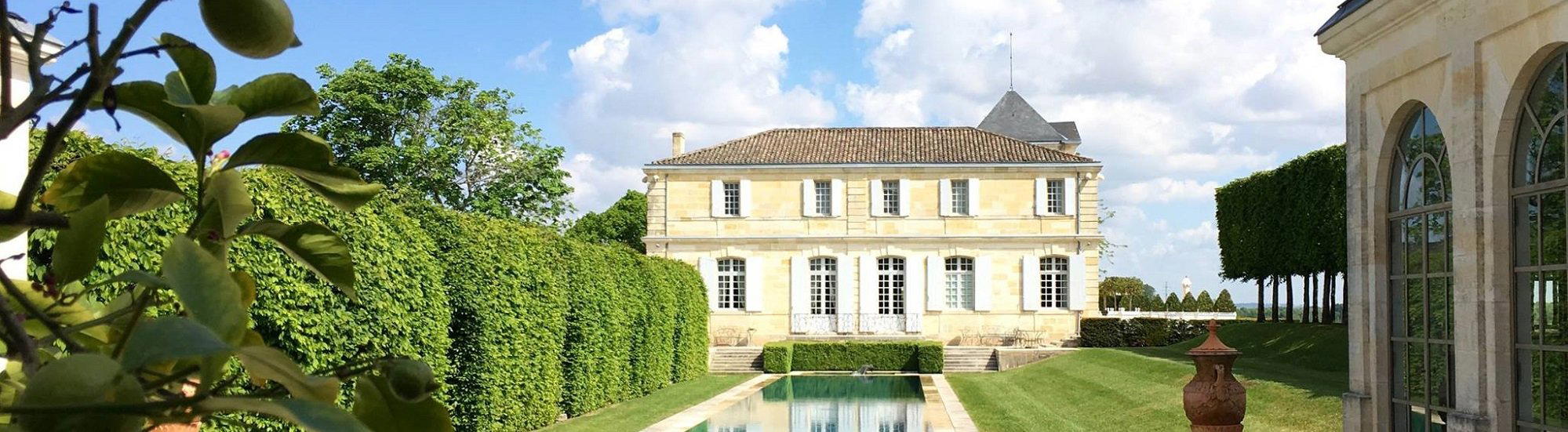
Chateau Quattre in Bordeaux is best understood through its identity: a classic Cahors estate focused on powerful, concentrated Malbec-based reds. That framing matters, because a reliable way to read the venue is not as a broad Bordeaux lifestyle address, but as a wine reference point with a clear southwest France character. The style is described around dense black fruit, earthy notes and supple, smooth tannins, giving it a traditional but quality-driven southwest France profile. It is the kind of description that points less toward lightness or polish for its own sake, and more toward depth, structure and a sense of regional grounding.
What can be stated with confidence is the broad wine character: Malbec-based reds with depth, structure and a classic rustic tone. The available information does not support adding precise claims about tastings, hospitality, winemaking details or estate history, so one accurate editorial approach is to stay close to that core identity. For EP Club readers, the useful point is simple: Chateau Quattre belongs in the conversation as a Cahors-minded red-wine address, defined by concentration and traditional southwest France flavour rather than by extras.
Cahors Malbec, not Bordeaux in disguise
For travellers looking at Chateau Quattre from Bordeaux, the appeal is the contrast between Bordeaux as a city base and the estate’s Cahors identity. That distinction is important. Bordeaux may be the organising point for the trip, but the winery should not be flattened into a Bordeaux-style expectation just because it appears in that orbit. Rather than presenting it as a Bordeaux-style blend or an experience with hospitality details, it is safer to frame the winery as a southwest France wine reference point centred on Malbec-based reds.
The style points toward concentration, dark fruit and earth, with tannins described as smooth and supple rather than harsh. Those details give the wine profile shape without overclaiming. Dense black-fruit character suggests a darker register, while earthy notes keep the profile tied to a more traditional, rustic expression. The tannin description is also useful: structure is part of the picture, but the language available points to texture that is rounded and approachable in feel, not severe. That combination makes the winery relevant for readers who want a classic, rustic expression of Cahors without relying on unconfirmed claims about exact vineyards, cellar methods or accolades.
What defines the wine style
The available information supports a traditional southwest France reading of the winery. Its Cahors identity and Malbec-based focus place it in a darker, more structured red-wine register than many lighter, perfume-led styles. In practical terms, the confirmed profile is built around power, concentration and depth, with the fruit moving toward black-fruit density rather than a delicate red-fruit spectrum. The earthy element adds a grounded, savoury dimension, reinforcing the sense that this is a classic regional style rather than a sleek or purely modern presentation.
Useful takeaway is broader: the winery represents a classic, quality-minded Cahors approach built around powerful reds rather than a casual or design-led venue claim. The word quality here should be understood through the stated wine character: concentration, smooth tannins and a traditional structure, not through unsupported awards or external rankings. It is an identity-led recommendation, well suited to readers who are interested in the character of Malbec-based Cahors and in the way southwest France reds can bring density, earth and grip together.
Readers comparing wine options in Bordeaux should treat the winery as its own reference point rather than relying on comparisons with named estates. Other dining and wine experiences in Bordeaux can be considered separately, but the winery’s confirmed identity is its Malbec-based southwest France style. That makes the venue most useful in editorial terms as a contrast piece: a way to widen the Bordeaux trip beyond the familiar frame, while still staying within a red-wine conversation. The important thing is not to force it into categories the available information does not support, but to let the confirmed Cahors profile do the work.
How to place it in a Bordeaux trip
The winery fits a Bordeaux itinerary for travellers interested in red-wine contrast and regional context. The profile is concentrated, earthy and Malbec-led, with a classic rustic character. For someone building a wine-focused trip, that means it should be considered for what it adds in style: darker fruit, firmer structure and a southwest France perspective that sits apart from a direct Bordeaux reading.
Its price level is listed as $$, which gives a general sense of positioning without supporting any specific tasting fee, bottle price or menu-style claim. That level can be treated only as a broad guide, not as a promise about cost or format. For planning, confirm practical details directly before making a visit or building a wider schedule around it. This is especially important because the strongest confirmed material is stylistic rather than logistical: the wine identity is clear, while the on-the-ground visitor experience should not be embellished beyond what is known.
In short, the winery should be presented as a Bordeaux-listed venue with a Cahors Malbec identity: powerful, concentrated reds, dense black-fruit character, earthy notes and supple tannins in a traditional southwest France style. Its value for the reader is the clarity of that profile. It offers a way to think beyond Bordeaux as a single taste category, while still staying firmly anchored in red wine, structure and regional character.
Recognition history
Dated appearances from independent guides and award organizations, with the underlying list record or original source where available.
Falstaff Winery - Listed
Falstaff
Continue exploring
More in Bordeaux
Wineries in Bordeaux
Browse all →

Bars in Bordeaux
Browse all →
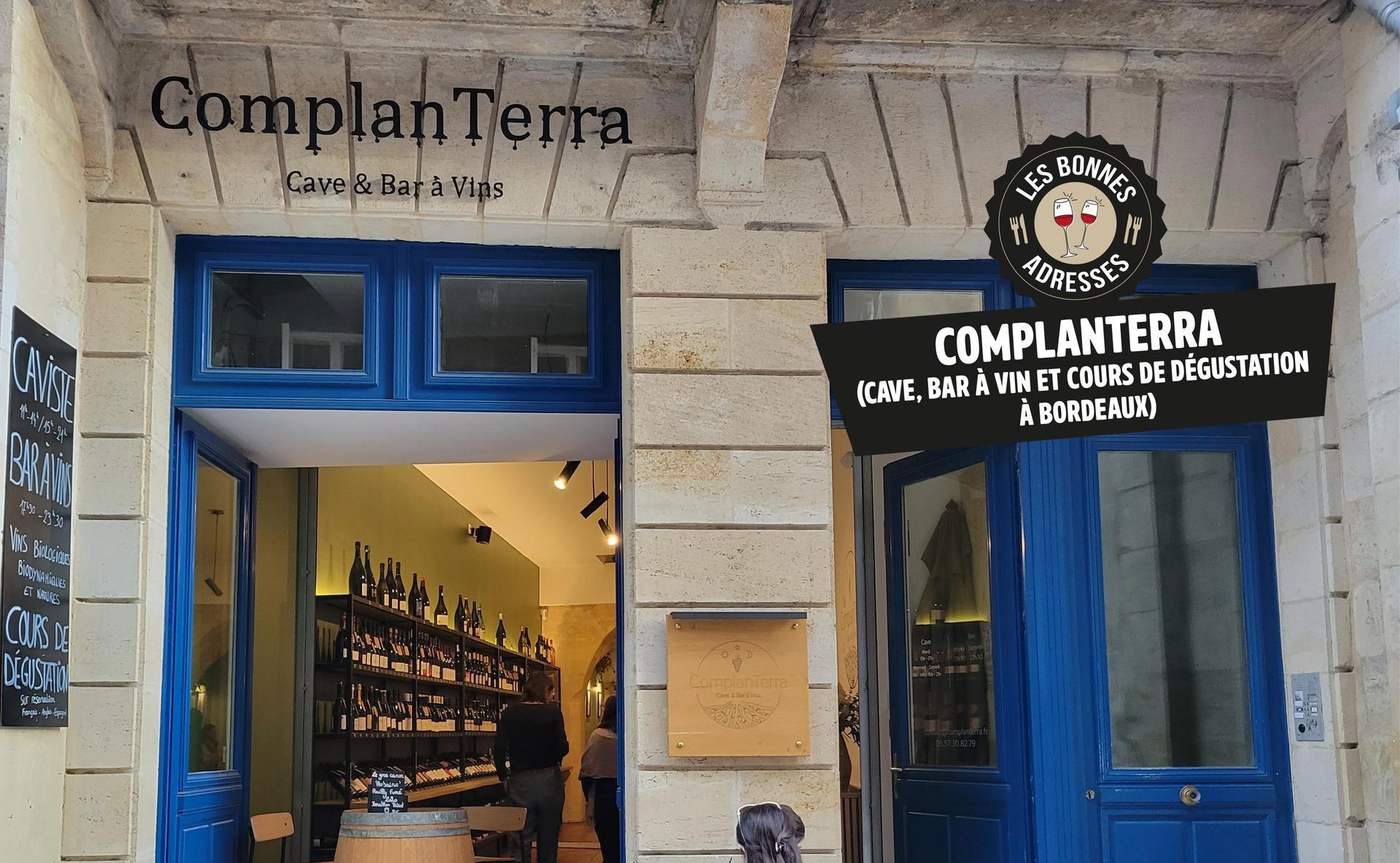
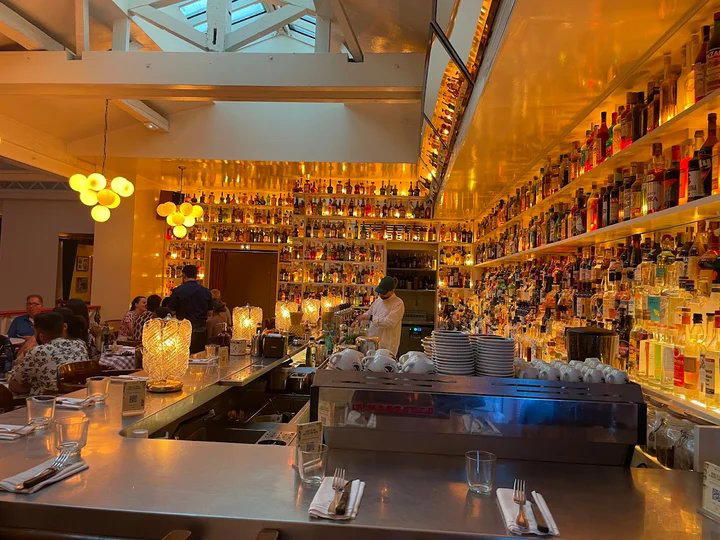
Restaurants in Bordeaux
Browse all →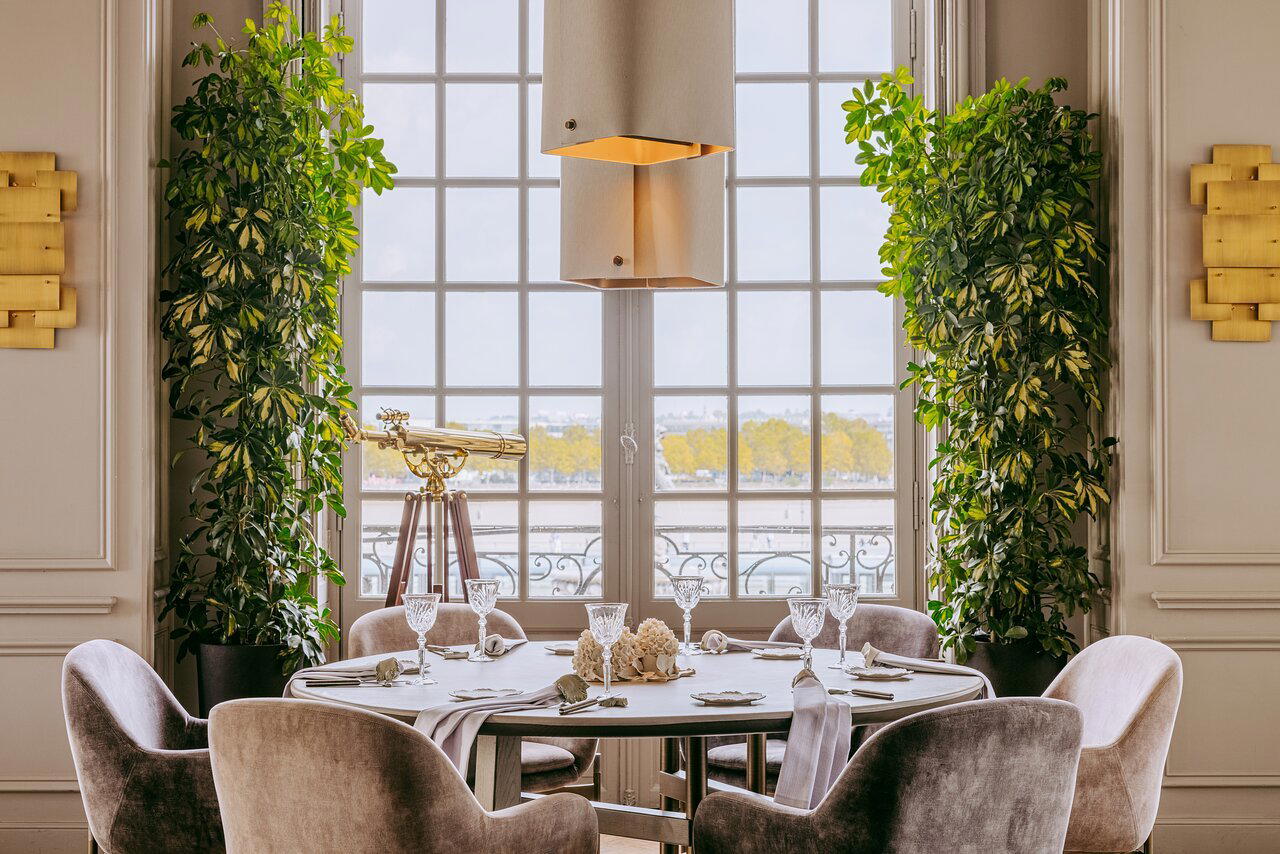
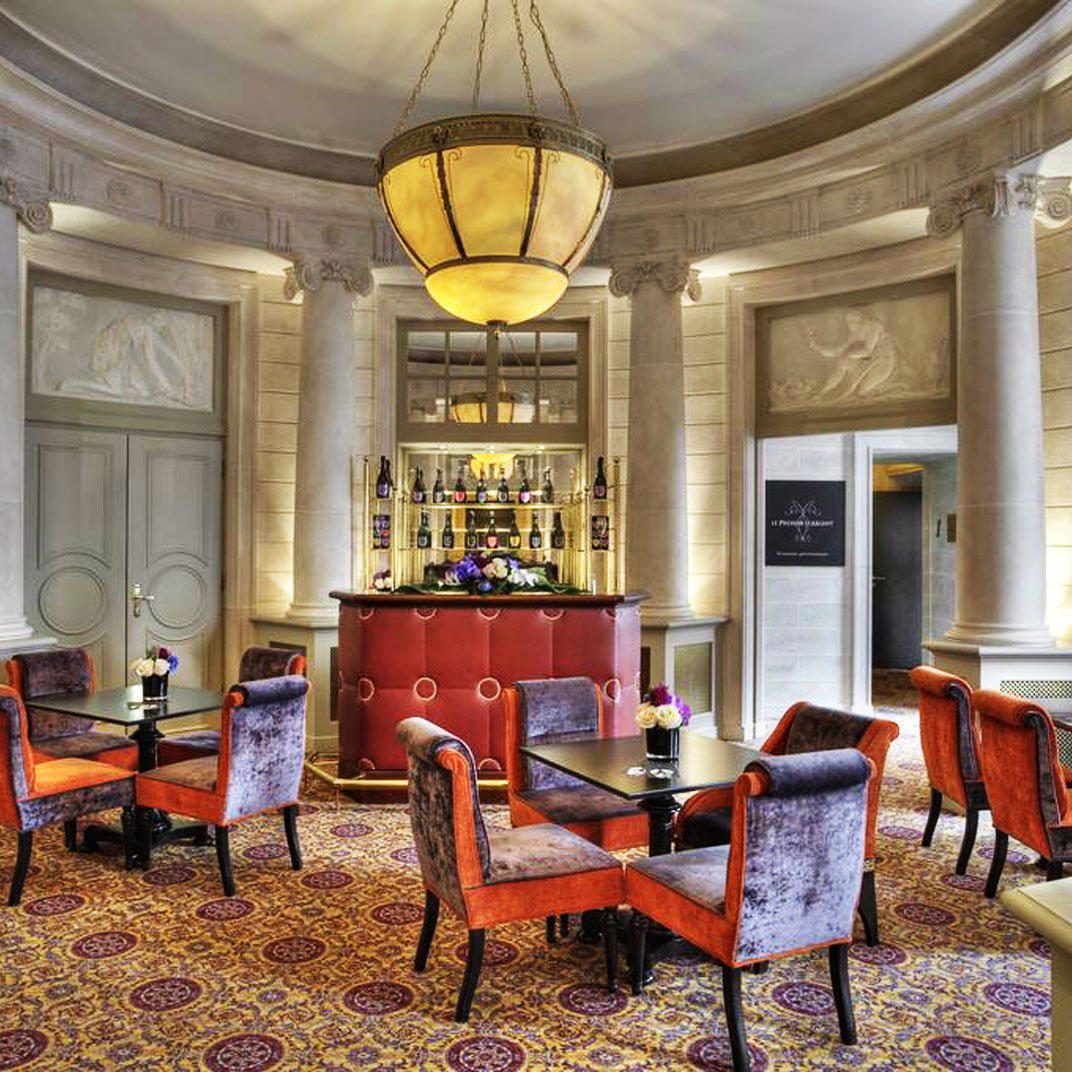
At a Glance
- Classic
- Rustic
- Scenic
- Intimate
- Group Outing
- Wine Education
- Romantic Getaway
- Solo Exploration
- Estate Grounds
- Vineyard Tour
- Vineyard
- Cahors AOC
- Malbec
- Merlot
- Tannat
- Still Red
- Standard Tasting
- Red Wine Focused
A classic Cahors estate focused on powerful, concentrated Malbec-based reds that balance dense black fruit and earthy notes with supple, smooth tannins, reflecting a traditional yet quality-driven southwest France wine style.