
Château Clos René is a historic family-run Pomerol estate whose interest lies in terroir rather than spectacle: gravel, ancient sands, iron-rich subsoils and a Merlot-led blend with an unusually meaningful share of Malbec. The estate dates to 1734, works roughly 15 hectares, and offers a quieter read on Right Bank Bordeaux than the region’s trophy-label narrative usually allows.
Pearl is the En Primeur Club membership app — saves, bookings, and concierge access live there. Same editors, same standards.
- Address
- Pomerol, Nouvelle-Aquitaine, Frankreich
 Saves & bookings on Pearl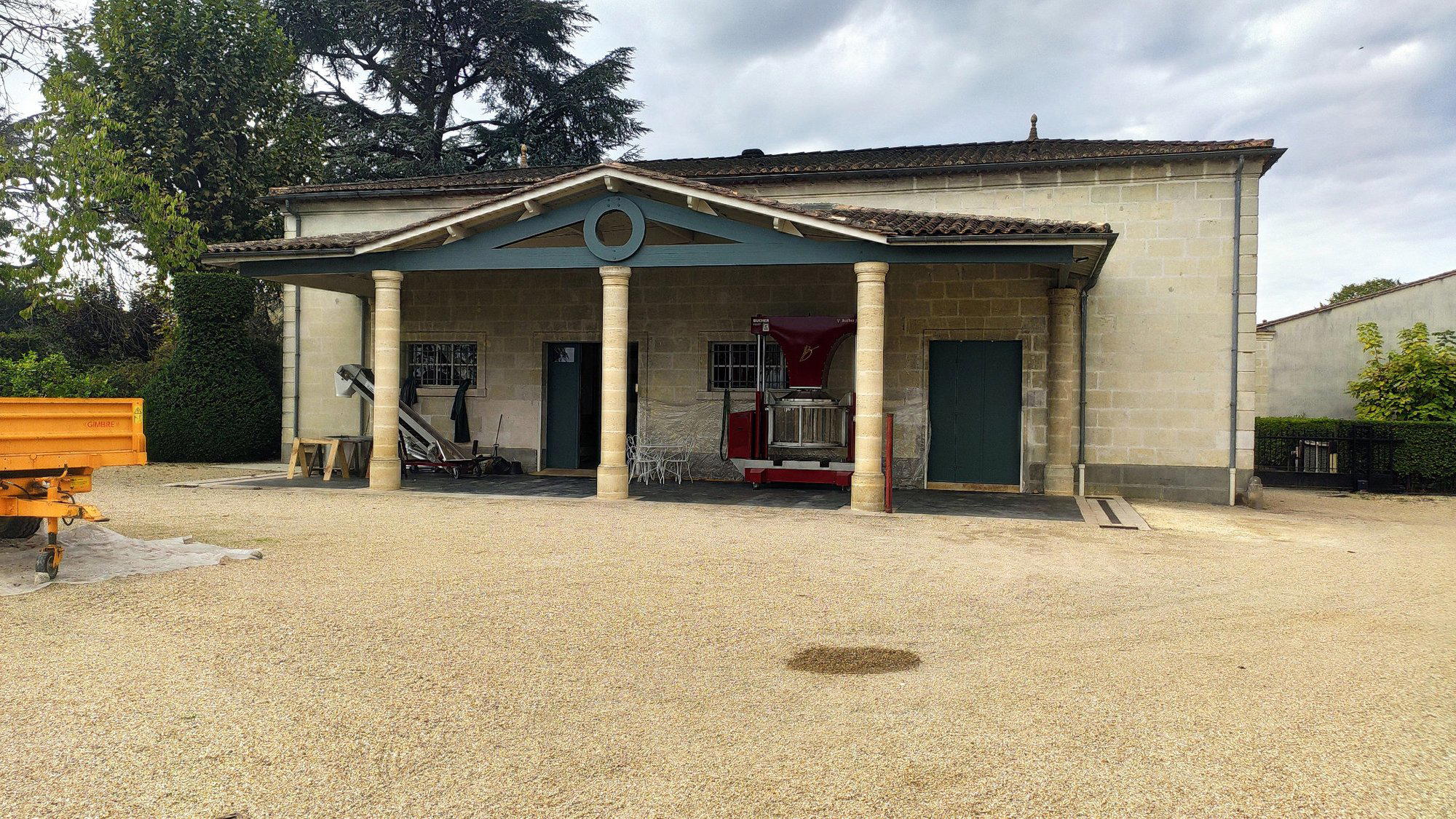
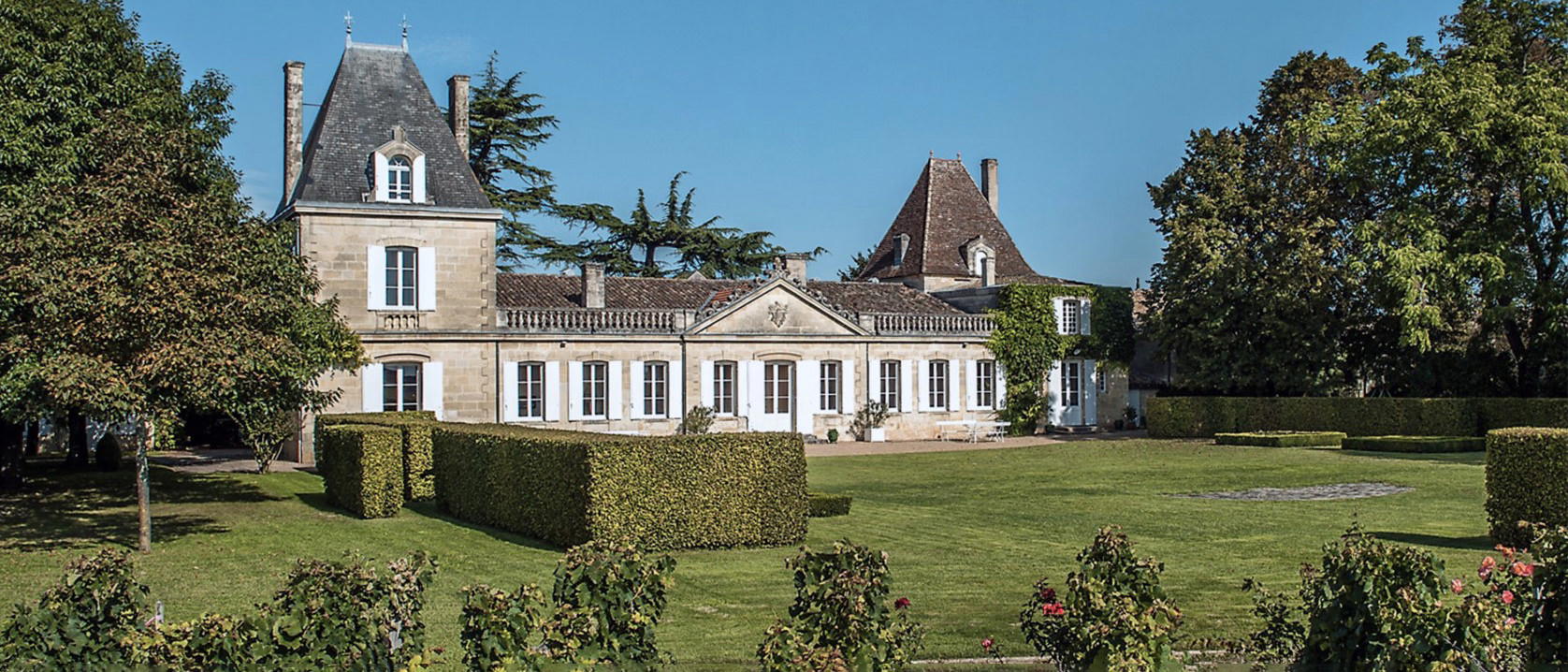
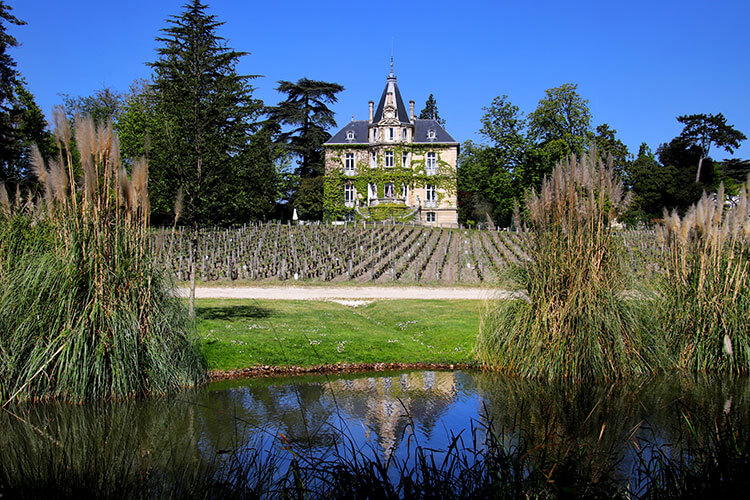
Château Clos René is a Pomerol estate for travelers who want a quieter expression of the Right Bank rather than a polished wine-tourism spectacle. The picture is deliberately restrained: a historic Bordeaux winery, focused on classic Pomerol reds, with a traditional and family-run feel. Its appeal is not a modern design destination or a hospitality complex, but the atmosphere of a classic, rustic estate building in one of Bordeaux’s most closely watched wine communes.
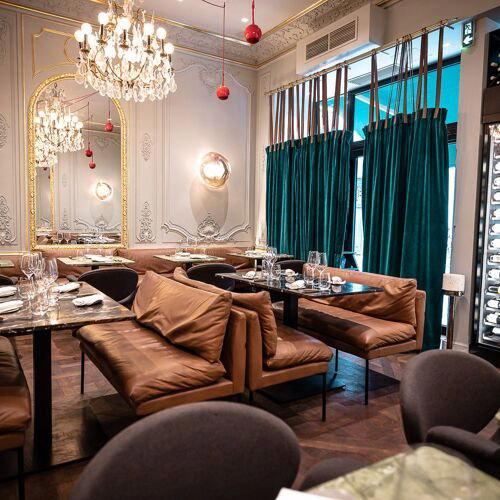
Because only limited practical detail is here, the safest way to frame Château Clos René is as a Pomerol winery to approach for its traditional character. Pomerol can be an understated place for visitors: the name carries international prestige, while many estates feel agricultural, discreet and rooted in working wine production. Château Clos René fits that quieter register. For travelers comparing options, it is best understood as a historic Right Bank stop rather than as a venue defined by architecture, dining, events or a broad visitor program.
Gravel, ancient sands and the Right Bank case for restraint
One important point is the estate’s identity: the winery is a historic Right Bank Bordeaux winery in Pomerol, focused on classic Pomerol reds. That focus matters because it keeps the venue’s story anchored in the appellation rather than in lifestyle amenities. This is not a page where a visitor should expect confirmed details about a food program, a tasting format, a cellar tour structure, specific grape percentages, production scale or winemaking technique.
The tone is also part of the experience. The winery is described as classic, rustic and historic, with a hidden-gem quality. That suggests a place whose interest lies in continuity and atmosphere rather than contemporary staging. For some travelers, that will be exactly the point: Pomerol is often most rewarding when it feels compact, serious and unflashy. The estate’s traditional family-run feel gives it a different appeal from more design-led winery visits, where the building, shop or hospitality format can become the main event.
That restraint is worth preserving in how the venue is presented. It would be misleading to turn the winery into a highly specific touring or dining recommendation without support. The grounded way to plan around it is to see it as a classic Pomerol winery with historic Right Bank character. If you need confirmed opening times, appointment rules, tasting availability, accessibility information, group capacity or purchasing details, check directly with the estate before making firm plans.
A family estate in an appellation shaped by scarcity
Pomerol’s reputation is large, but the visitor experience can be more discreet than first-time Bordeaux travelers expect. The winery belongs in that context: a historic estate in Pomerol where the emphasis is on classic reds and a traditional, family-run feel. The venue should not be presented as a ratings-led destination, an award-driven stop or a modern luxury showpiece.
That does not make the estate less interesting. In fact, thin but clear information can be more useful than a page inflated with unconfirmed detail. For the winery, the reliable appeal is direct: historic Right Bank Bordeaux character, rustic estate atmosphere and a focus on Pomerol red wine. This is the kind of venue that may suit travelers who value provenance, understatement and the feel of a working wine region over elaborate hospitality language.
Context is essential in Pomerol. The commune is closely associated with red Bordeaux, and estates can vary widely in scale, style and visitor readiness. The winery should be compared carefully and locally, without assuming that every Pomerol property offers the same experience. If you are building a day in the area, use other Pomerol dining or winery options generically as context, but keep the winery’s own description precise: historic, rustic, family-run in feel and focused on classic Pomerol reds.
Who will get full value from this kind of visit
The winery is likely to appeal most to travelers who prefer traditional wine settings to polished design destinations. The character points toward a quieter estate experience: historic building, rustic atmosphere, Right Bank identity and a family-run feel. It is less appropriate to frame it around extras such as food pairings, children’s activities, large-group programming, a specific tasting route, a club model or a formal hospitality schedule.
For planning, a useful approach is practical and cautious. Treat the winery as a Pomerol winery whose confirmed public description is atmospheric rather than operational. Before going, confirm directly whether visits are available, whether reservations are required, what language support is offered, and what the current tasting or purchase arrangements are.
The strongest reason to keep the winery on a Pomerol shortlist is its classic sense of place. It represents the quieter side of Bordeaux wine travel: historic, rustic, focused and not overly designed. Visitors looking for a hidden-gem feeling in Pomerol may find that appealing, especially if their interest is in traditional Right Bank reds rather than in a highly produced visitor attraction.
Recognition history
Dated appearances from independent guides and award organizations, with the underlying list record or original source where available.
Falstaff Winery - Listed
Falstaff
At a Glance
- Classic
- Rustic
- Romantic Getaway
- Wine Education
- Solo Exploration
- Estate Grounds
- Historic Building
- Vineyard
- Pomerol AOC
- Merlot
- Cabernet Franc
- Malbec
- Still Red
- Bottle Tasting
Historic Right Bank Bordeaux estate winery focused on classic Pomerol reds, with a traditional, family-run feel rather than a modern design destination.