Château Plantey

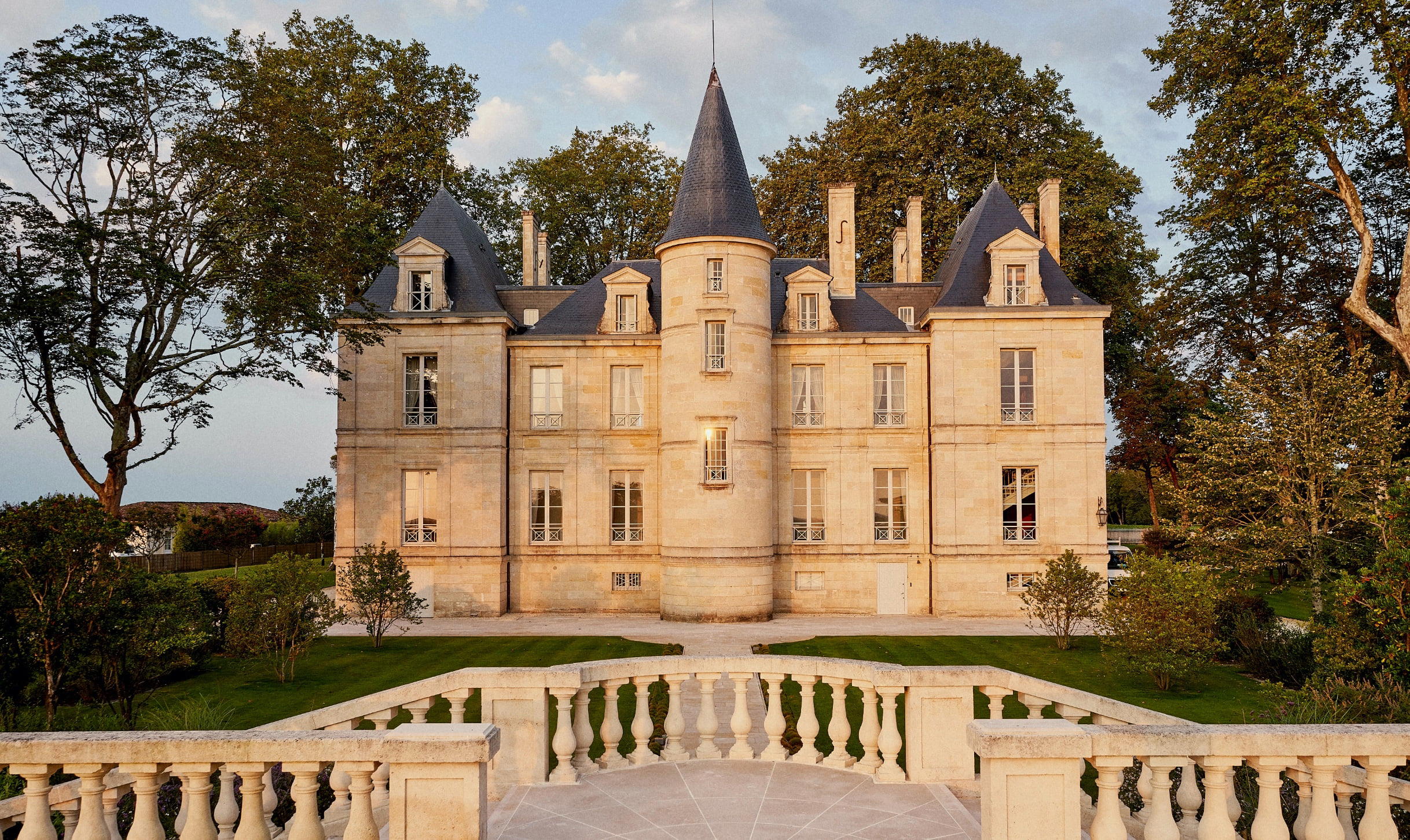
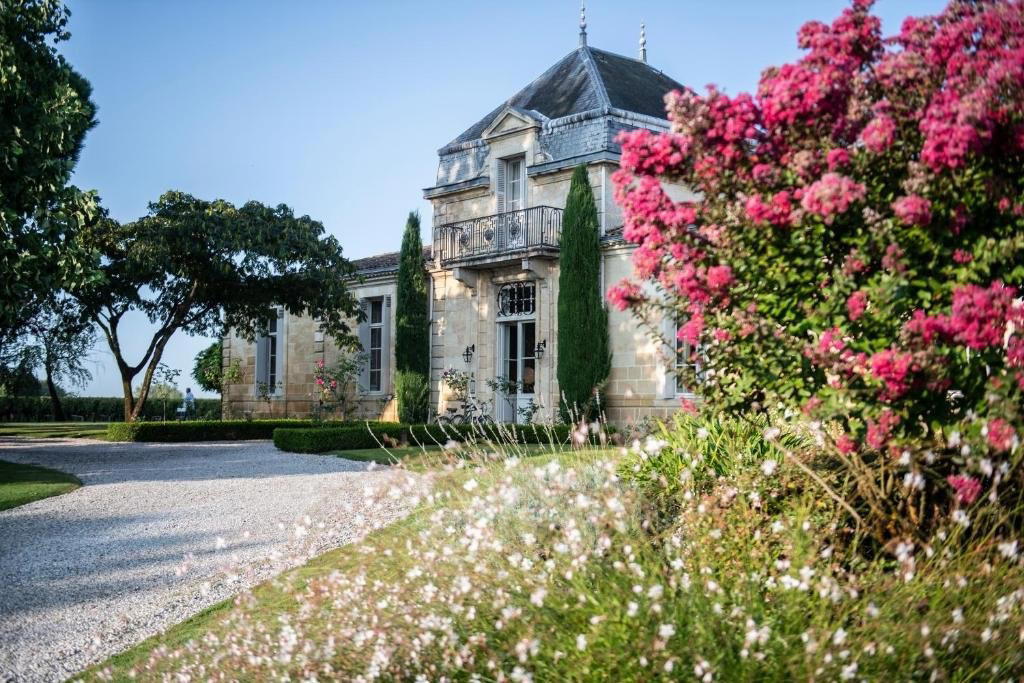
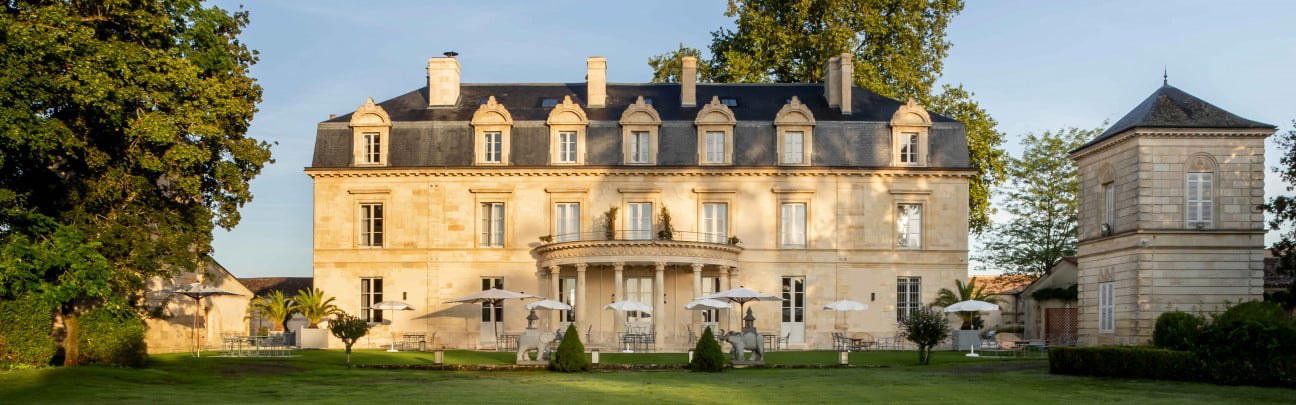
Château Plantey belongs to the structured, Cabernet-led side of the Left Bank, with Château Plantey de Lieujean carrying the Haut-Médoc AOP frame and a Cru Bourgeois classification. The appeal is not grand-château theatre; it is a classical red Bordeaux reading of gravel, Atlantic influence, black fruit, and firm tannin in Saint-Estèphe.
Pearl is the En Primeur Club membership app — saves, bookings, and concierge access live there. Same editors, same standards.
- Address
- St Estèphe, Nouvelle-Aquitaine, Frankreich
- Directions
- Get directions
 Saves & bookings on Pearl
Château Plantey is a traditional Left Bank Bordeaux estate in Saint-Estèphe. The profile is focused on structured red Haut-Médoc wines with classic blackcurrant and blackberry flavors, firm tannins, and an ageworthy, food-friendly style. It is best understood as a classic Bordeaux estate rather than a venue with a broadly documented hospitality or dining program. That distinction is important: the useful information here is about the wine identity, not a wider visitor experience with confirmed tastings, meals, or set services.
The grounded picture is narrower, but still clear: a Saint-Estèphe estate associated with firm, structured Haut-Médoc reds at a $$$ price level. EP Club therefore treats Château Plantey primarily as a wine-profile entry, useful for understanding a particular expression of the Left Bank rather than as a fully mapped destination for on-site hospitality.
Structure, dark fruit, and the Haut-Médoc frame
Château Plantey’s style sits within a traditional Left Bank Bordeaux frame: red Haut-Médoc wines with structure, blackcurrant and blackberry character, and firm tannins. The emphasis is on an ageworthy, food-friendly expression rather than a soft or overtly casual drinking profile. In practical terms, that means the wines are best read through balance, grip, and dark-fruited depth, with tannin playing a central role in how the wine is likely to feel at the table.
For drinkers using Saint-Estèphe as a way into this style of Bordeaux, the winery is useful as a classical reference. The wines are described through dark fruit, tannic grip, and a sense of durability, all of which align with a more structured Bordeaux profile. Blackcurrant and blackberry are helpful markers because they keep the description anchored in familiar Left Bank fruit tones, while the firm tannins suggest a more serious, composed style rather than something designed only for immediate, easy drinking.
The reliable takeaway is the broader one: the winery represents a classic, structured Haut-Médoc red-wine profile in Saint-Estèphe. Its appeal is not built around novelty or a heavily documented lifestyle offering, but around recognizable Bordeaux themes: dark fruit, firmness, and a food-oriented shape. For anyone trying to understand what makes this kind of wine distinctive, that combination is the core of the profile.
profile and price frame
The estate should instead be evaluated on the style information: structured Haut-Médoc reds, blackcurrant and blackberry flavors, firm tannins, and an ageworthy, food-friendly direction. Those points give the safest and most useful framework for expectation-setting. They do not depend on claims about a particular vintage, bottle, visit format, or estate program, and they keep the focus on what is actually supported: a classic red-wine identity rooted in Saint-Estèphe and the Haut-Médoc frame.
$$$ price level places the winery in a higher price frame. Without details on specific bottles, vintages, tasting fees, or retail pricing, that $$$ marker is the safest way to describe cost expectations. It signals that visitors and buyers should think of the estate as sitting above casual everyday pricing, while avoiding a false precision that the available information does not support. The important point is not an exact number, but the general positioning: this is not presented as a budget reference, and the cost expectation should be treated accordingly.
Food-friendly character matters for how the wines are understood. Firm tannins and dark-fruit structure point toward a style that can work well with food, though EP Club does not verify a specific food menu or dining service at the estate. The phrase should therefore be read as a description of wine style, not as a promise of on-site dining. In this context, food-friendly means the structure and fruit profile are likely to make the wine feel more complete alongside a meal than as a purely casual glass on its own.
How to place it in a Saint-Estèphe itinerary
The winery can be placed in a Saint-Estèphe wine itinerary as a traditional Left Bank Bordeaux estate focused on structured Haut-Médoc reds. Travelers should avoid assuming specific visit arrangements, tasting formats, opening hours, or hospitality services unless confirmed directly with the estate. That caution is especially relevant because the available profile supports the wine identity more strongly than it supports any detailed description of a guest-facing program.
For broader context, compare the winery with other Saint-Estèphe dining and wine options generically rather than relying on named comparisons. Its clearest role is as a classic local estate profile: structured red wine, black fruit, firm tannins, and a food-friendly, ageworthy style. Within an itinerary, that makes it most useful as a point of reference for the firmer, more traditional side of the area’s red-wine language, rather than as a destination defined by restaurants, events, or documented amenities.
In short, the winery is best framed as a focused Saint-Estèphe reference for classic Haut-Médoc structure. For EP Club purposes, the strongest and most accurate reading is simple: the winery belongs in the conversation as a traditional Left Bank estate associated with dark-fruited, firmly tannic, ageworthy red wines at a $$$ price level.
Recognition history
Dated appearances from independent guides and award organizations, with the underlying list record or original source where available.
Falstaff Winery - Listed
Falstaff
Continue exploring
More in Saint-Estèphe
Wineries in Saint-Estèphe
Browse all →
Bars in Saint-Estèphe
Browse all →

Restaurants in Saint-Estèphe
Browse all →
At a Glance
- Classic
- Wine Education
- Solo Exploration
- Vineyard
- Haut Medoc AOP
- Cabernet Sauvignon
- Merlot
- Cabernet Franc
- Petit Verdot
- Still Red
Traditional Left Bank Bordeaux estate producing structured red Haut-Médoc wines with classic blackcurrant and blackberry flavors, firm tannins, and a focus on ageworthy, food-friendly styles.