Château Peyre-Lebade

Château Peyre-Lebade, now operating under the Château Odilon name, reads as a rural Left Bank estate rather than a design-led tasting destination. Its interest is terroir: 55 hectares in Listrac-Médoc, limestone and clay-limestone soils, and a Merlot-led red Bordeaux profile shaped by a cooler inland appellation.
Pearl is the En Primeur Club membership app — saves, bookings, and concierge access live there. Same editors, same standards.
- Address
- Listrac-Médoc, Nouvelle-Aquitaine, Frankreich
 Saves & bookings on Pearl
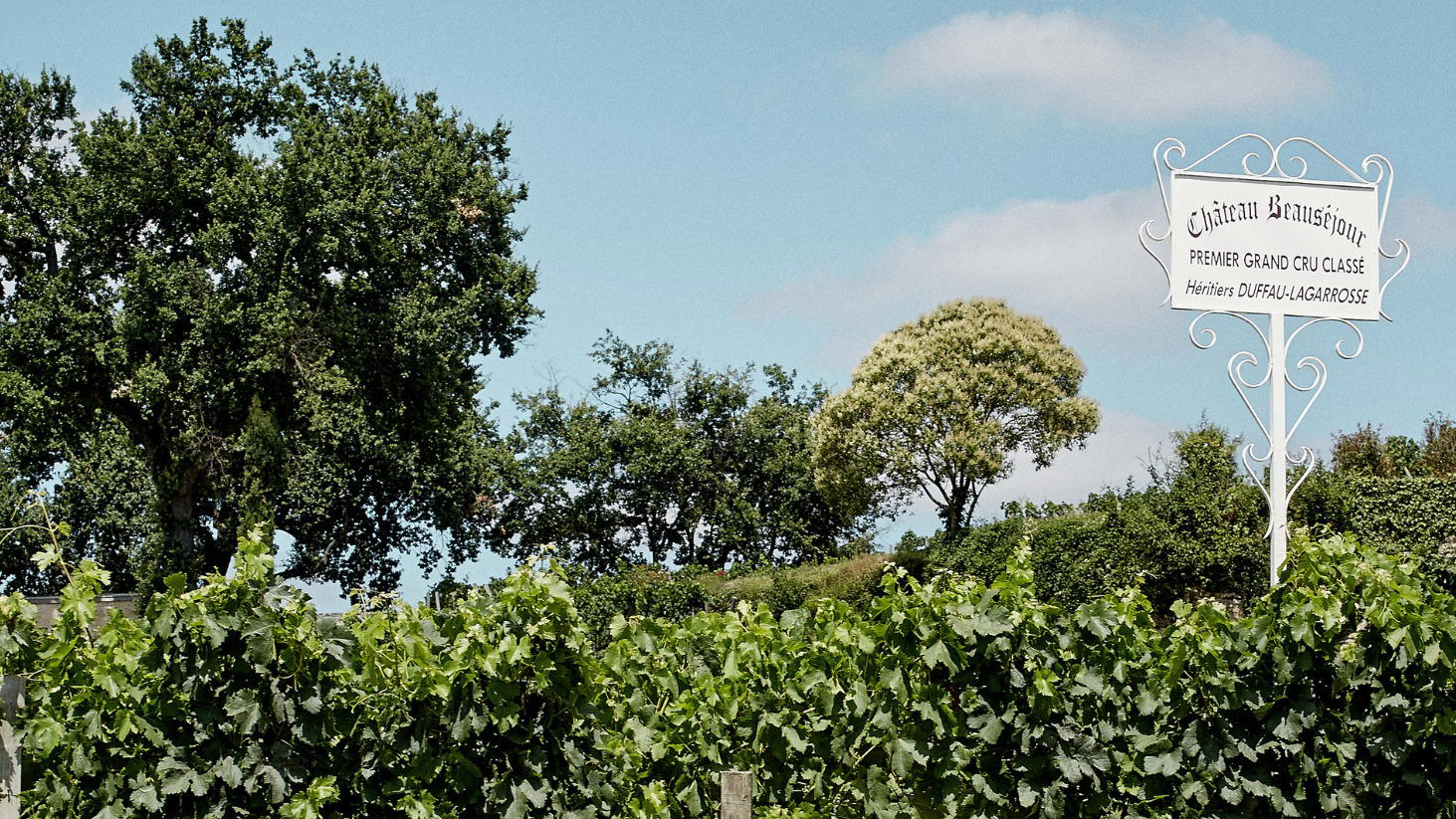
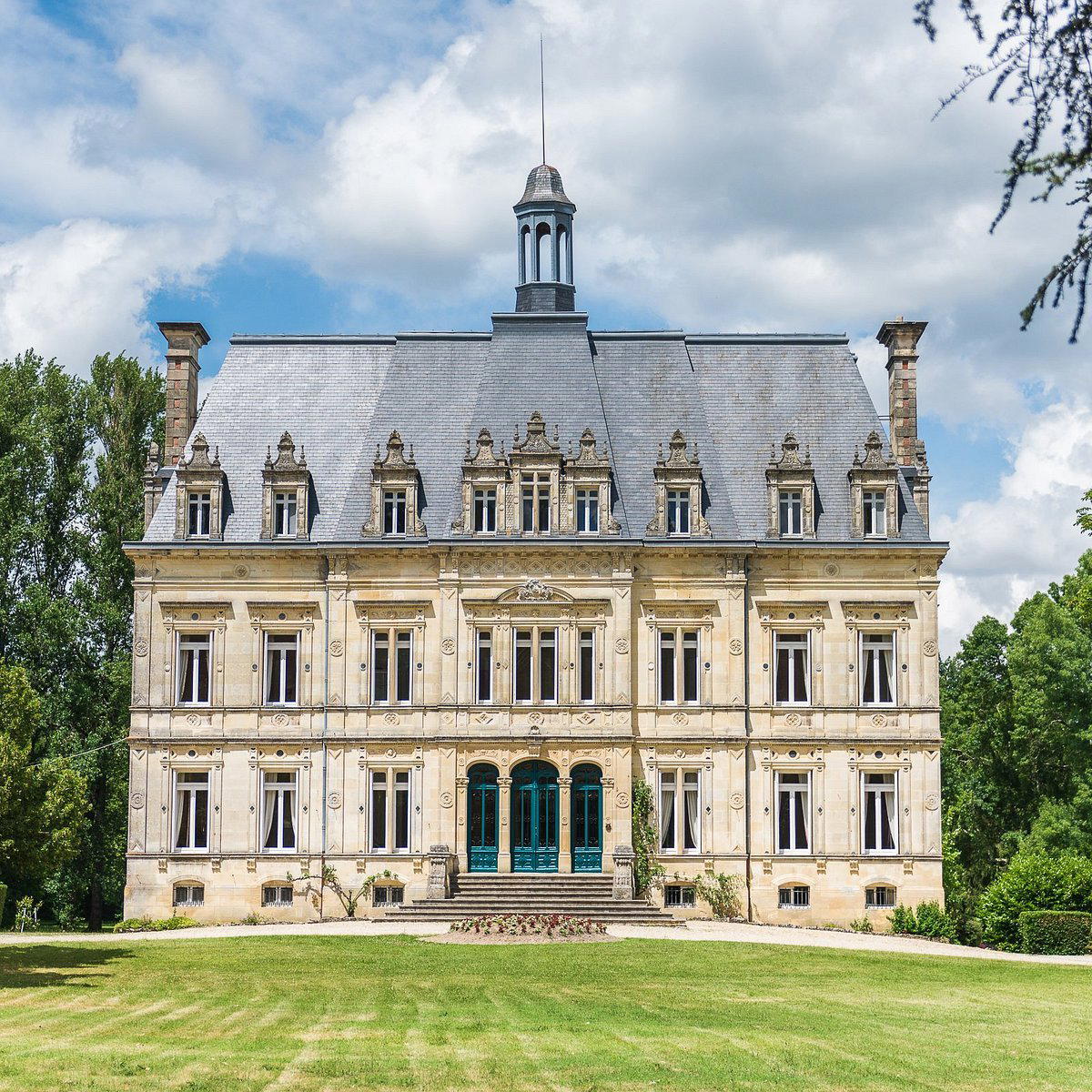
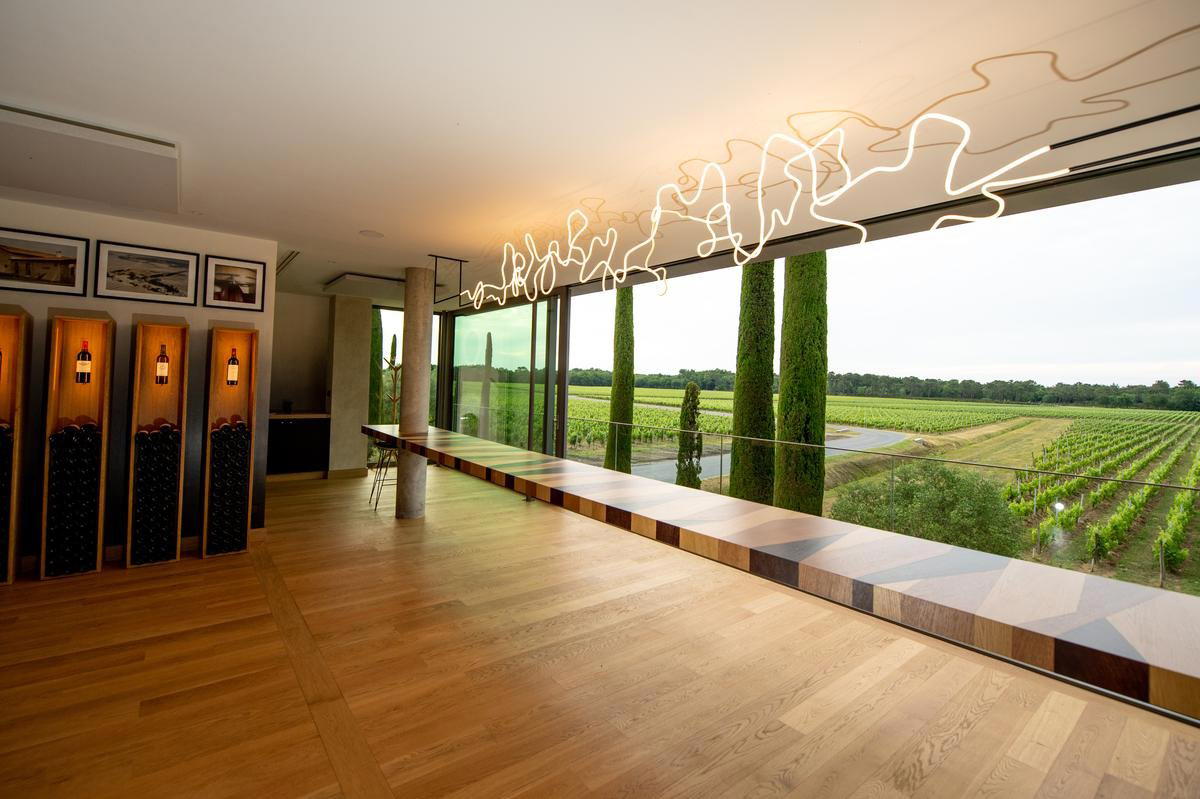
Château Peyre-Lebade in Listrac-Médoc is best understood through its setting: a historic Left Bank Bordeaux estate with classic Médoc vineyards on limestone and clay-limestone slopes. The picture is not of a modern design destination or a heavily documented hospitality venue, but of a traditional rural château atmosphere shaped by vineyards, landscape and the slower rhythm of the Médoc.
For EP Club purposes, the reliable reason to consider Château Peyre-Lebade is the character of the place itself. The estate setting is classic, rustic, scenic and romantic, with the kind of Left Bank context that appeals to travellers who want Bordeaux to feel agricultural and rooted rather than polished into a contemporary showcase. Listrac-Médoc gives that impression especially well: it is a village and wine-country stop where the surrounding vineyards are part of the experience, even when detailed visitor information is limited.
Listrac-Médoc makes a quieter Left Bank case
Many Bordeaux itineraries are built around famous names, formal tastings and highly specified visitor programs. Château Peyre-Lebade should not be described that way unless current, venue-confirmed details are available. What is is more modest and more atmospheric: a historic estate environment in Listrac-Médoc, set among classic Médoc vineyards on limestone and clay-limestone slopes.
That is still a meaningful travel note. Limestone and clay-limestone terrain gives the estate’s landscape a specific Médoc identity, while the rural château setting keeps the mood traditional rather than urban or design-led. Travellers looking for a polished hospitality complex should be cautious about assuming more than the record supports. Travellers drawn to old Bordeaux estate atmosphere, however, will understand the appeal quickly.
The price indicator for the winery is listed as $$. That gives a broad budgeting signal, but it should not be stretched into specific assumptions about tasting fees, bottle pricing, tours, meals or packages. In practical planning, treat the listing as a guide to overall positioning, then confirm any current visit arrangements directly before building a day around the estate.
A traditional estate atmosphere, not a design showcase
The strongest description of the winery is visual and contextual. It is a historic Left Bank Bordeaux estate setting, classic and rustic in tone, with scenic and romantic qualities tied to the vineyard landscape. The language matters because it prevents overstatement: the appeal is not confirmed through awards, a famous chef, a restaurant format, a tasting-menu experience or a documented hospitality program. It is the estate atmosphere itself that is grounded.
This makes the winery useful for travellers who enjoy the quieter side of Bordeaux. Listrac-Médoc does not need to be framed as a spectacle to be worthwhile. A rural château setting can be compelling precisely because it keeps attention on place: vineyards, slopes, traditional architecture and the sense of being in an older wine landscape.
For a broader day in the area, other dining in Listrac-Médoc can be considered generically alongside the estate, but no specific nearby restaurant, bar, hotel or café should be assumed from this listing. The safest planning approach is to separate the character of the winery from any unconfirmed logistics. Use the estate as a setting-led anchor, then verify meals, transport and appointments independently.
How to read the estate in a wider itinerary
The winery belongs in a Listrac-Médoc itinerary when the goal is atmosphere rather than a checklist of confirmed amenities. It offers the image many travellers want from the Left Bank: a historic château environment, classic Médoc vineyards and a rural setting on limestone and clay-limestone slopes. Those are the grounded reasons to keep it on the map.
It should not be presented as a place with tours, tastings, dining, appointment rules, opening hours, ownership details, production statistics, grape varieties or awards unless those details are confirmed from a current reliable source. A careful guide should therefore resist filling the gaps with familiar Bordeaux assumptions.
The editorial case for the winery is simple: it is a classic, rustic, scenic and romantic estate setting in Listrac-Médoc, with the traditional rural atmosphere of the Médoc rather than the feel of a modern design destination. For travellers who value that mood, it can be a worthwhile point of reference in the appellation. For travellers who need confirmed services, schedules or visitor formats, direct verification remains essential before making plans.
Recognition history
Dated appearances from independent guides and award organizations, with the underlying list record or original source where available.
Falstaff Winery - Listed
Falstaff
Continue exploring
More in Listrac-Médoc
At a Glance
- Classic
- Rustic
- Scenic
- Romantic
- Group Outing
- Solo Exploration
- Wine Education
- Romantic Getaway
- Estate Grounds
- Vineyard Tour
- Historic Building
- Vineyard
- Garden
- Haut Médoc AOC
- Merlot
- Cabernet Sauvignon
- Cabernet Franc
- Still Red
- Standard Tasting
- Vineyard Tour And Tasting
- Estate Visit
Historic Left Bank Bordeaux estate setting with classic Médoc vineyards on limestone and clay-limestone slopes, presenting a traditional, rural château atmosphere rather than a modern design destination.