Château Peyrat-Fourthon

Château Peyrat-Fourthon sits in the Haut-Médoc register of Bordeaux: gravel, Atlantic moderation, Cabernet Sauvignon, Merlot and a quiet Cru Bourgeois sensibility. Its appeal is not spectacle but terroir legibility, small-scale production, organic direction and a Kosher Bordeaux niche that gives the estate a more specific audience than many Saint-Laurent-Médoc properties.
Pearl is the En Primeur Club membership app — saves, bookings, and concierge access live there. Same editors, same standards.
- Address
- Saint-Laurent-Médoc, Haut-Médoc, Nouvelle-Aquitaine, Frankreich
- Directions
- Get directions
 Saves & bookings on Pearl
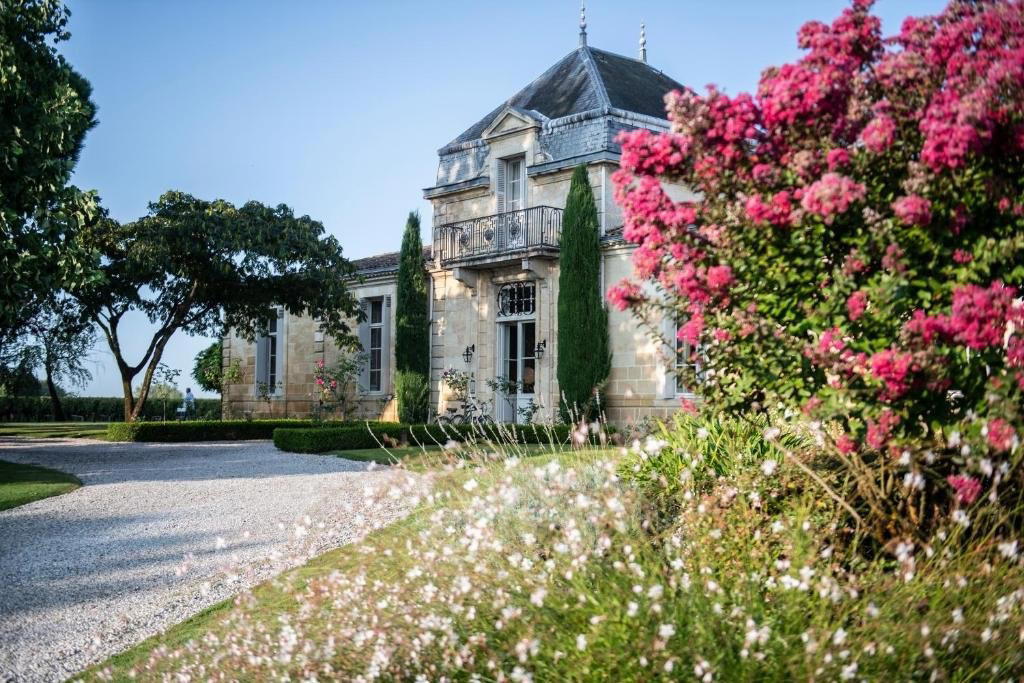
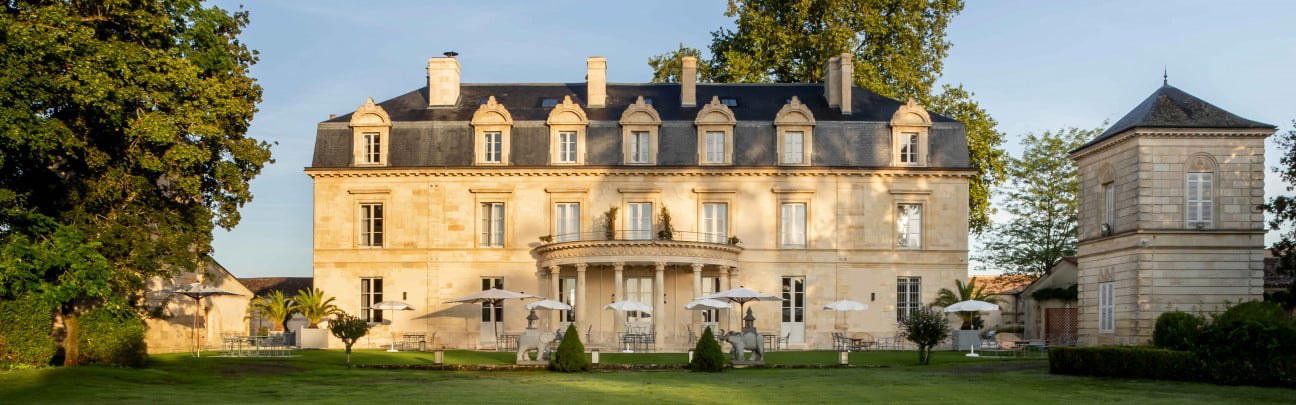
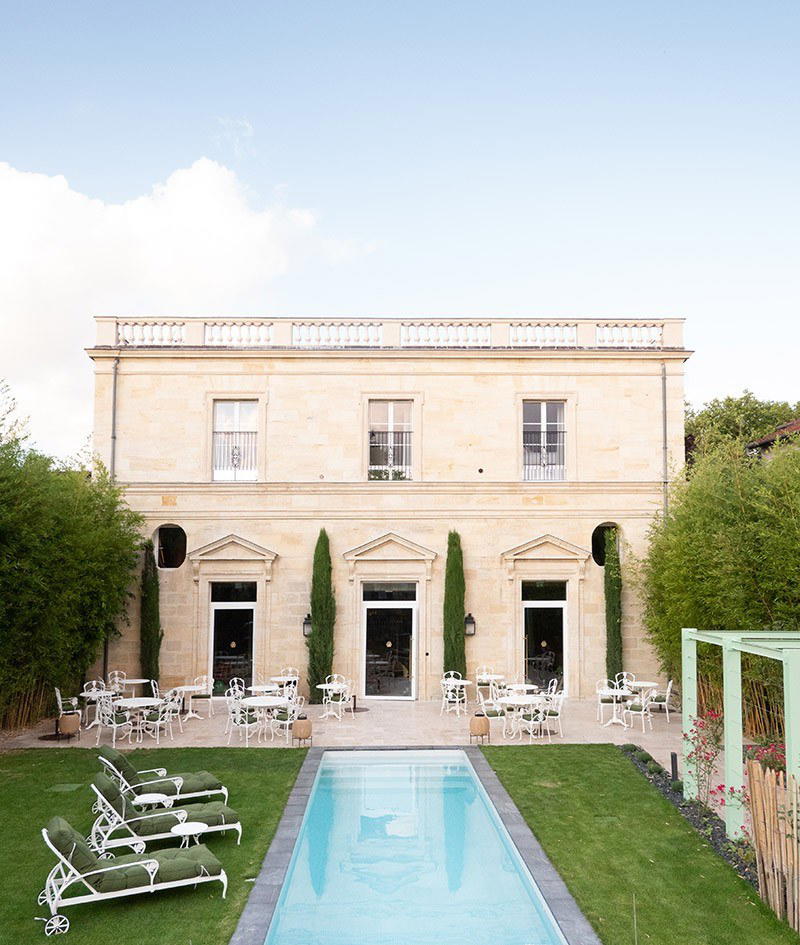
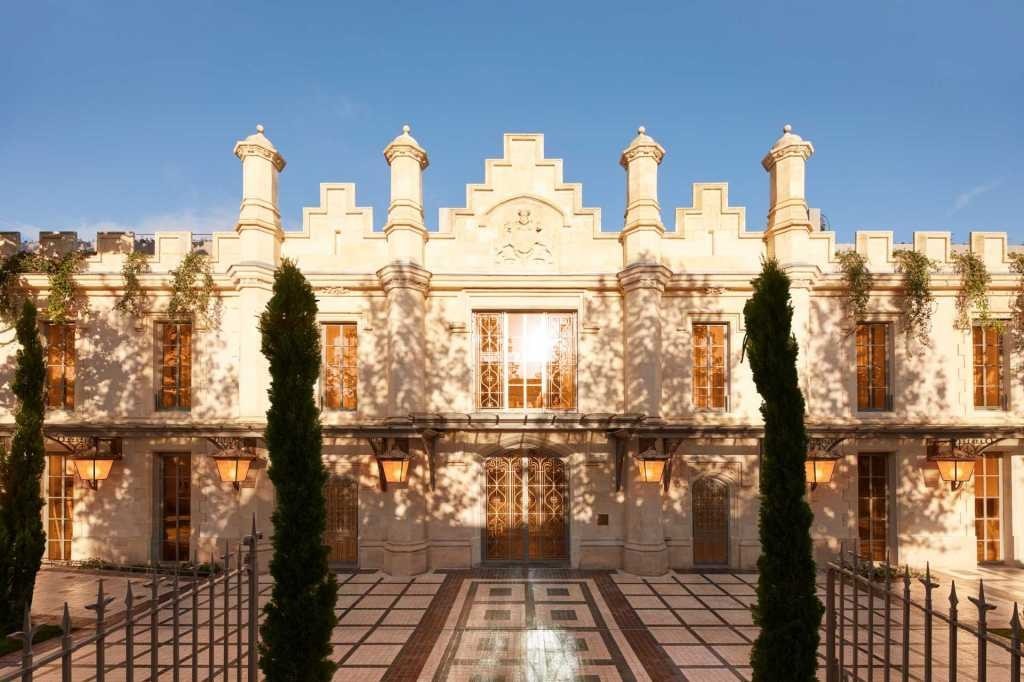
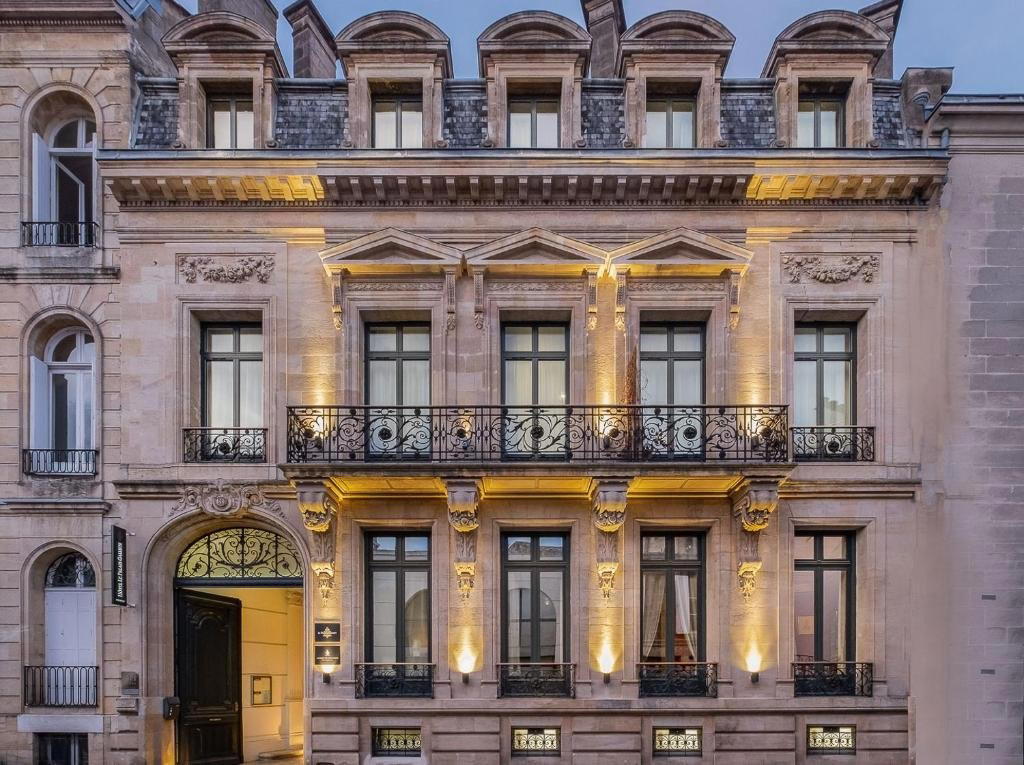
Saint-Laurent-Médoc has the calm of a Bordeaux wine setting, and Château Peyrat-Fourthon fits that mood as a quiet, scenic, rustic estate. The appeal is atmospheric rather than detail-heavy: a classic Bordeaux wine estate feel, an organic, terroir-focused impression, and a hidden-gem character in Saint-Laurent-Médoc. It is the sort of place best approached through its setting and tone, not through a long checklist of asserted features. In that sense, the estate’s charm comes from its understated presence: calm, rooted, and more suggestive than promotional.
For readers planning a visit, the safest way to frame Château Peyrat-Fourthon is as a classic, understated wine-estate stop rather than a venue defined here by claims about specific grapes, production methods, visitor formats, awards, menus, or amenities. The available confirmed details support a simple picture: a quiet Bordeaux estate atmosphere in Saint-Laurent-Médoc with a grounded, terroir-minded feel. That clarity is useful in itself, especially for travelers who prefer an honest sense of what is known over a polished list of promises.
The Saint-Laurent-Médoc estate register
Rather than overstate those points, the reliable editorial note is the estate’s classic, scenic and rustic atmosphere. The emphasis should remain on the broader register of place: Bordeaux wine country, a quiet estate setting, and the kind of terroir-minded impression that suits a slower visit.
That makes Château Peyrat-Fourthon best understood as a quiet Saint-Laurent-Médoc estate for visitors who value setting and a terroir-focused sensibility. Its listed price level is $$, and its feel is more low-key and estate-driven than glossy or theatrical. Nothing in the confirmed description asks for exaggeration; the mood is enough. It reads as a venue whose appeal lies in the way it belongs to its surroundings, rather than in a heavily packaged visitor narrative.
Anyone looking for highly specific tasting information, current bottles, access conditions, or technical wine details should confirm those directly before planning around them. That step is especially important for a listing like this, where the editorial picture is intentionally restrained. Treat the estate as a promising atmospheric stop, then verify the practical details that matter to your particular visit.
A quiet Saint-Laurent-Médoc estate frame
The winery’s confirmed identity is rooted in place and atmosphere: Saint-Laurent-Médoc, classic Bordeaux wine-estate calm, and a quiet, scenic, rustic feel. This is the kind of listing where restraint matters; claims about founding dates, classifications, awards, ownership, exact programming, or production specifics should not be treated as established facts. The better reading is simpler and more durable: a Bordeaux estate presence with a hidden-gem character, suitable for those drawn to a quieter wine-country mood.
In practical terms, the estate reads as a hidden-gem option within Saint-Laurent-Médoc for travelers interested in a grounded wine-country setting. The description points to an organic, terroir-focused feel rather than a detailed public record of services or amenities. That distinction matters, because an impression of terroir and place is not the same as a list of what a visitor can book, taste, eat, or access on a given day.
Because confirmed details are limited, visitors should avoid assuming lunch service, food pairings, outdoor seating, group programming, delivery, takeout, accessibility features, or dietary accommodations unless those are confirmed directly with the venue. The same cautious approach applies to any expectation about the structure of a visit. If those details are important, they should be checked in advance rather than inferred from the estate’s general wine-country atmosphere.
How to place it within a Saint-Laurent-Médoc itinerary
Saint-Laurent-Médoc works well when approached through its Bordeaux wine-estate atmosphere, and the winery can be considered for that quiet sense of place. For nearby planning, compare it generically with other Saint-Laurent-Médoc dining, wine and hospitality options rather than relying on claims about specific peer venues. It belongs most naturally in an itinerary shaped by mood, landscape and understated estate character, not by a need to tick off highly specific services that are not confirmed here.
The reason to include the winery is its confirmed sense of place: classic, quiet, scenic and rustic, with an organic, terroir-focused feel. It is not necessary to attach rankings, scores, grape details, historic claims or visitor-service promises to make the case. In fact, the listing is stronger when kept clean and precise. It gives readers a reliable frame: a low-key Bordeaux estate impression in Saint-Laurent-Médoc, with enough atmosphere to justify consideration and enough uncertainty to merit direct confirmation.
The editorial case for the winery is concise: choose it if you want a low-key Saint-Laurent-Médoc wine-estate atmosphere at a $$ price level, with a hidden-gem feel and a terroir-minded Bordeaux sensibility. Go for the quietness, the rustic scenic character, and the sense of being in a classic wine-country setting. For anything more specific, from tastings to amenities, let direct venue confirmation guide the final plan.
Recognition history
Dated appearances from independent guides and award organizations, with the underlying list record or original source where available.
Falstaff Winery - Listed
Falstaff
Continue exploring
More in Saint-Laurent-Médoc
Wineries in Saint-Laurent-Médoc
Browse all →

Bars in Saint-Laurent-Médoc
Browse all →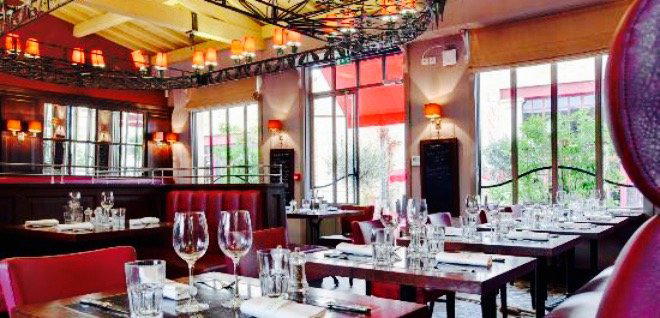
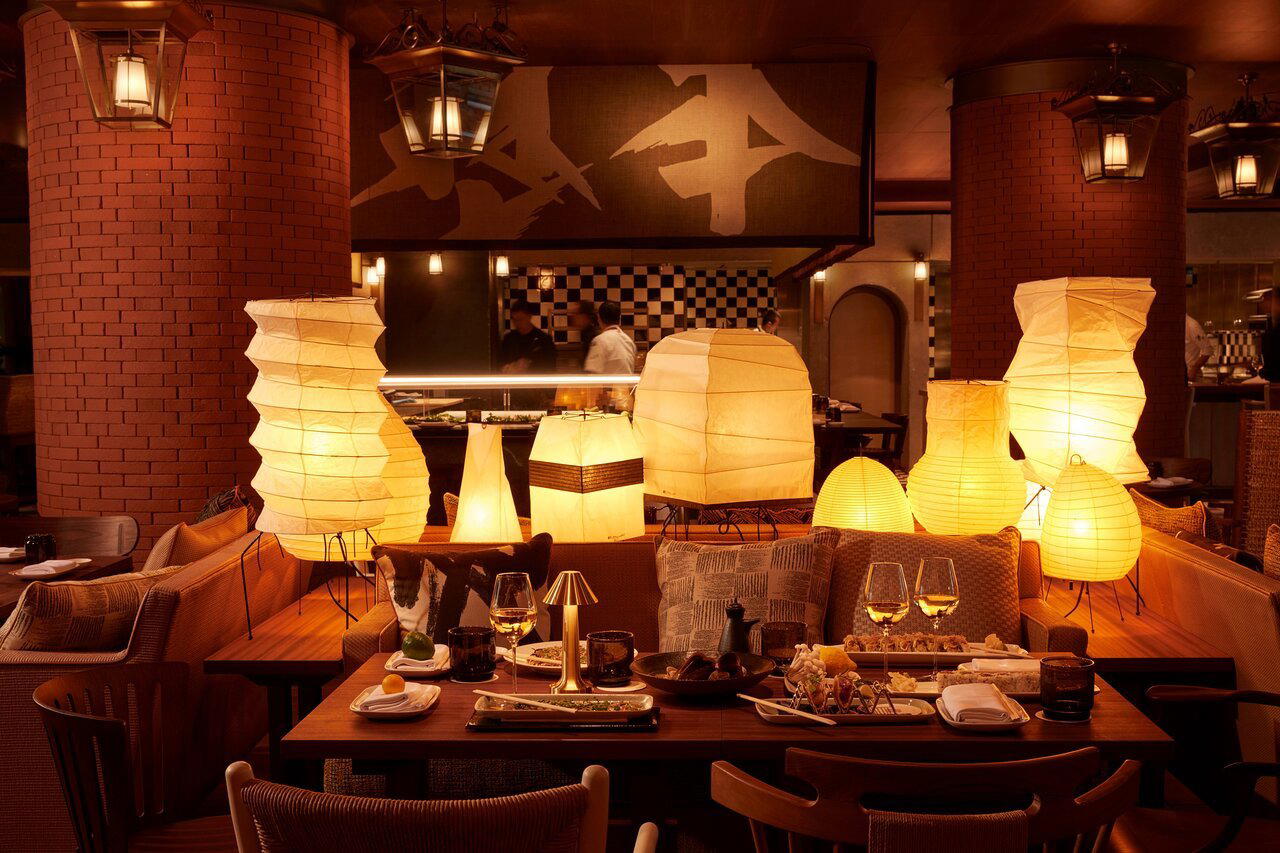

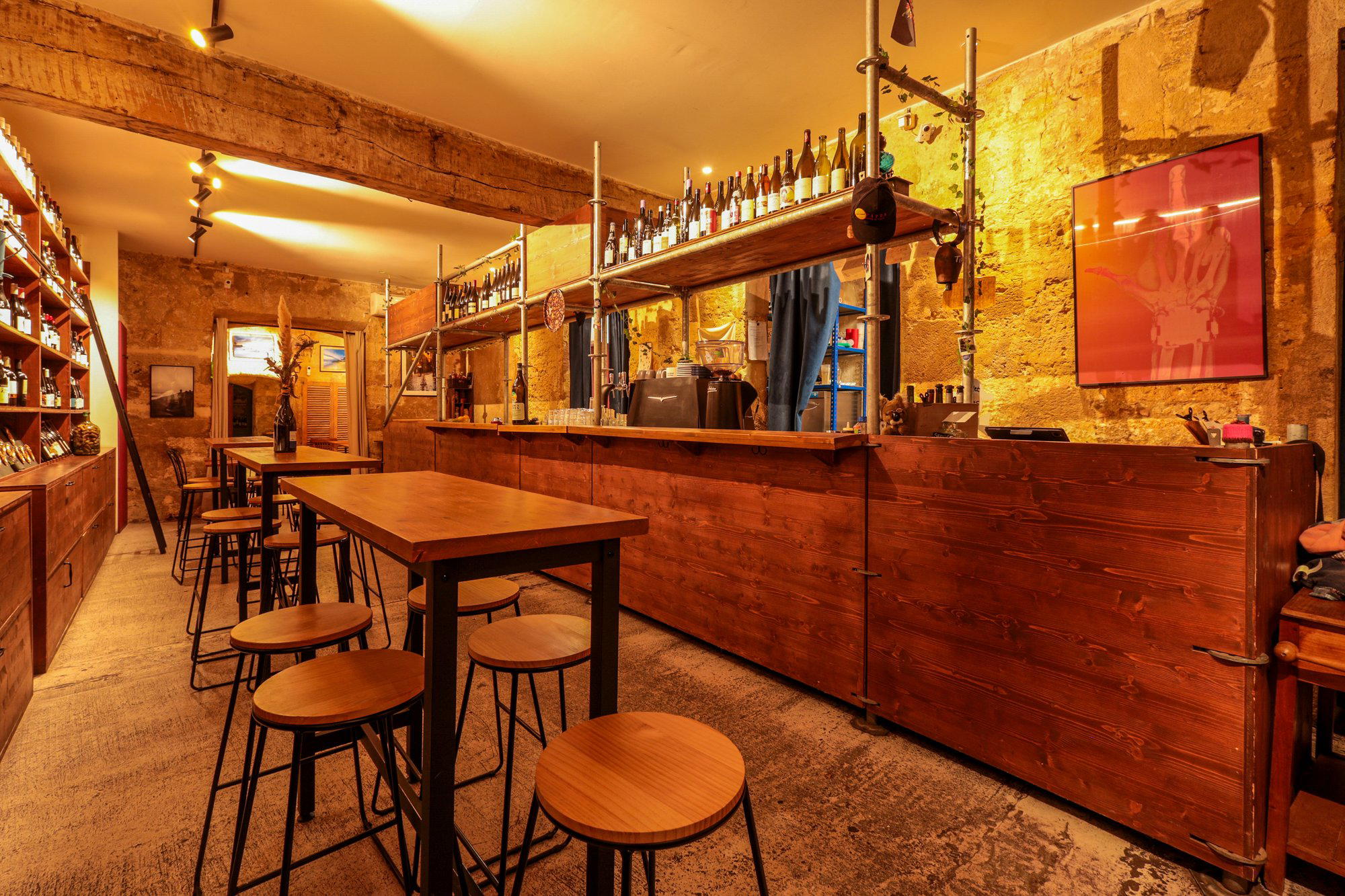
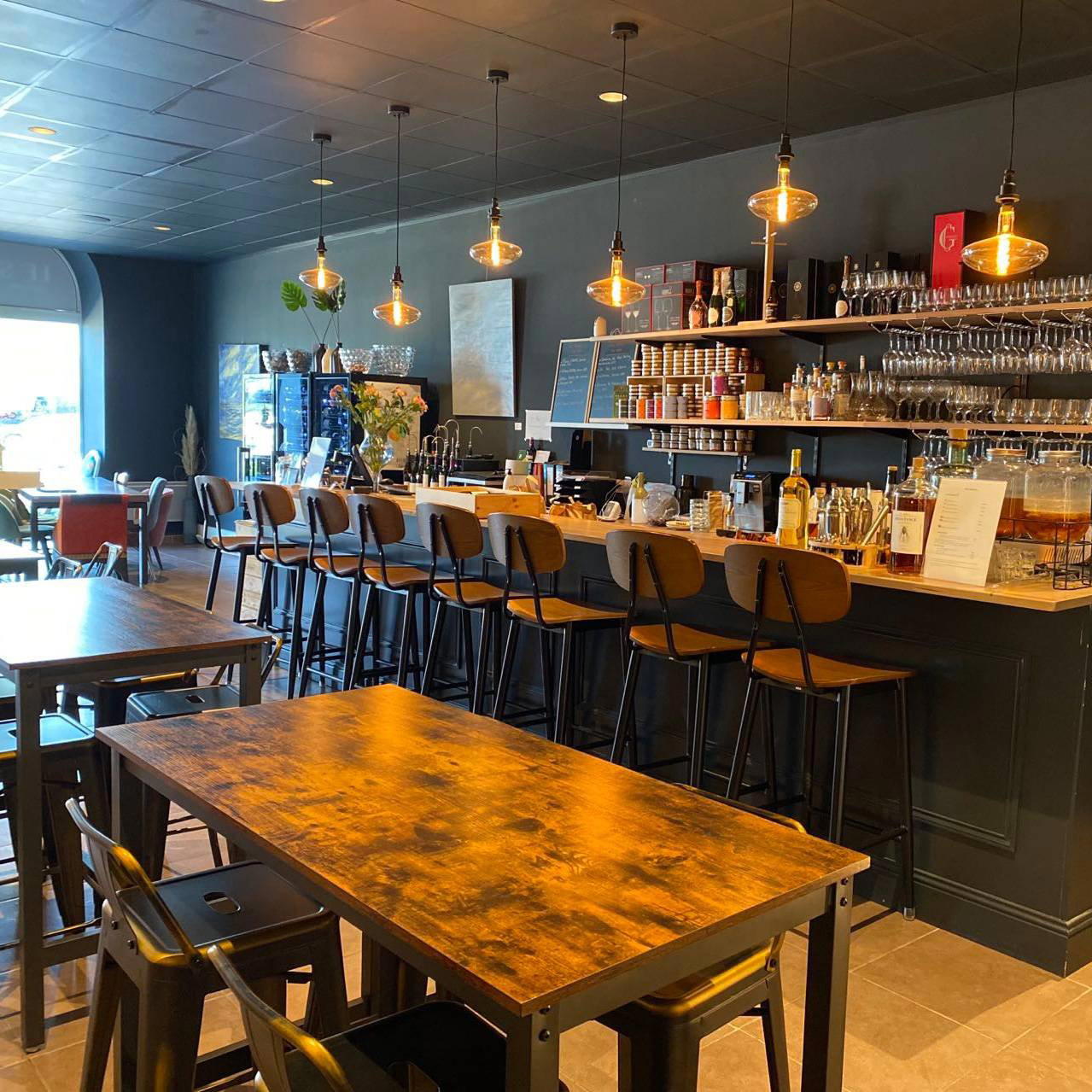
Restaurants in Saint-Laurent-Médoc
Browse all →

At a Glance
- Classic
- Quiet
- Scenic
- Rustic
- Wine Education
- Special Occasion
- Group Outing
- Historic Building
- Estate Grounds
- Organic
- Vineyard
- Haut Médoc AOC
- Cabernet Sauvignon
- Merlot
- Petit Verdot
- Still Red
- Guided Tasting
Classic Bordeaux wine estate atmosphere with an organic, terroir-focused feel.