Château Peyrabon

Château Peyrabon is a Left Bank Médoc estate in Saint Sauveur with roots in 1766, a Renaissance-style château, and Cabernet Sauvignon-led red wines under the Haut-Médoc AOC. Its appeal is terroir rather than theatre: gravel, clay, sand, limestone, quiet grounds, and a Cru Bourgeois Supérieur classification frame the experience.
Pearl is the En Primeur Club membership app — saves, bookings, and concierge access live there. Same editors, same standards.
- Address
- Saint-Sauveur, Haut-Médoc, Center-Val de Loire, Frankreich
- Directions
- Get directions
 Saves & bookings on Pearl
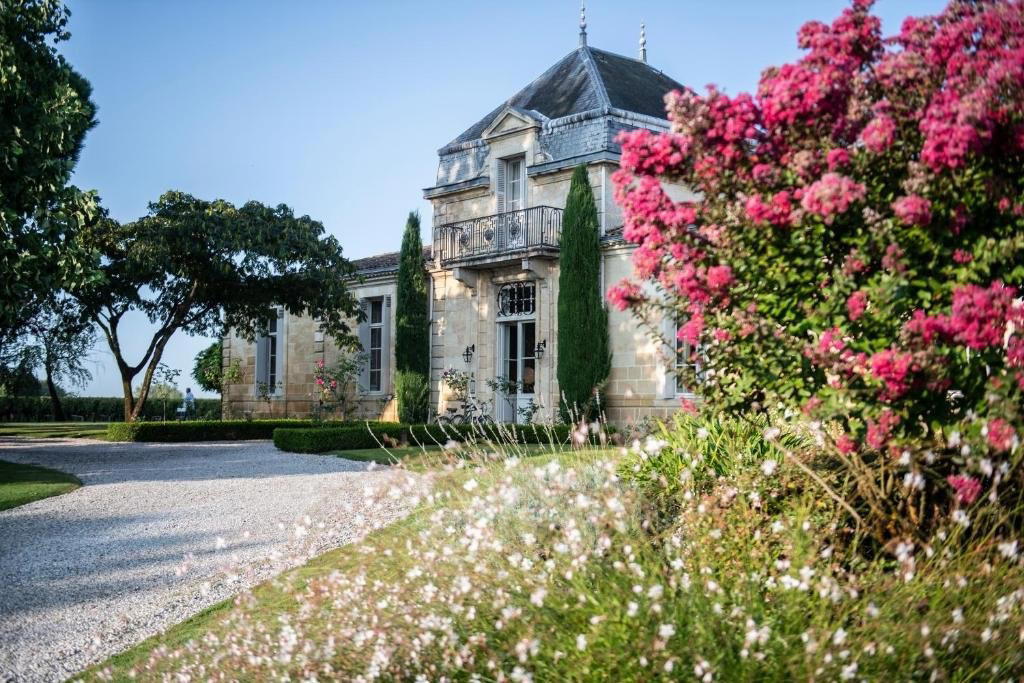
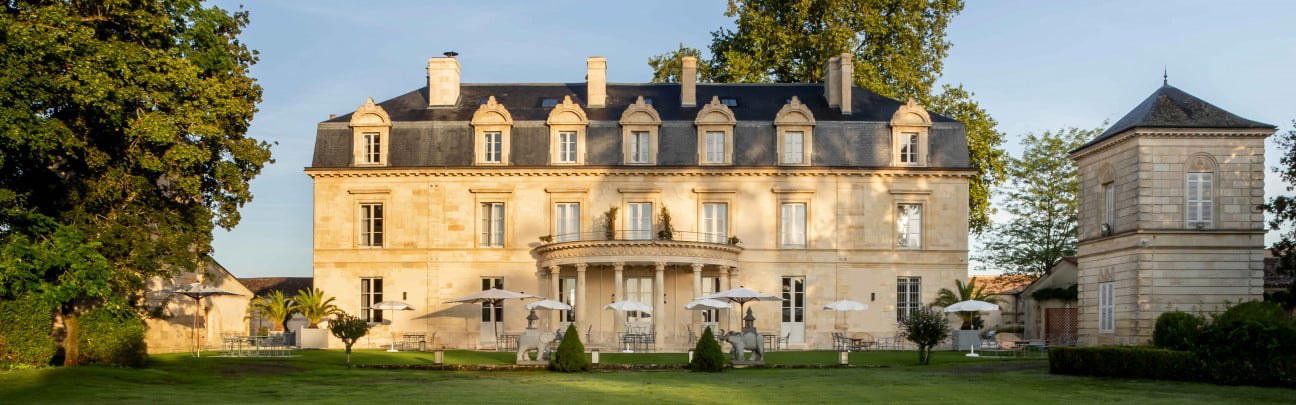
Château Peyrabon in Saint Sauveur is best presented through the essentials: a historic Left Bank Médoc wine estate set amid its own vineyards, approached by a tree-lined drive and anchored by a Renaissance-style château. The confirmed character is traditional and tranquil, with the emphasis on classic Bordeaux craftsmanship rather than tourism-driven design. That is enough to define the venue without adding unsupported claims about classifications, exact plantings, vintages, scores, visitor formats, ownership, acreage, or cellar details. In other words, the appeal here comes from the estate’s setting and tone, not from a long list of amenities or a narrative that goes beyond what can be verified.
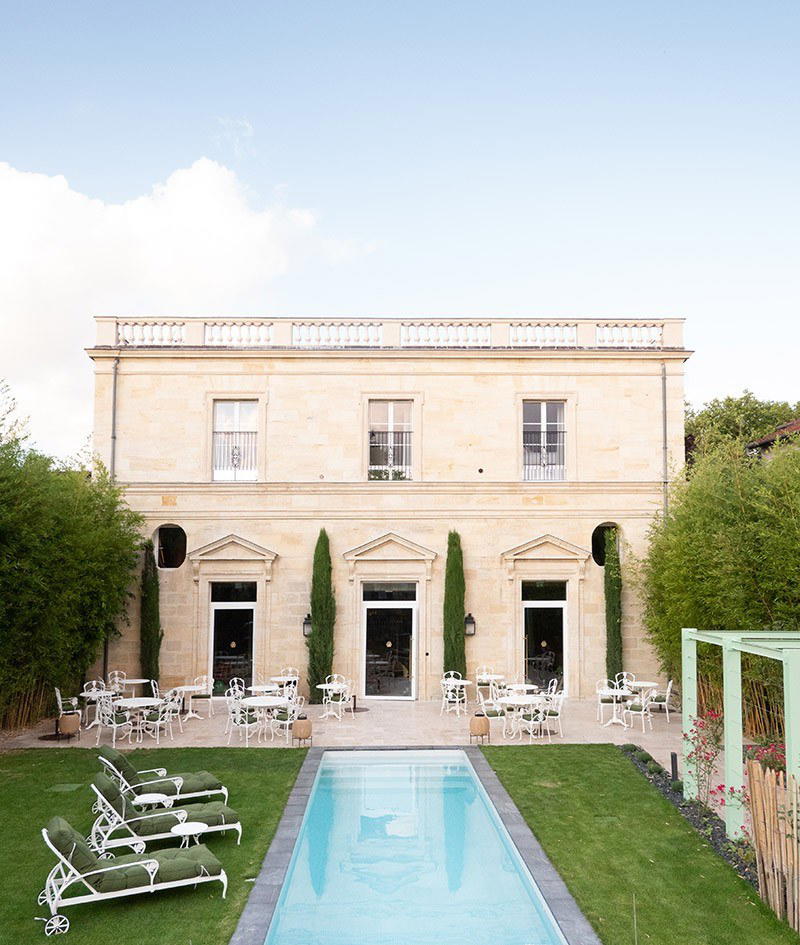
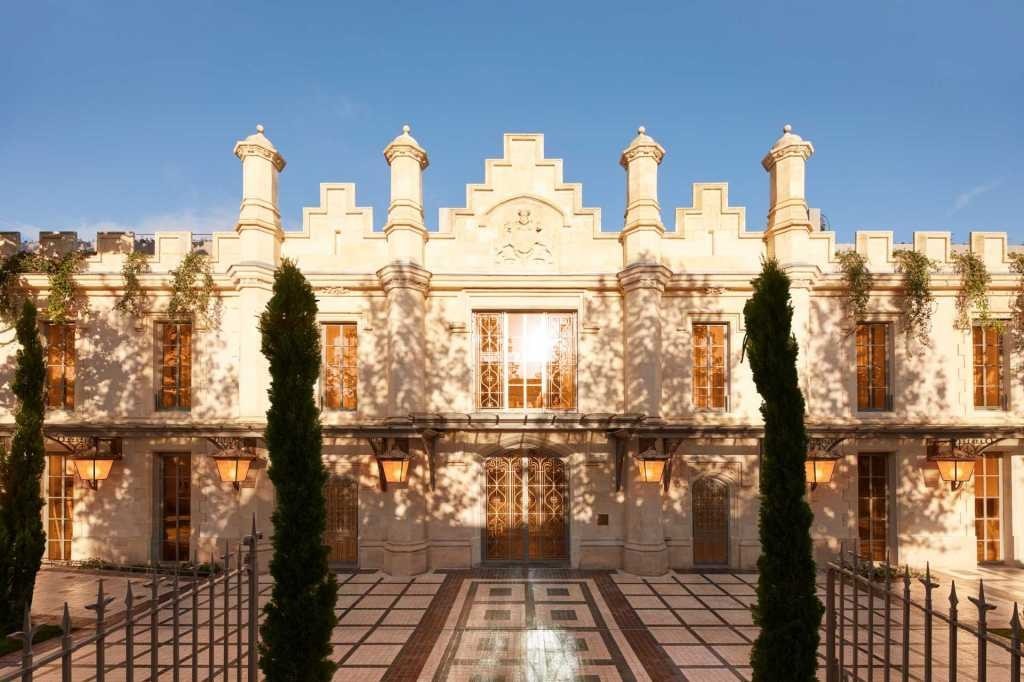
For EP Club readers, the important distinction is that Château Peyrabon should not be treated as a restaurant, hotel, bar, or entertainment venue. It is a wine estate in Saint Sauveur, and the profile points to atmosphere, setting, and regional identity.
A Left Bank Médoc estate with a traditional atmosphere
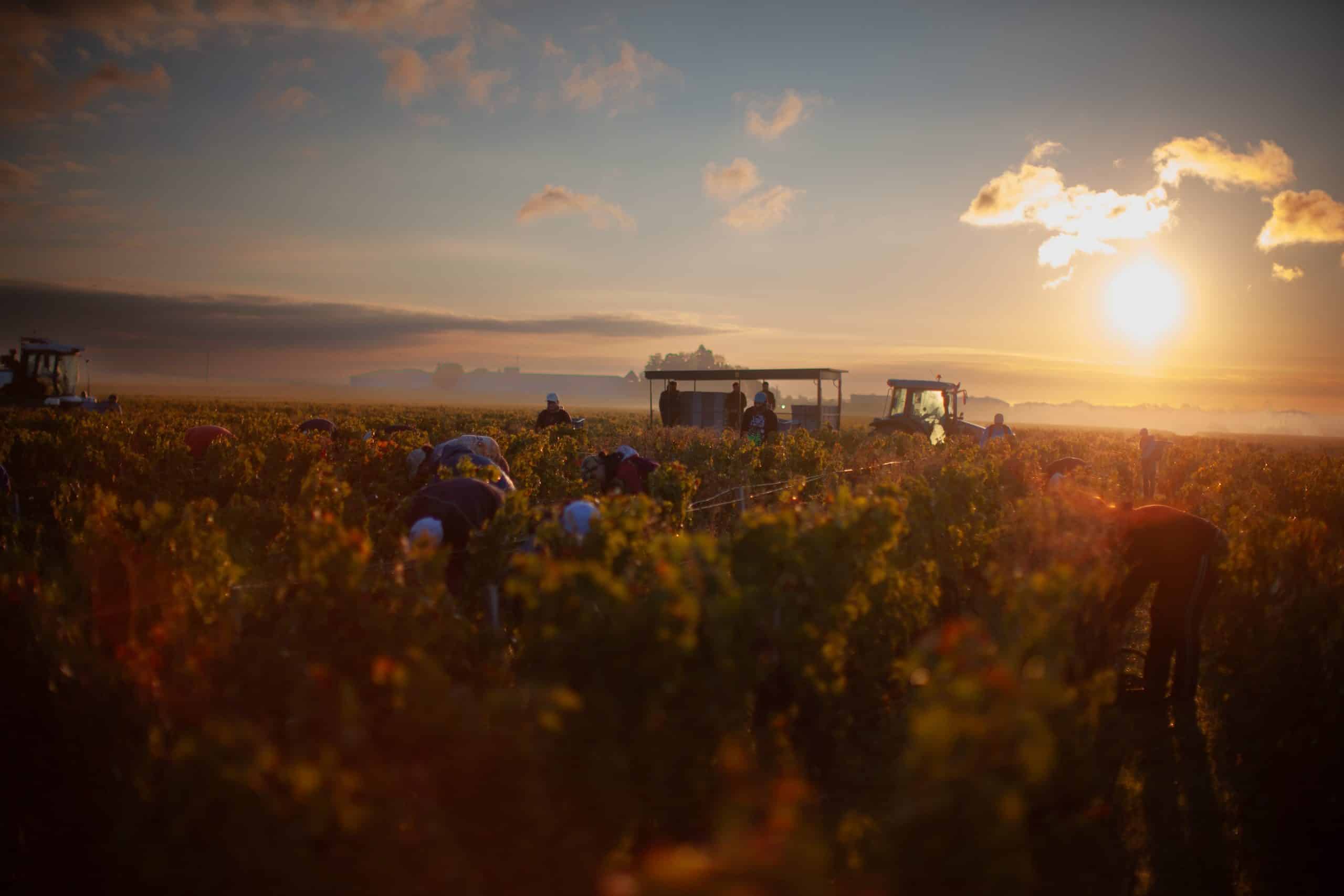
The strongest description of Château Peyrabon is physical and atmospheric. The estate sits among its own vineyards, with a château setting that feels rooted in the older visual language of the Médoc. The Renaissance-style building and tree-lined drive give the property a historic frame, while the surrounding vines keep the focus on wine rather than on a purely decorative hospitality concept. The result is a sense of place that is immediately legible: château, approach, vineyard, and calm, all working together to express a classic Left Bank identity.
That matters because many wine-region visits are marketed through lifestyle cues: architecture, design, dining, retail, or event programming. For the winery, the confirmed identity is quieter. The estate is described as traditional and tranquil, focused on classic Bordeaux craftsmanship. This allows a useful, accurate reading: the draw is not a high-energy visitor circuit or a heavily staged experience, but the sense of a working Left Bank Médoc property whose setting supports the wine-estate identity. The château and vineyards provide enough context for readers to understand why the estate belongs in a Médoc conversation, while still leaving room for direct verification of any practical or wine-specific details.
What, and what is not
Those may exist in other sources, but they are not part of the confirmed data and therefore should not be stated as fact here. Omitting those details is not a weakness; it keeps the profile accurate and prevents the estate from being described through assumptions.
The same caution applies to hospitality details. It should not be read as a confirmation of opening arrangements, tastings, dining, accommodation, or event availability.
This restrained approach is intentional. In this case, the confirmed substance is still meaningful: the winery is a Saint Sauveur wine estate with its own vineyards, a Renaissance-style château, a tree-lined approach, and a calm, traditional atmosphere associated with classic Bordeaux craftsmanship. Those elements give the listing a clear shape while avoiding the temptation to overstate what is known.
How to read Château Peyrabon in a Saint Sauveur wine itinerary
In a Saint Sauveur itinerary, the winery is best understood as a historic Médoc reference point rather than as a venue defined by dining, nightlife, or hotel amenities. It belongs in planning for travelers who want a quieter wine-estate setting and who value the visual and cultural markers of the Left Bank: vineyards around the property, a château presence, and an atmosphere shaped by tradition. As part of an itinerary, its role is therefore contextual as much as practical: it helps define the local wine landscape through setting, architecture, and a traditional sense of place.
The practical next step is simple: use the winery as a grounded Saint Sauveur wine-estate candidate, then verify current access and any visit conditions directly before traveling. That keeps planning realistic and respects the difference between a confirmed estate profile and a fully detailed visitor guide.
For wider planning, other dining or hospitality choices in Saint Sauveur should be considered separately and described on their own confirmed facts.
Recognition history
Dated appearances from independent guides and award organizations, with the underlying list record or original source where available.
Falstaff Winery - Listed
Falstaff
Continue exploring
More in Saint Sauveur
Wineries in Saint Sauveur
Browse all →
Bars in Saint Sauveur
Browse all →

Restaurants in Saint Sauveur
Browse all →


At a Glance
- Classic
- Scenic
- Elegant
- Romantic
- Rustic
- Wine Education
- Group Outing
- Romantic Getaway
- Solo Exploration
- Vineyard Tour
- Estate Grounds
- Historic Building
- Vineyard
- Garden
- Haut Médoc AOC
- Cabernet Sauvignon
- Merlot
- Cabernet Franc
- Petit Verdot
- Still Red
- Estate Tasting
- Vineyard Tour
Historic Left Bank Médoc wine estate set amid its own vineyards with a Renaissance-style château and tree‑lined drive, offering a traditional, tranquil atmosphere focused on classic Bordeaux craftsmanship rather than tourism-driven design.