Château Maucaillou

Falstaff Winery - 2 Stars
Château Maucaillou gives Moulis-en-Médoc a classical Left Bank reference point: gravel soils, Cabernet-Merlot structure, château architecture, cellar culture, and a museum-style visit rather than a purely transactional tasting. The estate’s 2019 wine drew 92 points from Wine Enthusiast and 91 from Decanter, while its wider appeal lies in showing how this smaller Médoc appellation turns so-called difficult stone into disciplined Bordeaux red.

Pearl is the En Primeur Club membership app — saves, bookings, and concierge access live there. Same editors, same standards.
- Address
- Moulis-en-Médoc, Nouvelle-Aquitaine, Frankreich
- Directions
- Get directions
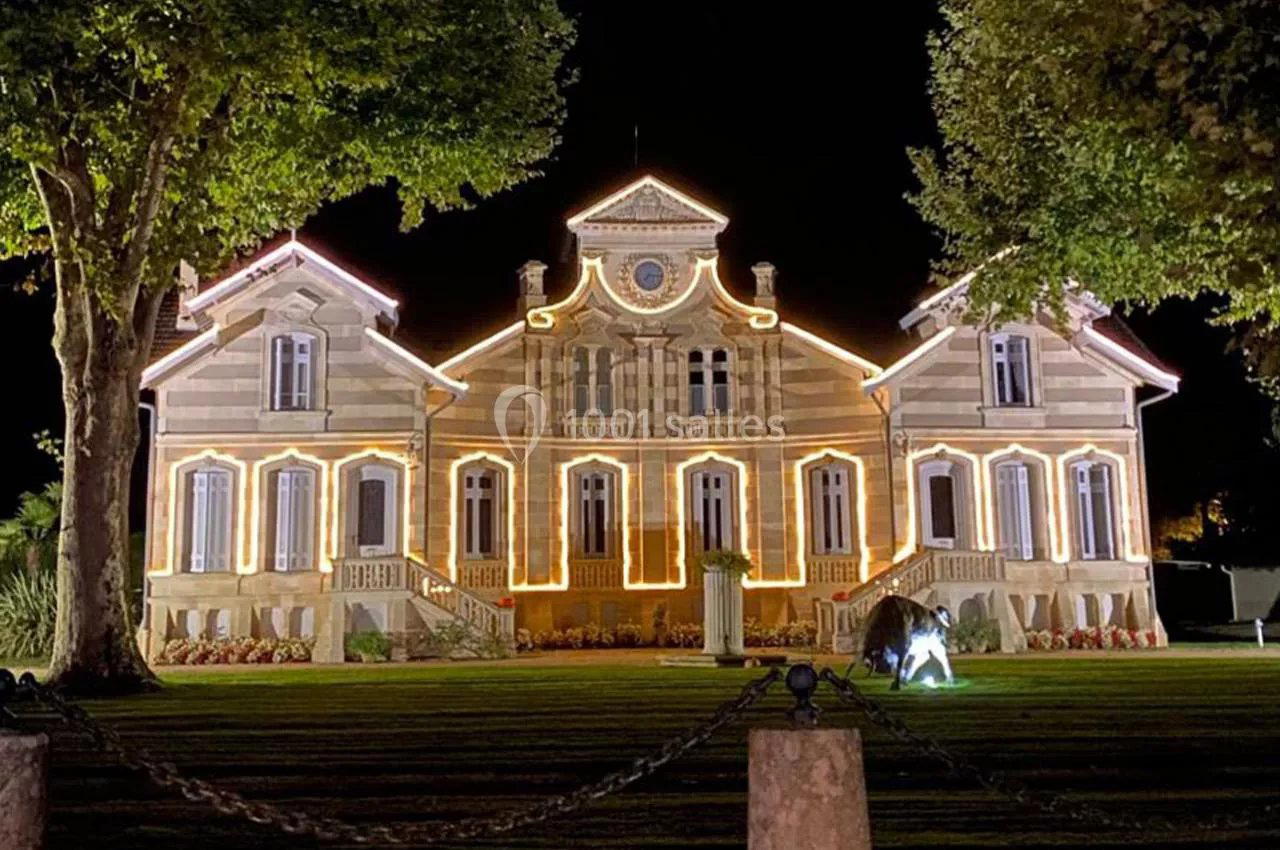
Approaching a Médoc château, the first lesson is often geological rather than architectural. Gravel sits close to the surface, the vines read the drainage before the visitor reads the label, and the cellar visit becomes a practical explanation of why the Left Bank has spent centuries trusting poor-looking ground. At Château Maucaillou, that lesson is unusually literal: the name is tied to “mauvais caillou,” bad stone, a local phrase for the gravel that looked inhospitable before it became the estate’s defining asset.
Moulis-en-Médoc occupies a quieter place in Bordeaux conversation than the heavily traded communes farther up and down the Left Bank, but that is part of its value for serious visitors. The appellation was created as an AOC in 1938 and covers 630 hectares, a scale that makes its producers easier to read through soil, blend, and house style rather than through spectacle. Maucaillou’s blue and pink gravel deposits give the visit a clear through-line: drainage, heat retention, ripeness, structure, then barrel age.
Bad stone, Cabernet structure, and the Moulis argument
The estate’s red Bordeaux blend is built primarily around Cabernet Sauvignon and Merlot, with Petit Verdot and Cabernet Franc in the frame. That choice places it squarely inside the Left Bank grammar, but Moulis tends to speak in a slightly less grandiose register than better-known trading names. The appeal is not theatrical rarity; it is the chance to see how gravel, maritime climate, and conventional Médoc cellar discipline produce a firm, age-minded red without turning the visit into a luxury performance.
Production scale matters here. Maucaillou is associated with 450,000 bottles a year, so this is not a tiny artisan address where scarcity supplies the argument. The credibility comes instead from continuity and recognisable house parameters: estate-grown fruit, modern temperature-controlled stainless steel tanks, barrel ageing for a minimum of 18 months, and egg-white filtration, a traditional Bordeaux clarification method. Those details give the wine its place in the region’s mainstream rather than in an experimental niche.
The estate’s critical signals are strongest around the 2019 vintage in 1.5-litre format: 92 points from Wine Enthusiast, 91 from Decanter, and 90 from both James Suckling and Vinous. Scores alone never explain a château, but they help position Maucaillou as a serious Moulis reference for drinkers who want Left Bank structure without treating the appellation as a secondary afterthought. The portfolio also extends beyond the grand vin to N°2 de Maucaillou, Haut-Médoc de Maucaillou, and B par Maucaillou, a Sauvignon Blanc-based Bordeaux Blanc.
A château visit built around tools, cellars, and wine education
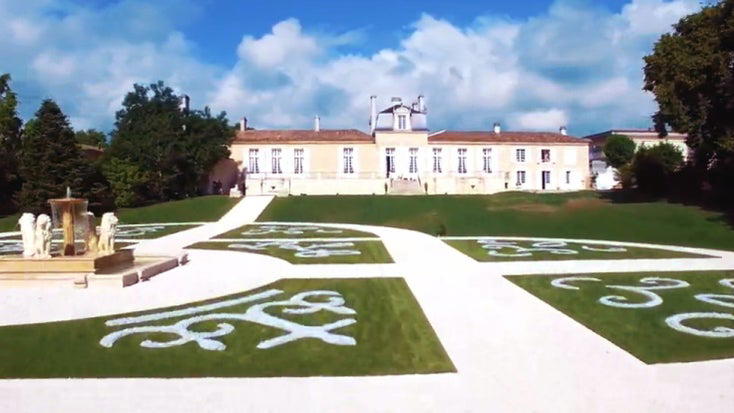
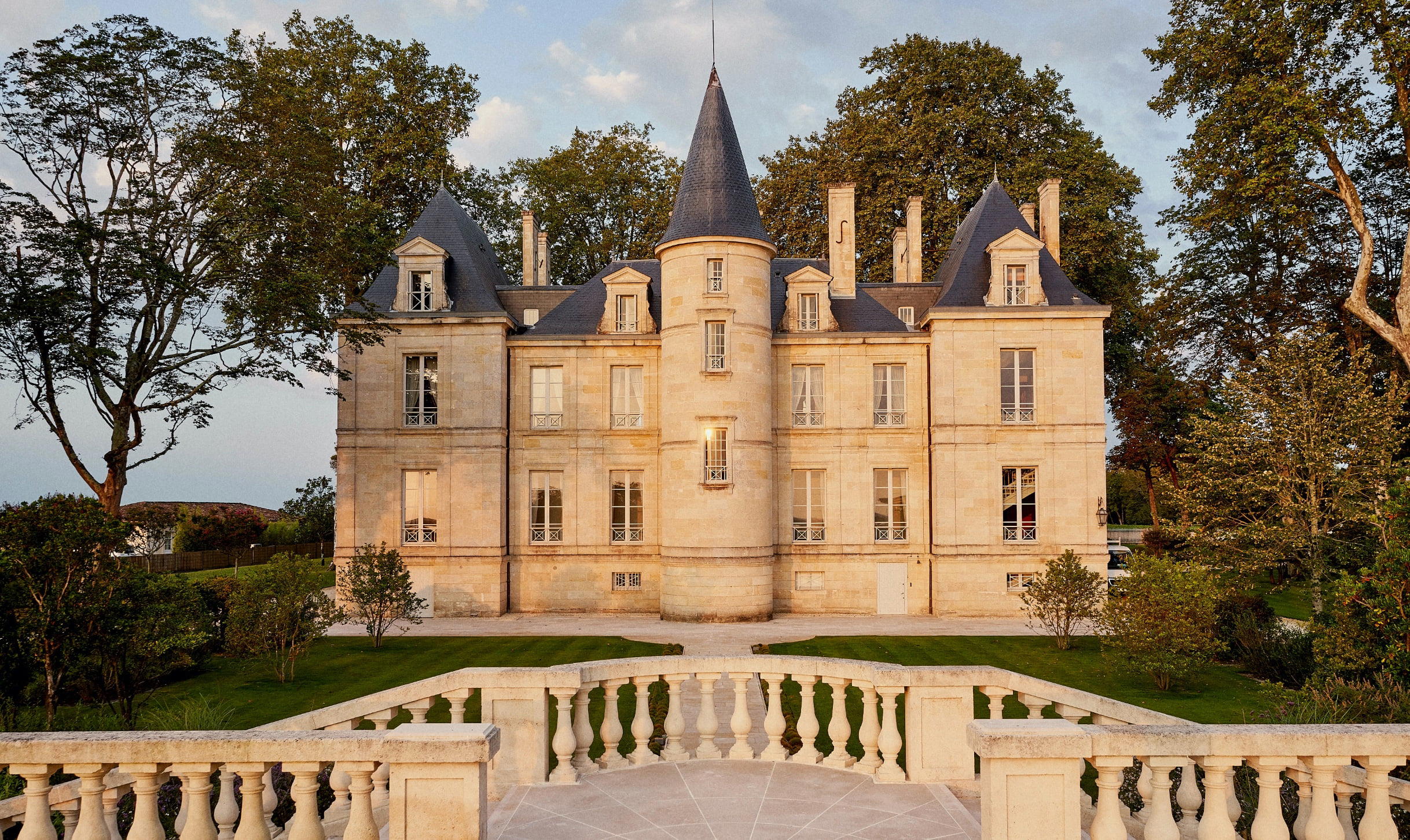
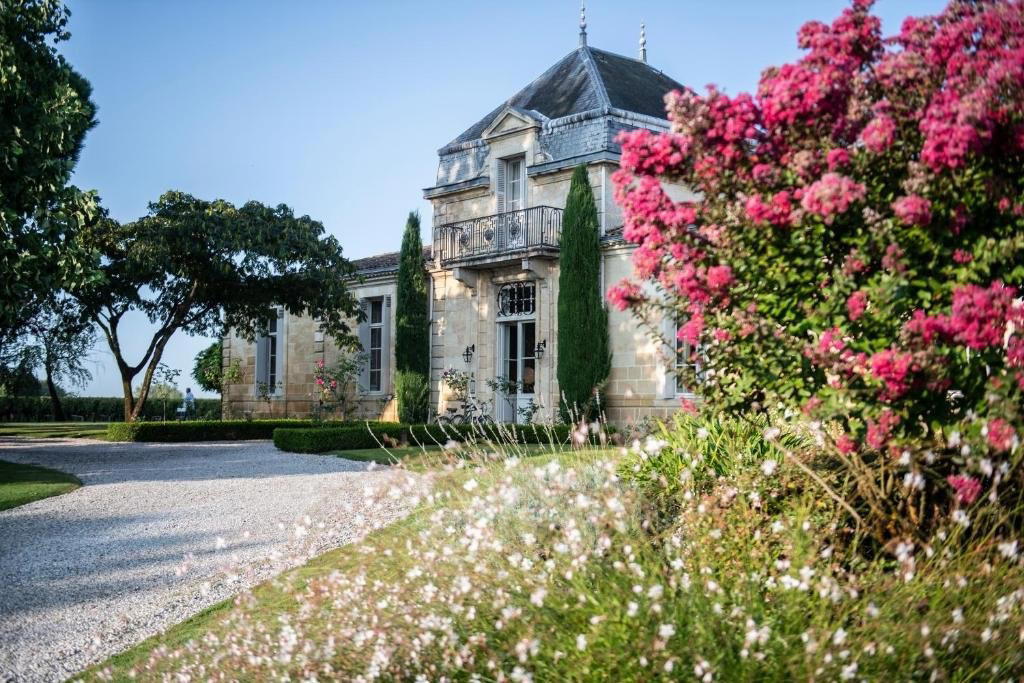
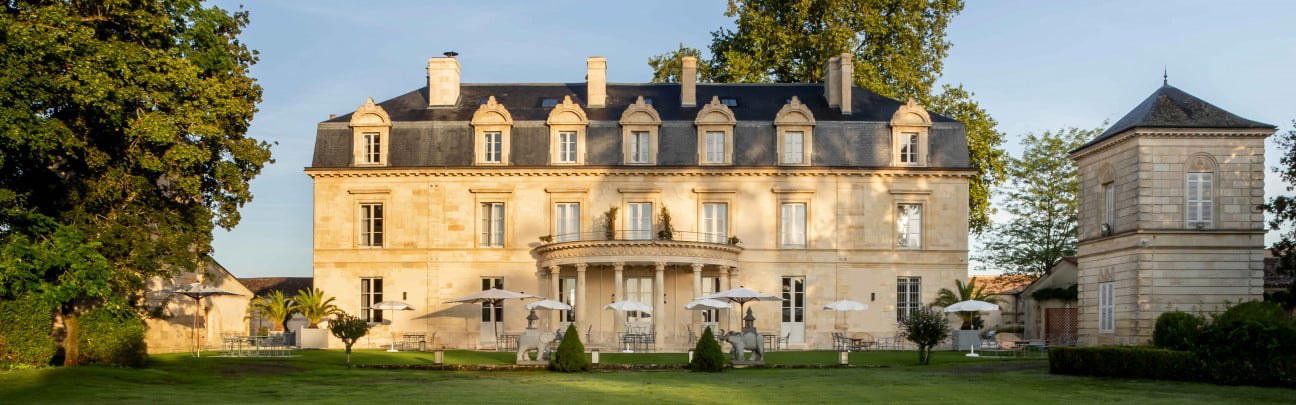
The hospitality format leans into the estate’s museum-like character. This is a château experience with wine tools, cellar culture, guided tasting, and heritage architecture in view, rather than a restaurant-led winery or a design-led tasting salon. The château dates from the late nineteenth century, the estate was founded in 1871 by the Petit-Laroche family, and the Dourthe family has owned it since 1929. That lineage is useful because it connects the visit to Bordeaux’s négociant culture as much as to vineyard ownership.
Educational emphasis is concrete. One tour format covers the winemaker’s work, grape varieties, blends, and a tasting of nine wines; another follows the cooperage-to-wine route through barrel making, the vat room, and the winery. The stronger choice for visitors interested in terroir is the format that explains how wood, blending, and cellar work translate gravel-grown fruit into a finished Médoc wine. It keeps the tasting anchored in process rather than lifestyle language.
For a wider Moulis itinerary, the appellation rewards clustering rather than rushing. Nearby EP Club winery pages such as Château Anthonic, Château Biston Brillette, Château Branas Grand Poujeaux, Château Brillette, and Château Chasse-Spleen help frame how the commune’s producers differ in tone and format. For trip planning around the city, use Our full Moulis En Medoc wineries guide, then cross-check Our full Moulis En Medoc restaurants guide, Our full Moulis En Medoc hotels guide, Our full Moulis En Medoc bars guide, and Our full Moulis En Medoc experiences guide.
Where Maucaillou fits in a French wine route
Maucaillou is strongest for travellers who want Bordeaux explained through land and cellar method. It is less about chasing allocation theatre and more about understanding how an appellation outside the louder names makes its case through gravel, Cabernet-led structure, and family continuity. The estate marked its 150th anniversary in 2025, a useful reminder that Moulis’ appeal comes from durable agricultural identity rather than novelty.
Seen within a broader French and European winery route, Maucaillou plays a specific role: classical Médoc, structured red wine, and château-based education. Champagne travellers might compare the educational contrast with A. Margaine in Villers-Marmery; southern French itineraries can sit it against Abbaye de Fontfroide in Narbonne or Abbotts & Delaunay in Marseillette. For a wider European lens, »der Steiner« Hans Steiner in Podersdorf am See and & Handwein in Mannheim show how different regions turn local climate and cellar format into a visitor experience.
Recognition history
Dated appearances from independent guides and award organizations, with the underlying list record or original source where available.
Falstaff Winery - 2 Stars
Falstaff
Continue exploring
More in Moulis En Medoc
Wineries in Moulis En Medoc
Browse all →
Bars in Moulis En Medoc
Browse all →

Restaurants in Moulis En Medoc
Browse all →
Details
- Classic
- Elegant
- Scenic
- Sophisticated
- Historic
- Wine Education
- Special Occasion
- Group Outing
- Solo Exploration
- Private Tasting
- Historic Building
- Design Destination
- Vineyard
- Cabernet Sauvignon
- Merlot
- Petit Verdot
- Still Red
- Guided Tasting
- Museum Visit
Historic château estate with an elegant, classic wine-tour setting and a museum-like experience centered on wine, tools, and cellar culture.