
Château La Gurgue is a small Margaux estate where the interest lies in gravel, limestone marl, biodynamics, and a red-wine style built around freshness rather than scale. Its 10 hectares, organic and biodynamic certifications, and recurring critic scores in the low-to-mid 90s place it in the serious conversation around non-classified Margaux.
Pearl is the En Primeur Club membership app — saves, bookings, and concierge access live there. Same editors, same standards.
- Address
- 33 Rue de la Tremoille, 33460 Margaux-Cantenac, France
- Phone
- +33 5 57 88 98 32
- Website
- gc-lurton-estates.com
- Directions
- Get directions
 Saves & bookings on Pearl
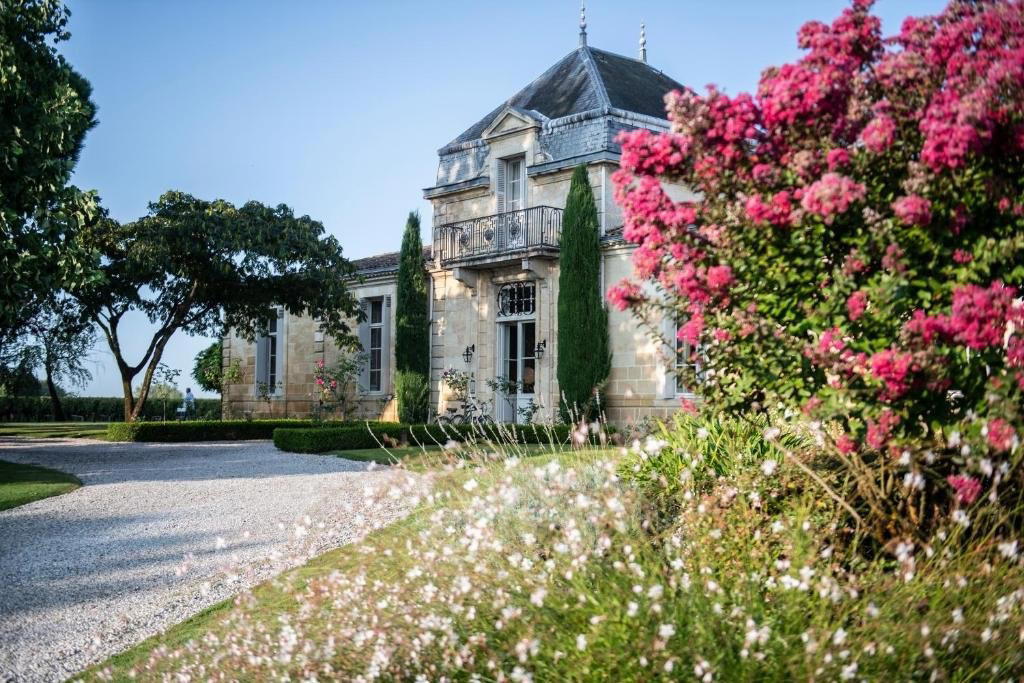
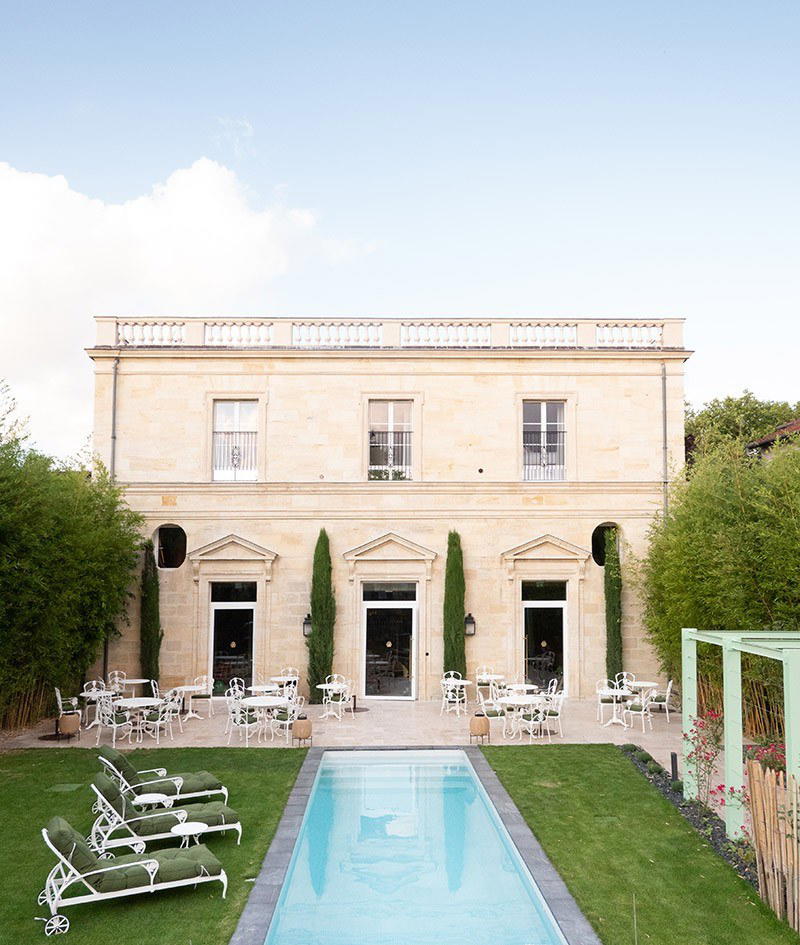
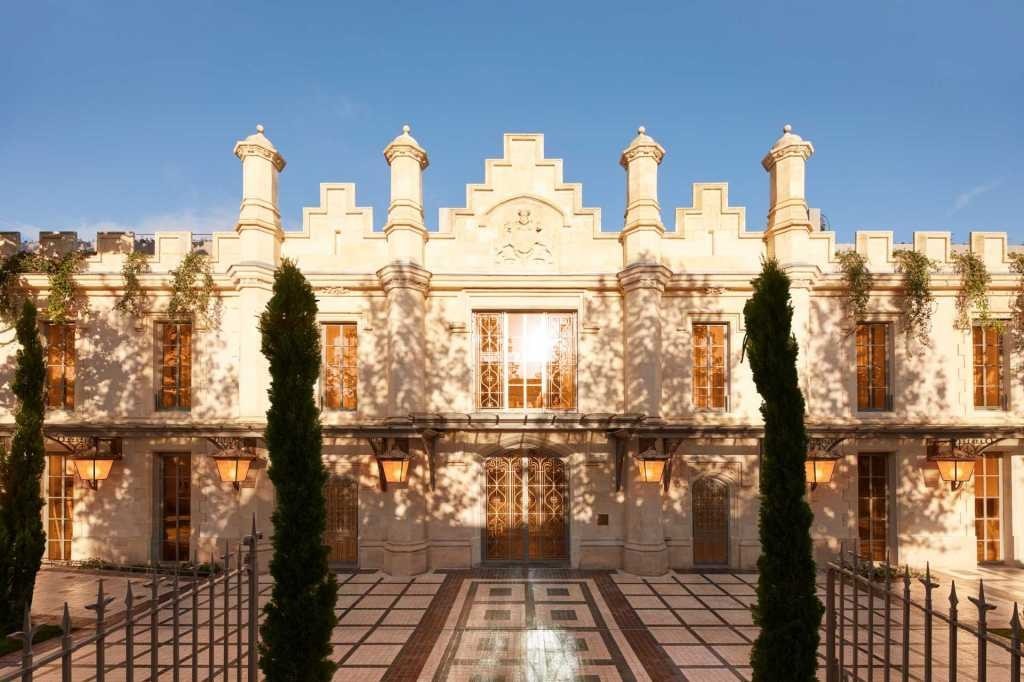
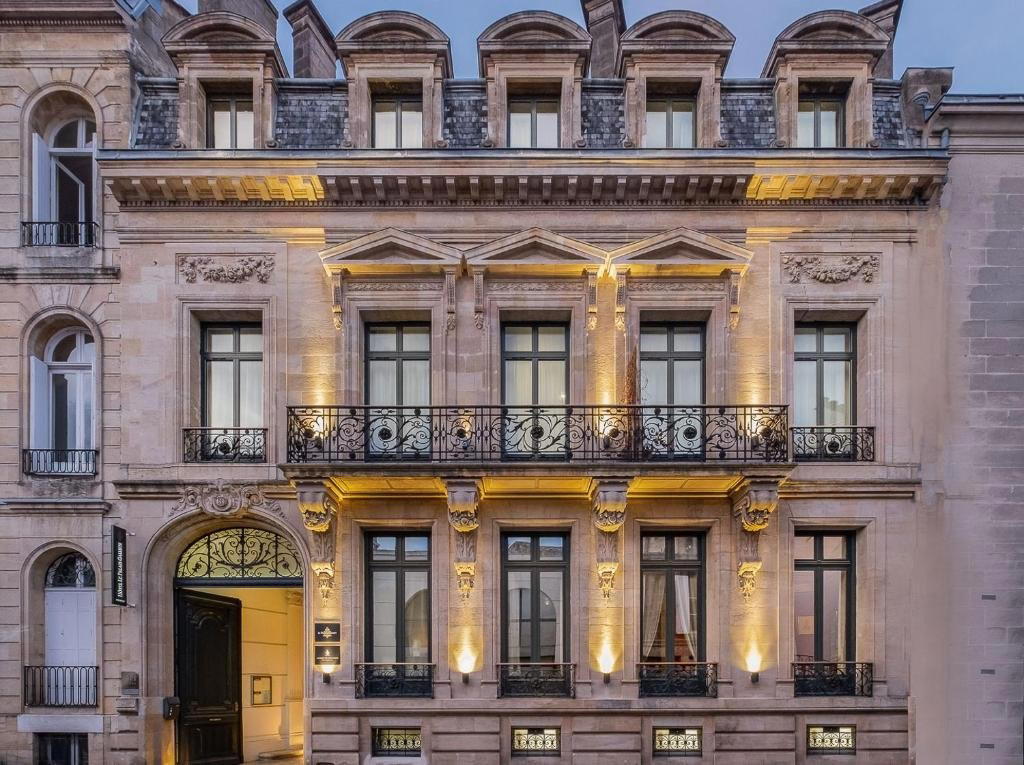
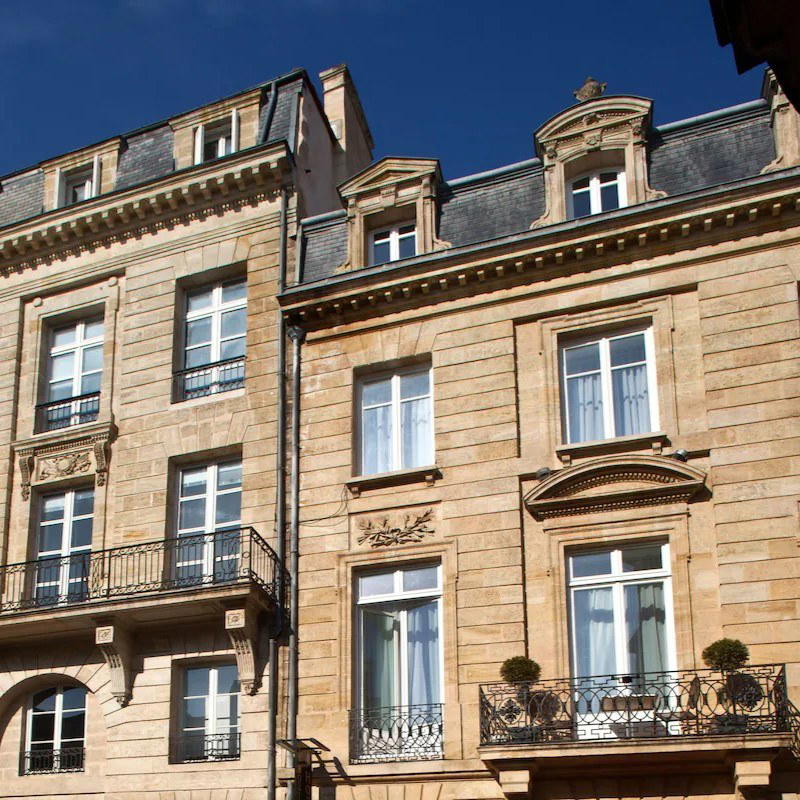
Château La Gurgue in Margaux is best understood as a historic wine estate whose appeal rests on the character of its place rather than on a flashy, design-driven visitor experience. The picture is deliberately focused: this is a Margaux address associated with gravelly terroir, elegant fruit character, refined tannins, and fresh acidity. The language around the estate points toward wines that aim to be seductive yet sincere, with balance and restraint treated as central virtues.
Come to it as a terroir-led estate rather than as a hospitality spectacle. The confirmed description does not support claims about specific visit formats, appointment rules, farming certifications, vineyard size, grape percentages, cellar equipment, critic scores, food service, or a detailed tourism program.
Gravelly terroir and the Margaux question of restraint
Margaux is often discussed through elegance, perfume, and polish, but those ideas are most useful when they are tied back to soil and structure. Château La Gurgue’s identity is built around expressing the beauty of its gravelly terroir. That matters because gravel is one of the classic reference points for the Left Bank’s sense of precision: it suggests drainage, definition, and a style in which fruit, tannin, and acidity should feel composed rather than heavy.
The confirmed tasting language also points away from excess. Château La Gurgue is presented as producing wines with refined tannins, fresh acidity, and elegant fruit character. That is a valuable distinction in Margaux, where grace should not be confused with softness. The estate’s best-grounded profile is about poise: tannins that frame rather than dominate, acidity that keeps the wine alive, and fruit that reads as elegant rather than showy.
Those are the kinds of specifics that can change from source to source and require confirmation. What can be said with confidence is that winery belongs in a Margaux conversation about terroir expression, sincerity, and classic balance.
A historic estate rather than a design-led destination
One important practical correction is one of expectation. The winery should not be positioned here as a resort-like stop, a restaurant, a bar, or a fully described visitor attraction. The description emphasizes a historic Margaux estate focused on wine and terroir, not a polished stage set for elaborate hospitality. That does not make the address less interesting; it simply changes the reason to care.
For wine-focused travelers, that restraint can be the point. Some estates communicate through architecture, branded experiences, or highly produced tasting-room narratives. The winery’s identity is quieter: gravelly terroir, refined tannins, fresh acidity, and elegant fruit. The appeal is in understanding how a Margaux estate can express beauty without leaning on flash.
This also means that planning language should stay conservative. If you are arranging a visit, verify all practical details directly through current official channels rather than relying on assumptions from general wine tourism patterns in the region.
How to read the style
The style markers for the winery are unusually clear even without technical production detail. “Seductive yet sincere” suggests a wine that gives pleasure without feeling manufactured. “Refined tannins” suggests structure handled with care. “Fresh acidity” points to lift and energy. “Elegant fruit character” keeps the emphasis on balance rather than ripeness for its own sake.
Together, those phrases place the winery in a useful lane for Margaux drinkers who value clarity and composure. It is not being described as a maximalist wine address, a luxury visitor complex, or a label built around spectacle. It is being described as an estate where the beauty of the gravelly terroir is the central idea.
That makes it a suitable reference point for readers comparing other dining or wine-related plans in Margaux in a general way. Keep the comparison local and broad: other Margaux options may offer different atmospheres, service models, or levels of hospitality detail, but the winery’s profile is narrower and more wine-centered. Its confirmed price indicator is $$$, which should be read as a broad guide rather than a menu, bottle, or tasting fee.
In short, the winery is a Margaux estate to approach with attention rather than a checklist. The grounded facts support a portrait of historic setting, gravelly terroir, refined structure, freshness, and elegant fruit. Anything beyond that should be confirmed before being used for travel planning.
Recognition history
Dated appearances from independent guides and award organizations, with the underlying list record or original source where available.
Falstaff Winery - Listed
Falstaff
Continue exploring
More in Margaux
Wineries in Margaux
Browse all →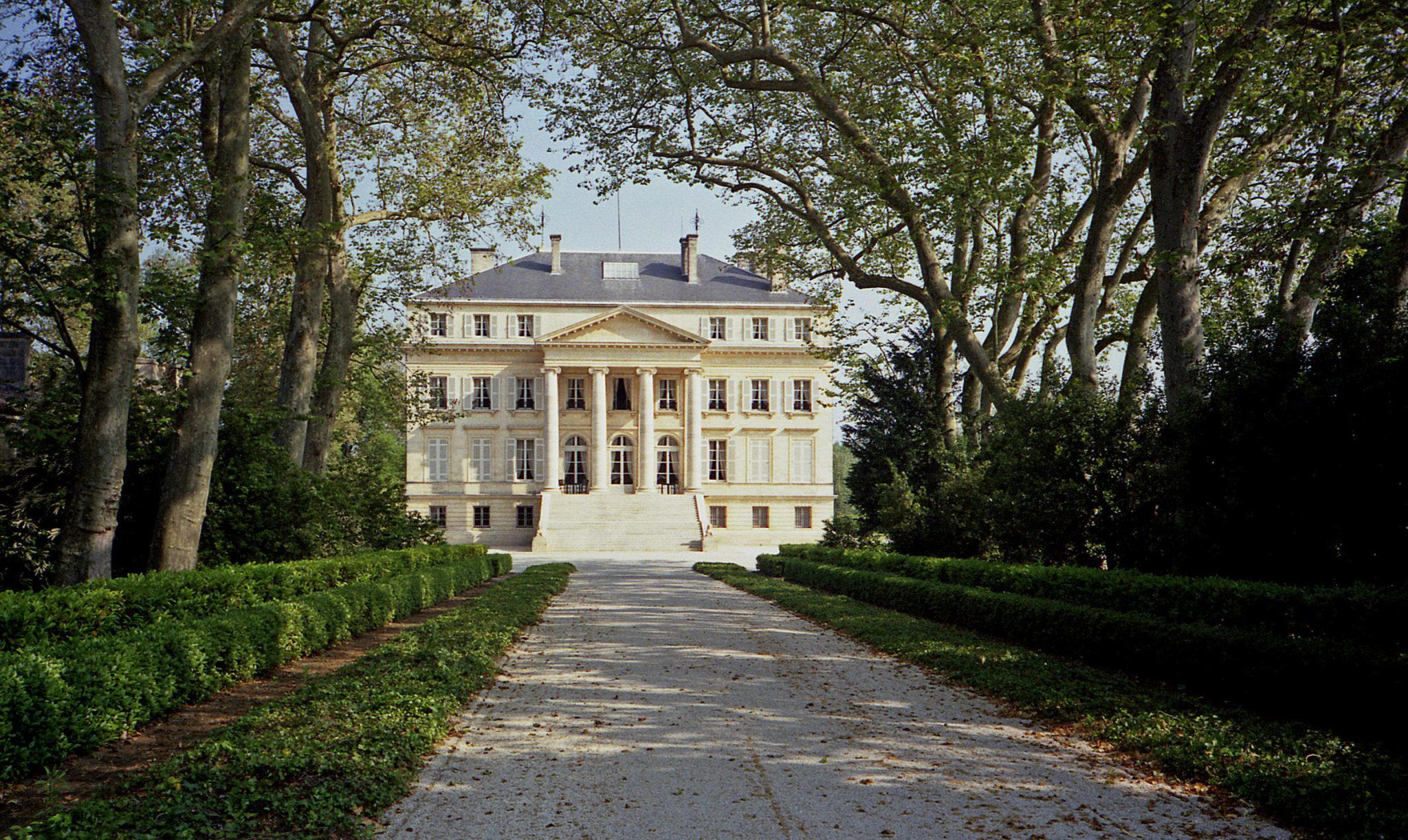
Bars in Margaux
Browse all →
Restaurants in Margaux
Browse all →
At a Glance
- Classic
- Scenic
- Romantic
- Elegant
- Quiet
- Romantic Getaway
- Group Outing
- Wine Education
- Special Occasion
- Solo Exploration
- Estate Grounds
- Vineyard Tour
- Historic Building
- Organic
- Biodynamic
- Sustainable
- Vineyard
- Garden
- Margaux AOC
- Cabernet Sauvignon
- Merlot
- Petit Verdot
- Still Red
- Amphora
- Estate Tasting
- Cellar Tasting
- Vineyard Tour
Current opening hours
- Monday
- 10 am–6 pm
- Tuesday
- 10 am–6 pm
- Wednesday
- 10 am–6 pm
- Thursday
- 10 am–6 pm
- Friday
- 10 am–6 pm
- Saturday
- Closed
- Sunday
- Closed
Hours can change for holidays and private events. Last verified .
Historic Margaux estate focused on expressing the beauty of its gravelly terroir, producing seductive yet sincere wines with refined tannins, fresh acidity, and elegant fruit character rather than a flashy, design-driven visitor experience.