
Château Grand Launay puts Côtes de Bourg terroir ahead of Bordeaux gloss: Merlot-led reds, still whites, biodynamic farming and a 19th-century château setting in Teuillac. The draw is the connection between hilly Right Bank soils, regenerative vineyard work and low-intervention cellar choices, not a polished tasting-room production.
Pearl is the En Primeur Club membership app — saves, bookings, and concierge access live there. Same editors, same standards.
- Address
- Teuillac, Nouvelle-Aquitaine, Frankreich
- Directions
- Get directions
 Saves & bookings on Pearl
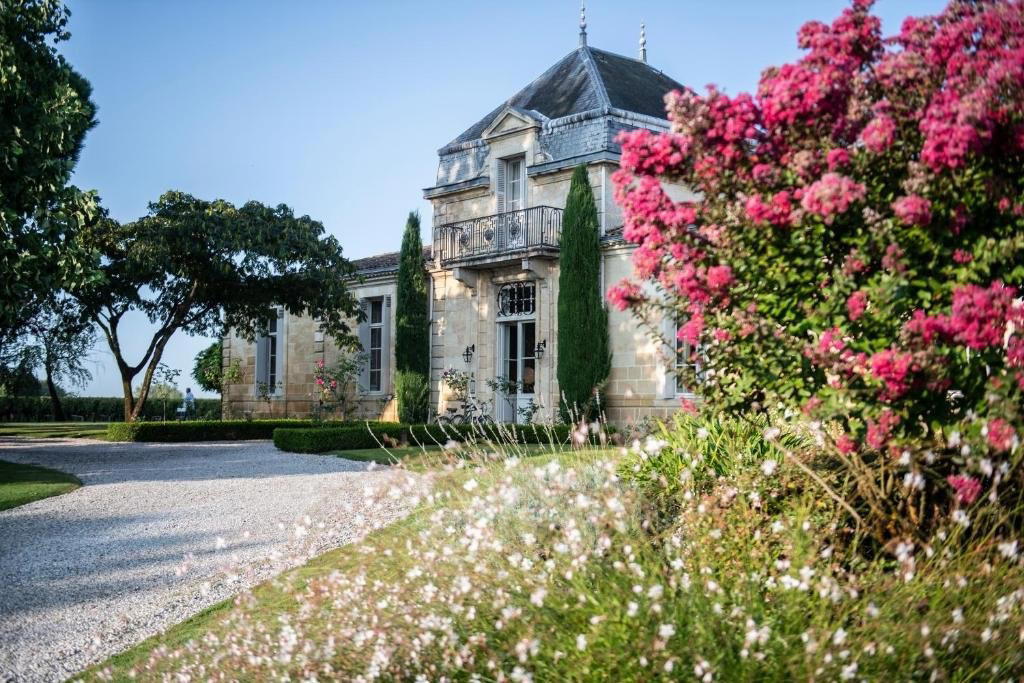
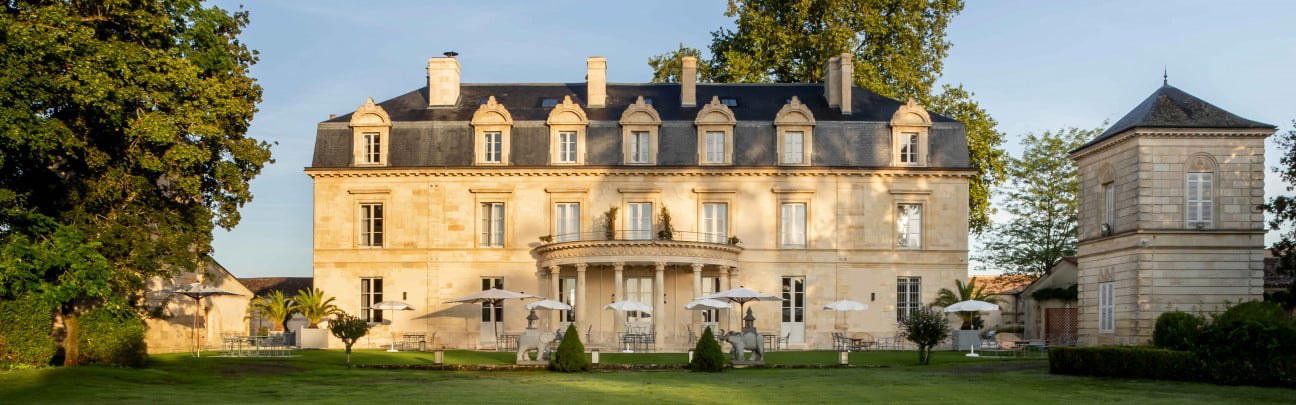
Château Grand Launay in Teuillac is best understood as a rural Bordeaux family estate rather than a conventional hospitality venue. The picture is simple and appealingly understated: a traditional 19th-century château and cellars, surrounded by organically and biodynamically farmed vines, with a tranquil, rustic atmosphere focused on vineyard and cellar visits rather than a polished leisure-resort model.
Because published practical details are limited, the safest way to approach the estate is as a vineyard setting where the draw is the place itself: the château, vines, cellar context and a quieter side of Bordeaux. It is the kind of address where the landscape and working-estate identity matter more than a long list of visitor amenities. Specific visiting hours are not currently verified, so travellers should confirm arrangements directly before planning around a visit, especially if timing is central to the day.
A Bordeaux estate setting in Teuillac
Château Grand Launay is in Teuillac, within the broader Bordeaux wine landscape. Rather than overstate the wine program or turn the estate into something more formal than the available information supports, one reliable point is the estate’s organic and biodynamic vineyard setting. That alone gives the address a clear sense of place: Bordeaux countryside, vines, cellars and a château whose appeal is rooted in its estate character.
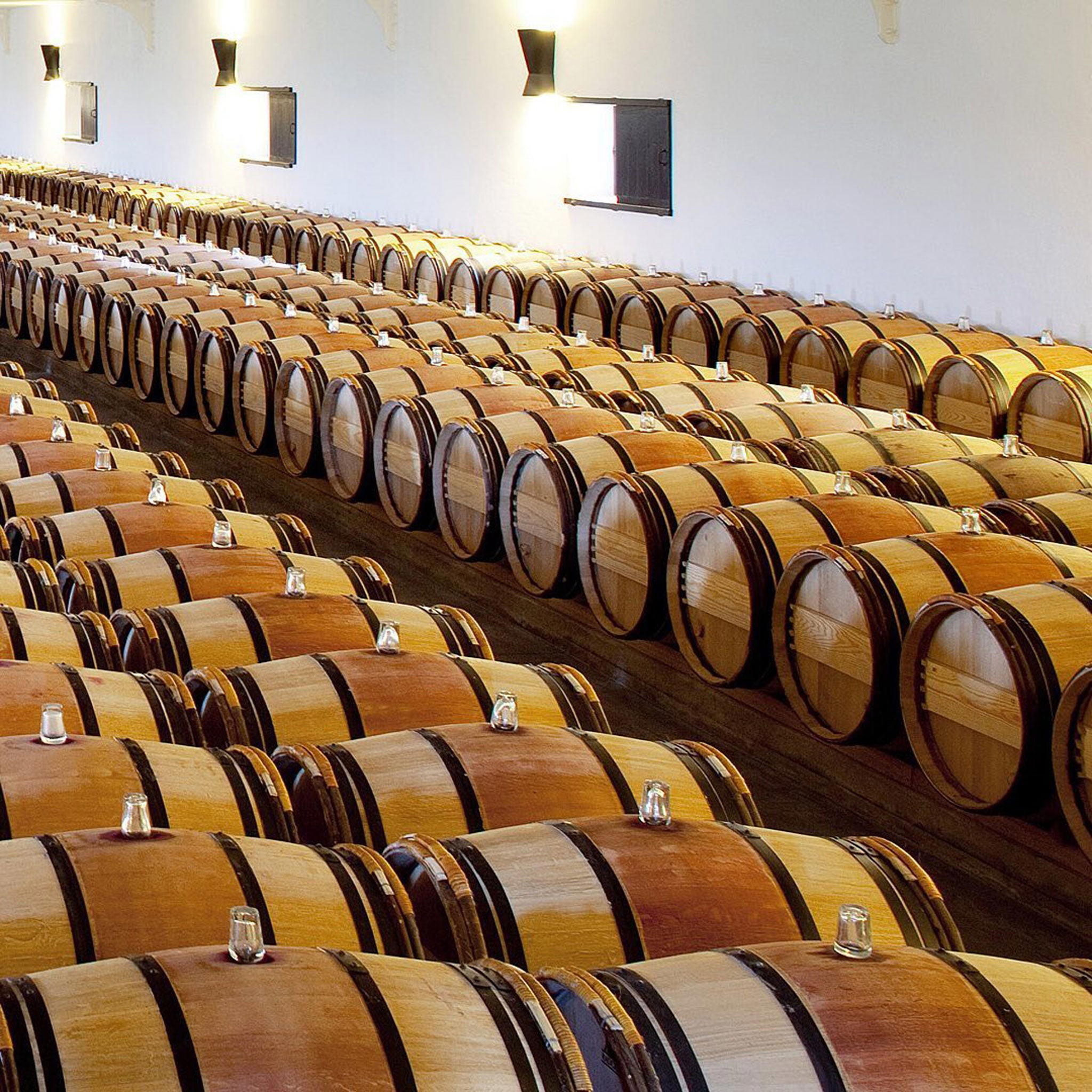
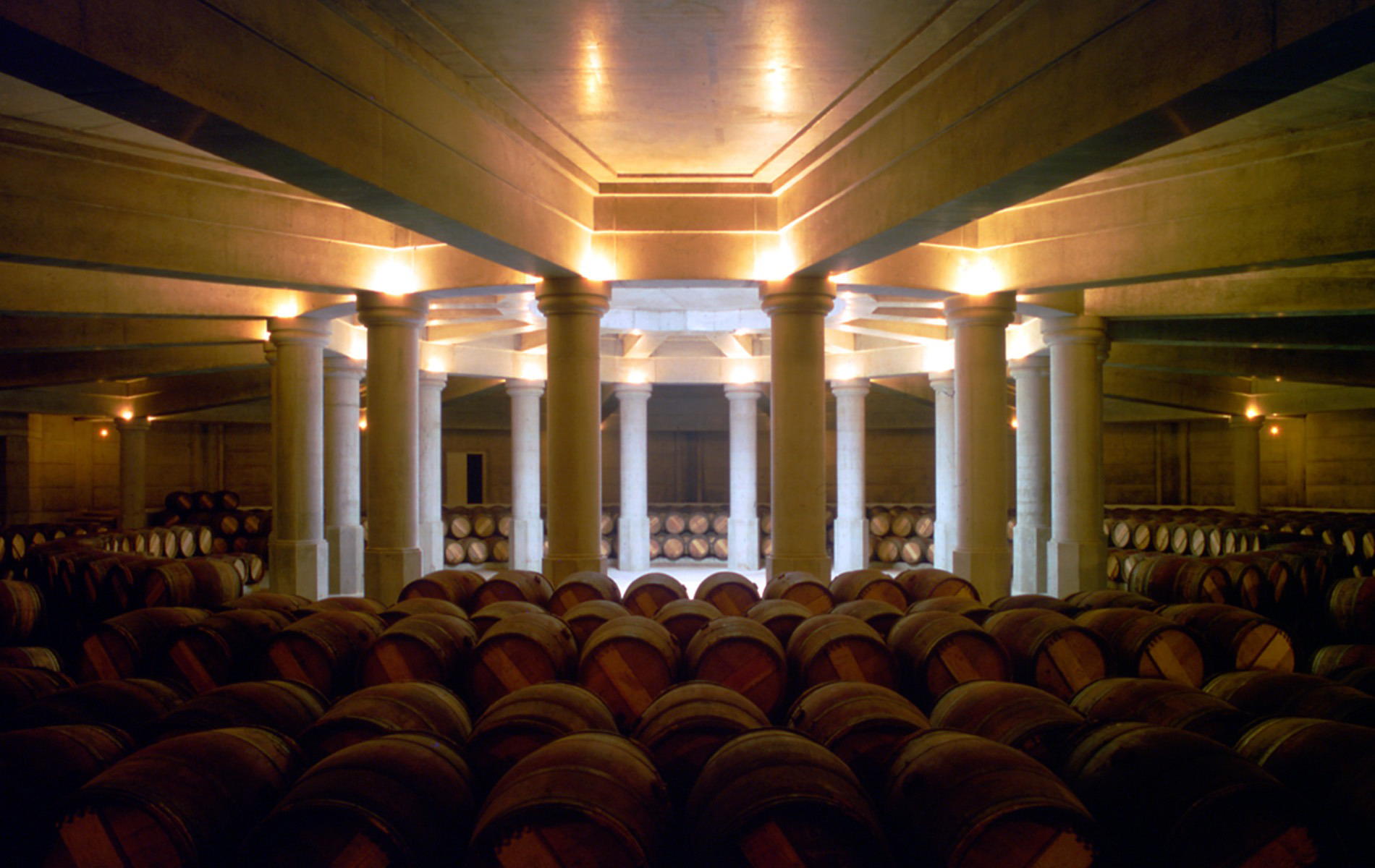
For visitors, that means the interest lies less in a checklist of named bottles and more in seeing how a historic Bordeaux estate presents its vineyards and cellars. The atmosphere is rural, tranquil and rustic, with the estate experience centred on the land and cellar rather than restaurant-style service. Read it as a quiet wine-country stop, not as a venue whose main promise is elaborate hospitality or a scripted programme of extras.
This distinction is important because it keeps expectations in the right register. The château and its surroundings are the focus, and the experience is best approached with curiosity about the setting itself. Treat the estate as a place to research and confirm in advance, especially if you are building a wider Teuillac itinerary around a specific day or time, or if you need the visit to fit cleanly between other confirmed plans.
Biodynamics without the luxury gloss
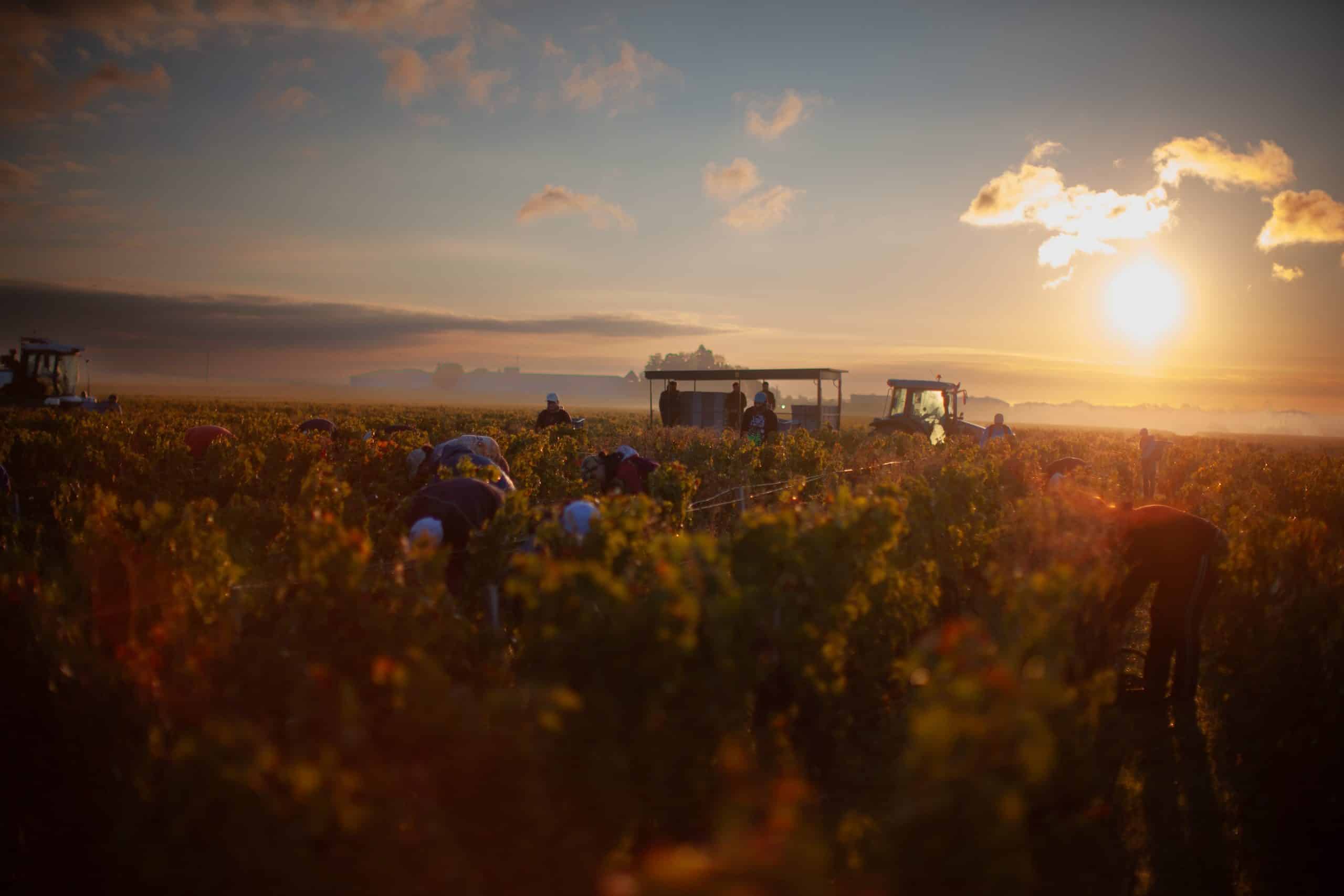
The farming context is important: the vines around Château Grand Launay are described as organically and biodynamically farmed. This gives the estate a clear identity for travellers interested in vineyard practices, even where detailed production information is not confirmed here. For many visitors, that context is enough to make the estate worth noting, because it shifts attention toward the way the vines are farmed and the relationship between the château, cellars and surrounding land.
What should be avoided is assuming more than the available facts support. The grounded description is broader and more careful: a historic Bordeaux family estate in Teuillac, with cellars and biodynamically farmed vines, presented in a calm countryside setting. That framing is more useful than embellishment, because it lets the estate remain what the reliable information indicates it is, without layering on claims about services, tasting formats or levels of hospitality.
That restraint is useful for planning. The winery is not presented here as a luxury resort, restaurant or full-service visitor complex. It is better framed as a vineyard-and-cellar-focused estate where the appeal is the rural setting and the agricultural context. Travellers drawn to quieter Bordeaux addresses may find that modesty part of the charm; those needing a highly structured visitor experience should check details carefully before setting expectations.
How to read the visit
The experience is strongest for visitors who want a quiet wine-estate setting rather than a highly staged hospitality environment. Expect the emphasis to be on the château, cellars and surrounding vines, with a rustic rural mood. In practical terms, that means allowing the estate’s slower, countryside character to define the visit, rather than looking for the pace or polish of a larger visitor operation. Confirm all practical details directly, because visiting hours are not available.
For Teuillac planning, keep the lens broad rather than treating one cellar as the entire trip. Nearby dining and hospitality options can be considered separately, but this venue’s identity is specifically that of a historic Bordeaux family estate with organically and biodynamically farmed vines. It belongs in an itinerary as a wine-estate reference point: a place to understand through its setting, farming context and cellar presence, rather than through unrelated expectations.
Readers extending a route through the area should use the winery as the reference point and compare it with other Teuillac dining, lodging or wine options only in general terms unless details are confirmed separately. That approach keeps the listing accurate and useful: the winery stands here as a calm, rural Bordeaux estate, defined by its château, cellars and biodynamically farmed vines, with all visit logistics best checked directly before arrival.
Recognition history
Dated appearances from independent guides and award organizations, with the underlying list record or original source where available.
Falstaff Winery - Listed
Falstaff
Continue exploring
More in Teuillac
Wineries in Teuillac
Browse all →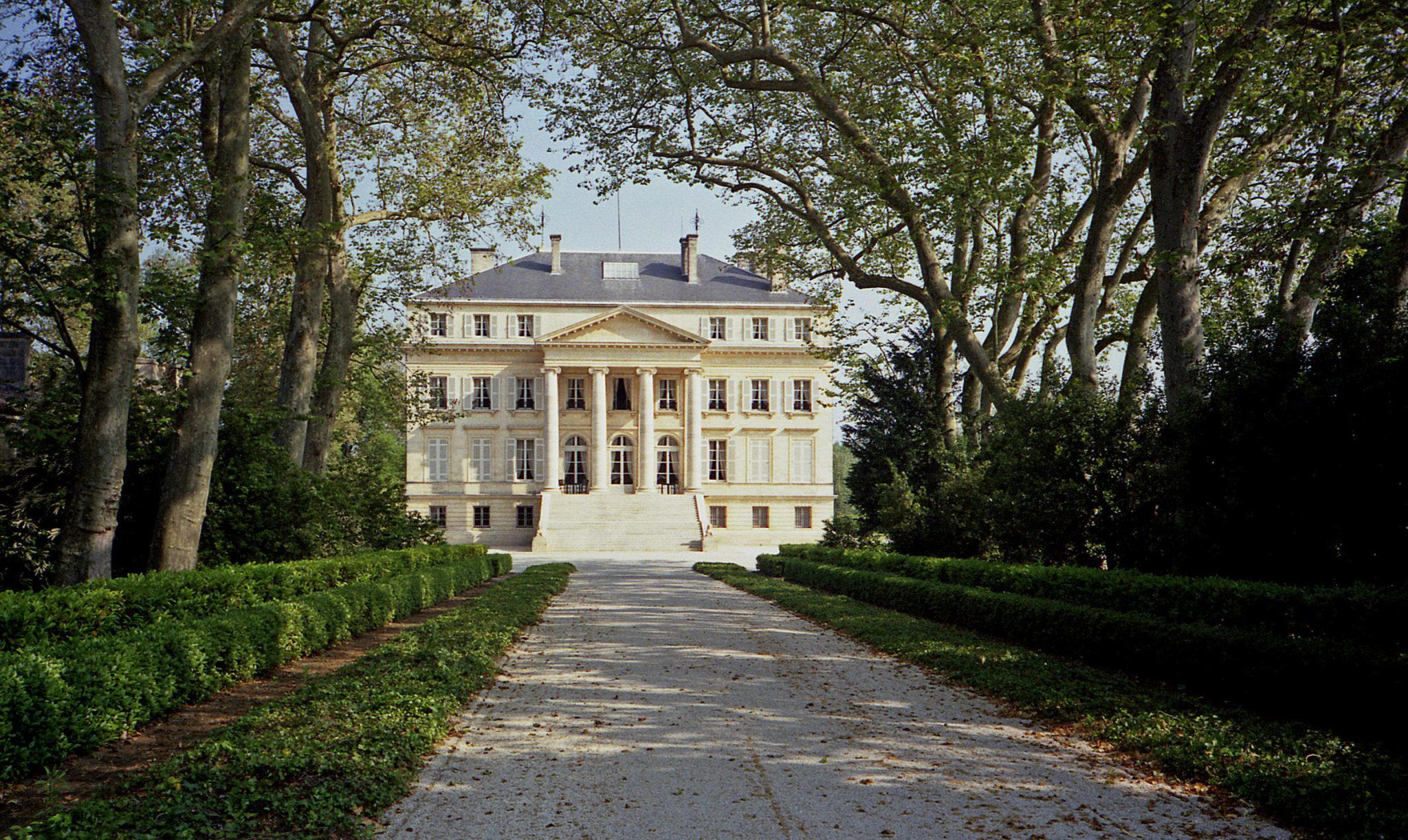
Bars in Teuillac
Browse all →
Restaurants in Teuillac
Browse all →
At a Glance
- Rustic
- Scenic
- Classic
- Intimate
- Wine Education
- Group Outing
- Romantic Getaway
- Solo Exploration
- Vineyard Tour
- Barrel Room
- Estate Grounds
- Historic Building
- Organic
- Biodynamic
- Sustainable
- Vineyard
- Garden
- Côtes De Bourg AOP
- Merlot
- Malbec
- Cabernet Franc
- Cabernet Sauvignon
- Sauvignon Gris
- Sauvignon Blanc
- Sémillon
- Still Red
- Still White
- Standard Tasting
- Vineyard Tour And Tasting
Historic Bordeaux family estate with a traditional 19th‑century château and cellars, surrounded by organically and biodynamically farmed vines; the atmosphere is rural, tranquil and rustic, focused on vineyard and cellar visits rather than a polished tourist center.