Château Fontesteau

Château Fontesteau is a quiet Haut-Médoc estate where organic farming, gravel-and-limestone soils and a 13th-century château shape the visit as much as the glass. The draw is terroir education in a preserved Médoc setting: Cabernet Sauvignon and Merlot, Cru Bourgeois history since 1932, ECOCERT-certified viticulture and a small-scale hospitality style built around tours, tastings and picnic formats.
Pearl is the En Primeur Club membership app — saves, bookings, and concierge access live there. Same editors, same standards.
- Address
- Saint Sauveur, Haut-Médoc, Nouvelle-Aquitaine, Frankreich
- Directions
- Get directions
 Saves & bookings on Pearl
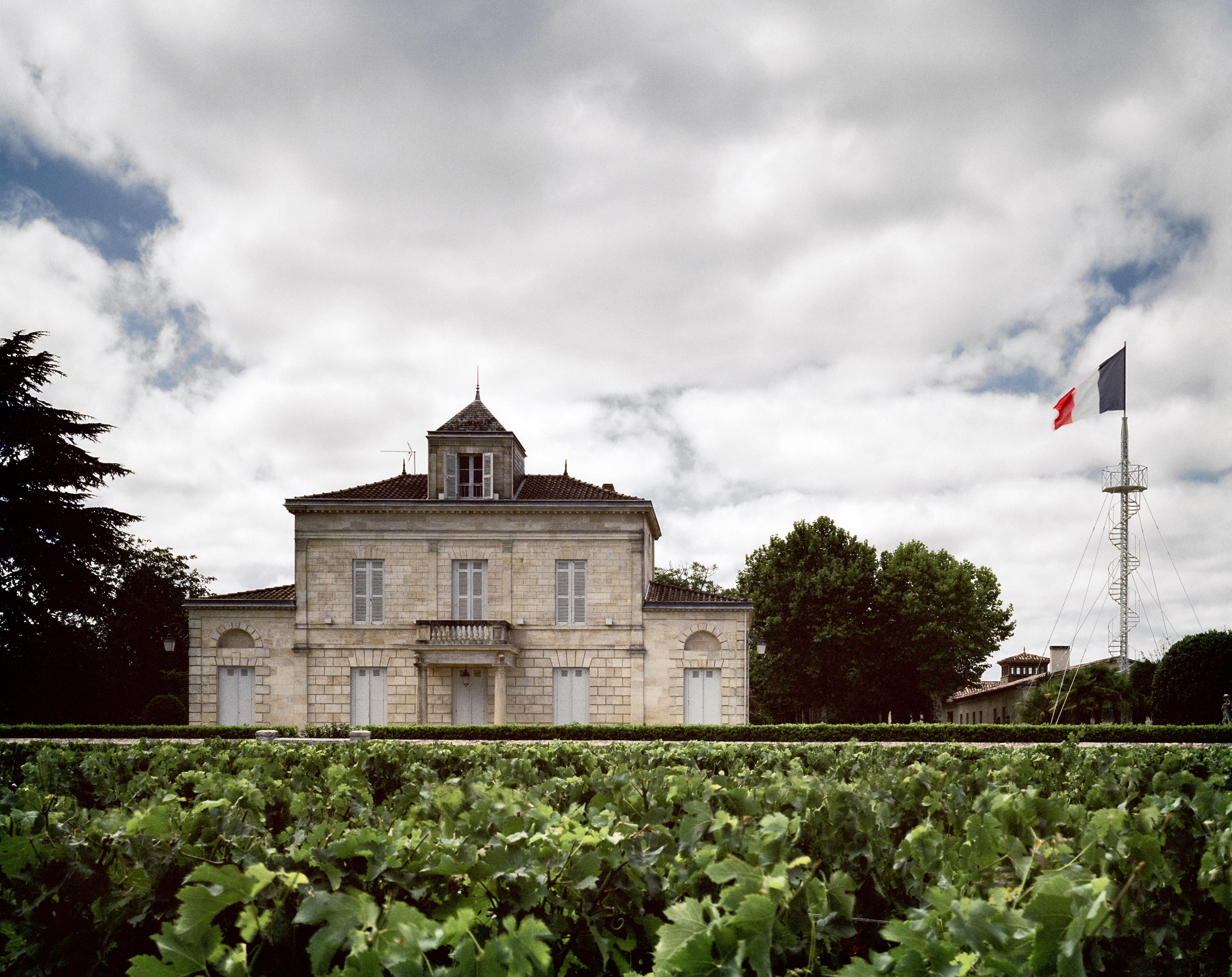
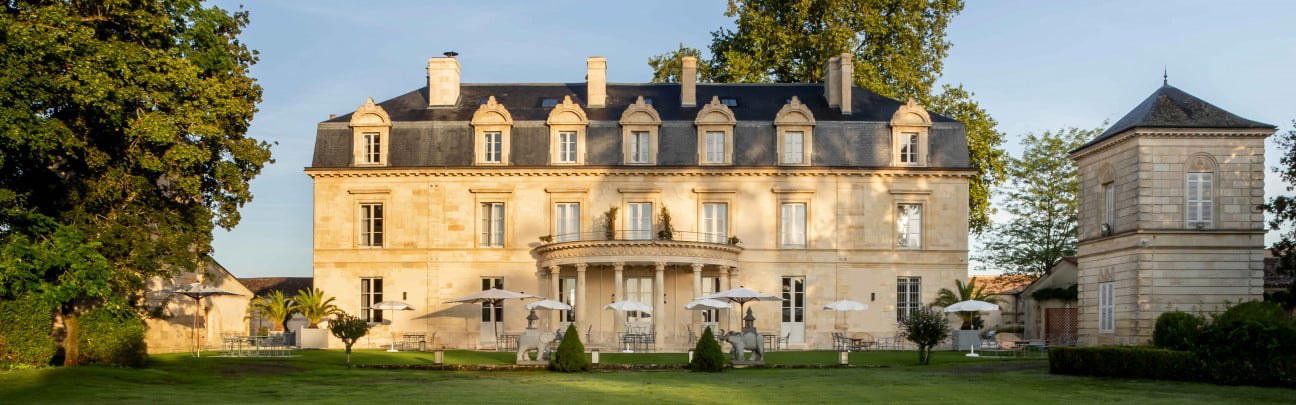
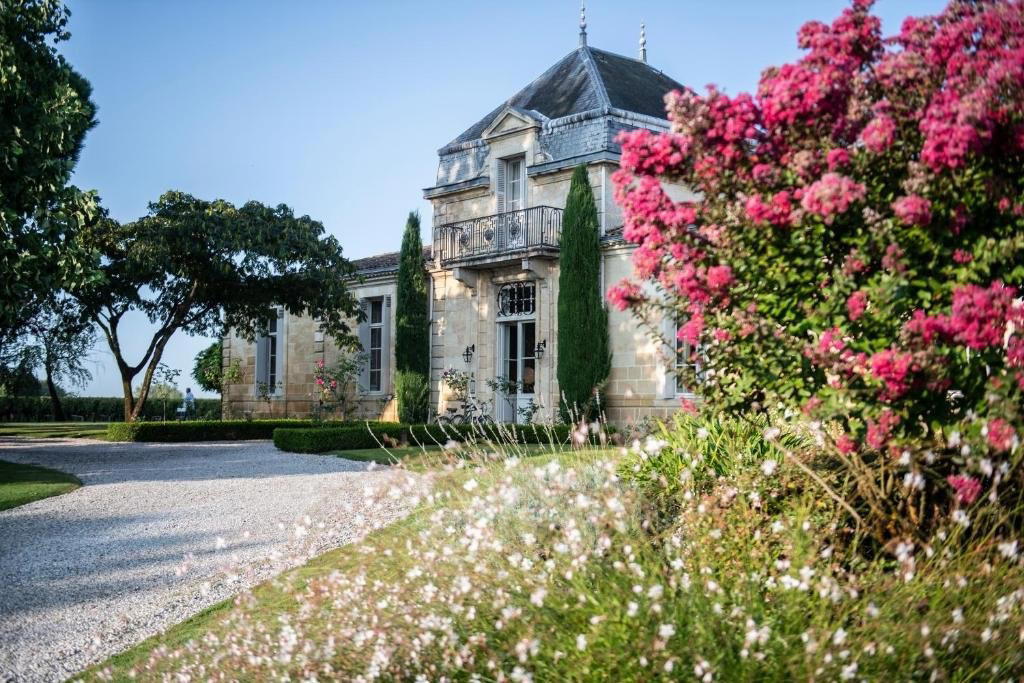
Château Fontesteau in Saint Sauveur is best understood as a calm Bordeaux estate visit rather than a high-energy stop. The draw is its preserved natural setting: a historic 13th-century château, oak forests and a scenic atmosphere shaped around sustainability, biodiversity and warm, small-team hospitality. With limited public detail available, the safest way to frame the experience is simple: come for the setting, the château context and a quiet sense of place, rather than for a checklist of promised extras.
The estate’s appeal rests on the relationship between heritage and landscape. That perspective is useful because it keeps expectations grounded: the château, the forests and the preserved estate atmosphere are the confirmed reasons to make time for it.
Heritage, oak forests and organic farming set the tone
Château Fontesteau is as an organic Bordeaux estate in a preserved natural setting. The important point is not a specific technical profile, but the way the estate presents itself: historic architecture, oak forests, biodiversity and sustainability are part of the core identity. Those elements give the visit a coherent feel before any finer details are considered. It reads less like a polished urban tasting room and more like a countryside estate where the surrounding land matters as much as the building itself.
What is is the broader character: a calm Saint Sauveur estate with a scenic, classic and rustic atmosphere. The word rustic here should be understood in a positive, place-led sense: a setting where the experience is shaped by old stone, trees, quiet space and the slower rhythm of the countryside. Visitors looking for spectacle may find that understated, but travelers who enjoy atmosphere will likely see that restraint as part of the appeal.
That makes Château Fontesteau a good fit for travelers who value landscape and heritage. The château’s 13th-century history and surrounding oak forests give the visit a grounded sense of place without needing invented extras. The heritage provides depth, while the preserved natural setting keeps the visit from feeling purely architectural. Together, they create a simple but memorable frame: an old Bordeaux château embedded in a landscape that is presented as biodiverse, sustainable and carefully maintained.
A château visit built around a calm setting
The safest expectation is a slower, quieter visit centered on the estate’s setting. The winery is described as a warm, small-team hospitality experience. That kind of description suggests an atmosphere that is personal rather than theatrical, and measured rather than hurried. It is the sort of place to approach with time to look around, absorb the surroundings and let the château’s setting carry the visit.
The standout feature is the combination of a 13th-century château and preserved natural surroundings. The oak forests and biodiversity focus give the estate a strong countryside identity, making it especially appealing to visitors who want a scenic Bordeaux estate stop in Saint Sauveur. The appeal is not only that the château is historic, or only that the landscape is green; it is the pairing of the two. The building gives the landscape a focal point, while the forests and preserved setting soften the experience and make it feel rooted in its environment.
Pricing is at $20 per person. With so few public details confirmed beyond the setting, price and overall atmosphere, it is sensible to treat that figure as part of a direct, setting-led visit. Anyone with specific needs or expectations should confirm directly before going, especially if the details of the experience matter to the day’s planning.
How to place it within a Saint Sauveur itinerary
For a Saint Sauveur day, the winery works as a reflective stop: a place to slow down, take in the historic château setting and appreciate an organic Bordeaux estate surrounded by preserved nature. It is best positioned in an itinerary when the aim is not to rush from one highlight to another, but to let one quiet estate visit provide a sense of the local landscape. Travelers building a broader route can compare it with other Saint Sauveur options generically, while keeping the winery as the central reference point.
The rest of the trip should be planned around confirmed details from the venue or local sources. In practice, that means using the estate as a calm anchor and letting logistics shape everything around it. The strongest reason to include the winery remains clear: a preserved natural setting, a 13th-century château, oak forests and a quiet Bordeaux countryside mood.
Recognition history
Dated appearances from independent guides and award organizations, with the underlying list record or original source where available.
Falstaff Winery - Listed
Falstaff
Continue exploring
More in Saint Sauveur
Wineries in Saint Sauveur
Browse all →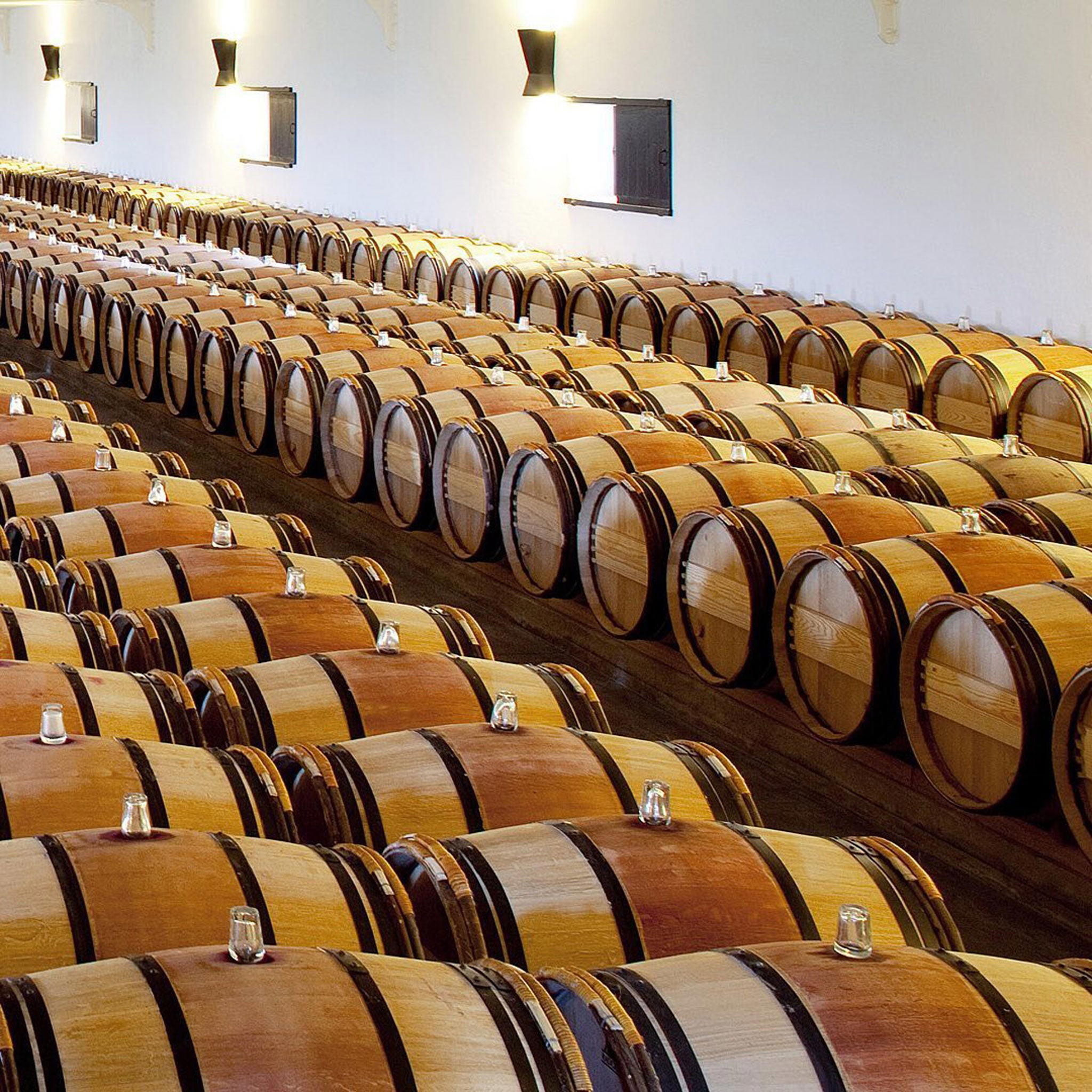
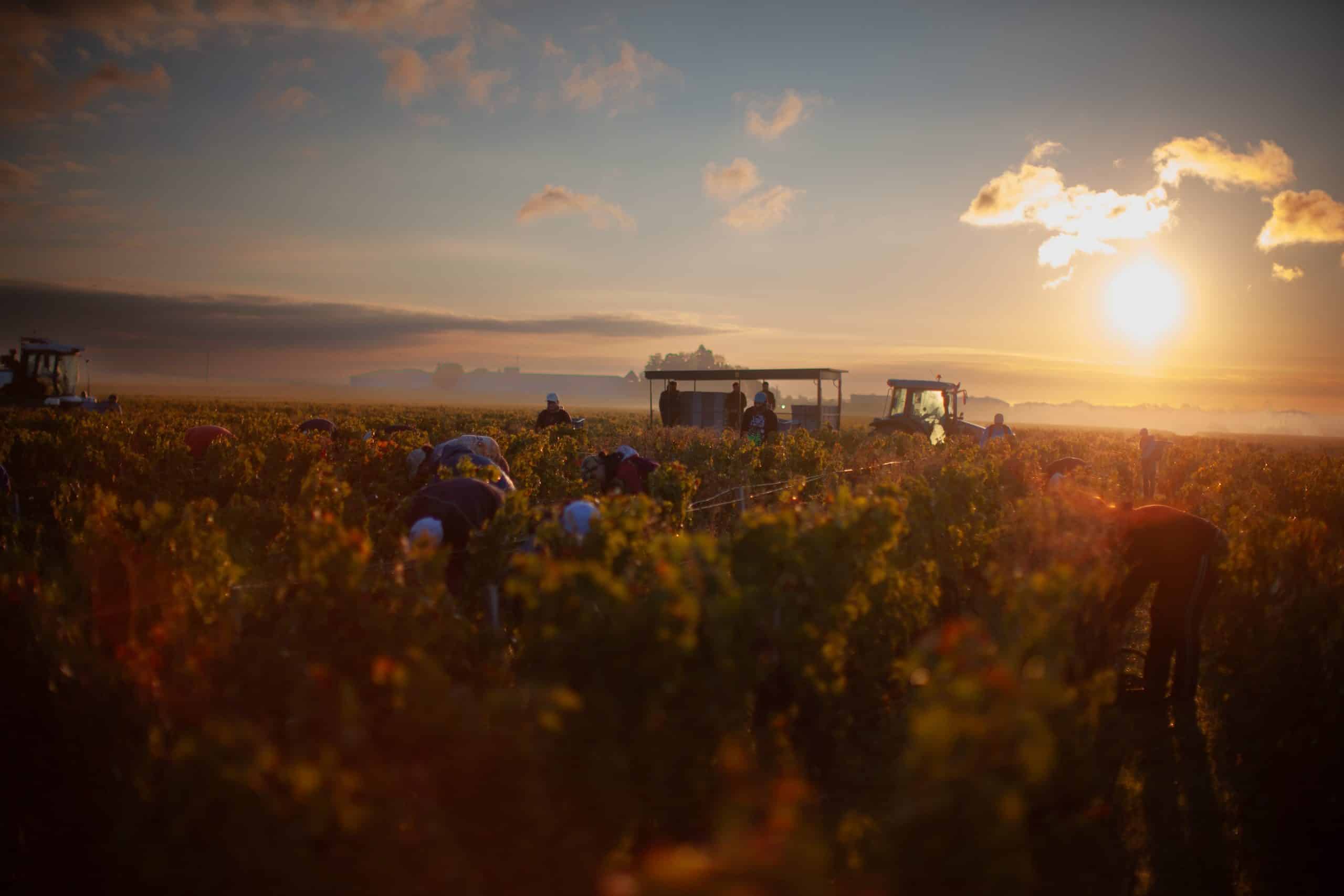
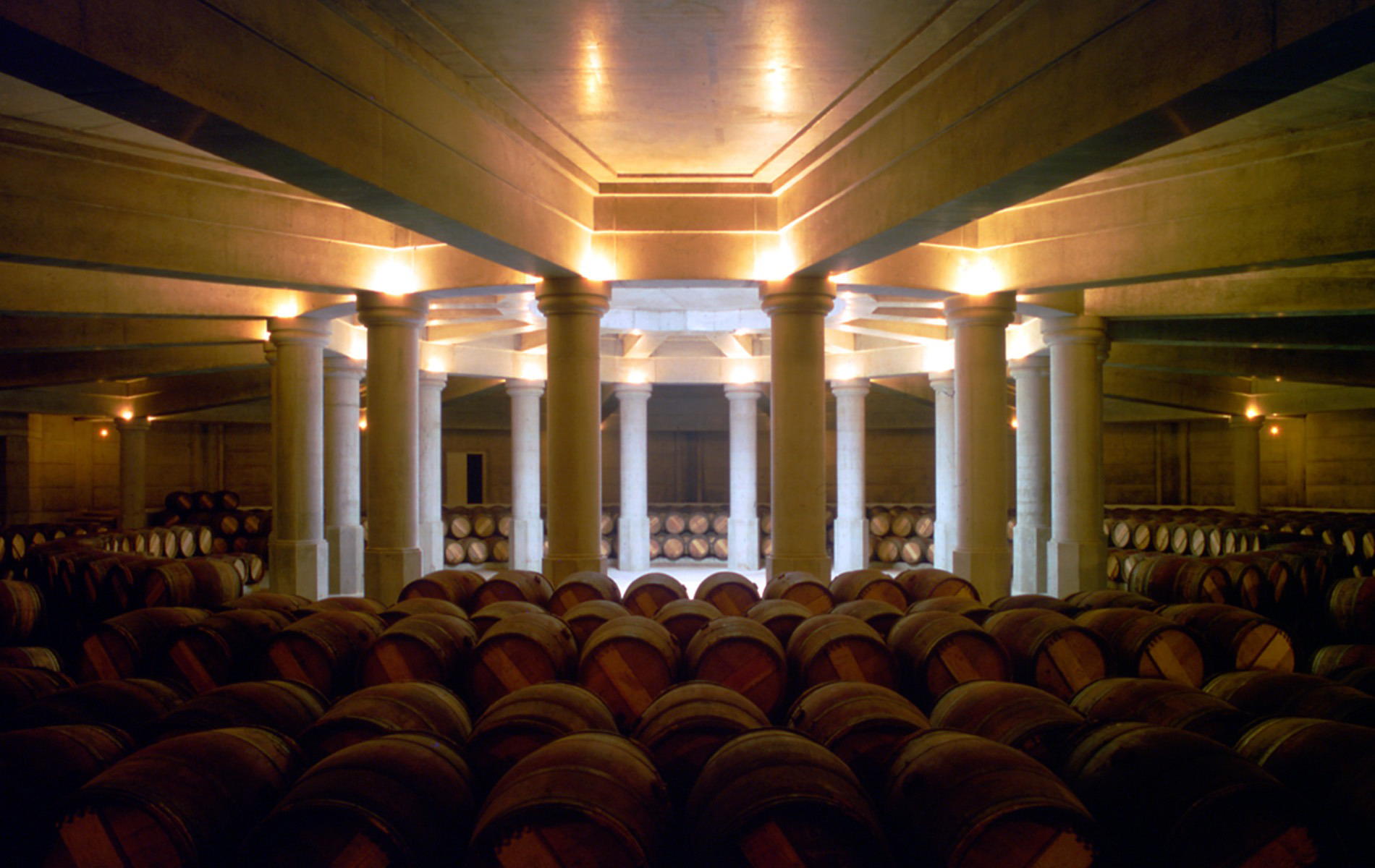
Bars in Saint Sauveur
Browse all →
Restaurants in Saint Sauveur
Browse all →
At a Glance
- Scenic
- Classic
- Rustic
- Romantic
- Intimate
- Romantic Getaway
- Group Outing
- Wine Education
- Special Occasion
- Corporate Event
- Solo Exploration
- Vineyard Tour
- Estate Grounds
- Historic Building
- Picnic Area
- Private Tasting
- Organic
- Sustainable
- Vineyard
- Garden
- Haut Médoc AOC
- Cabernet Sauvignon
- Merlot
- Still Red
- Estate Tour & Tasting
- Vineyard Walk & Tasting
- Picnic Experience
- Educational Tasting
Organic Bordeaux estate in a preserved natural setting, combining a historic 13th‑century château and oak forests with a calm, scenic atmosphere focused on sustainability, biodiversity and warm, small‑team hospitality.