Château du Moulin Rouge

A family-run Haut-Médoc estate in Cussac-Fort-Médoc, Château du Moulin Rouge is built around gravel soils, Merlot-led Bordeaux blending and a Cru Bourgeois Supérieur identity. The draw is not spectacle but proportion: 27 hectares of mature vines, HEV Level 3 sustainable farming, quiet vineyard tours and tastings that place the Gironde-influenced Médoc in clear view.
Pearl is the En Primeur Club membership app — saves, bookings, and concierge access live there. Same editors, same standards.
- Address
- Cussac-Fort-Médoc, Haut-Médoc, Nouvelle-Aquitaine, Frankreich
- Directions
- Get directions
 Saves & bookings on Pearl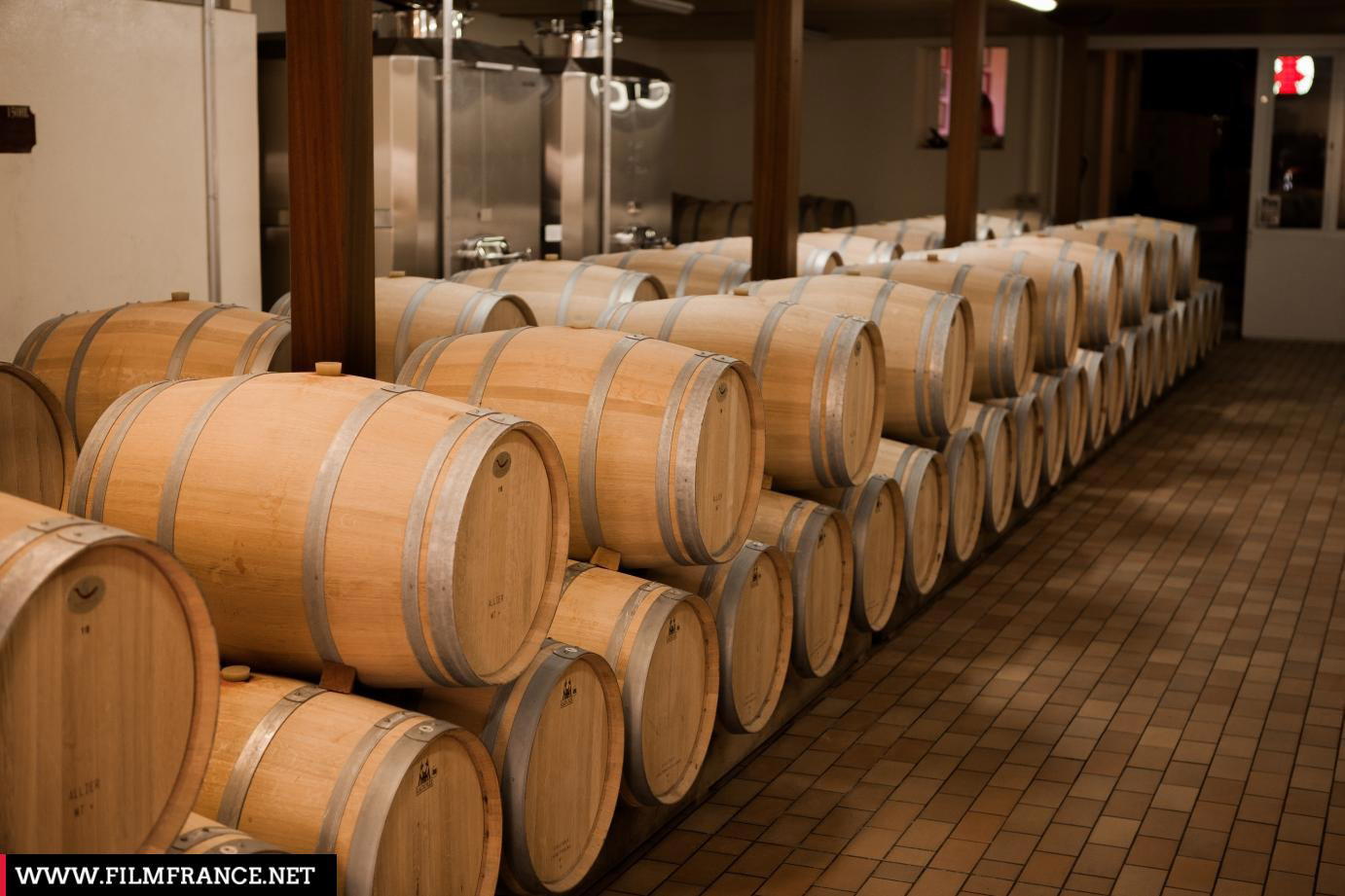
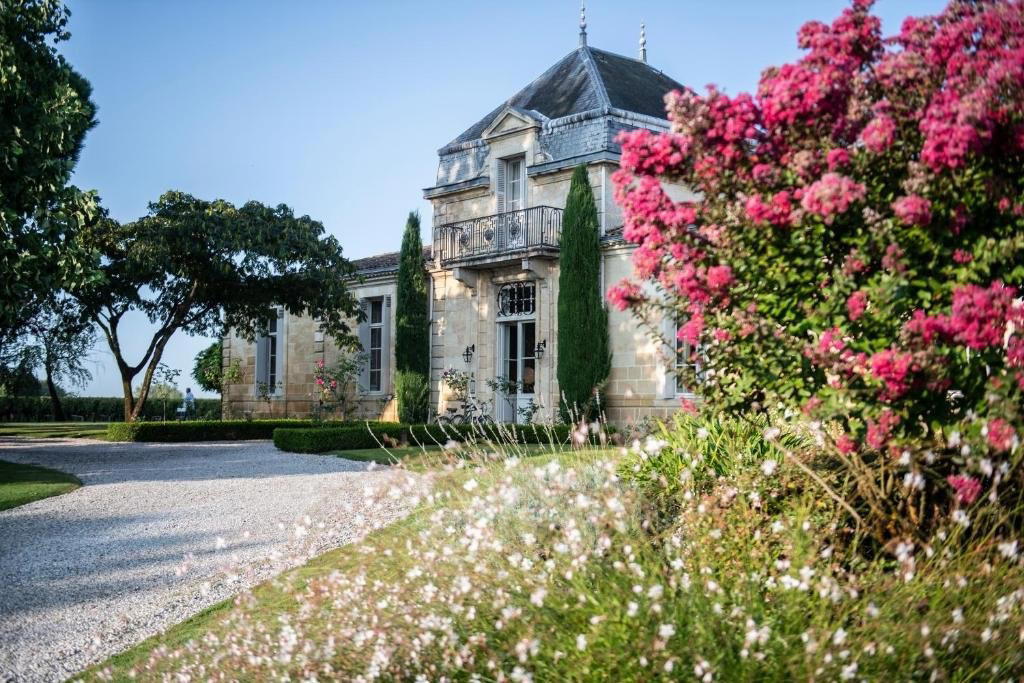
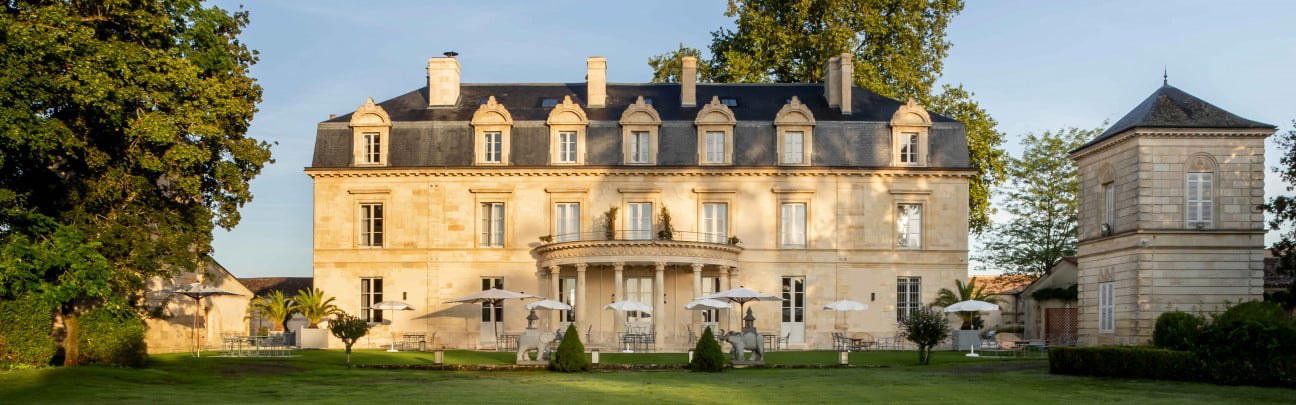
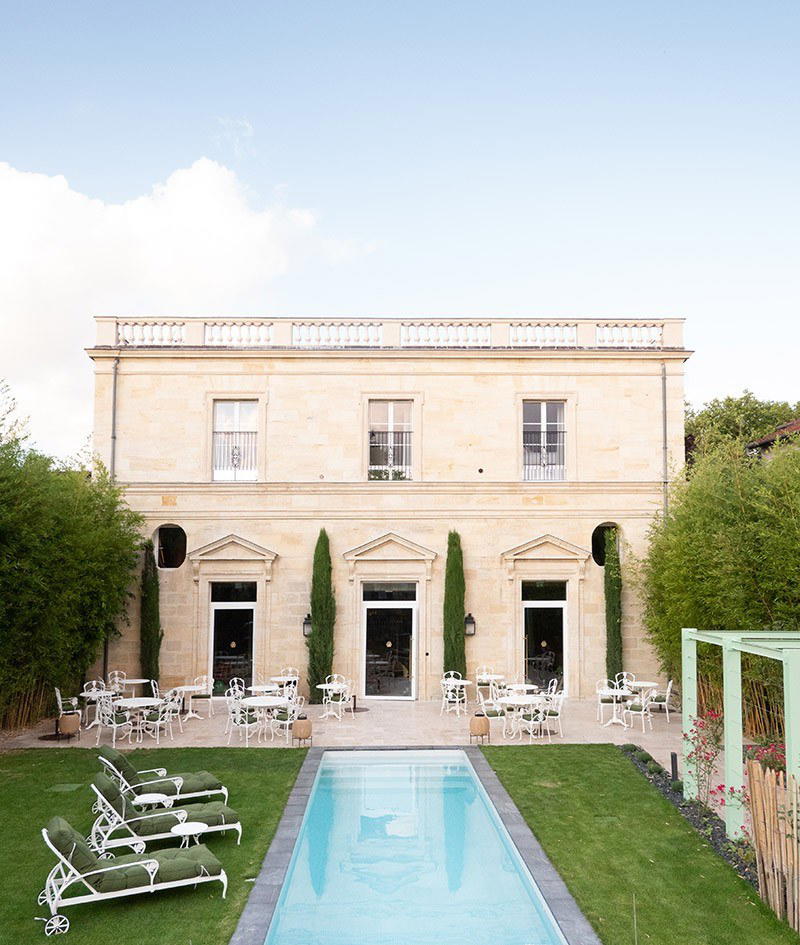
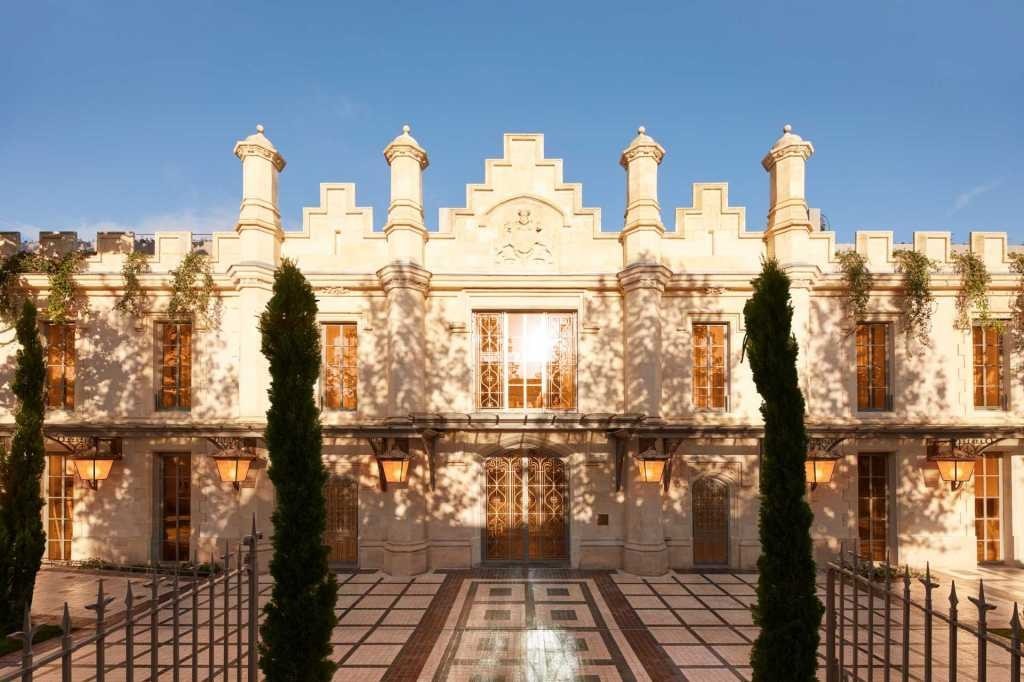
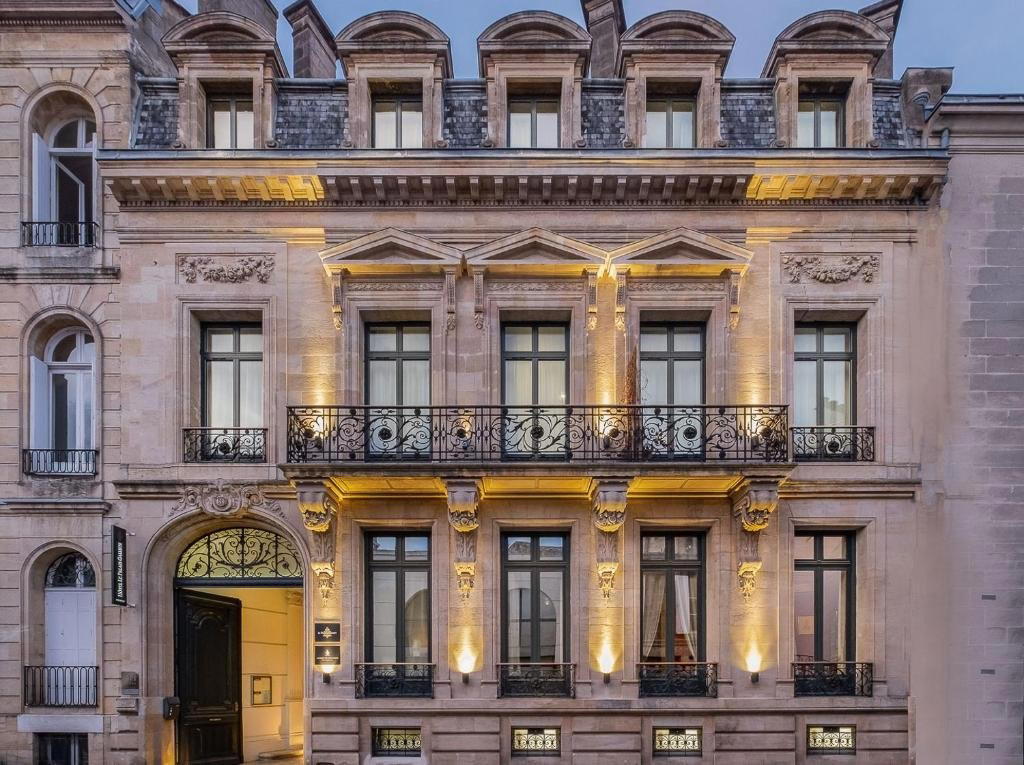
Château du Moulin Rouge in Cussac Fort Medoc is best described as a family-run Médoc estate with a classic Bordelais feel. Its profile is more about setting and atmosphere than a long list of public-facing services: a scenic estate among gravelly vineyard hilltops between Margaux and Saint-Julien, with an emphasis on traditional craftsmanship and environmentally responsible viticulture. In other words, the attraction is not framed as a densely programmed visitor experience, but as a place whose character comes through its landscape, its regional context and its understated estate identity.
Expect a rural Médoc context, a restrained Bordeaux tone and a setting shaped by vineyard land rather than an urban dining-room experience. One useful way to approach it is as part of the wider Médoc fabric: quiet, agricultural, visually open and closely tied to the gravel soils and estuary-influenced atmosphere that define the area’s image.
Gravel, estuary air and the Médoc habit of restraint
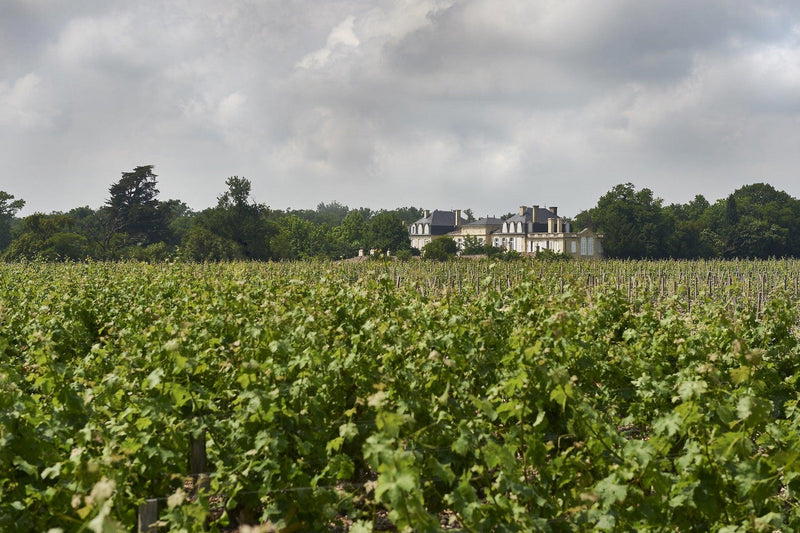
The grounded description of Château du Moulin Rouge is environmental and stylistic: a classic Bordelais estate atmosphere set in the Médoc landscape. The gravelly vineyard hilltops between Margaux and Saint-Julien are central to the sense of place, giving the estate a scenic, traditional and distinctly regional identity. That location also matters editorially because it places the château in a landscape where the vineyard itself is the main stage, and where the experience is likely to feel more contemplative than theatrical.
The estate’s traditional craftsmanship and environmentally responsible viticulture make it relevant for travellers interested in the broader character of the Médoc. These are not just decorative phrases; they indicate the kind of lens through which the property should be read. The emphasis falls on continuity, land stewardship and the established rhythms of Bordeaux wine country rather than on novelty or high-gloss hospitality language.
That makes Château du Moulin Rouge a better fit for readers seeking a grounded sense of place than for those comparing highly specific hospitality features. The confirmed price marker is $$, without supporting more detailed claims about menus, tastings or packages. On that basis, it is safest to understand the listing as an atmospheric and vineyard-led reference point, not as a promise of particular services beyond what is directly confirmed.
A quiet estate profile rather than a service checklist
The profile points to a quiet, family-run atmosphere rather than a performance-driven destination. The winery reads as a classic Médoc estate: scenic, rural and rooted in traditional Bordeaux craft, with environmental responsibility part of the way the place is presented. The tone is deliberately modest. It suggests a château whose appeal lies in its setting and identity, not in a catalogue of amenities that can be checked off in advance.
For planning, treat those points as questions to confirm directly with the estate before making a special trip. That is especially important because the available profile does not give enough detail to support assumptions about how visits are structured, what may be available on a given day or whether any particular form of hospitality should be expected. The reliable information is broader and more atmospheric: family-run, Médoc, Bordelais, scenic, traditional and environmentally minded.
For a Cussac Fort Medoc itinerary, the winery works well as a vineyard-focused point of interest in a broader exploration of the area. Other dining, lodging or wine options in Cussac Fort Medoc can be considered generically, but no specific comparison venue is here beyond the winery itself. Its role in an itinerary is therefore best kept clear and simple: a place to place on the map for its estate character and Médoc setting, while leaving practical confirmations to direct contact.
Who should put it on a Médoc route
The winery works well for travellers drawn to a classic, scenic Médoc estate atmosphere. The appeal is the setting: gravelly vineyard hilltops, a family-run Bordelais feel, traditional craftsmanship and environmentally responsible viticulture. It will be most compelling for visitors who enjoy the quieter language of wine country, where landscape, restraint and continuity do much of the work.
Readers who need any of those details should confirm them directly before relying on them for an itinerary. With that caution in mind, the château remains a relevant Médoc reference for those who value atmosphere over certainty of services, and who are comfortable building a route around place, scenery and regional character rather than a fully specified hospitality offer.
Recognition history
Dated appearances from independent guides and award organizations, with the underlying list record or original source where available.
Falstaff Winery - Listed
Falstaff
Continue exploring
More in Cussac Fort Medoc
Wineries in Cussac Fort Medoc
Browse all →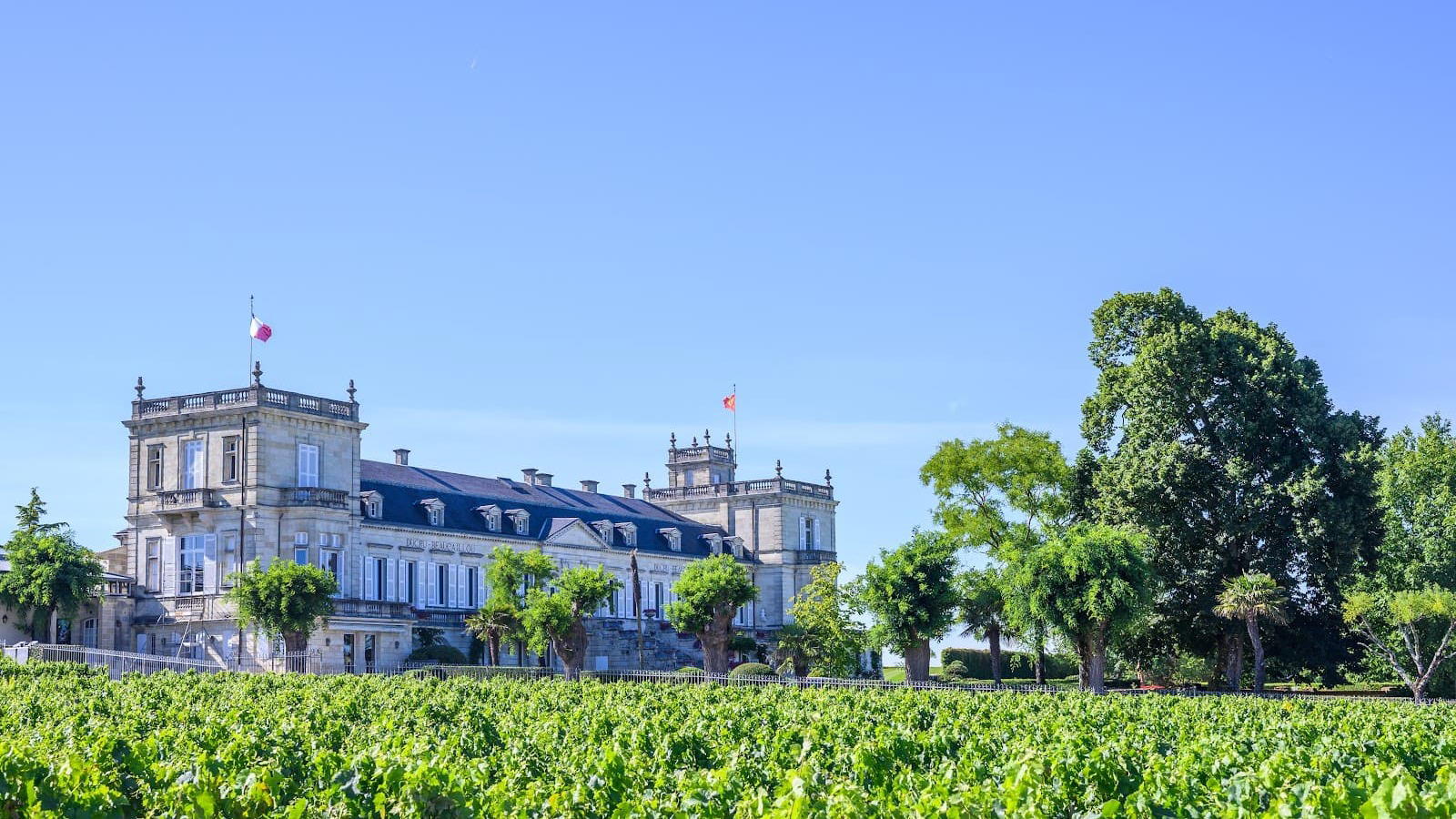

Bars in Cussac Fort Medoc
Browse all →

Restaurants in Cussac Fort Medoc
Browse all →
At a Glance
- Classic
- Scenic
- Rustic
- Elegant
- Intimate
- Wine Education
- Group Outing
- Romantic Getaway
- Solo Exploration
- Estate Grounds
- Vineyard Tour
- Historic Building
- Private Tasting
- Sustainable
- Vineyard
- Haut Médoc
- Merlot
- Cabernet Sauvignon
- Cabernet Franc
- Still Red
- Standard Tasting
- Vertical Tasting
- Private Tasting
Family-run Médoc estate atmosphere with a classic Bordelais feel, set among gravelly vineyard hilltops between Margaux and Saint‑Julien, emphasizing traditional craftsmanship and environmentally responsible viticulture.