
Falstaff Winery - Listed
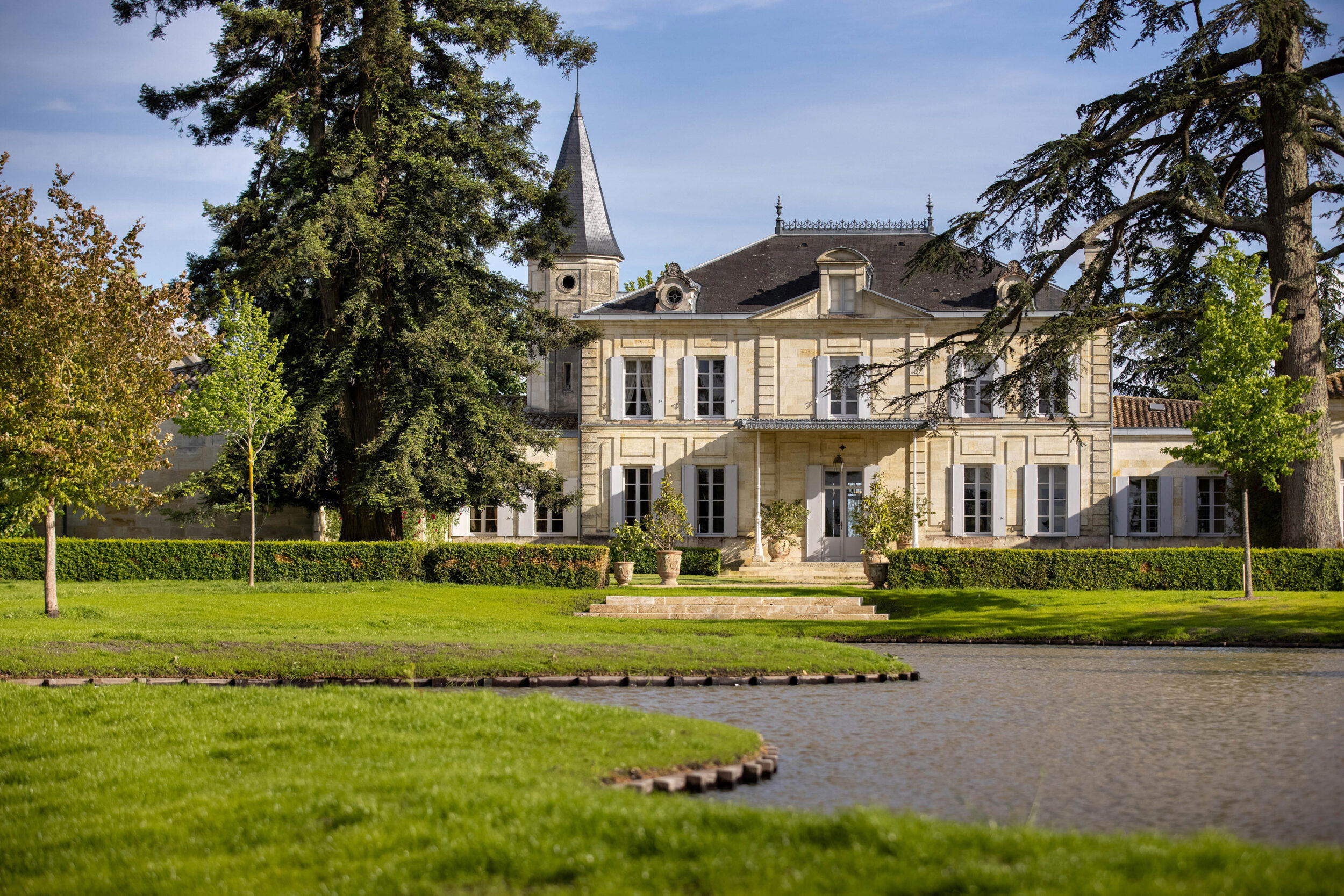
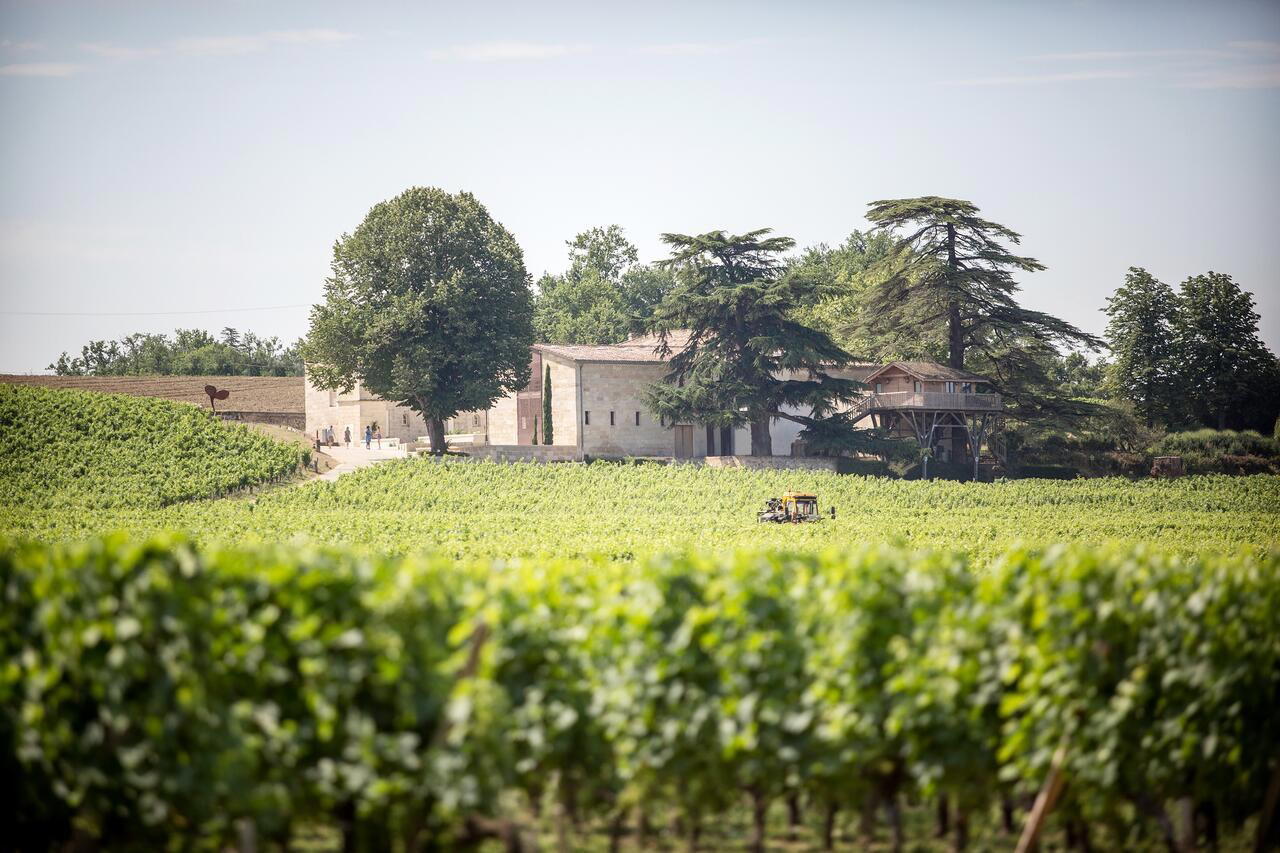
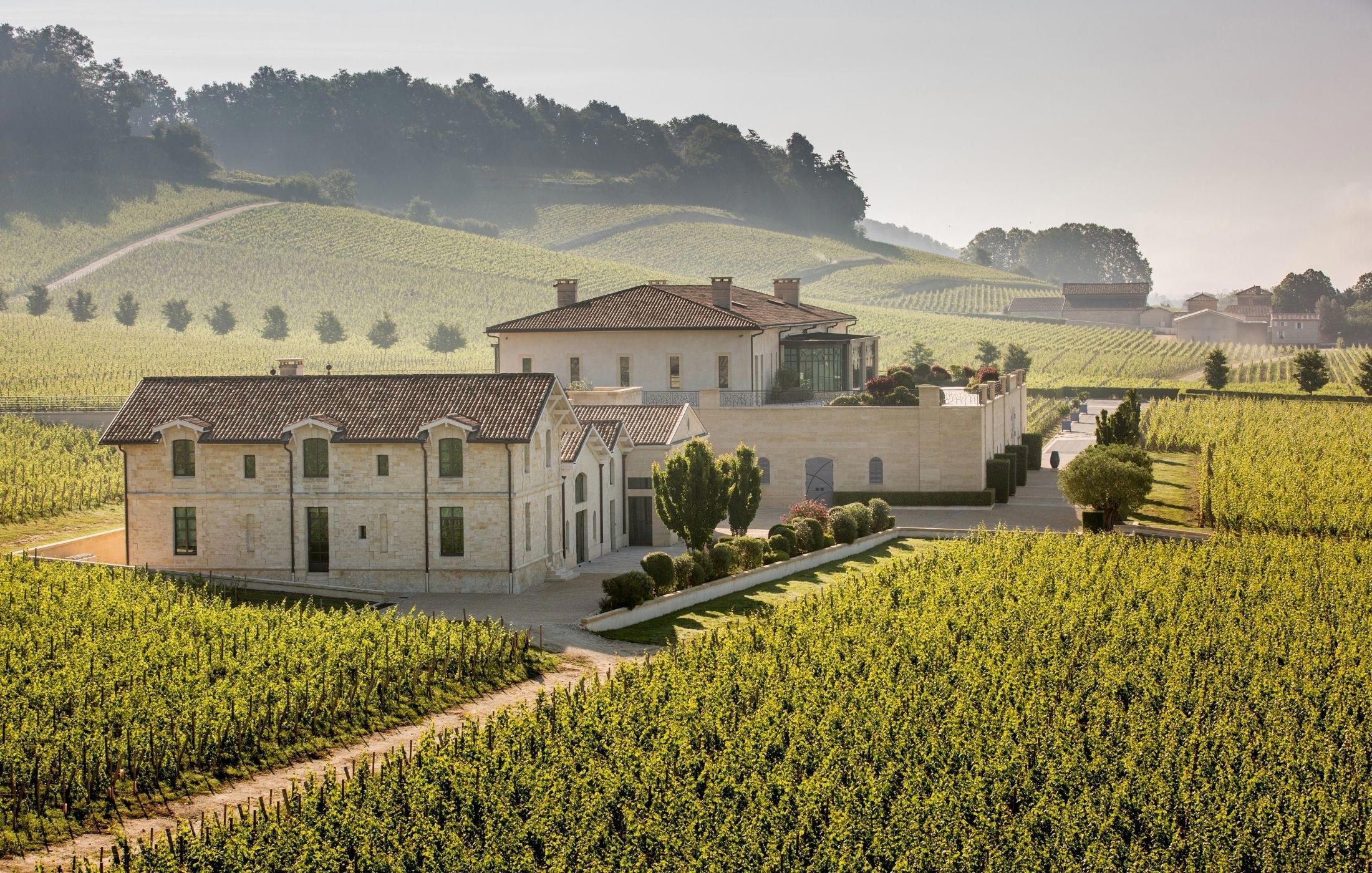
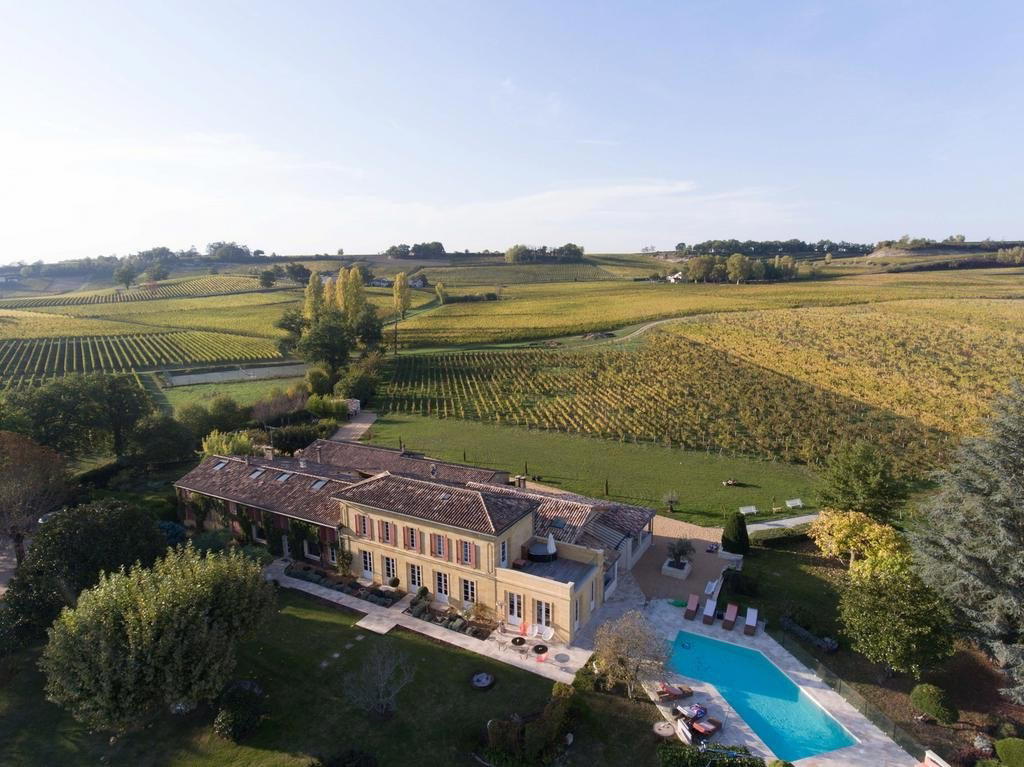
Château du Bois Chantant is a Right Bank Bordeaux estate shaped around Merlot-led Bordeaux Supérieur, mature vines of roughly 20 years, and a full-bodied red-blend style that stays approachable rather than severe. The draw is terroir expression over spectacle: a 44–45 hectare vineyard, Cuvée Laurence H, and a portfolio that also includes Sauvignon Blanc under the Bois Chantant label.

Château du Bois Chantant is a Bordeaux venue best described, from the information available, as a Right Bank Bordeaux estate focused on red blends. Its profile is centered on ripe, mature fruit, classic structure, and wines intended to be full-bodied while remaining approachable. That combination gives the estate a clear place for readers who are looking for Bordeaux character without needing the language of rarity, investment, or prestige to be the main story.
The price level is $$, placing it in a relatively accessible bracket for readers comparing Bordeaux options. In other words, the useful public profile is stylistic rather than logistical: the clearest signals are about the kind of wine the estate represents, not the exact way a visitor might experience it on a given day.
Right Bank red blends give the wines their shape
The grounded picture of Château du Bois Chantant is a Right Bank Bordeaux estate built around balanced red blends from older vines. The emphasis is on richness of fruit, structure, and an approachable expression rather than an austere or highly speculative style. In Bordeaux terms, that matters because the estate is easiest to understand through the relationship between fruit maturity and classical form: the wines are described as having presence and body, but not in a way that pushes them outside a familiar regional frame.
Traditional vinification is part of the estate’s stated identity, with some modern techniques also noted. That combination supports a familiar Bordeaux framework: fruit, structure, and balance presented in a way that remains accessible. The point is not that the estate is positioned as old-fashioned or experimental, but that its stated approach sits between continuity and practicality. Traditional methods suggest a respect for the established language of Bordeaux red wine, while the mention of modern techniques keeps the profile from feeling frozen in time.
The most reliable way to frame the estate is as a mature Right Bank Bordeaux producer focused on full-bodied but approachable red blends. That phrasing keeps the emphasis where the confirmed information places it: on the style of the wines, the red-blend identity, and the idea that the estate’s maturity comes through in a measured, rounded profile rather than in a list of external claims.
Bordeaux structure without the trophy-château script
Château du Bois Chantant is best understood through its emphasis on balance and approachability. The available information supports a reading of the estate as a Bordeaux producer focused on ripe fruit, older vines, and classic red-wine structure rather than on confirmed awards, rankings, or luxury-positioning claims. That distinction is useful for readers because Bordeaux can often be discussed through hierarchy, reputation, and scarcity, while this estate is better presented in more direct terms: what kind of wine it make, how it is positioned by price, and how much can responsibly be said from the available record.
For that reason, the estate should be presented on the basis of its stated style and price level rather than as an award-led destination. This does not diminish the profile; it simply sets the right editorial boundary. The information available points to a wine identity based on mature fruit, structure, older vines, and Right Bank red blends, not to a narrative built around medals, lists, or critical validation.
Readers comparing Bordeaux options should treat Château du Bois Chantant as a wine-focused entry with limited public detail in the public record. The strongest confirmed points are its Bordeaux setting, Right Bank identity, red-blend focus, older-vine profile, and $$ price level. Those elements are enough to place it meaningfully in a comparison set, especially for readers who want an approachable Bordeaux reference point, but they are not enough to support assumptions about the full visitor experience or the breadth of the estate’s offerings.
How to place it in a Bordeaux trip
Château du Bois Chantant may fit a Bordeaux itinerary for travelers interested in approachable Right Bank red blends and a producer profile centered on ripe fruit and classic structure. It is best treated as a stylistic match for those priorities: full-bodied Bordeaux character, a mature-fruit profile, and a price level that sits in a relatively accessible range.
For a broader Bordeaux itinerary, use the estate as one possible reference point rather than the whole plan. The city’s wine culture makes more sense when set against other Bordeaux dining, lodging, bar, cellar, and experience options, while Château du Bois Chantant itself remains the relevant named comparison. Because the confirmed practical information is limited, the sensible approach is to let the estate inform the wine side of the trip while confirming any visit-specific details directly before making plans.
Frequently asked questions
What kind of setting is Château du Bois Chantant?
Château du Bois Chantant is a Bordeaux venue described in the information as a Right Bank Bordeaux estate focused on balanced, full-bodied but approachable red blends from older vines.
Where is Château du Bois Chantant in Bordeaux?
Château du Bois Chantant is in Bordeaux.
How much does Château du Bois Chantant cost?
Pricing at Château du Bois Chantant is listed as $$.
What's the standout thing about Château du Bois Chantant?
The key confirmed draw is its Right Bank Bordeaux profile: red blends from older vines, with ripe fruit, classic structure, and an approachable full-bodied style.
How hard is it to get in to Château du Bois Chantant?
Confirm directly with Château du Bois Chantant before planning a visit.
Who is Château du Bois Chantant best for?
It is best framed for readers interested in Bordeaux red blends, especially a Right Bank style that emphasizes ripe fruit, structure, and approachability.
What should I know before visiting Château du Bois Chantant?
The price level is $$, and the confirmed location is Bordeaux. Details such as hours, appointment requirements, tastings, food service, and specific wines should be checked directly with the venue.
Recognition history
Dated appearances from independent guides and award organizations, with the underlying list record or original source where available.
Falstaff Winery - Listed
Falstaff
Request a visit to Château du Bois Chantant
Tell us when you would like to go and how many people, and we put the request to the estate and reply to you by email.
Continue exploring
More in Bordeaux
Wineries in Bordeaux
All wineries in Bordeaux →
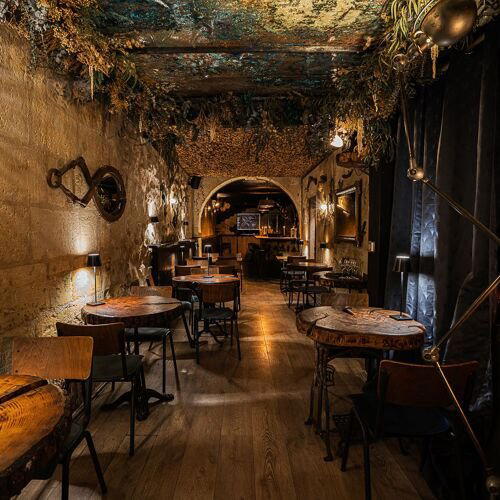
Bars in Bordeaux
All bars in Bordeaux →

Restaurants in Bordeaux
All restaurants in Bordeaux →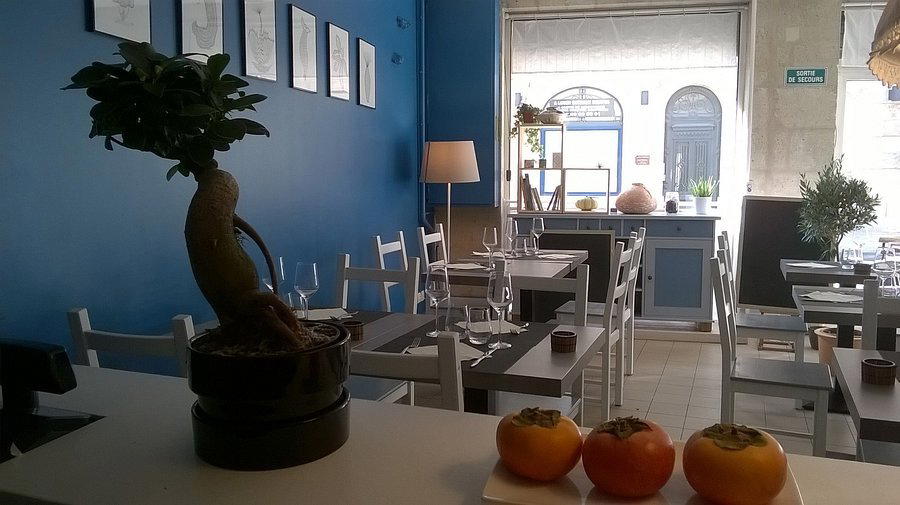
Details
- Classic
- Rustic
- Scenic
- Group Outing
- Wine Education
- Solo Exploration
- Vineyard
- Merlot
- Cabernet Sauvignon
- Cabernet Franc
- Petit Verdot
- Sauvignon Blanc
- Still Red
- Still White
Ripe, mature Right Bank Bordeaux estate focused on producing balanced, full-bodied but approachable red blends from older vines, emphasizing richness of fruit, classic structure, and traditional vinification with some modern techniques.