
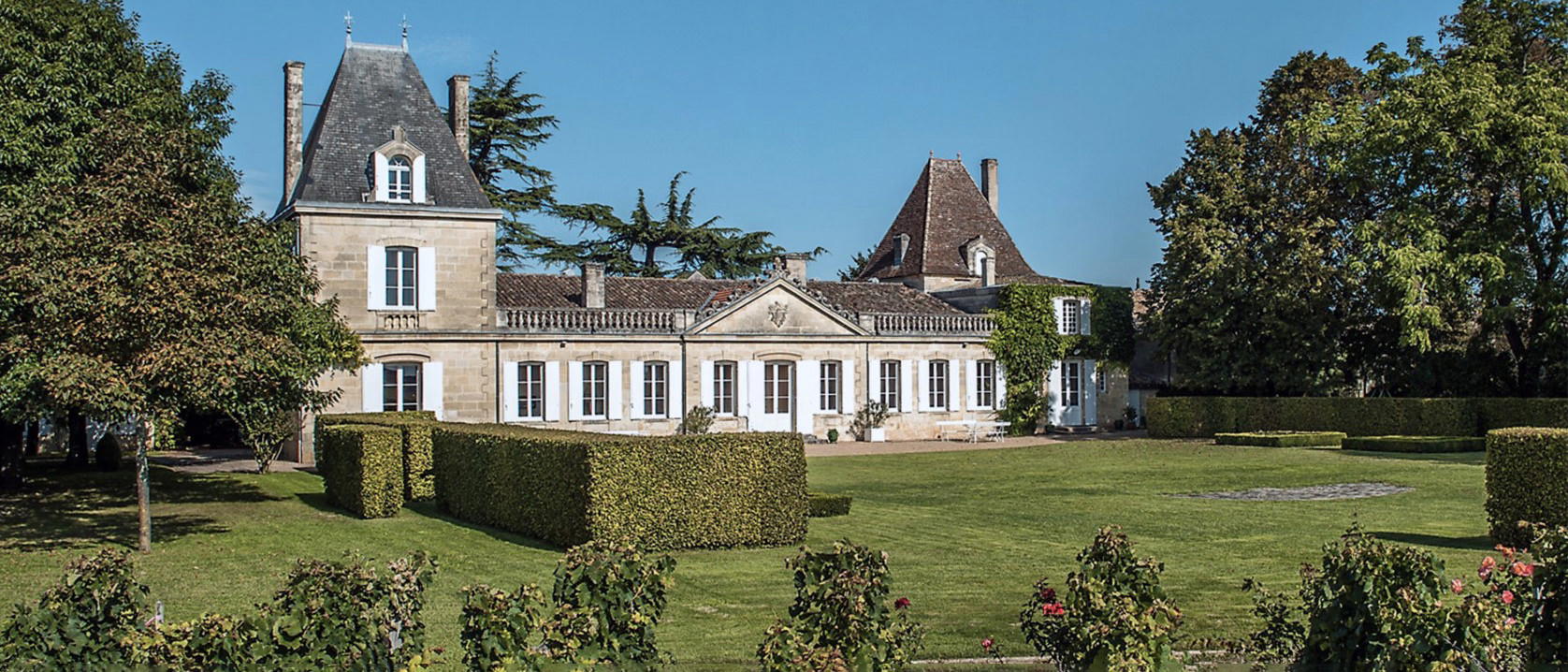
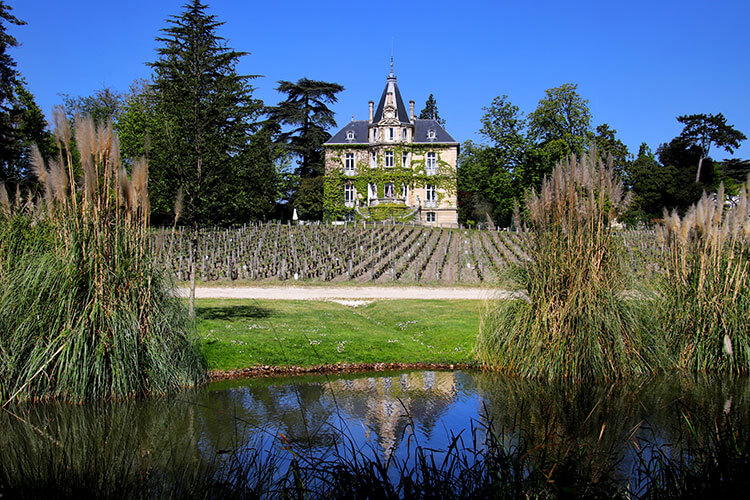
Château d'Aiguilhe Querre is a small Castillon-Côtes de Bordeaux estate tied to the Querre family’s long Right Bank history. Its 2.4-hectare clay-limestone vineyard, planted to Merlot and Cabernet Franc, gives the wine its central tension: concentration without hard edges, with production kept to a boutique scale.
Pearl is the En Primeur Club membership app — saves, bookings, and concierge access live there. Same editors, same standards.
- Address
- Pomerol, Cotes de Castillon, Nouvelle-Aquitaine, Frankreich
 Saves & bookings on Pearl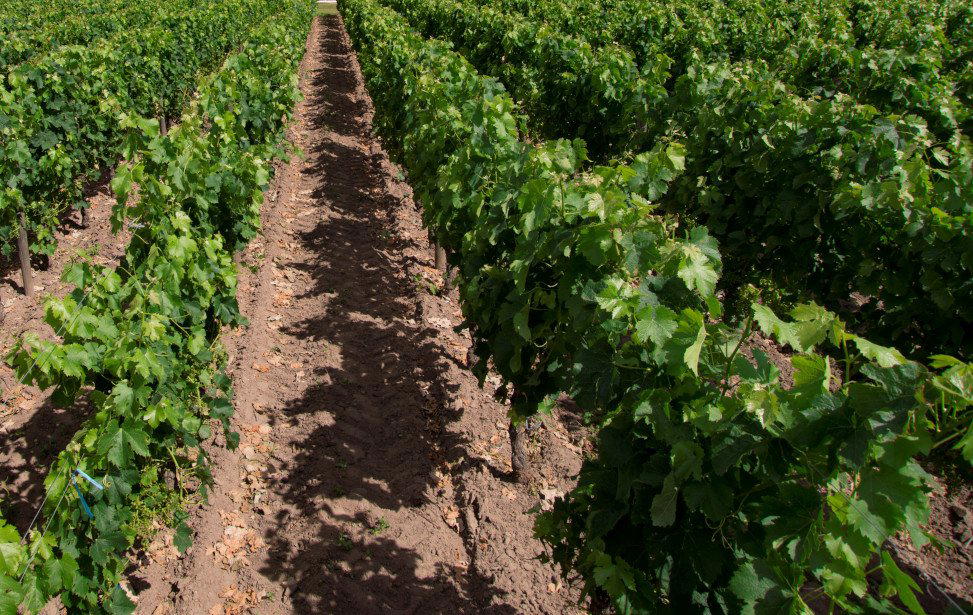
Château d'Aiguilhe Querre in Pomerol is best described through a focused Right Bank lens: a small Bordeaux estate associated with concentrated yet silky Castillon-Côtes de Bordeaux reds. The picture is deliberately concise, centered on power, softness, clay-limestone terroir, and careful small-scale cellar work rather than on production details or visitor claims. That restraint is useful, because it keeps the venue page anchored in what can be said with confidence: this is not a broad survey of Bordeaux, nor a promise of a particular visit experience, but a compact reading of a wine identity built around texture, depth, and Right Bank character.
Clay-limestone and the softer side of Right Bank power
The grounded identity of Château d'Aiguilhe Querre rests on a clay-limestone plateau and a style that combines concentration with a softer texture. That makes it useful for readers thinking about Right Bank reds beyond broad prestige labels: the emphasis is not on spectacle, but on how power can be shaped into a silkier expression. In this context, concentration should not be read simply as weight or force. The more interesting point is the pairing of density with suppleness, where the wine’s presence is framed by a softer, more polished feel.
What can be stated is narrower and clearer: Château d'Aiguilhe Querre is a small Right Bank Bordeaux estate focused on Castillon-Côtes de Bordeaux reds with a concentrated yet supple profile. The clay-limestone reference matters because it gives the style a grounded sense of place without requiring an over-technical explanation. It suggests a wine identity in which structure and softness are not opposed, but held in balance, with the estate’s small scale reinforcing the sense of focus.
The estate’s stated character points toward meticulous, small-scale cellar work. Without technical specifications, strong reading is stylistic rather than procedural: expect the page’s emphasis to remain on texture, terroir, and the balance between power and softness. That also means avoiding assumptions about methods, volumes, or cellar choices that are not in the available information. The editorial value here is in the shape of the profile itself: concentrated, silky, Right Bank, and rooted in clay-limestone conditions.
A focused Right Bank identity
The winery is presented as a classic, small-scale Right Bank Bordeaux estate. The phrasing matters: the estate is not being positioned through a long list of external credentials, but through a compact set of defining cues. Those cues are enough to place it within a recognizable Bordeaux frame while still keeping the description measured.
For readers using Pomerol as a base, the distinction is useful in a general way. Pomerol is strongly associated with Right Bank red-wine culture, while other Bordeaux appellations can offer different expressions of clay, limestone, scale, and market identity. The winery fits into that broader conversation as a compact estate focused on concentration and silkiness. Its usefulness on the page is therefore comparative as much as descriptive: it helps clarify how a Right Bank red can be discussed through feel and balance rather than only through status, reputation, or scale.
Particularly reliable hook is therefore the estate’s core style: a classic Right Bank Bordeaux profile, price level $$, and Castillon-Côtes de Bordeaux reds described through power, softness, and careful small-scale work. That limitation is not a weakness if read properly. It keeps the venue entry clean and avoids overstating what is known, while still giving readers a clear reason to understand the estate in terms of texture, terroir, and restrained Right Bank concentration.
How to read the wine in context
The practical lens is stylistic rather than prescriptive. The winery is associated with concentrated yet silky red wine, so particularly useful expectation is a Right Bank Bordeaux expression that aims for depth without losing softness. In other words, the point is not to predict every sensory detail, but to set the right frame: a red wine profile where power is present, yet moderated by suppleness and a smoother impression.
For a broader Pomerol stay, use this venue as one reference point within the area’s wider wine landscape. It can sit in the guide as a concise marker for small-scale Right Bank Bordeaux, especially for readers interested in how clay-limestone conditions, Castillon-Côtes de Bordeaux identity, and a concentrated yet silky style can be understood together. Read it as a focused profile rather than a comprehensive estate dossier: the value lies in the clarity of its positioning and the careful limits of what the page claims.
Recognition history
Dated appearances from independent guides and award organizations, with the underlying list record or original source where available.
Falstaff Winery - Listed
Falstaff
At a Glance
- Classic
- Rustic
- Intimate
- Romantic Getaway
- Solo Exploration
- Wine Education
- Estate Grounds
- Vineyard
- Castillon Côtes De Bordeaux AOC
- Merlot
- Cabernet Franc
- Still Red
Small right-bank Bordeaux estate focused on crafting concentrated yet silky Castillon-Côtes de Bordeaux reds that combine power with softness, reflecting its clay-limestone plateau terroir and meticulous, small‑scale cellar work.