
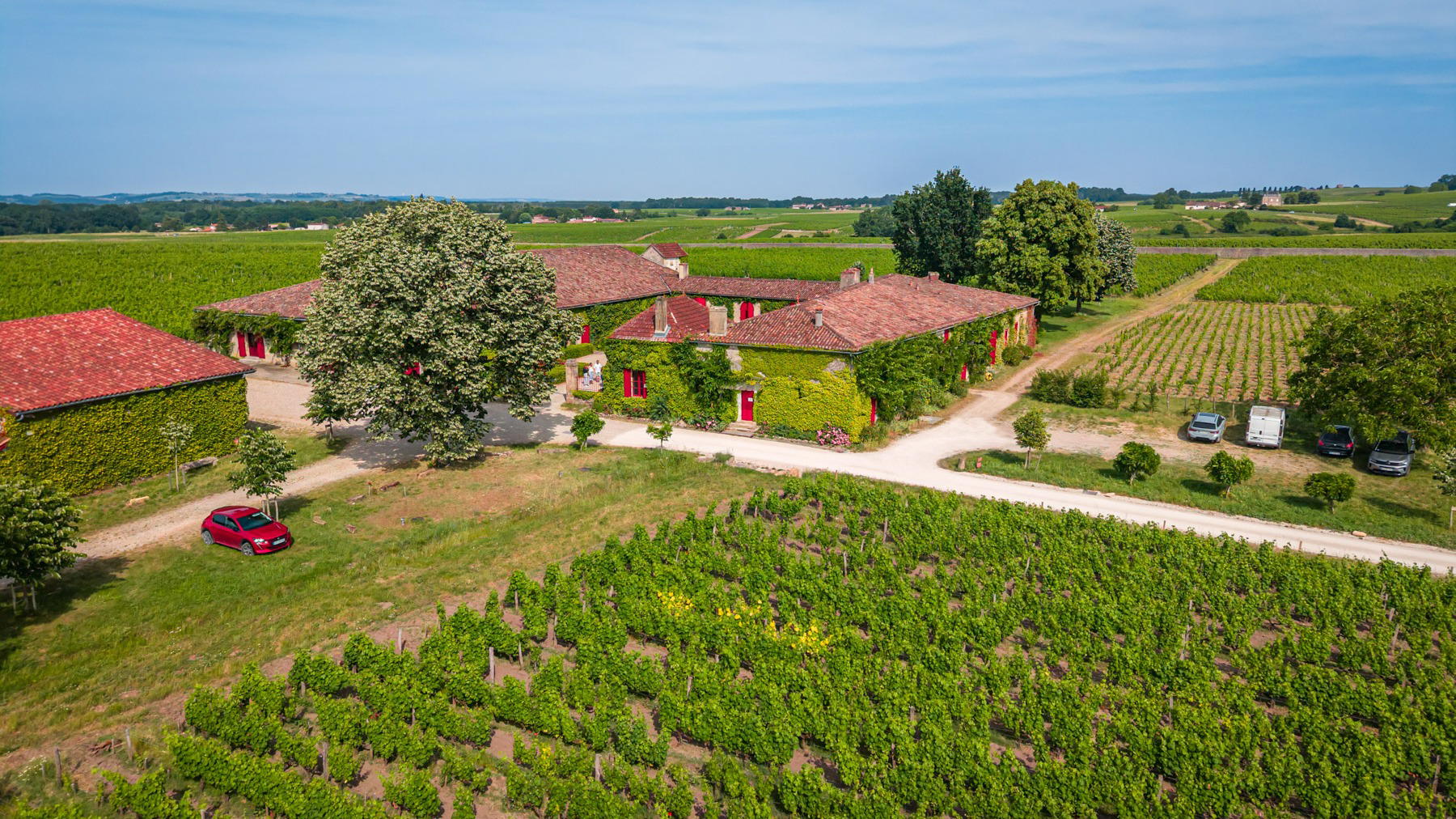
Château Cantegril is a small Barsac estate tied to the Dubourdieu family, working the appellation’s clay-over-limestone plateau through a sweet-wine lens rather than sheer richness. Its 10.5 hectares, mature vines, small annual production and appointment-only visit format make it a focused stop for travelers interested in how Sémillon, noble rot and Barsac’s chalky freshness shape the glass.
Pearl is the En Primeur Club membership app — saves, bookings, and concierge access live there. Same editors, same standards.
- Address
- Barsac, Sauternes, Nouvelle-Aquitaine, Frankreich
 Saves & bookings on Pearl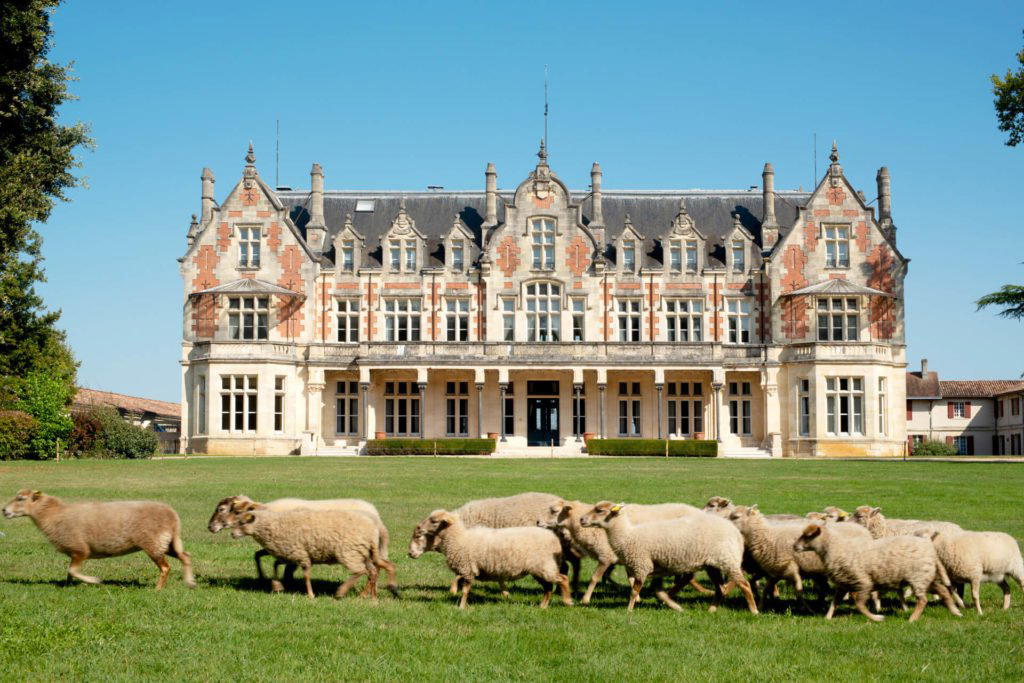
Château Cantegril is a Barsac estate best understood through the essentials: it is presented as a historic property focused on elegant, fruit-driven sweet wines, with a style shaped by freshness, vivacity and chalky limestone terroir. For travelers or collectors looking at Barsac, that description matters because it frames the estate less around grandeur or heaviness and more around balance, lift and a classic sweet-wine identity.
The reliable profile available for Château Cantegril is deliberately narrow. The estate is in Barsac, the price level is listed as $$$, and the house character is described as classic and refined. Rather than filling those gaps with assumptions, the useful approach is to read Cantegril through the style notes: elegant sweetness, fruit clarity and the freshness associated with chalky limestone soils.
Barsac limestone and the lighter side of sweet Bordeaux
Barsac is closely associated with sweet-wine traditions, and Château Cantegril’s positioning sits firmly within that frame. The estate’s wines are described as expressing a classic Sauternes/Barsac character while avoiding ornate heaviness. That is the key distinction to keep in mind. The point is not simply sweetness; it is the impression of refinement, fruit and vivacity.
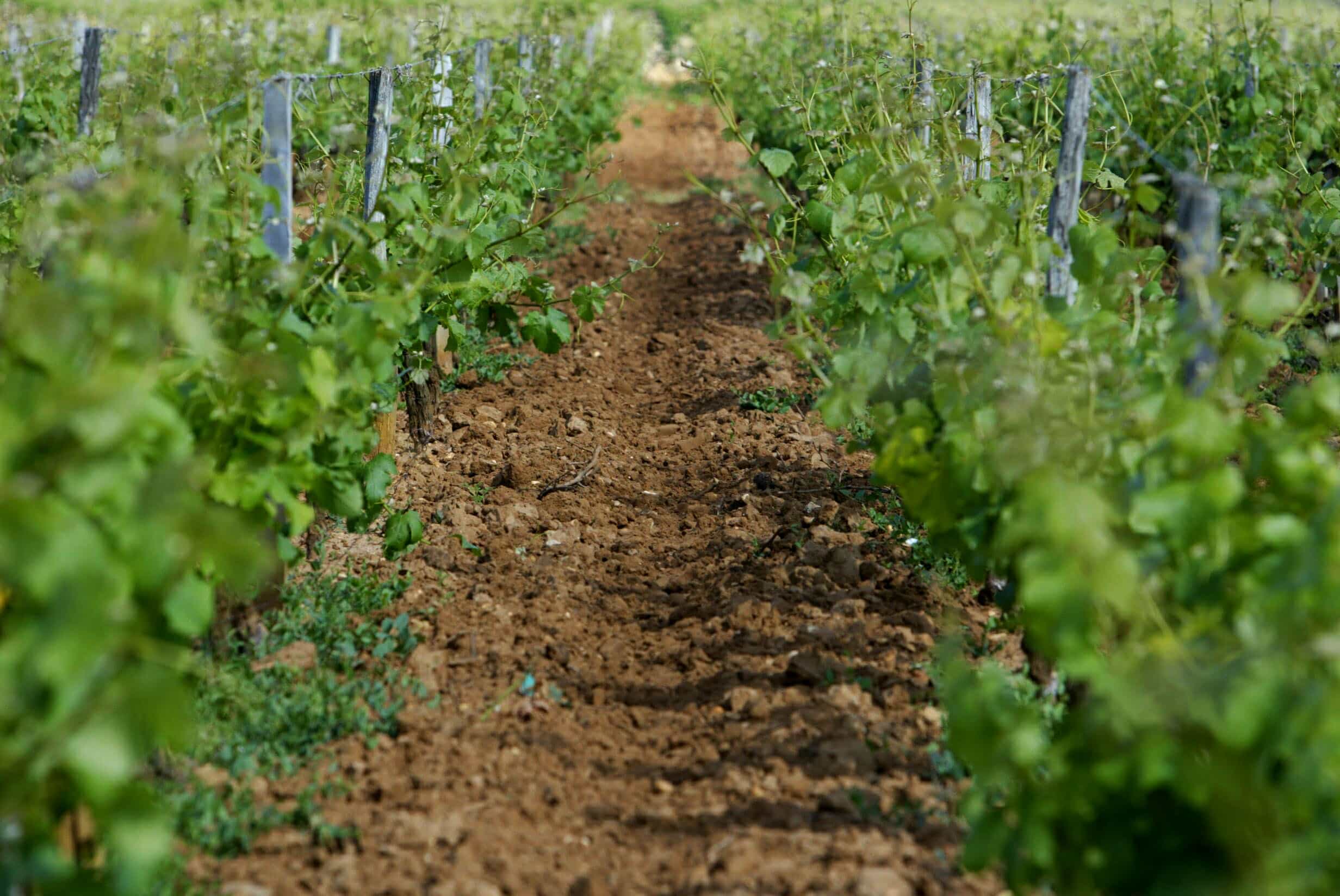
The chalky limestone terroir is one of the few specific elements confirmed so it should carry real weight in how the estate is presented. Limestone is often discussed in wine because it can help shape perceptions of line, brightness and structure. In Cantegril’s case, the language points to freshness and vivacity rather than density. That makes the estate especially relevant for drinkers who are curious about sweet wines that feel precise and lifted instead of broad or heavy.
What can be said with confidence is that winery’s identity is tied to elegant, fruit-driven sweet wines and to a classic Barsac expression shaped by chalky limestone.
A historic château format without the museum treatment
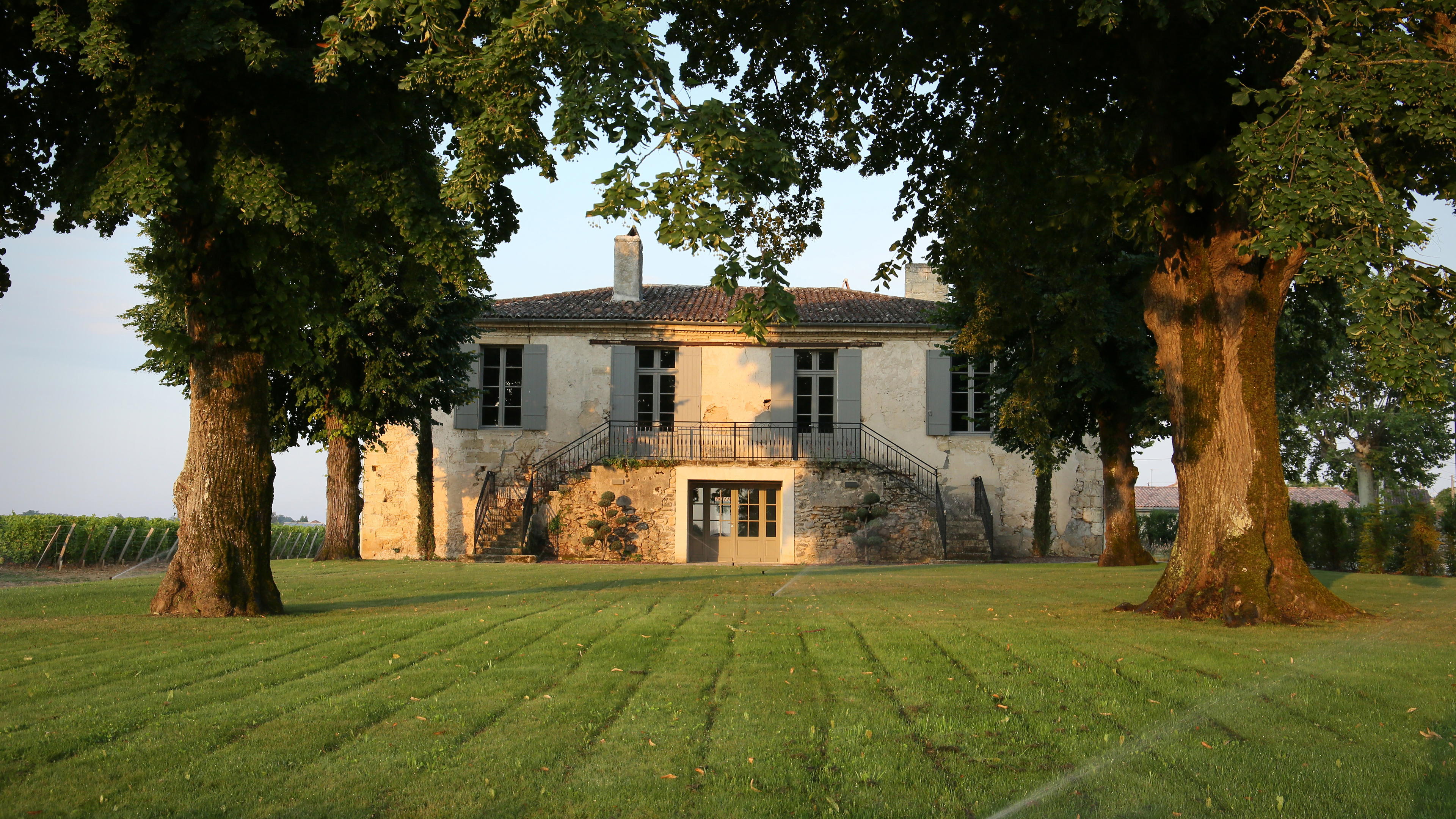
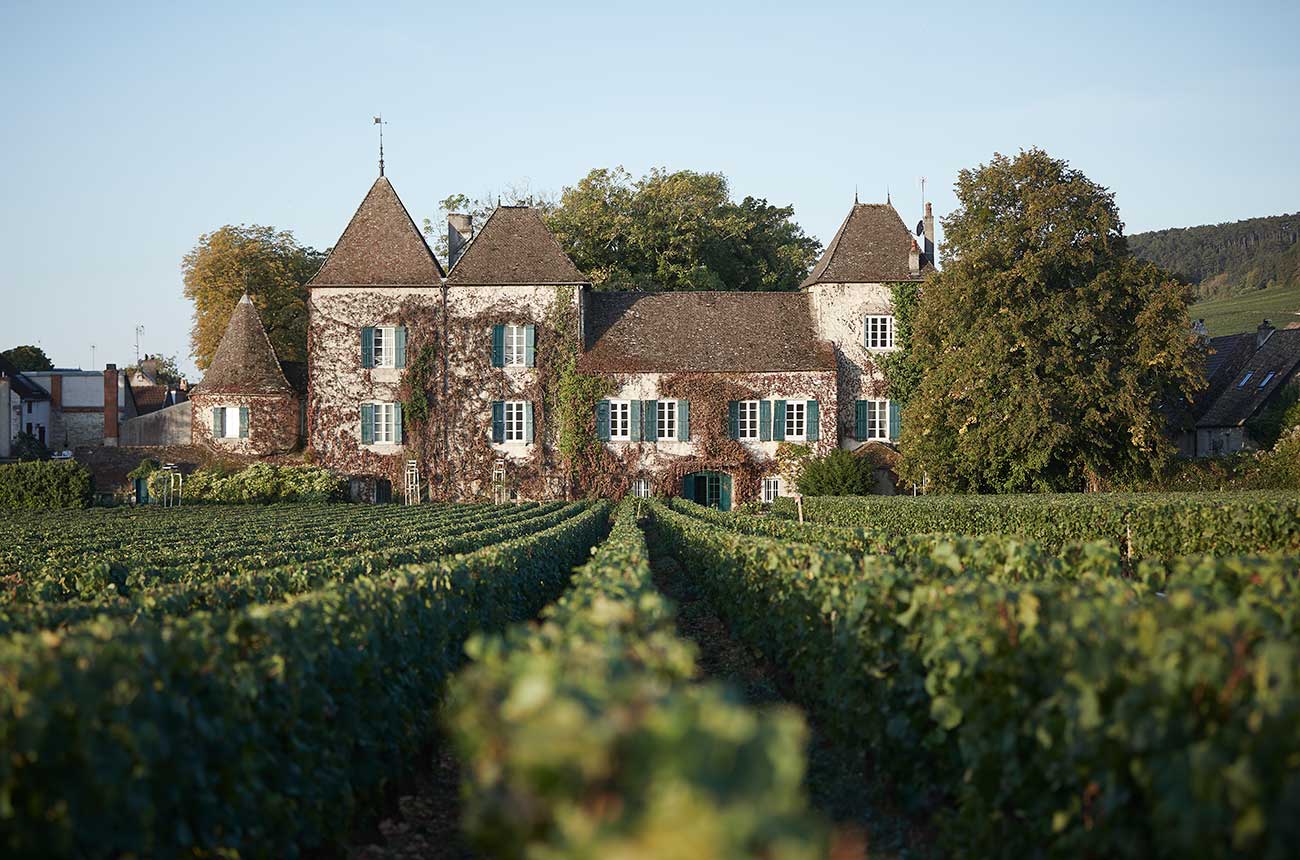
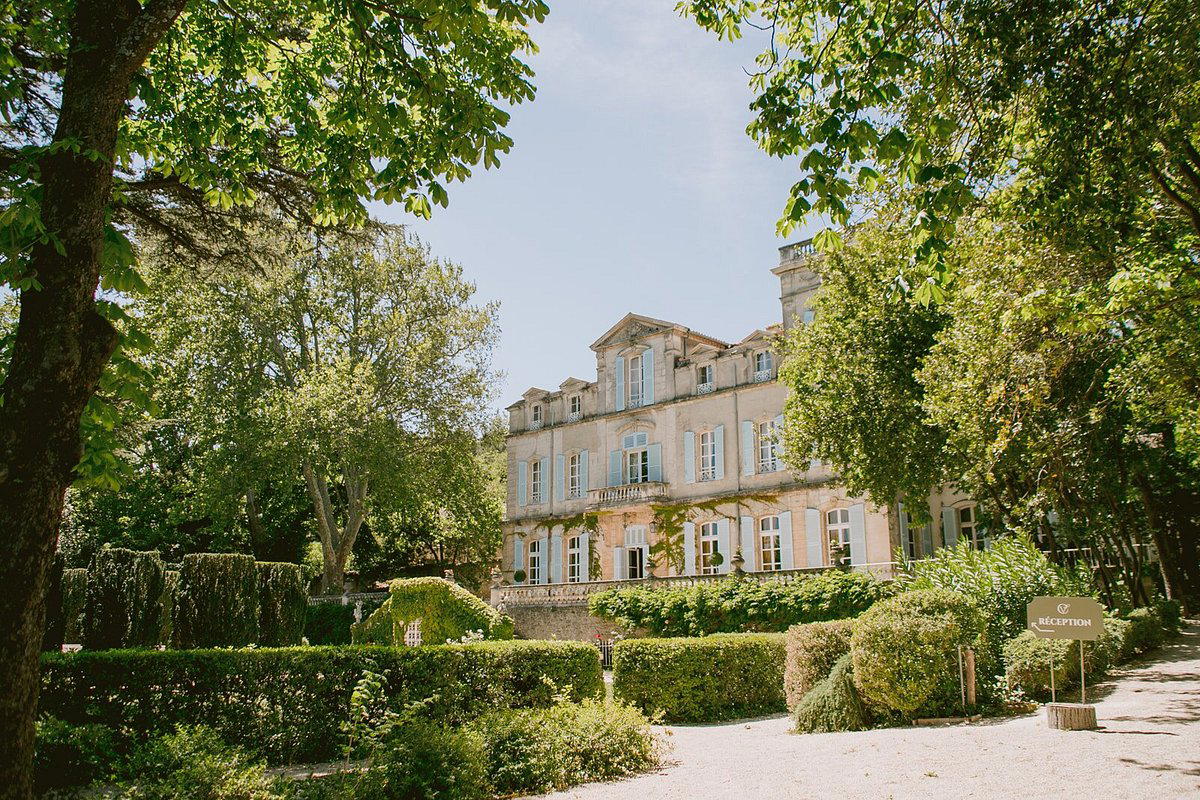
The winery is as a historic Barsac estate. That gives the page a clear sense of place without requiring unsupported detail. The estate should instead be introduced in a restrained way: a historic château in Barsac with a refined sweet-wine profile.
For visitors, the practical takeaway is also limited by the record. Anyone planning a visit should check directly with the winery before making travel decisions. That is especially important in wine regions, where access can vary by season, staffing and production schedule.
Even with those limits, the estate’s appeal is clear enough. The winery is not being positioned here as a broad hospitality complex or a restaurant-style destination. The information supports a more focused portrait: a Barsac estate associated with classic, elegant sweet wines, a fruit-driven profile and the freshness of chalky limestone terroir. That is a strong enough foundation for travelers who prioritize wine style over spectacle.
How to place Cantegril in a Barsac itinerary
In a Barsac itinerary, the winery is best treated as a reference point for a refined, fresh expression of sweet wine. The safest planning advice is simple: consider it as part of a Barsac-focused wine route, but verify access, timing and any tasting arrangements with the estate itself.
Comparison should also stay local and general. That keeps the focus where it belongs: on Cantegril’s own profile rather than on unsupported rankings or borrowed prestige.
The case for the winery is clearest for drinkers who want sweetness with elegance. The notes emphasize fruit, refinement, freshness and vivacity, all tied to Barsac’s chalky limestone setting. If your interest in sweet Bordeaux leans toward balance rather than weight, Cantegril is a name to keep in view. Just treat the limited public details carefully, confirm practical arrangements before visiting, and approach the estate for what the profile supports: a historic Barsac château with a classic, refined sweet-wine character.
Recognition history
Dated appearances from independent guides and award organizations, with the underlying list record or original source where available.
Falstaff Winery - Listed
Falstaff
Continue exploring
More in Barsac
At a Glance
- Classic
- Elegant
- Scenic
- Romantic
- Well Known
- Romantic Getaway
- Special Occasion
- Wine Education
- Group Outing
- Solo Exploration
- Estate Grounds
- Vineyard Tour
- Historic Building
- Sustainable
- Vineyard
- Garden
- Barsac AOP
- Semillon
- Sauvignon Blanc
- Dessert
- Still White
- Estate Tasting
- Vineyard Tour
Historic Barsac estate focused on elegant, fruit-driven sweet wines that express the freshness and vivacity of its chalky limestone terroir, offering a classic, refined Sauternes/Barsac character rather than ornate heaviness.