Château Beaumont

Château Beaumont gives Haut-Médoc visitors a classic left-bank lens: gravel soils, Cabernet-led blends, a 19th-century château setting, and guided tastings built around wine education rather than spectacle. The estate’s Cru Bourgeois Supérieur status, Terra Vitis farming, and 114-hectare single-block vineyard make it a useful stop for understanding how scale and structure work in this part of Bordeaux.
Pearl is the En Primeur Club membership app — saves, bookings, and concierge access live there. Same editors, same standards.
- Address
- Cussac-Fort-Médoc, Haut-Médoc, Nouvelle-Aquitaine, Frankreich
- Directions
- Get directions
 Saves & bookings on Pearl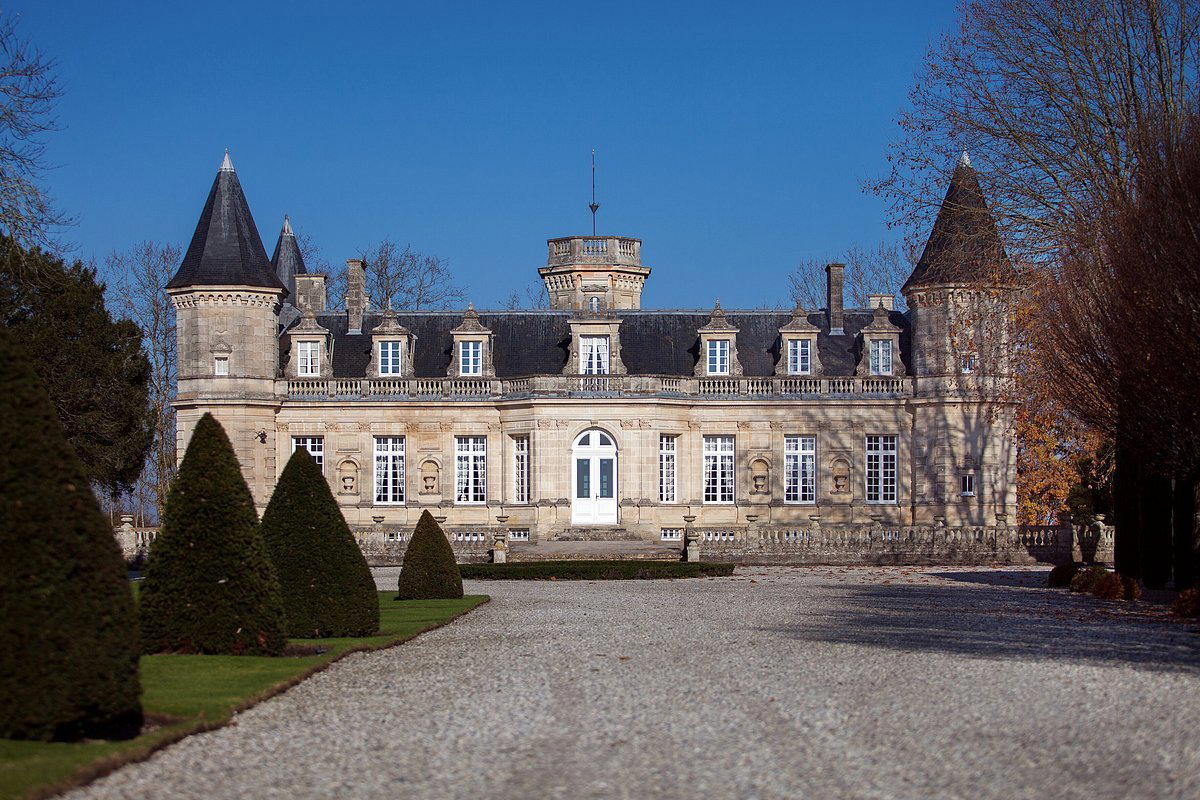
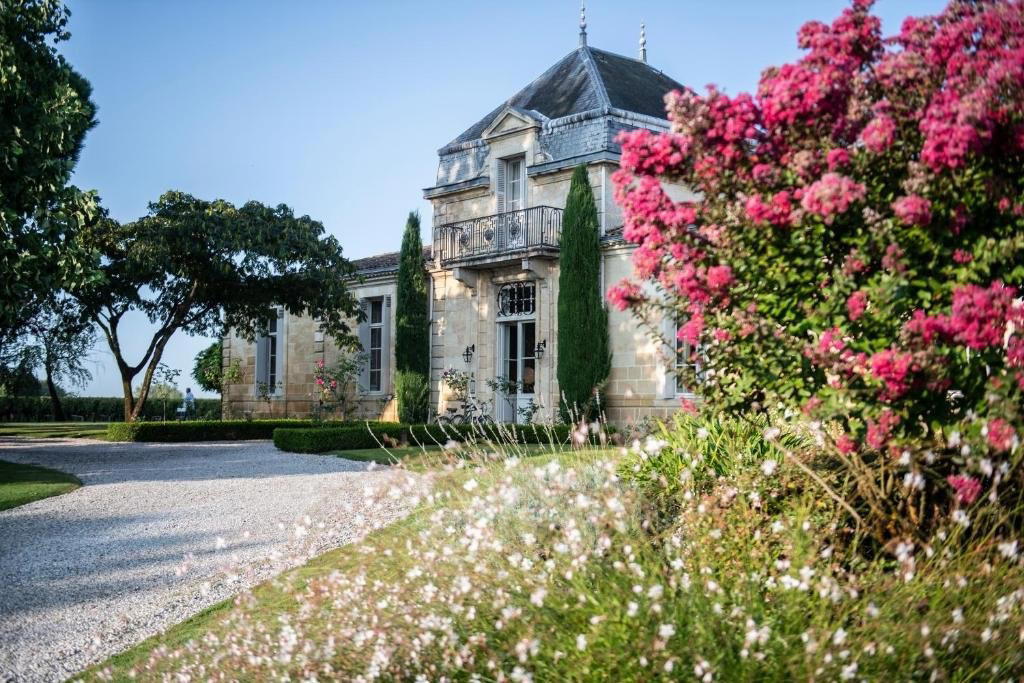
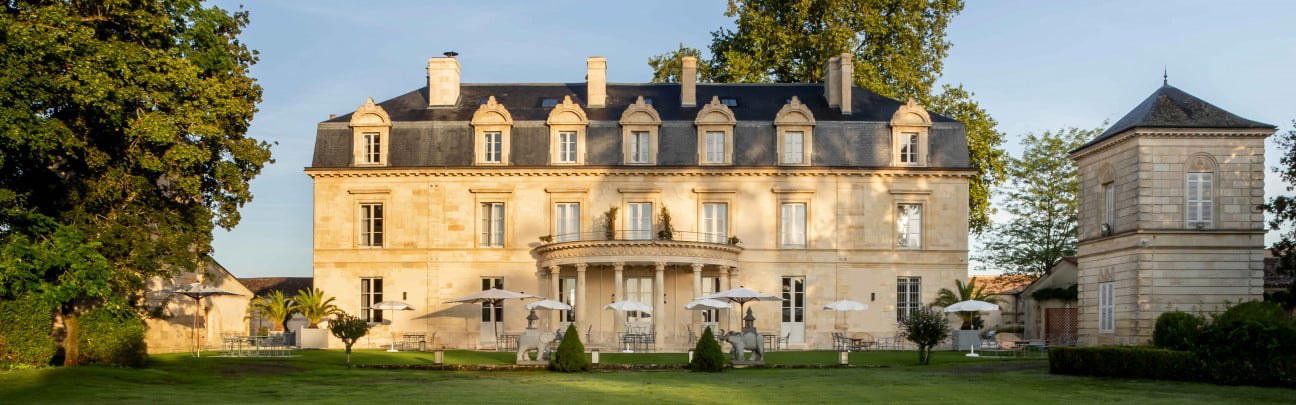
Approaching a Haut-Médoc château, the first lesson is usually spatial: gravel under vine, ordered rows, a house built to signal permanence, and a pace that rewards attention. Château Beaumont fits that older left-bank grammar. The setting is a historic Mansart-style château framed by vineyards and garden views, with tastings shaped less around performance than around the mechanics of Bordeaux: site, blend, barrel, time.
That matters in Cussac Fort Medoc because the local wine conversation is not only about famous labels. It is also about how the Haut-Médoc translates deep gravel and a temperate Atlantic climate into structured red wine. Château Beaumont sits in that educational lane. Its format suits visitors who want to understand the region through a working estate rather than treat a château visit as a photo stop.
Gravel, Cabernet and the Haut-Médoc argument
The estate’s clearest signal is scale with continuity. Its vineyard covers approximately 114 hectares in a single block, a meaningful figure in Bordeaux because fragmented holdings often complicate both farming and house style. Here, the conversation can stay focused on one broad sweep of Haut-Médoc ground, where drainage and warmth favor Cabernet Sauvignon while Merlot rounds the blend.
The planting mix makes that argument explicit: 53% Cabernet Sauvignon, 40% Merlot, 4% Cabernet Franc, and 3% Petit Verdot. In practical terms, this places the wines inside the left-bank tradition of Cabernet structure, but not at the severe end of the spectrum. The estate’s stated profile leans toward mellow tannins and balance, a useful reminder that Haut-Médoc does not speak in a single register.
Production details reinforce the regional grammar. Fermentation takes place in temperature-controlled stainless-steel vats, followed by around three weeks of maceration. Maturation runs 12 to 14 months in French oak, with roughly one-third new barrels. Those choices are conventional in the serious Bordeaux sense: enough extraction and oak to frame the wine, not a technical display for its own sake.
The estate’s Cru Bourgeois Supérieur status is the main external trust signal here. In the Médoc, Cru Bourgeois sits outside the 1855 classified-growth hierarchy but remains a useful marker for estates that need to compete on consistency, value, and appellation character. Château Beaumont also practices Terra Vitis integrated farming, a concrete sustainability marker rather than a vague environmental claim.
A château visit built around instruction, not theatre
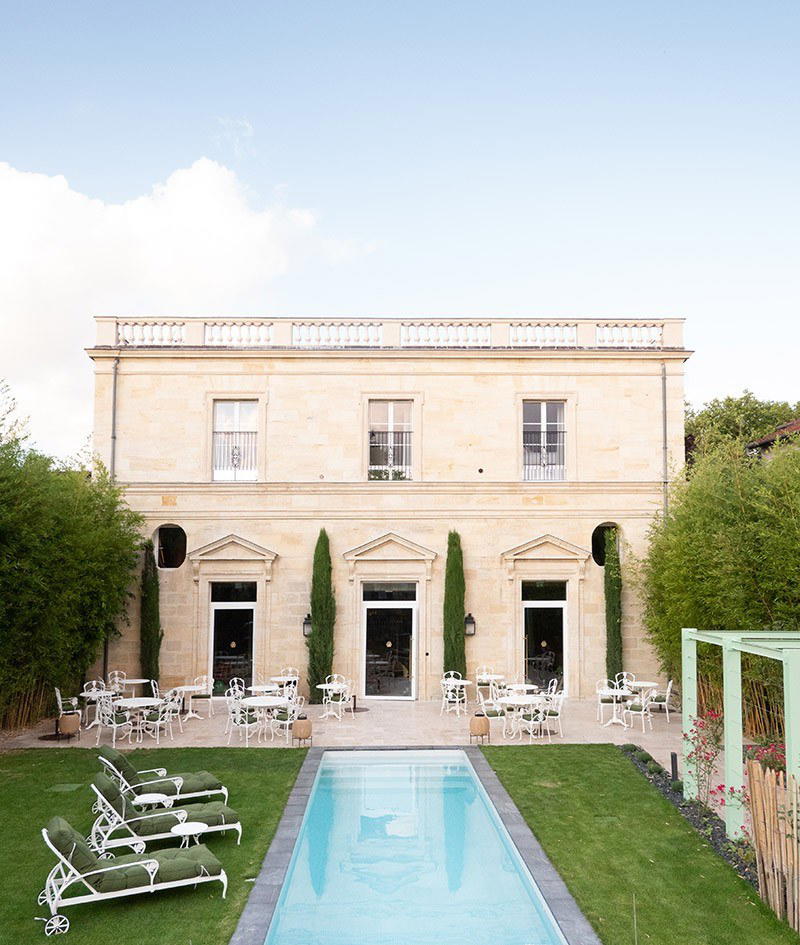
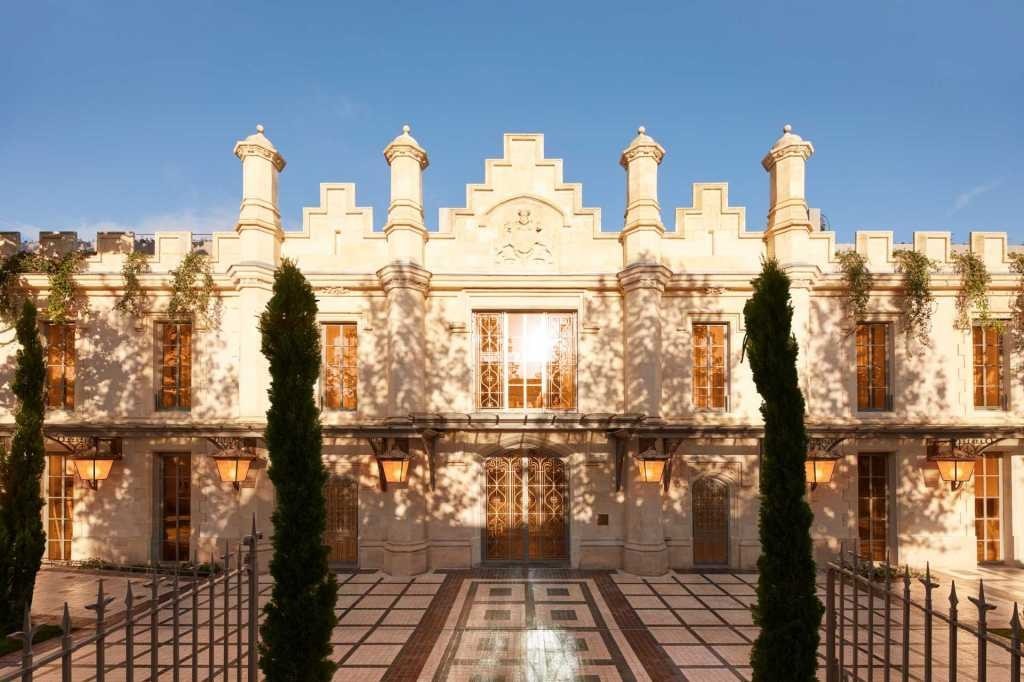
The visitor experience follows the same disciplined tone as the wines. Guided tastings, vertical tastings, and estate tour-plus-tasting formats suit people who want a structured explanation of how vintage variation, blending, and ageing shape a Haut-Médoc bottle. The atmosphere is quiet and professional, with the architecture and vineyard setting doing enough visual work without needing extra staging.
Château itself dates to 1854, while winegrowing on the estate began in 1824. Those dates matter less as romance than as context: Bordeaux estates often ask visitors to read time through buildings, vineyard expansion, ownership changes, and cellar practice. Beaumont’s history includes 12 proprietors over the centuries and, since 1986, ownership by Société Grands Millésimes de France, co-owned by Castel Group and Suntory. That mix of old property and modern corporate stewardship is common in Bordeaux, where heritage and capital are rarely separate forces.
For a tasting route in Cussac Fort Medoc, Beaumont works well as a grounding stop before or after reading more widely across the commune. Nearby winery pages such as Château du Moulin Rouge, Château du Retout, Château Lamothe-Bergeron, and Château Lanessan help map the broader local circuit without reducing the area to a single château visit.
Where it fits in a Cussac Fort Medoc itinerary
The winery is strongest for wine education, group outings, solo exploration, and a calm château-format tasting. It is not built around food pairing or casual terrace drinking; the point is the guided encounter with an estate whose vineyard scale, blend composition, and sustainable farming give visitors specific material to work with. The 75-minute tour duration also makes it easy to position within a wider Médoc day.
For planning beyond the glass, EP Club’s local guides can frame the rest of the stay: Our full Cussac Fort Medoc wineries guide, Our full Cussac Fort Medoc restaurants guide, Our full Cussac Fort Medoc hotels guide, Our full Cussac Fort Medoc bars guide, and Our full Cussac Fort Medoc experiences guide.
Readers building a broader French wine itinerary can also look beyond Bordeaux through A. Margaine in Villers-Marmery, Abbaye de Fontfroide in Narbonne, Abbotts & Delaunay in Marseillette, and Advini in Saint Felix De Lodez. For a wider European contrast, »der Steiner« Hans Steiner in Podersdorf am See and & Handwein in Mannheim show how different regions frame hospitality around wine culture.
Recognition history
Dated appearances from independent guides and award organizations, with the underlying list record or original source where available.
Falstaff Winery - 1 Stars
Falstaff
Continue exploring
More in Cussac Fort Medoc
Wineries in Cussac Fort Medoc
Browse all →
Bars in Cussac Fort Medoc
Browse all →

Restaurants in Cussac Fort Medoc
Browse all →
At a Glance
- Classic
- Scenic
- Historic
- Sophisticated
- Group Outing
- Wine Education
- Solo Exploration
- Romantic Getaway
- Estate Grounds
- Vineyard Tour
- Historic Building
- Private Tasting
- Sustainable
- Vineyard
- Garden
- Haut Médoc AOC
- Cabernet Sauvignon
- Merlot
- Petit Verdot
- Still Red
- Guided Tasting
- Vertical Tasting
- Estate Tour Plus Tasting
Historic Haut-Médoc estate with a classic Bordeaux château setting, offering structured guided tastings in a calm, professional atmosphere focused on wine education.