Château Alcée

Falstaff Winery - Listed
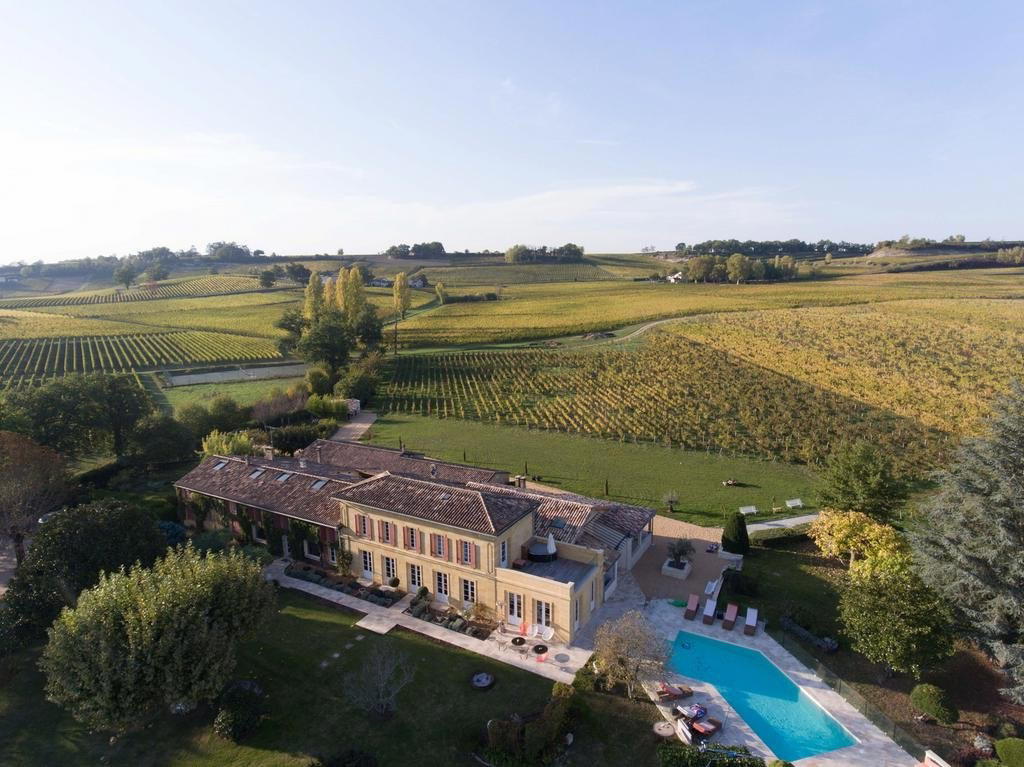
Château Alcée is a small Castillon, Côtes de Bordeaux estate in Saint Cibard, led by Nicolas Thienpont and focused on Merlot-driven reds from clay-limestone and asteriated limestone soils. Its appeal lies in proportion rather than scale: 6.5 hectares, small production, and a style built around freshness, minerality, and Right Bank fruit without the weight often associated with more famous Bordeaux addresses.

Pearl is the En Primeur Club membership app — saves, bookings, and concierge access live there. Same editors, same standards.
- Address
- Saint-Cibard, Cotes de Castillon, Nouvelle-Aquitaine, Frankreich
- Directions
- Get directions
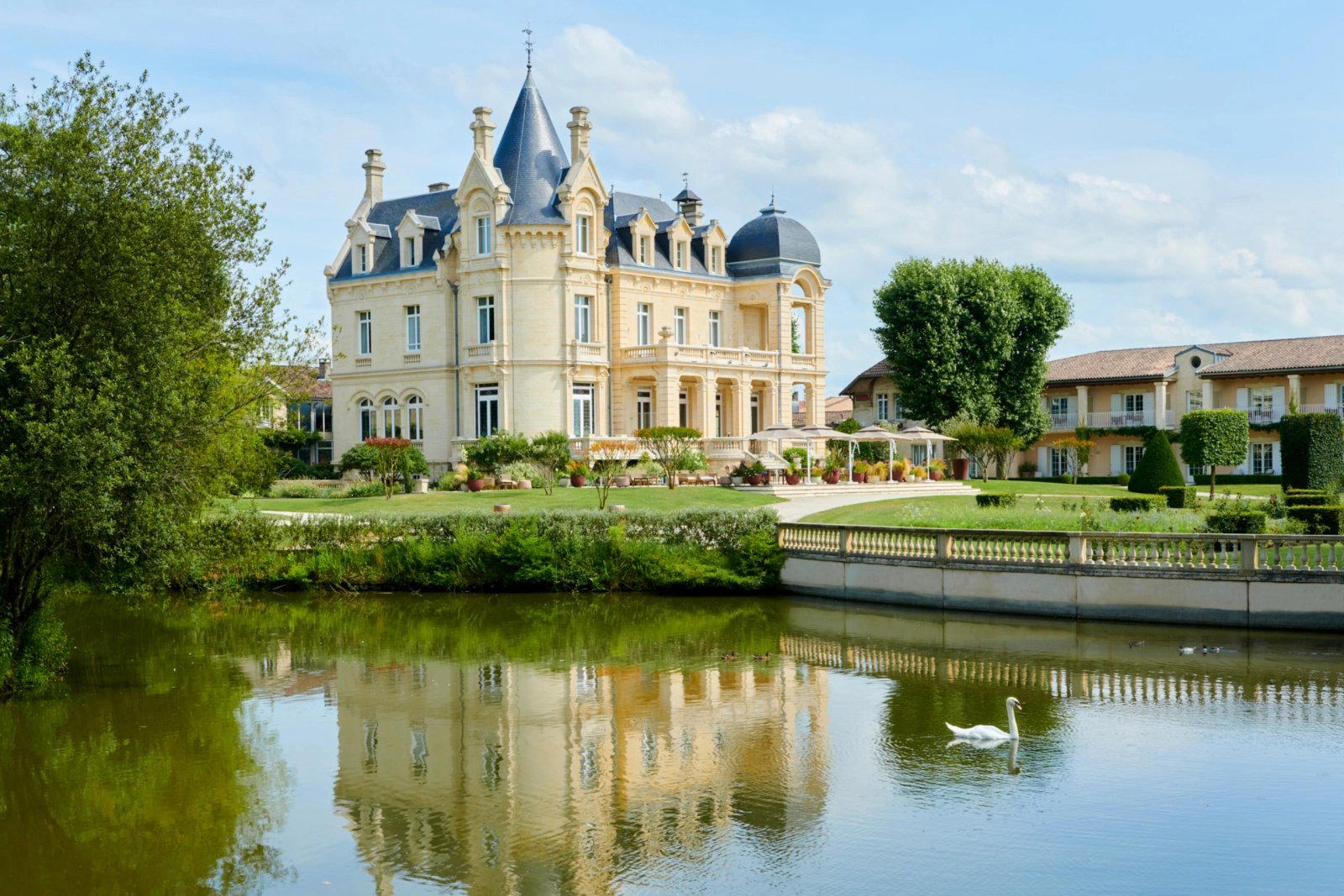
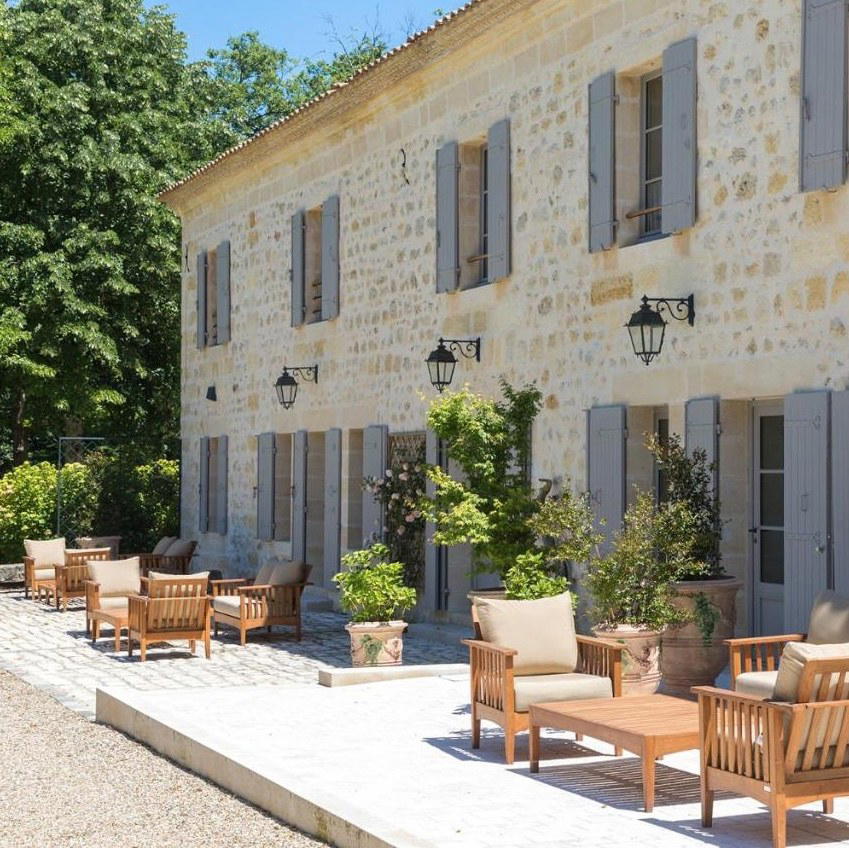
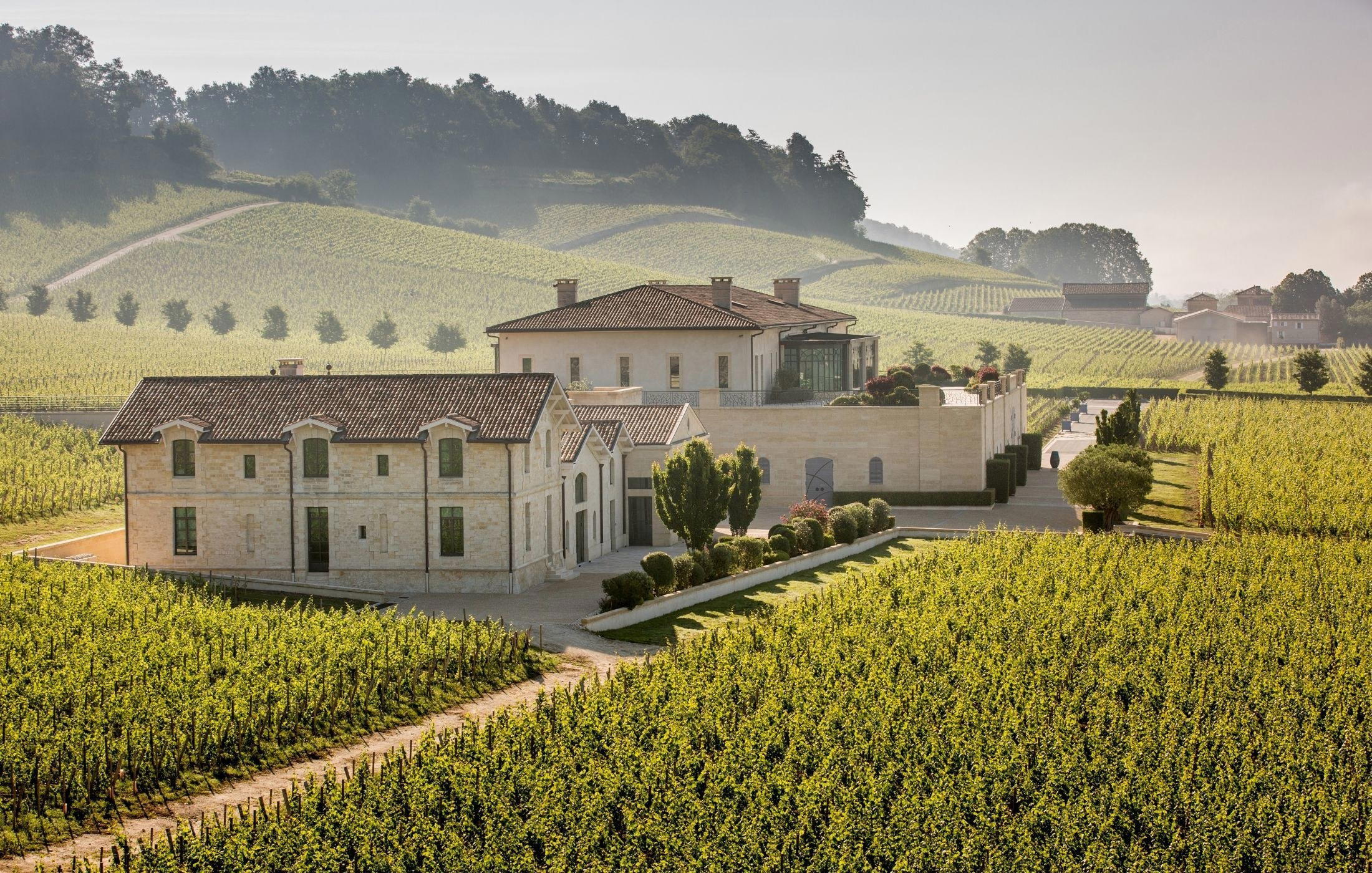
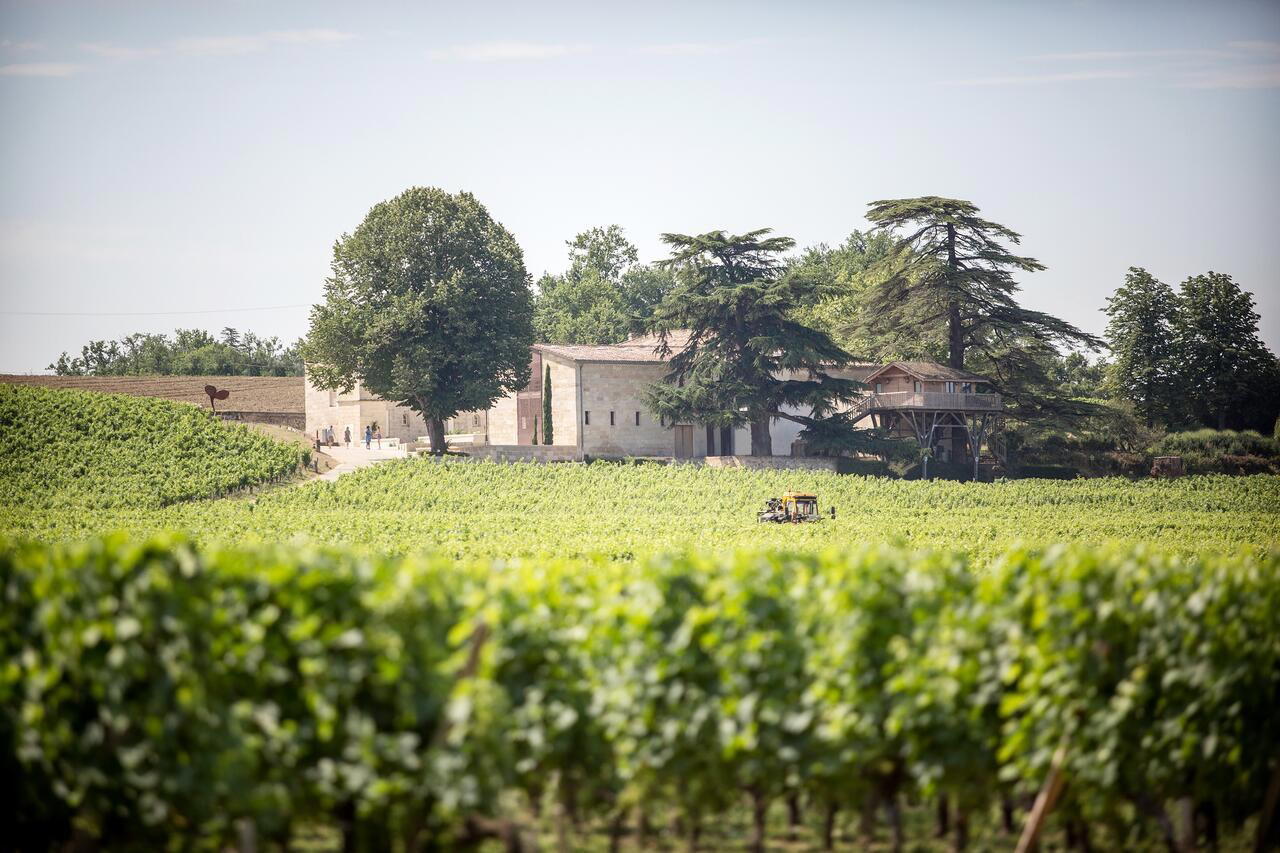
Château Alcée is a small, terroir-focused Bordeaux wine estate in Saint Cibard. Its reputation rests on fresh, juicy, minerally red wines rather than on grandeur, theatrical storytelling, or showy hospitality. For travelers looking beyond the better-known names of Bordeaux, it reads as a quiet, rustic, understated stop with a hidden-gem feel: the kind of address whose interest comes from restraint, place, and the character of the wine rather than from a highly polished visitor narrative.
A terroir-focused Bordeaux estate in Saint Cibard
The most reliable way to understand Château Alcée is as a quality-driven producer with a modest profile. The picture is deliberately simple: a small Bordeaux wine estate in Saint Cibard, associated with reds that emphasize freshness, juiciness, and mineral character. That combination matters because it places the estate on the more grounded end of the Bordeaux spectrum. It is not being framed through scale, luxury, or grand architectural presence, but through the sensory language of the wines themselves.
What can be said confidently is that Château Alcée fits the quieter side of Bordeaux: classic in identity, rustic in feel, and focused on terroir rather than spectacle. The estate’s appeal is therefore partly in what it does not try to be. It is not presented as a broad lifestyle destination, nor as a place defined by an extensive public-facing program. Instead, the available profile points toward a compact, serious wine address where the main subject is the red wine and the way it reflects a particular Bordeaux setting.
For visitors who respond to that kind of simplicity, the limited profile can be part of the charm. A small Saint Cibard estate with a reputation for fresh, juicy, minerally reds offers a different rhythm from the more famous Bordeaux names. It suggests a stop where expectations should be tuned to the essentials: place, bottle, texture, and the quiet confidence of a producer whose identity is tied to terroir.
A red-wine address judged by balance, not ceremony
Château Alcée is best approached as an understated Bordeaux producer rather than a destination built around elaborate ceremony. Its appeal is in the character associated with the wines: fresh, juicy, minerally reds from a small estate with a quality-minded reputation. Those descriptors point to balance and drinkability as much as depth. Freshness keeps the wines lifted, juiciness suggests immediate fruit appeal, and mineral character gives the profile a more grounded, place-specific edge.
That makes the estate a thin-data but still useful entry for travelers who are specifically interested in smaller Bordeaux addresses around Saint Cibard. Thin-data does not mean uninteresting; it simply means the planning frame should be cautious and precise. The known appeal is the wine identity, not a long list of confirmed visitor services. For the right traveler, that is enough to justify keeping the name on a shortlist, especially when the goal is to understand Bordeaux through its quieter producers as well as through its more visible landmarks.
The practical takeaway is direct: Château Alcée is a $$ Bordeaux wine estate in Saint Cibard with a quiet, classic, rustic identity. Its draw is not an invented list of amenities or accolades, but the more restrained promise of a small producer known for terroir-focused red wine. That makes it most compelling for visitors who are comfortable with simplicity and who value a clear wine point of view over formal presentation.
In editorial terms, Château Alcée should be read with restraint. The story is not about excess detail, ceremony, or a heavily packaged experience. It is about a small estate, a terroir-minded approach, and red wines described through freshness, juiciness, and minerality. Keeping the emphasis there gives the address the right scale and avoids overstating what is known.
How to place it within a Saint Cibard wine itinerary
Plan around Château Alcée as a quiet Saint Cibard wine stop rather than as a broad hospitality venue. Without details on public opening hours, appointment policy, tastings, tours, or visitor services, it is best to confirm directly before building a route around it. That confirmation step is especially important for smaller wine addresses, where the experience may be less standardized and less publicly documented than at larger Bordeaux estates.
Saint Cibard is better approached with flexible countryside planning and a focus on small wine addresses. Use broader Saint Cibard dining, lodging, bar, and experience research to support the trip, and keep Château Alcée in the itinerary for its grounded identity: a small, terroir-focused Bordeaux estate with fresh, juicy, minerally reds and a classic, understated feel. In that context, it works well as one part of a measured wine day rather than the sole anchor of a tightly scheduled plan.
The most sensible expectation is modest but appealing: Château Alcée belongs on the radar for travelers who want a quieter Bordeaux reference point in Saint Cibard, especially if their interest lies in red wines shaped by freshness, juiciness, mineral character, and a sense of place. Treat it as a hidden-feeling, rustic address to research carefully and confirm directly, not as a guaranteed full-service visitor attraction.
Recognition history
Dated appearances from independent guides and award organizations, with the underlying list record or original source where available.
Falstaff Winery - Listed
Falstaff
Continue exploring
More in Saint Cibard
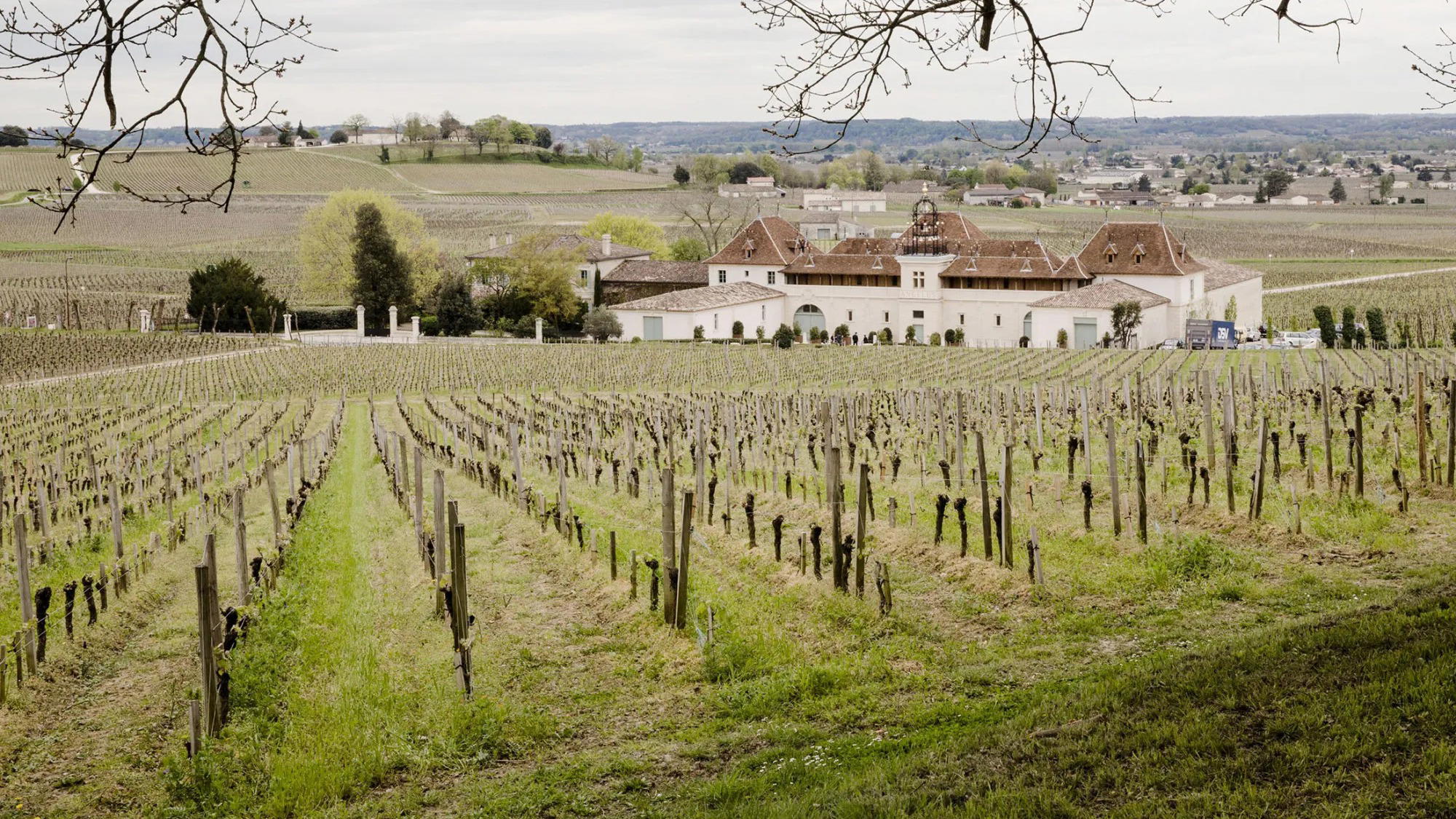
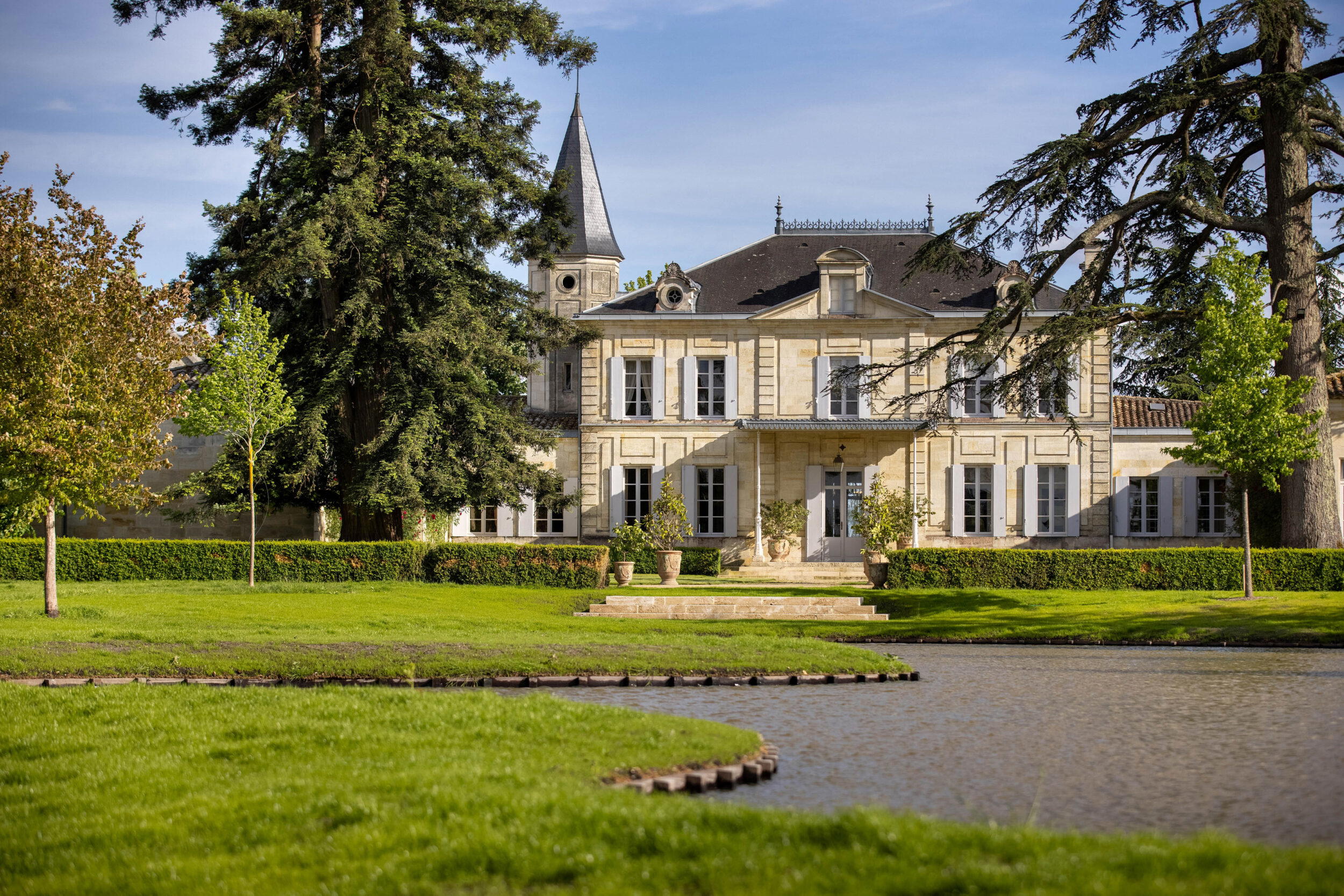
Wineries in Saint Cibard
Browse all →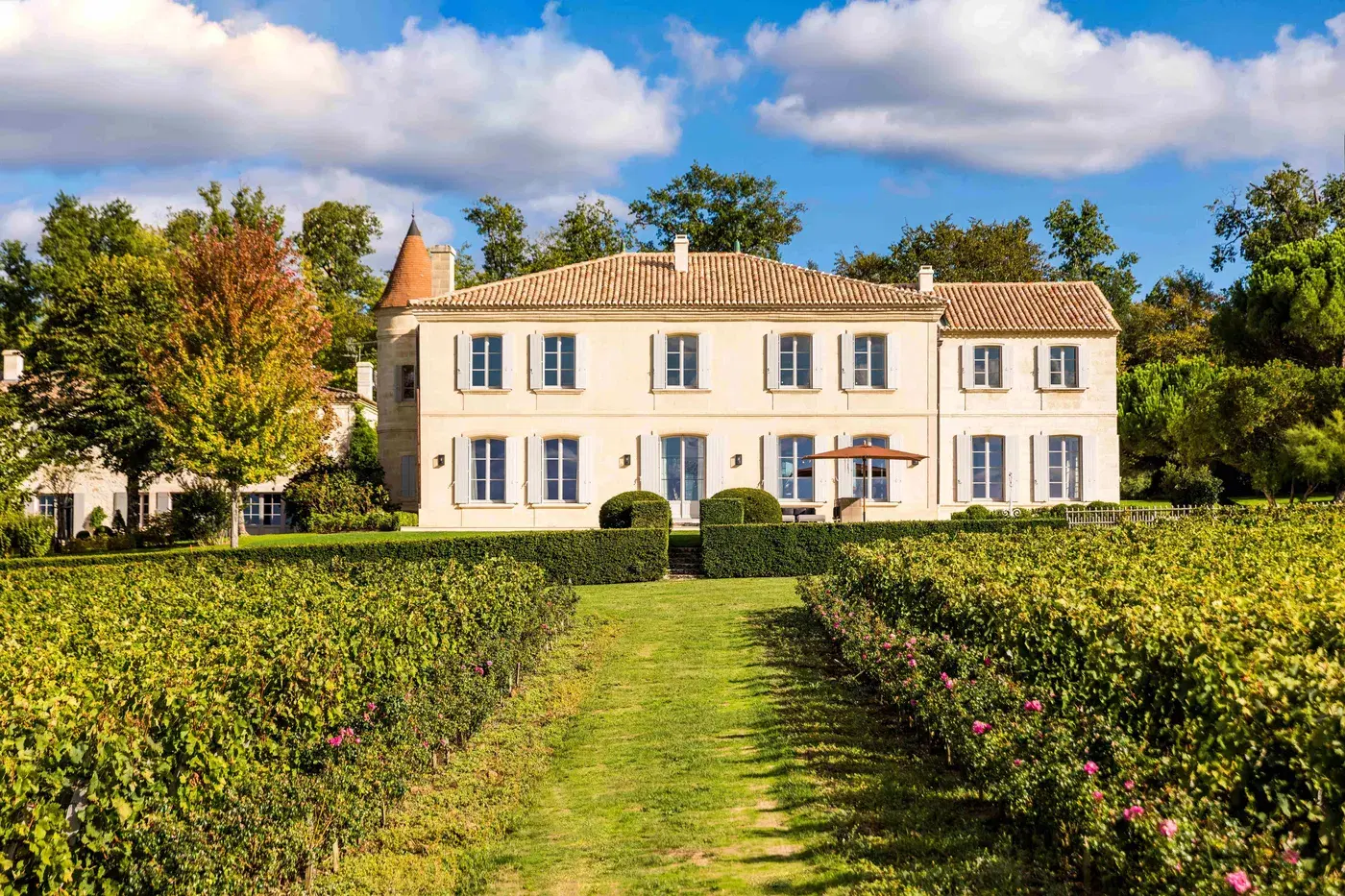
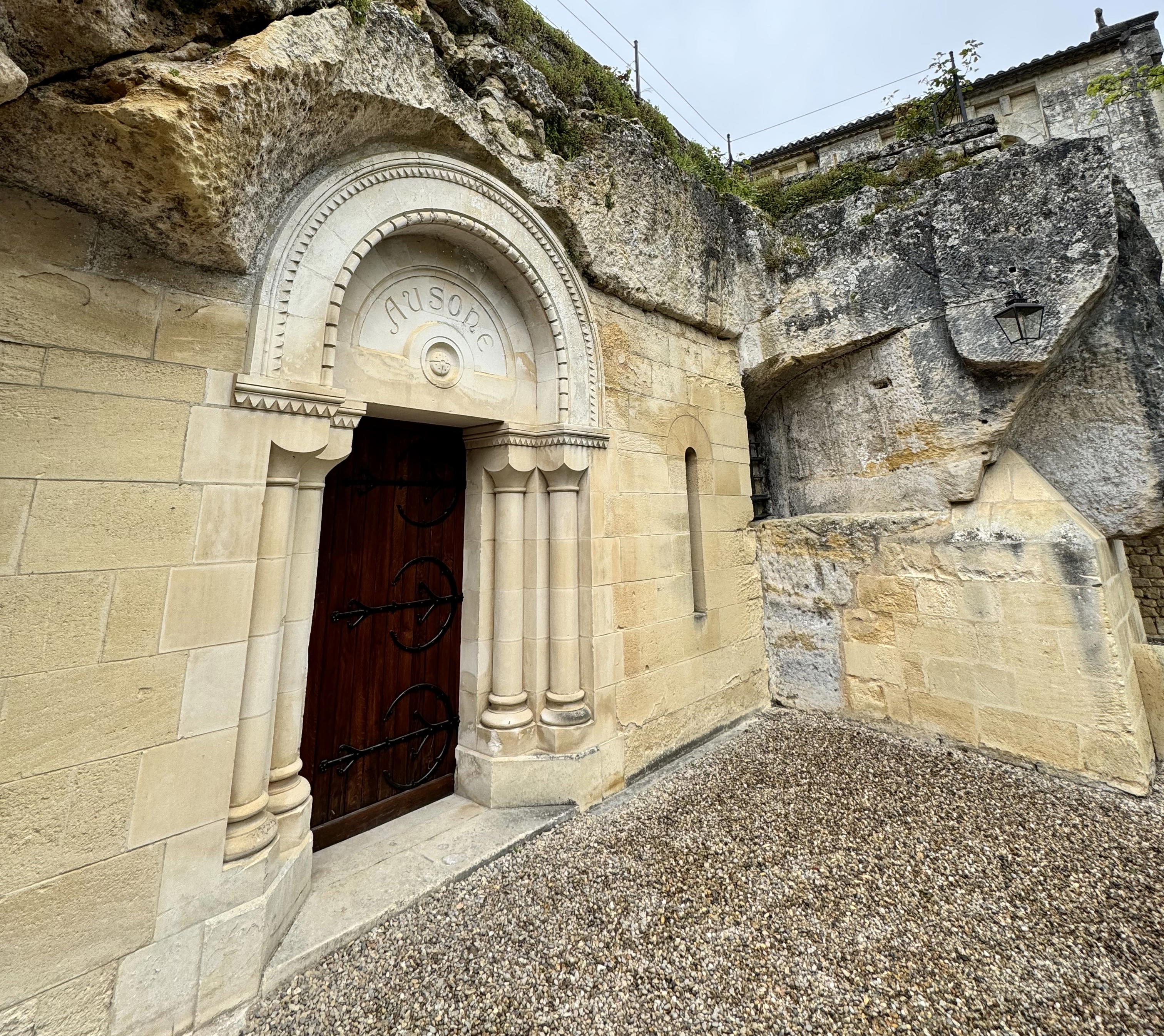
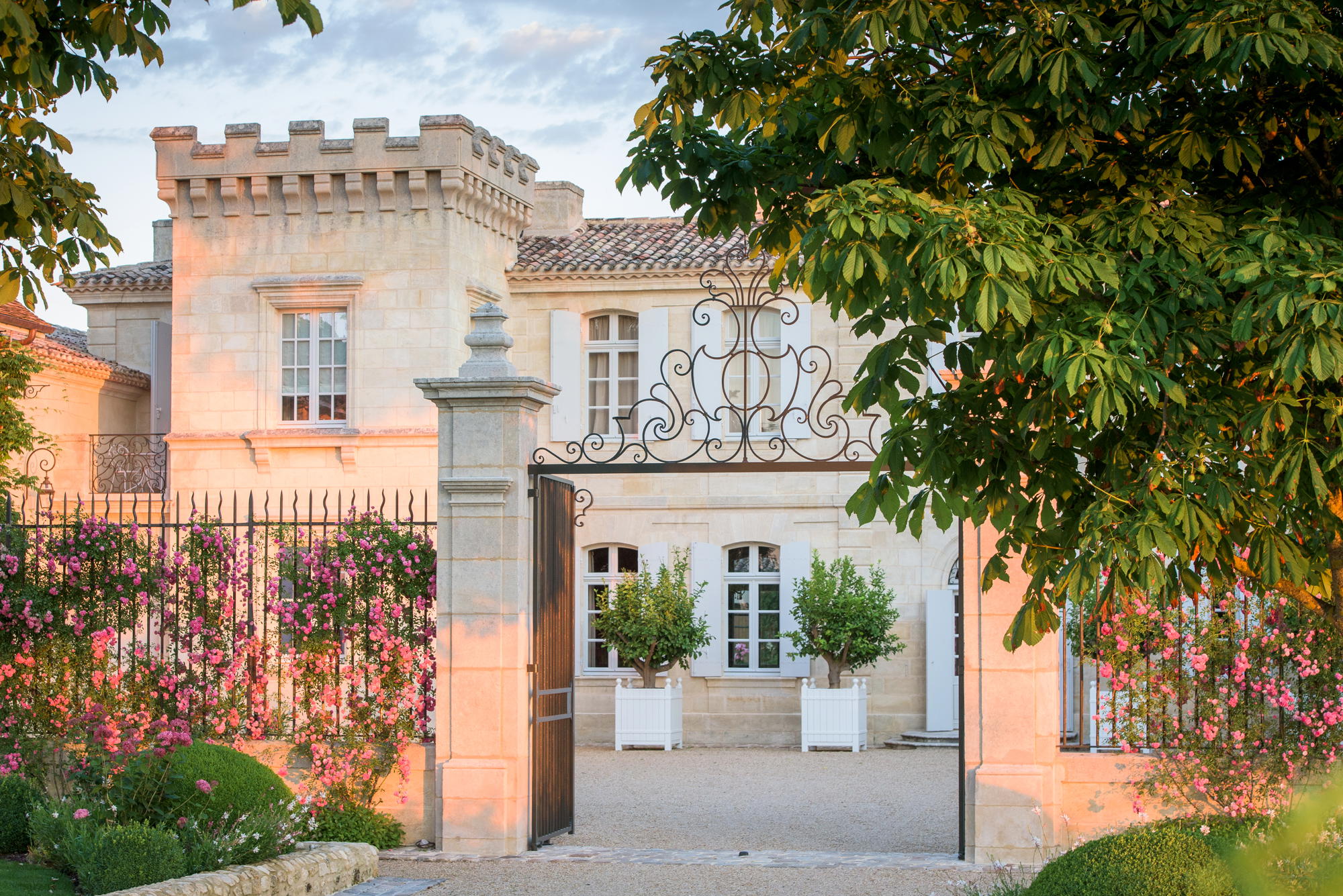
Bars in Saint Cibard
Browse all →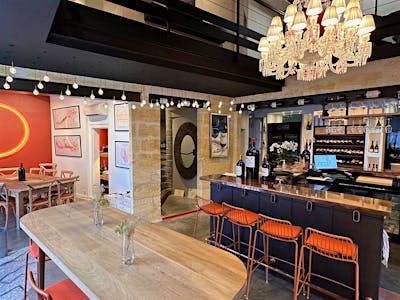
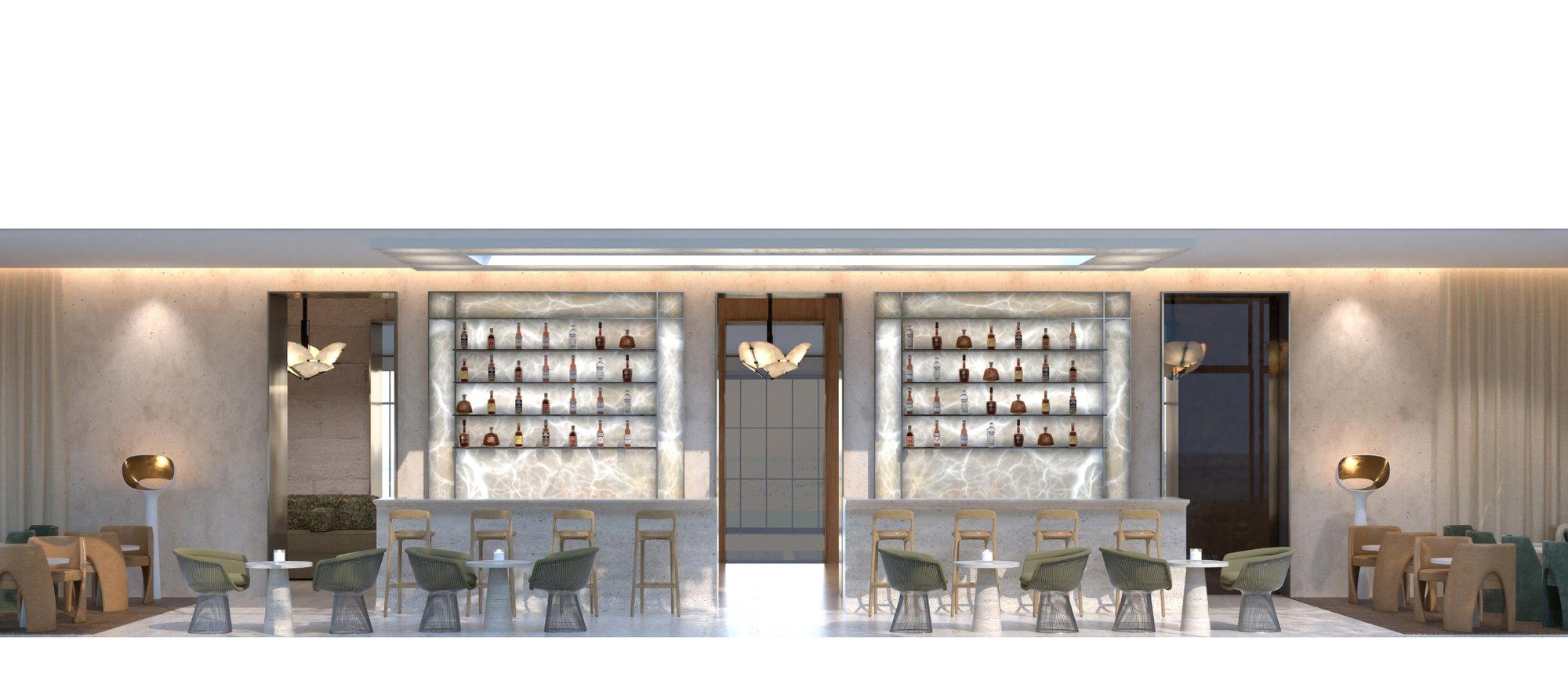

Restaurants in Saint Cibard
Browse all →
Details
- Quiet
- Rustic
- Classic
- Wine Education
- Special Occasion
- Group Outing
- Estate Grounds
- Private Tasting
- Historic Building
- Vineyard
- Merlot
- Cabernet Franc
- Still Red
- By The Bottle Tasting
- Estate Visit
A small, terroir-focused Bordeaux wine estate with a reputation for fresh, juicy, minerally reds and a quality-driven, understated producer identity.