Cayuse Vineryards
Cayuse Vineyards has shaped Walla Walla's identity as a serious wine region since its first vintage in 1998. Under winemakers Élaine and Christophe Baron, the estate draws on volcanic cobblestone soils to produce Syrah and Rhône varieties of significant concentration and regional authority.
- Address
- 17 E Main St, Walla Walla, WA 99362, USA
- Phone
- +15095260686
- Website
- cayusevineyards.com
- Directions
- Get directions
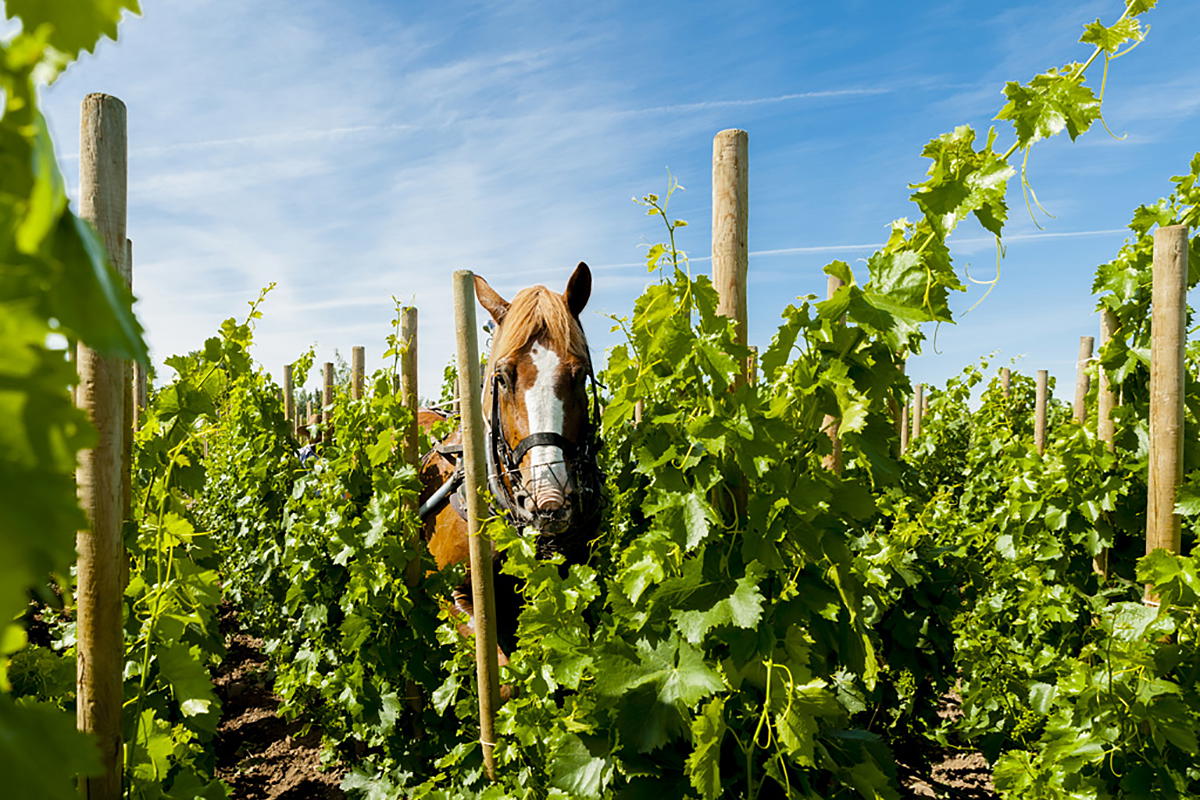
Cobblestone Country: What Walla Walla's Geology Tells You About Cayuse
Washington wine didn't arrive fully formed. For most of the twentieth century, the state's reputation rested on Riesling and bulk production from the Columbia Valley's irrigated flats. What changed the story was the discovery that specific sub-regions, particularly the ancient cobblestone-strewn soils of the Walla Walla Valley's older alluvial fans, could yield wines with genuine structural tension, the kind of iron-fisted grip and dark mineral undertow that serious Syrah drinkers recognise from the Northern Rhône. Cayuse Vineyards, with its first vintage in 1998, entered that story early, and has remained one of its most cited chapters.
The address on East Main Street in Walla Walla places the operation in a downtown that has expanded considerably since the late 1990s, when a handful of producers were writing the rules for what this region could be. Today, that same block sits within walking distance of tasting rooms from producers as varied as K Vintners (Charles Smith) and Sleight of Hand Cellars, which speaks to how thoroughly Walla Walla has built out its wine infrastructure around a core of estate-driven, terroir-specific producers. Cayuse sits at the older, more concentrated end of that continuum.
Volcanic Cobblestones and the Logic of Stress
The geological argument for Walla Walla's cobblestone vineyards runs roughly like this: soils with high stone content drain fast and retain heat poorly overnight, forcing vines to develop deep root systems while limiting their access to water and nutrients. That stress, properly managed, produces small berries with dense skins and concentrated flavour compounds. In a warm, semi-arid climate like eastern Washington's, where canopy management is the primary tool for controlling ripeness, cobblestone soils add a second corrective layer, moderating the kind of excessive fruit sweetness that can flatten wines grown on deeper, more fertile ground.
Winemakers Élaine and Christophe Baron have worked within that framework since Cayuse's founding. Christophe Baron, French-born with training in Champagne and Burgundy before arriving in Washington in the mid-1990s, represents a European technical tradition applied to American raw material. That lineage matters not as personal biography but as context for the wine style: the house tends toward fermentation and cellar approaches associated with old-world production, prioritising structural longevity over immediate accessibility.
Walla Walla's premium tier has grown more crowded in recent years. Producers like Gramercy Cellars have built strong followings around Syrah and Tempranillo, while Doubleback Winery and Duckhorn's Canvasback label have brought national attention and distribution reach to the region's Cabernet output. Within this expanding field, Cayuse occupies a specific niche: small-production, estate-focused, allocation-driven, and built around the cobblestone-soil thesis that Christophe Baron has been articulating since the late 1990s.
The allocation model is a meaningful signal. Wineries that sell primarily through mailing lists and limit production per vineyard block are pricing themselves against prestige peers nationally, not against the broad Washington wine market. That positions Cayuse alongside producers in Napa's cult-wine tier or Burgundy's premier cru allocation system in terms of how access and pricing work, even if the absolute price points differ.
For comparison, consider how other high-attention Washington producers approach the same market. Gramercy Cellars tilts toward wider distribution while maintaining critical respect. Cayuse operates at a tighter scale, which functions both as a quality signal and a commercial strategy. The approach has parallels elsewhere in the American fine wine landscape: Accendo Cellars in St. Helena and Adelaida Vineyards in Paso Robles both navigate similar territory, using estate control and limited release to position within a premium tier that operates by different rules than volume producers.
The Rhône Argument in an Unexpected Location
One of the more interesting questions in American wine over the past two decades has been whether Rhône varieties, particularly Syrah, can establish a serious identity outside their European home. Oregon has had some success with the argument, though its cooler sites push toward a more restrained, higher-acid style. California's own Rhône movement produced a generation of producers who have since diverged in ambition and approach. Washington's cobblestone sites present a different case: sufficient warmth to ripen fully, soils that impose structural discipline, and a continental climate that delivers cold nights to preserve aromatic freshness.
Cayuse's long commitment to this thesis, from 1998 forward through consistent vineyard-designated releases, has made it one of the most cited reference points for what Washington Syrah can be at its most serious. That is not a claim about superiority over other regions but about regional identity, which is arguably the more durable achievement. Producers in other corners of the American wine map, from Adelsheim Vineyard in Newberg building Oregon's Pinot reputation to Abadía Retuerta in Sardón de Duero defining a Castilian identity, have all invested in similar long-form regional arguments. The credibility of those arguments is measured in decades, not vintages.
Planning a Visit to Cayuse
Walla Walla's tasting room scene rewards advance planning. Given Cayuse's allocation model, visitors should verify current tasting availability directly before travelling, as access at this tier is typically controlled rather than walk-in. The East Main Street address places the winery within the compact downtown core, making it direct to pair a Cayuse appointment with tastings at neighbouring producers within the same day. For those building a fuller itinerary, our full Walla Walla wineries guide maps the range of production styles across the appellation, while our full Walla Walla restaurants guide covers where to eat around the tasting schedule. The hotels guide, bars guide, and experiences guide round out the picture for a multi-day stay. Walla Walla's harvest season, running through September and October, brings the most activity to the region and the leading chance of encountering producers and winemakers at the cellar door. Spring, particularly the annual Spring Release Weekend in May, is a second high point when new vintages are poured across the appellation simultaneously.
A short peer table to compare basics side-by-side.
| Venue | Cuisine |
|---|---|
| Cayuse VineryardsThis venue — the venue you are viewing | This venue |
Continue exploring
More in Walla Walla
Wineries in Walla Walla
Browse all →
Restaurants in Walla Walla
Browse all →

Hotels in Walla Walla
Browse all →
At a Glance
- Rustic
- Scenic
- Intimate
- Wine Education
- Special Occasion
- Vineyard Tour
- Estate Grounds
- Biodynamic
- Vineyard
- Walla Walla Valley AVA
- Syrah
- Cabernet Sauvignon
- Tempranillo
- Grenache
- Still Red
- Private Tasting
Rustic and scenic vineyard setting with a focus on biodynamic farm integration including animals and crops, evoking an intimate, authentic winery atmosphere.
Know Before You Go
- Getting there
- 17 E Main St, Walla Walla, WA 99362, USA