Casal de Ventuzela

Falstaff Winery - Listed
Casal de Ventuzela is a family-run Vinho Verde estate in Pousada De Saramagos, with a renovated cellar, vineyard setting, and guided tastings built around local white varieties. The draw is terroir clarity: granite soils, Atlantic influence, sustainable farming, and a portfolio led by Loureiro, Arinto, Treixadura, and Alvarinho.

Pearl is the En Primeur Club membership app — saves, bookings, and concierge access live there. Same editors, same standards.
- Address
- Pousada de Saramagos, Portugal
- Directions
- Get directions

The approach to a Vinho Verde estate is rarely theatrical. The signal is quieter: vineyard rows, granite country, a renovated cellar, and the kind of cool northern light that explains the region before a glass is poured. In Pousada De Saramagos, Casal de Ventuzela belongs to that mode of Portuguese wine travel, where the visit is less about cellar-door spectacle than about understanding why this corner of the Minho produces whites with lift, acidity, and modest alcohol.
Vinho Verde is often flattened into a single idea abroad: young, pale, lightly spritzy wine for summer drinking. That shorthand misses the region’s internal differences. Vale do Ave and Vale do Cávado, the two sub-regional anchors associated with this estate’s vineyards, sit inside a humid Atlantic-influenced zone where slow ripening matters. Granite soils drain well, the maritime climate tempers heat, and local varieties such as Loureiro, Arinto, Treixadura, and Alvarinho retain the acidity that defines the category. The better visits in this region make that structure legible, not abstract.
Granite, Atlantic air, and the modern Vinho Verde argument
The estate’s 45 hectares of sustainably farmed vineyards put it in the small-production camp rather than the anonymous volume end of Vinho Verde. That matters because the region’s serious conversation has shifted from simple refreshment to site expression: how Loureiro behaves beside Arinto, how Alvarinho changes with slope and harvest timing, and how stainless steel preserves the nervous energy that drinkers expect from northern Portugal.
Casal de Ventuzela, founded as a family-run wine company in 1983, works within that contemporary reading of the appellation. Its production emphasizes still whites and pét-nat, with guided and pairing tastings offered in a modern cellar setting. Winemaker Pedro Campos is a useful credential here, but the more interesting point is structural: this is a Vinho Verde address where the cellar experience supports the region’s move toward variety-specific and site-conscious bottles, rather than treating the appellation as a single easy-drinking style.
The portfolio is built around regional grapes. Loureiro tends to carry the floral-citrus side of Vinho Verde; Arinto contributes acidity and tension; Treixadura can bring breadth; Alvarinho gives the category its more serious, age-capable register. The estate’s Prime Selection Alvarinho has been noted for nine months in new French oak, a choice that places it outside the purely stainless, immediate-consumption stereotype. That does not make oak the story of the winery. It shows how some producers in the region are testing texture and depth while keeping freshness as the central discipline.
A cellar visit for drinkers who want the region explained
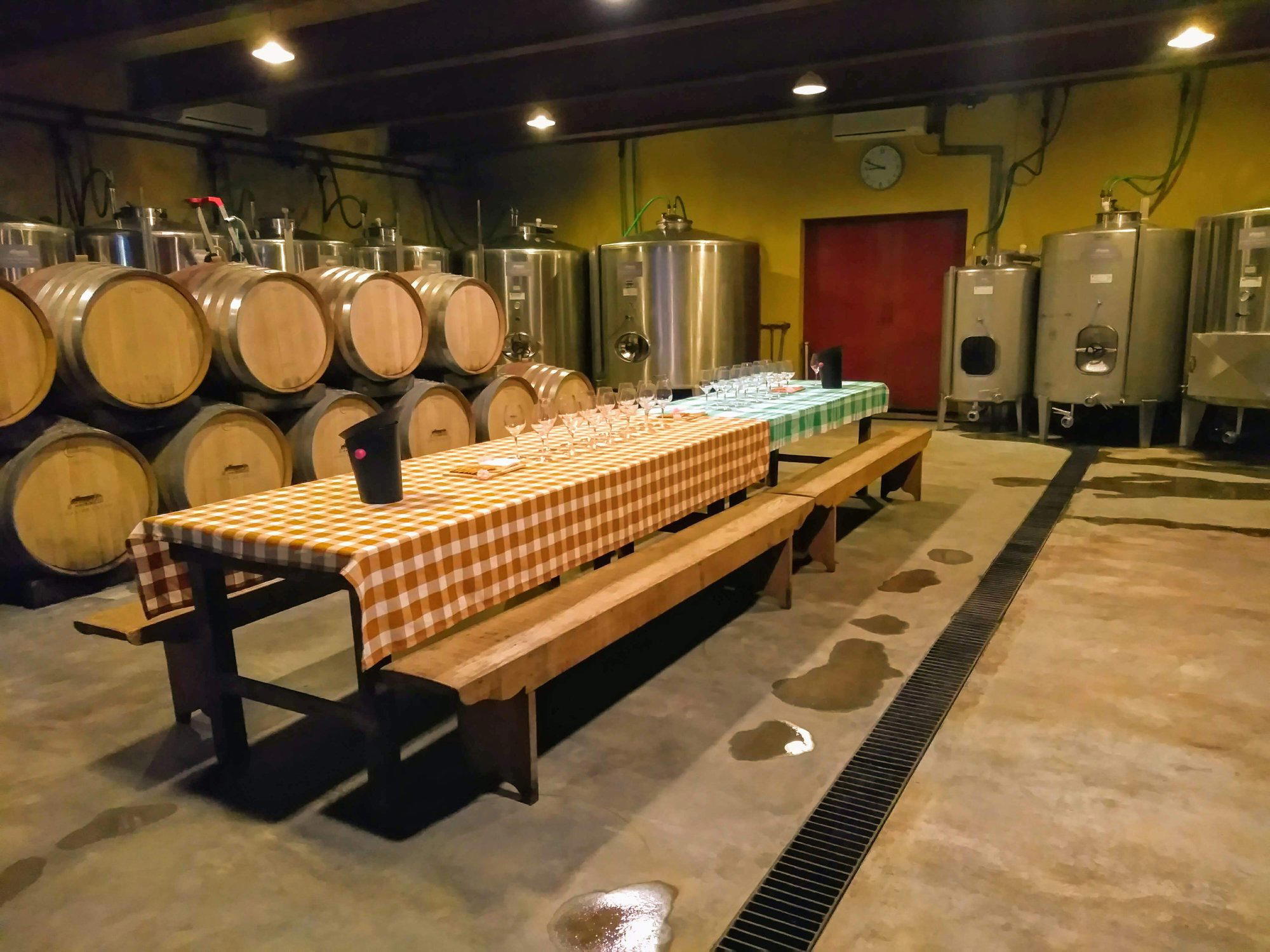
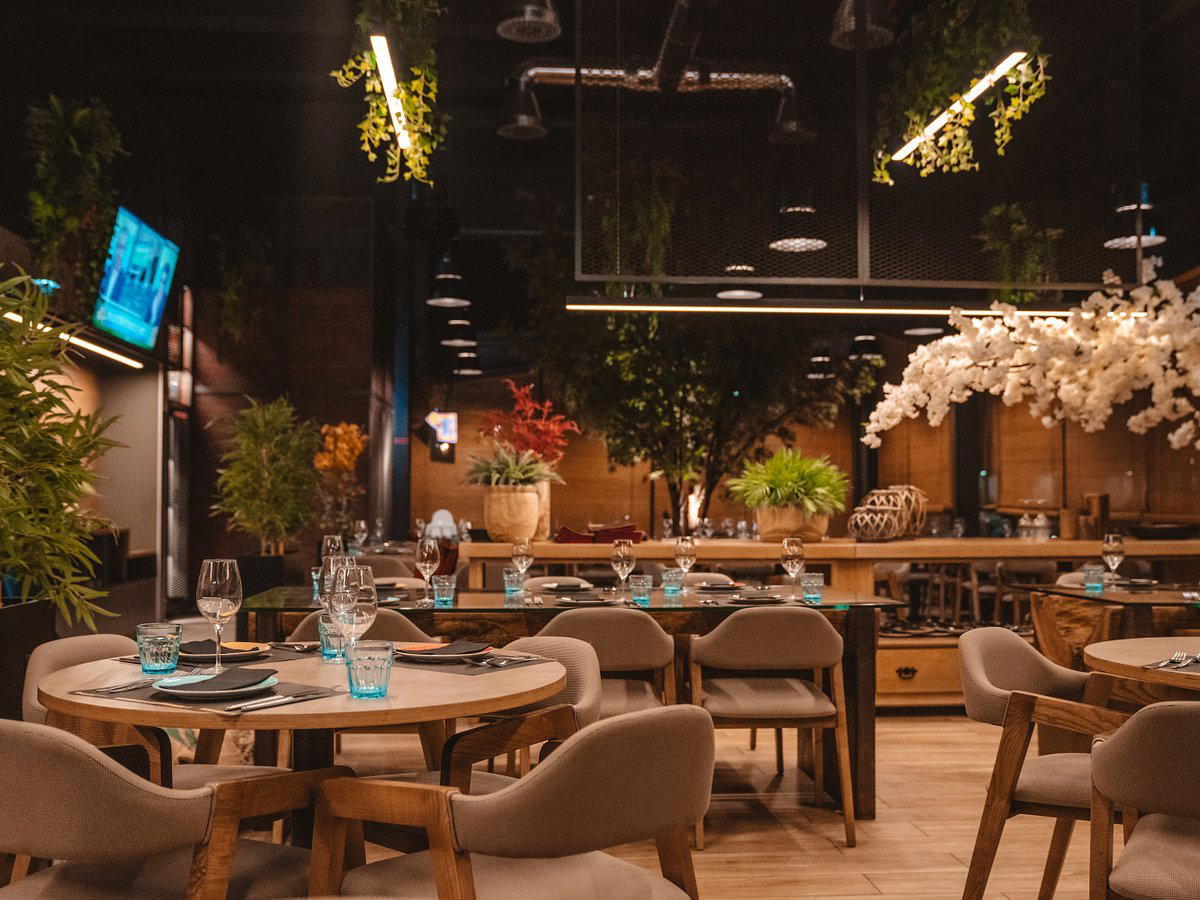
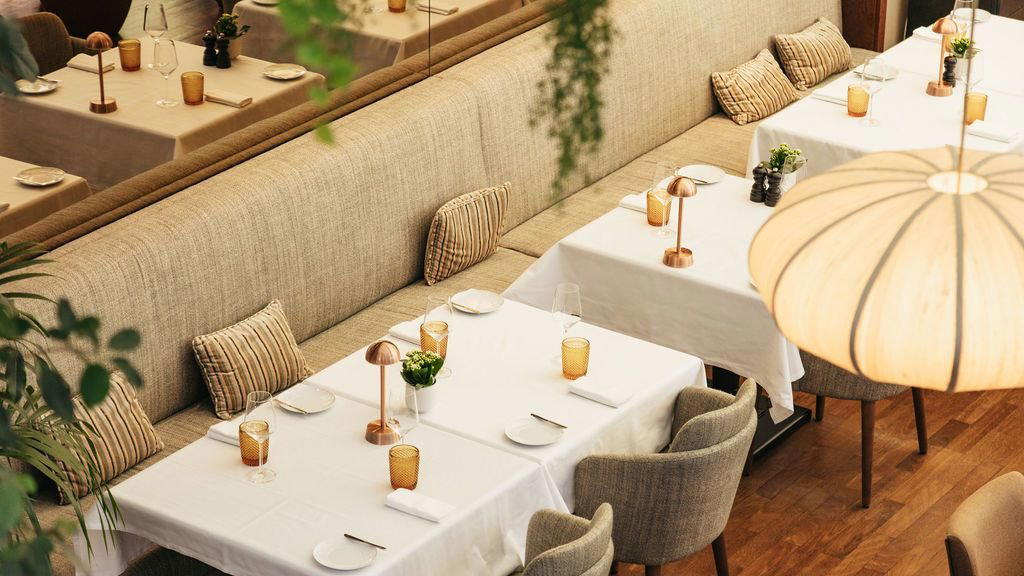
The tasting-room atmosphere is described as elegant and modern, with the renovated cellar and vineyard setting doing much of the work. That format suits Vinho Verde. The region rewards side-by-side explanation: grape variety against grape variety, stainless steel against barrel influence, estate fruit against the broader appellation image. Guided tastings and pairing tastings are the relevant formats, particularly for travelers who know the wine only through export bottles poured by the glass.
There is also a practical distinction between visiting a wine region for scenery and visiting it for comprehension. Here, the stronger case is educational. The estate setting gives context to the wines without requiring a grand hospitality complex, and the small-capacity profile keeps the experience closer to a producer visit than a high-throughput tourist stop. Group outings, corporate events, and special-occasion visits fit the format, but the core audience is still the drinker who wants to understand why Vinho Verde can be more precise than its casual reputation suggests.
Recognition adds a measured trust signal without turning the place into an awards story. Vent’oz Alvarinho 2021 received 89 points from Decanter, while Sacave Espadeiro Vinho Verde DOC White Wine received 86 from Falstaff. Those scores are modest in the useful sense: they place the wines within an assessed international conversation while leaving room for the visit itself to explain the estate’s regional relevance. In a category often judged by freshness alone, outside critical attention helps separate producer-led bottles from generic summer whites.
How to place it in a Pousada De Saramagos itinerary
Pousada De Saramagos is not a city built around a dense restaurant-and-bar crawl, so a winery visit works better as the anchor of a day than as a quick add-on. The estate’s reservation-recommended format is appropriate for a cellar that offers guided tastings, vineyard tours, private tastings, and food pairing options. Casual dress fits the setting; the tone is conversational rather than formal.
For travelers building a fuller local plan, start with our full Pousada De Saramagos wineries guide, then cross-check dining and overnight options through our full Pousada De Saramagos restaurants guide, our full Pousada De Saramagos hotels guide, our full Pousada De Saramagos bars guide, and our full Pousada De Saramagos experiences guide. Readers extending the trip across Portugal can also map different regional styles through 1912Winemakers LDA in Porto, Adega Cartuxa (Fundação Eugénio de Almeida) in Évora, Adega Cooperativa de Borba in Borba, Adega Cooperativa de Ponte de Lima in Ponte de Lima, Adega Cooperativa de Vale Cambra, CRL in Vale De Cambra, Adega Cooperativa Regional de Moncao in Monção, Adega do Monte Branco in Estremoz, and Adega do Vadio in Poutena. For a wider European lens, »der Steiner« Hans Steiner in Podersdorf am See and & Handwein in Mannheim point toward different cellar cultures entirely.
The editorial case is clear: this is a Vinho Verde visit for travelers who want the appellation’s mechanics made visible. Granite, Atlantic influence, sustainable farming, local varieties, and a renovated cellar setting all point in the same direction. Come for the region’s freshness, but pay attention to the differences inside it.
Recognition history
Dated appearances from independent guides and award organizations, with the underlying list record or original source where available.
Falstaff Winery - Listed
Falstaff
Continue exploring
More in Pousada De Saramagos
Wineries in Pousada De Saramagos
Browse all →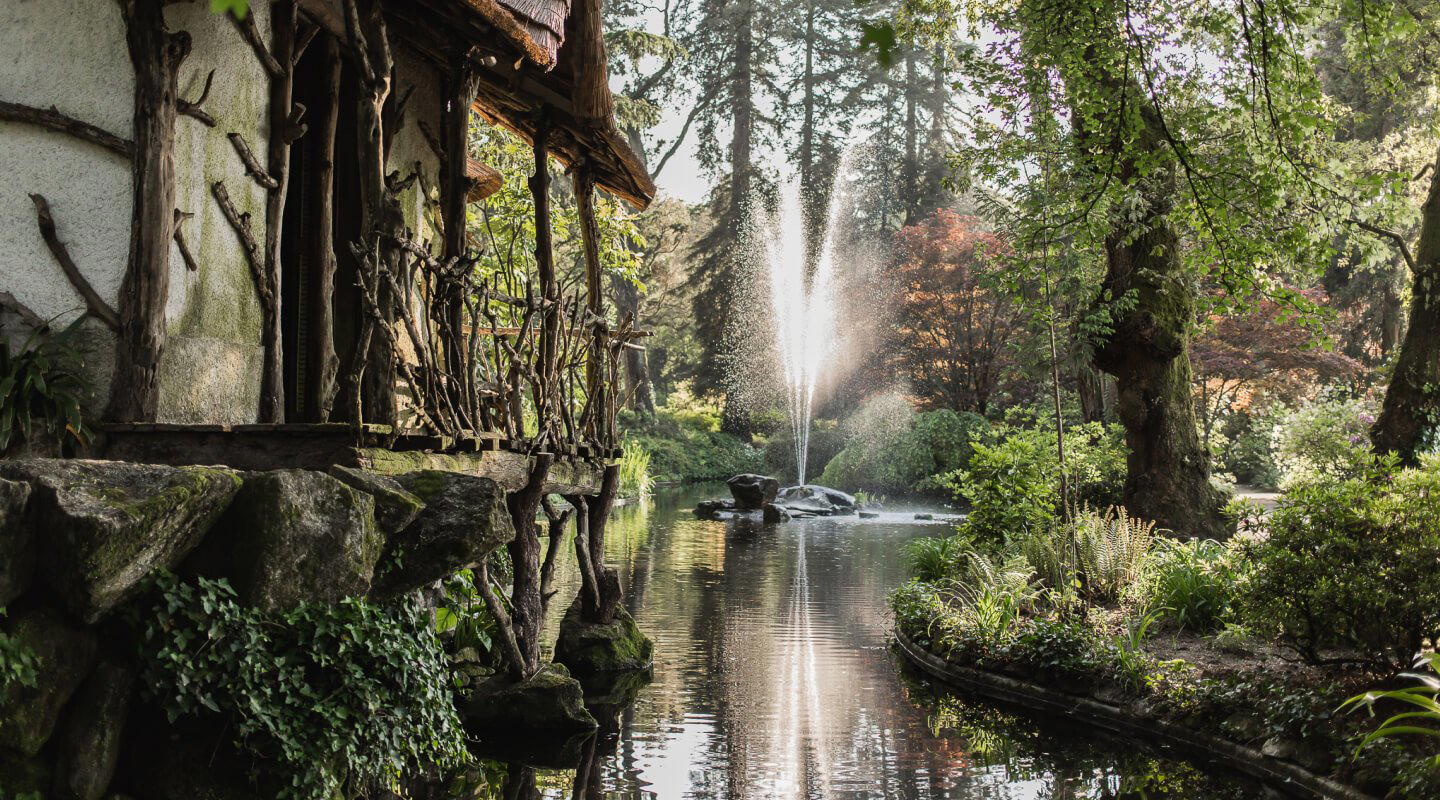
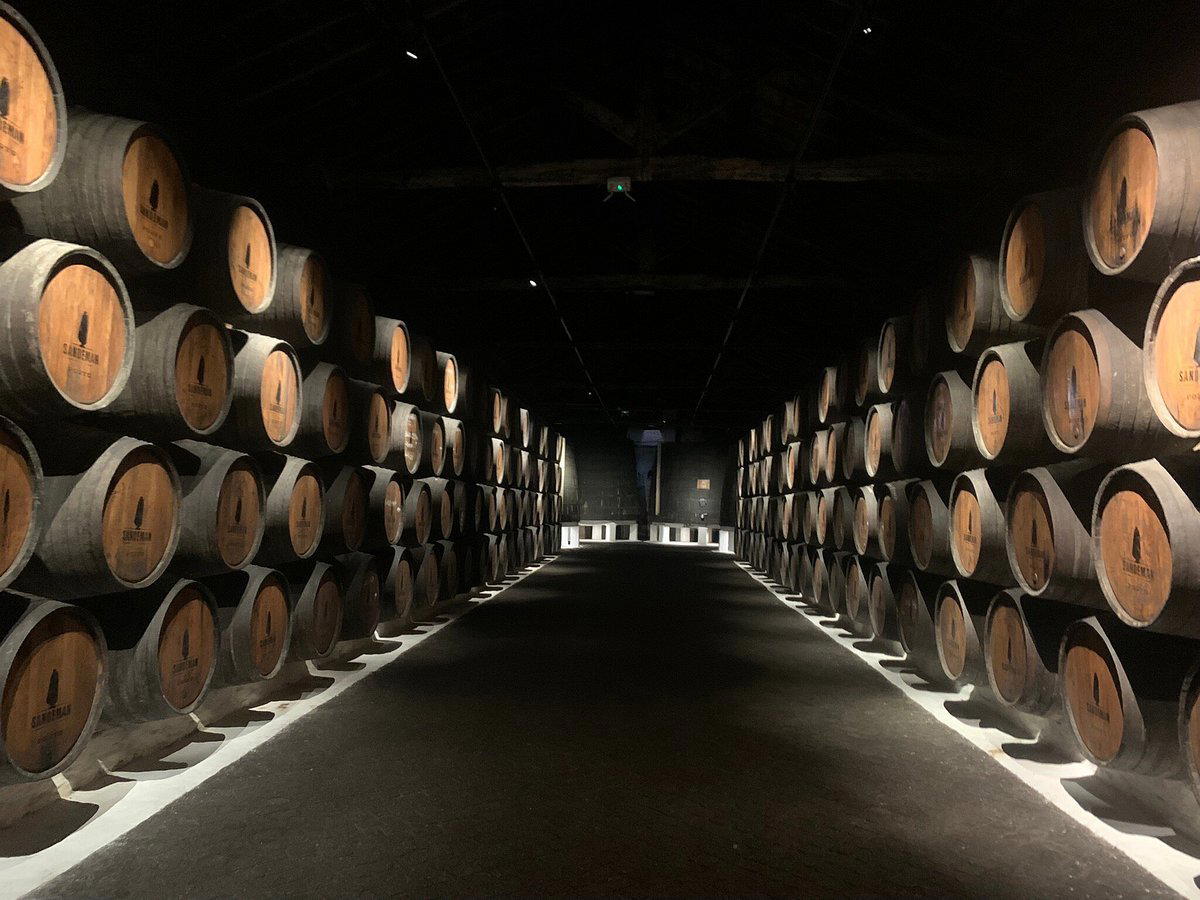
Bars in Pousada De Saramagos
Browse all →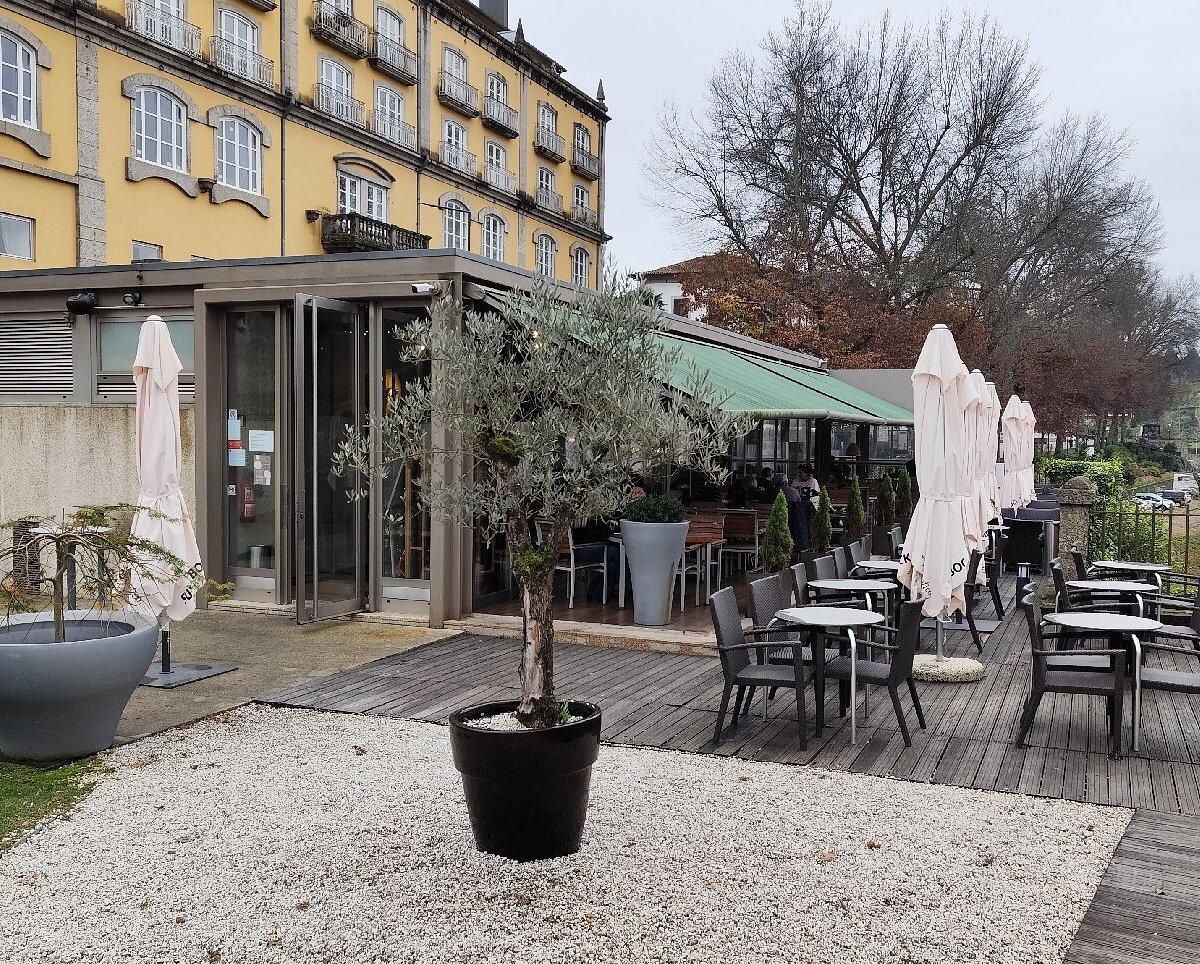
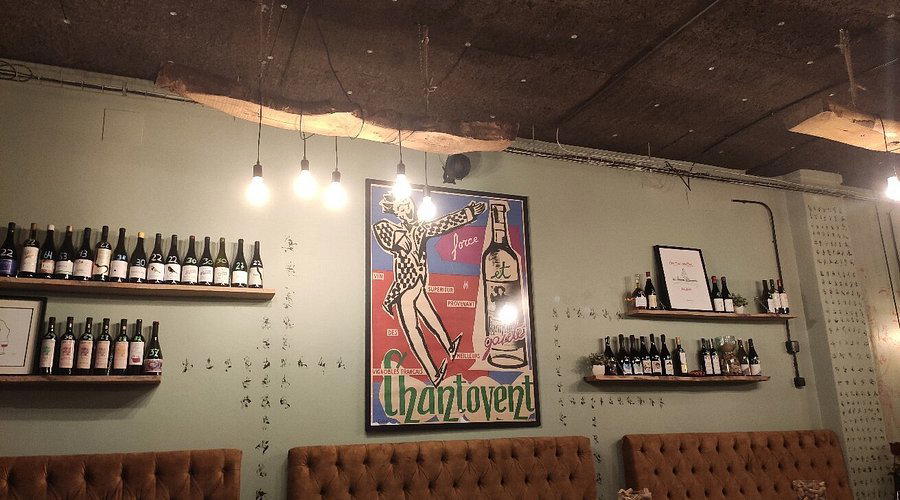
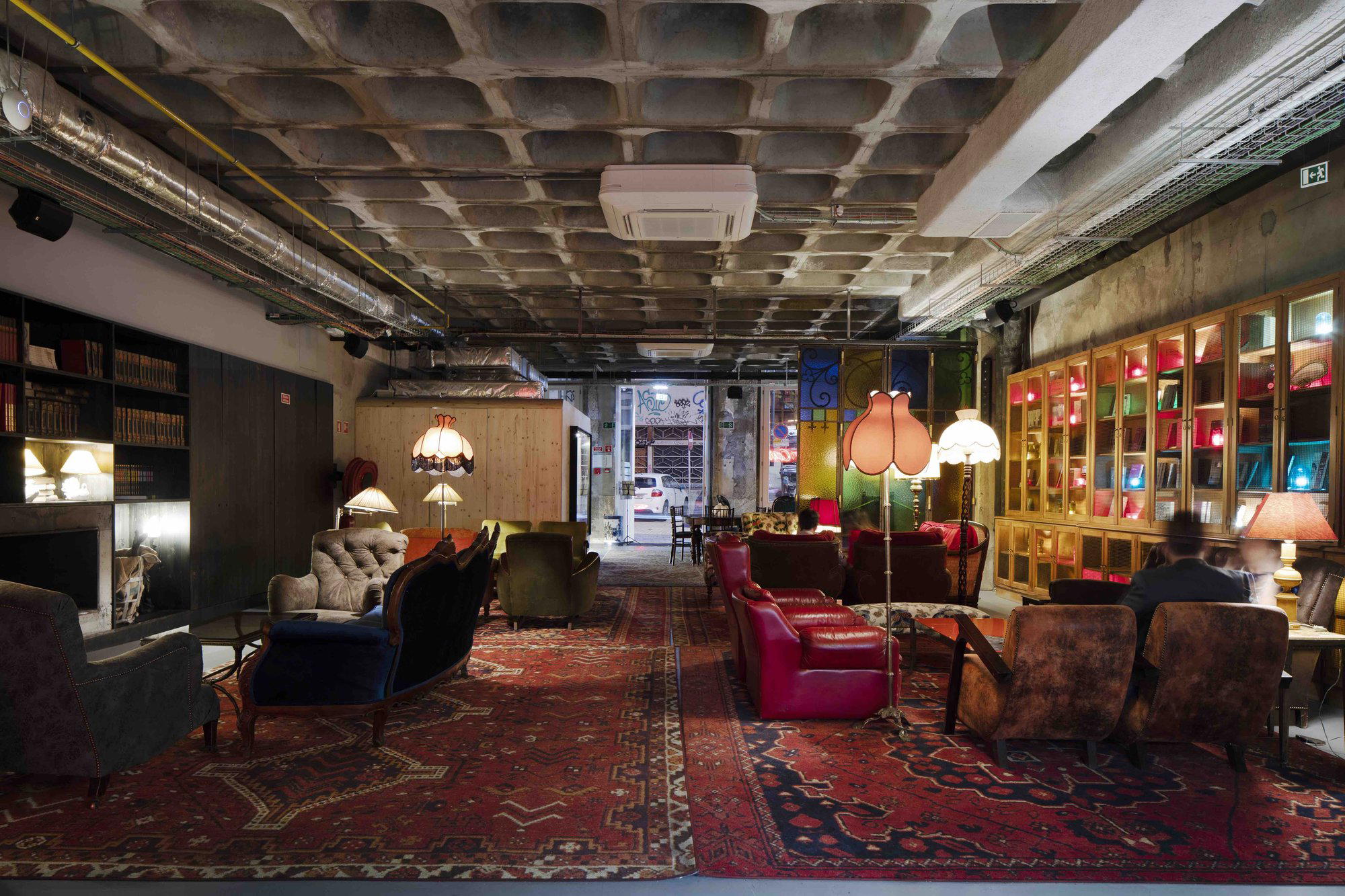
Restaurants in Pousada De Saramagos
Browse all →
Details
- Elegant
- Rustic
- Sophisticated
- Wine Education
- Group Outing
- Special Occasion
- Corporate Event
- Vineyard Tour
- Estate Grounds
- Private Tasting
- Historic Building
- Vineyard
- Loureiro
- Arinto
- Treixadura
- Alvarinho
- Still White
- Pet Nat
- Guided Tasting
- Pairing Tasting
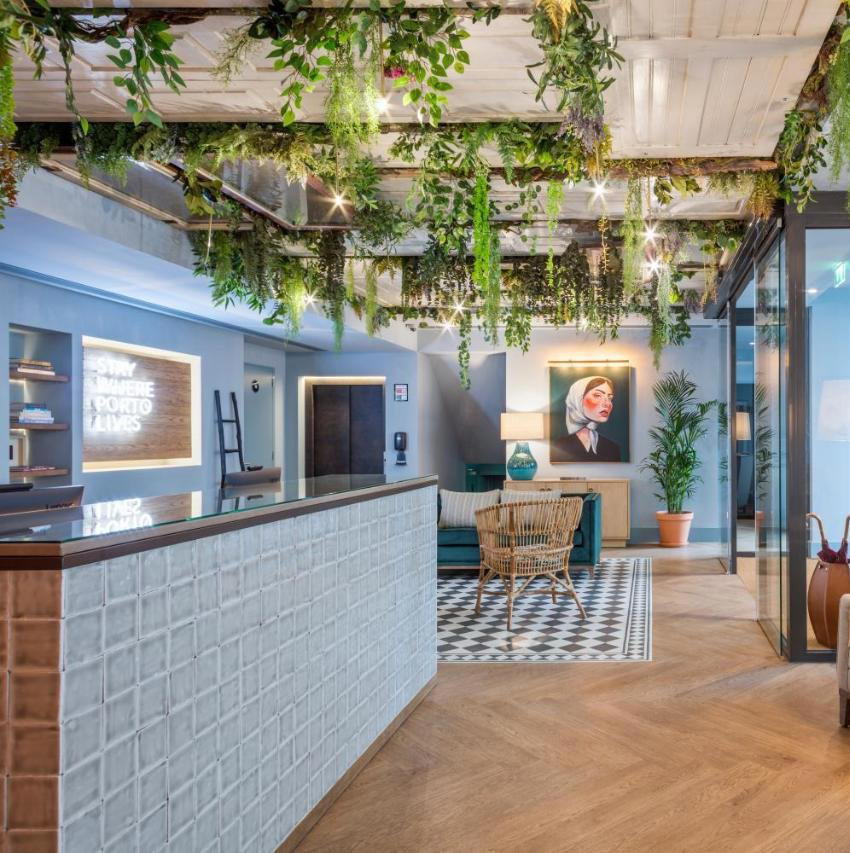
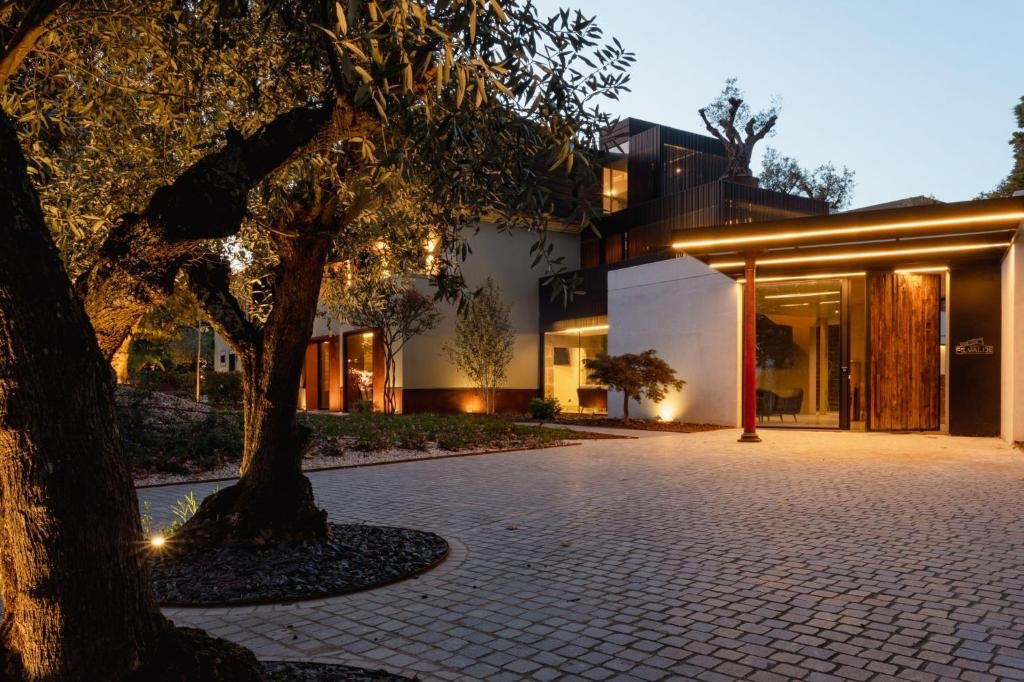
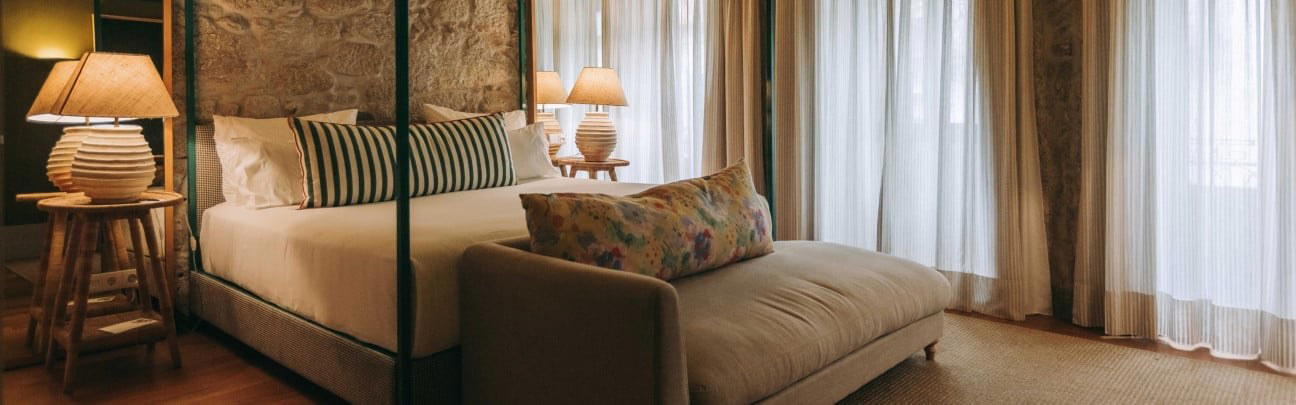
Elegant and modern tasting-room atmosphere with a renovated cellar and vineyard setting.