
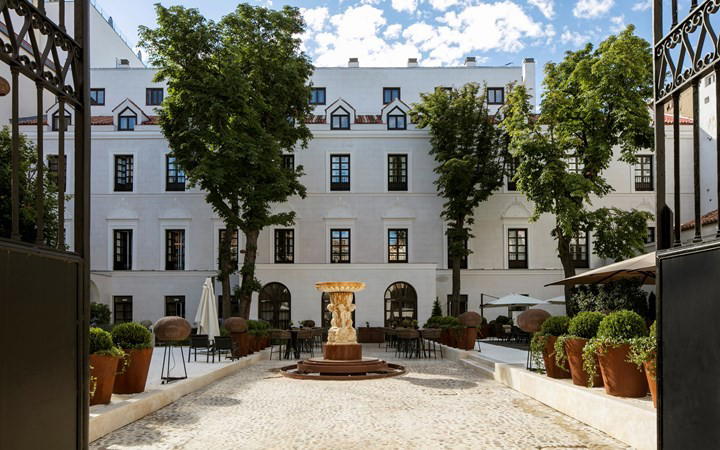
Casa Salinas is better understood as heritage access than a conventional hospitality stop: a 16th-century aristocratic house whose patios, marble columns, stained glass, tilework and wood ceilings turn preservation into the main experience. Its value lies in the private-residence format, where Seville’s Renaissance, Gothic and Mudejar craft traditions remain legible in rooms that have not been flattened into a standard museum circuit.
Pearl is the En Primeur Club membership app — saves, bookings, and concierge access live there. Same editors, same standards.
- Address
- Madrid, Comunidad de, Spanien
 Saves & bookings on Pearl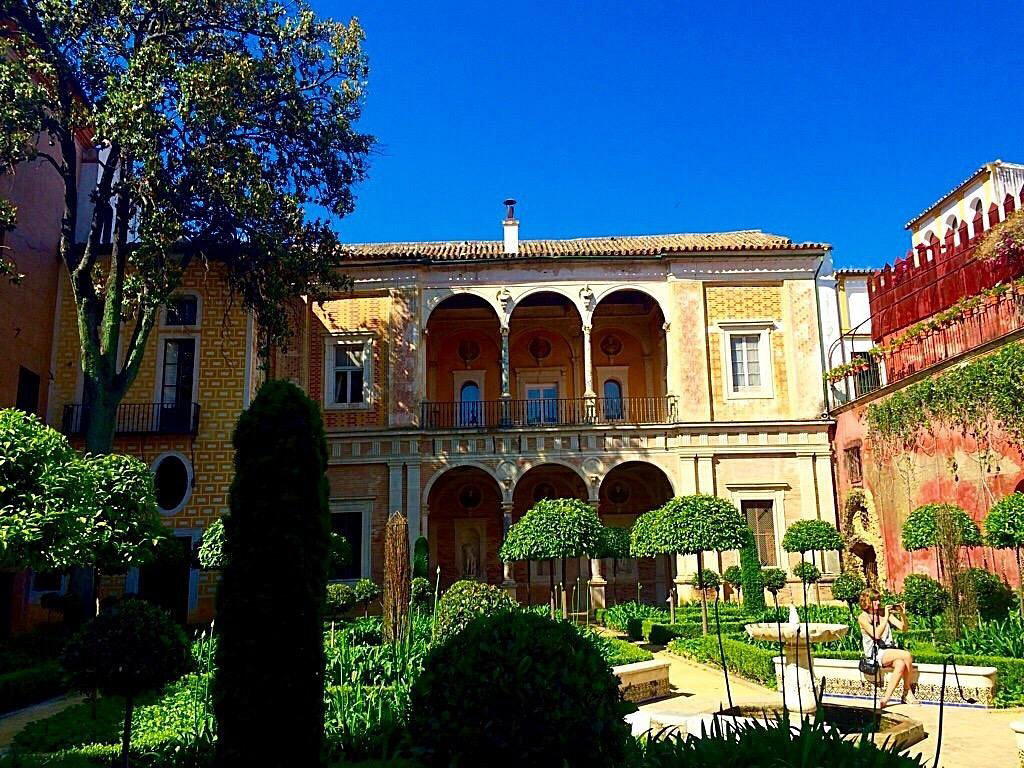
The description of Casa Salinas is architectural rather than culinary or service-led: an historic aristocratic mansion atmosphere with elegant patios, marble columns, technicolor tiles, stained glass and intricate woodwork. For EP Club purposes, the safest way to read the venue is through those physical and atmospheric cues rather than through claims about formats, tours, opening arrangements, menus or programming. The appeal sits in what the building itself is understood to communicate: refinement, age, domestic scale and a visual language built from craft rather than from contemporary hospitality theatre.
Casa Salinas is listed in Madrid, and the available information presents it as a quiet, intimate glimpse into 16th-century Seville life within a still-inhabited private residence. That combination is unusual enough to define the entry without adding unsupported detail. The value is in the mood of domestic heritage: patios, surfaces, craft and the feeling of an aristocratic house that has not been reduced to a generic attraction. It reads less like a checklist destination and more like a preserved atmosphere, where the principal experience is looking carefully at space, proportion and material.
A private palace format, not a museum circuit
Casa Salinas is best framed as a private-residence atmosphere rather than as a conventional museum-style listing. The facts emphasize a still-inhabited private residence, elegant patios, marble columns, technicolor tiles, stained glass and intricate woodwork. Those details point toward a setting where architecture and preservation carry the experience, and where the sense of privacy is part of the draw rather than a peripheral note.
What can be said with confidence is narrow but distinctive. The house presents a quiet, intimate glimpse into 16th-century Seville life, and that glimpse is mediated through domestic space: columns, patios, tile, glass and woodwork. The emphasis should remain on those tangible elements. They are enough to establish character without implying a broader visitor infrastructure or a curated museum narrative that the available description does not confirm.
For readers, that limitation is useful. The winery should not be oversold as a fully documented itinerary stop with every practical detail fixed in the editorial record. Instead, it should be understood as a heritage setting whose confirmed appeal is atmosphere: aristocratic, historic, intimate and visually rich. In an EP Club context, that restraint helps protect the recommendation from becoming inflated; the house is strongest when described through its rooms, surfaces and quiet historical charge.
Architectural terroir in tile, shade and courtyard planning
Terroir is usually discussed through vines, soil and climate, but the idea can also describe historic architecture when climate, craft and domestic life shape a place. It is through an architectural atmosphere: patios, marble columns, technicolor tiles, stained glass and intricate woodwork. In this case, the word helps express how the experience is rooted in built conditions rather than in a list of services or consumable features.
Those elements suggest why the house is compelling. Patios create rhythm and enclosure. Marble columns give the interiors formality. Tile and stained glass bring colour into the architectural experience. Intricate woodwork adds the close-detail craft that rewards slower looking. Together, these confirmed features support a reading of the winery as a place where material culture matters more than spectacle. The point is not excess; it is the layered effect of surfaces, light, shade and ornament working together inside an aristocratic domestic frame.
The reference to 16th-century Seville life is also central. Even though the venue is listed in Madrid, the description ties the atmosphere to Seville’s historic domestic world. The page should therefore avoid making claims about a specific district, street, landmark, dynasty, decorative school or archaeological feature. The grounded story is simpler: the winery offers an intimate historic mansion atmosphere shaped by patios, columns, tile, stained glass and woodwork. That simplicity is editorially important, because it keeps the focus on the confirmed sensory and architectural identity of the place.
How it fits a Madrid-based cultural itinerary
For EP Club readers building time in Madrid, the winery fits as a quieter cultural counterpoint to other dining, hotel, bar or experience planning in the city. Treat it as a heritage-led entry rather than a restaurant profile. Its usefulness lies in shifting the pace of an itinerary toward stillness, visual detail and the atmosphere of private historic space.
That distinction matters because Madrid itineraries can easily become overloaded with unsupported specifics. The winery should be positioned around what is known: an historic aristocratic mansion atmosphere, elegant patios, marble columns, technicolor tiles, stained glass, intricate woodwork and a quiet, intimate glimpse into 16th-century Seville life within a still-inhabited private residence. Those are the reliable anchors, and they give the listing enough shape without requiring additional claims.
The editorial case is therefore concise. Choose the winery for atmosphere, architectural detail and a sense of private historic domestic space. Do not rely on this listing for confirmed claims about exact access rules, tour length, neighborhood, named comparisons or operational details. Its strongest identity is the preserved mansion mood itself: quiet, intimate, aristocratic and visually detailed. Read on those terms, it becomes a cultural pause: a place defined by its patios, columns, tiles, glass and woodwork rather than by any invented promise around how it must be experienced.
Recognition history
Dated appearances from independent guides and award organizations, with the underlying list record or original source where available.
Falstaff Winery - Listed
Falstaff
Continue exploring
More in Madrid
Wineries in Madrid
Browse all →
Bars in Madrid
Browse all →
Restaurants in Madrid
Browse all →
At a Glance
- Classic
- Elegant
- Well Known
- Intimate
- Ornate
- Solo Exploration
- Romantic Getaway
- Wine Education
- Group Outing
- Special Occasion
- Historic Building
- Design Destination
- Estate Grounds
- Garden
- Garden
Historic aristocratic mansion atmosphere with elegant patios, marble columns, technicolor tiles, stained glass and intricate woodwork, offering a quiet, intimate glimpse into 16th‑century Seville life within a still‑inhabited private residence.