
Falstaff Winery - 1 Stars
Bodegas y Viñedos Rauda is a traditional Ribera del Duero cooperative in Roa, founded in 1956 by local growers and centered on Tempranillo. Its appeal is not polished cellar-door theatre but the agricultural logic of the region: concrete fermentation, oak aging, vineyard scale, and a working village atmosphere tied to Roa’s long wine history.

Pearl is the En Primeur Club membership app — saves, bookings, and concierge access live there. Same editors, same standards.
- Address
- Roa, Ribera del Duero, Castilla y León, Spanien
- Directions
- Get directions
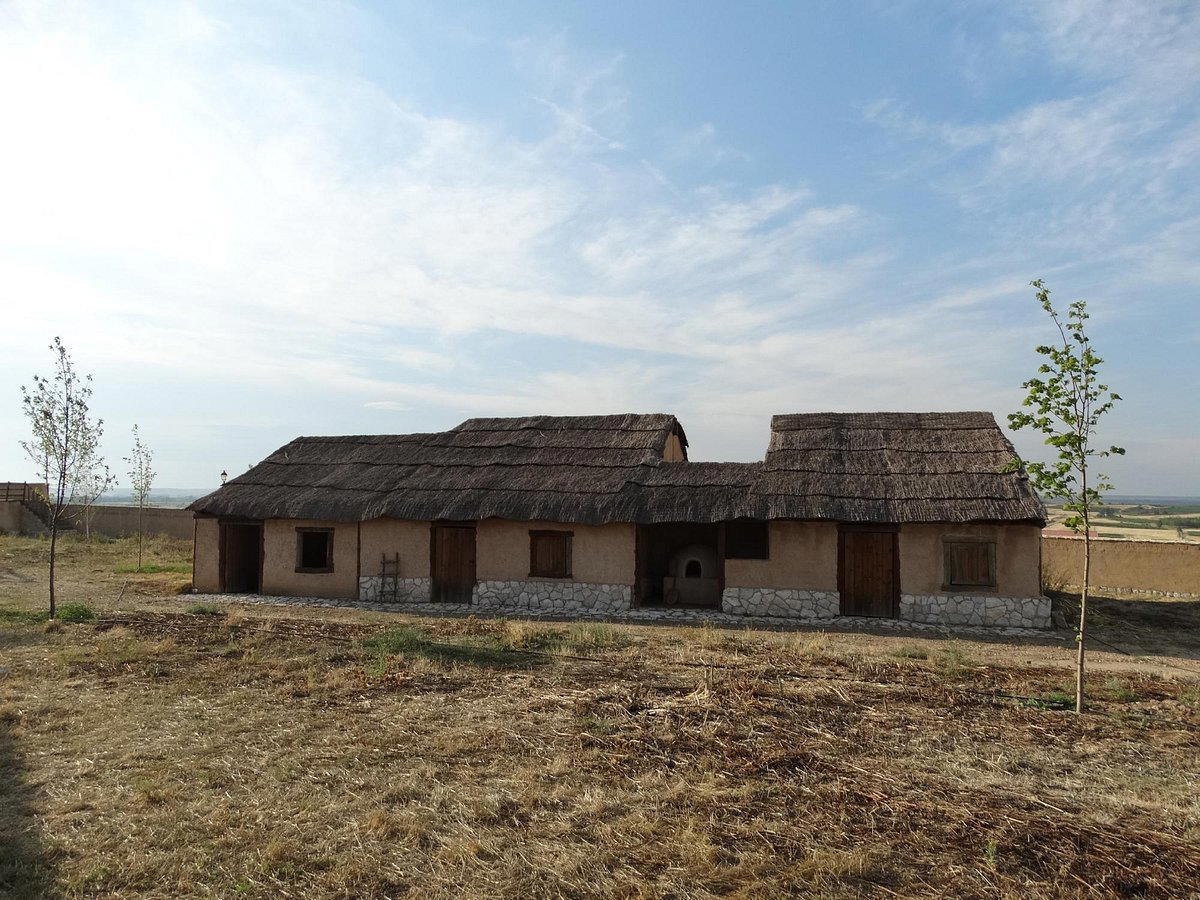
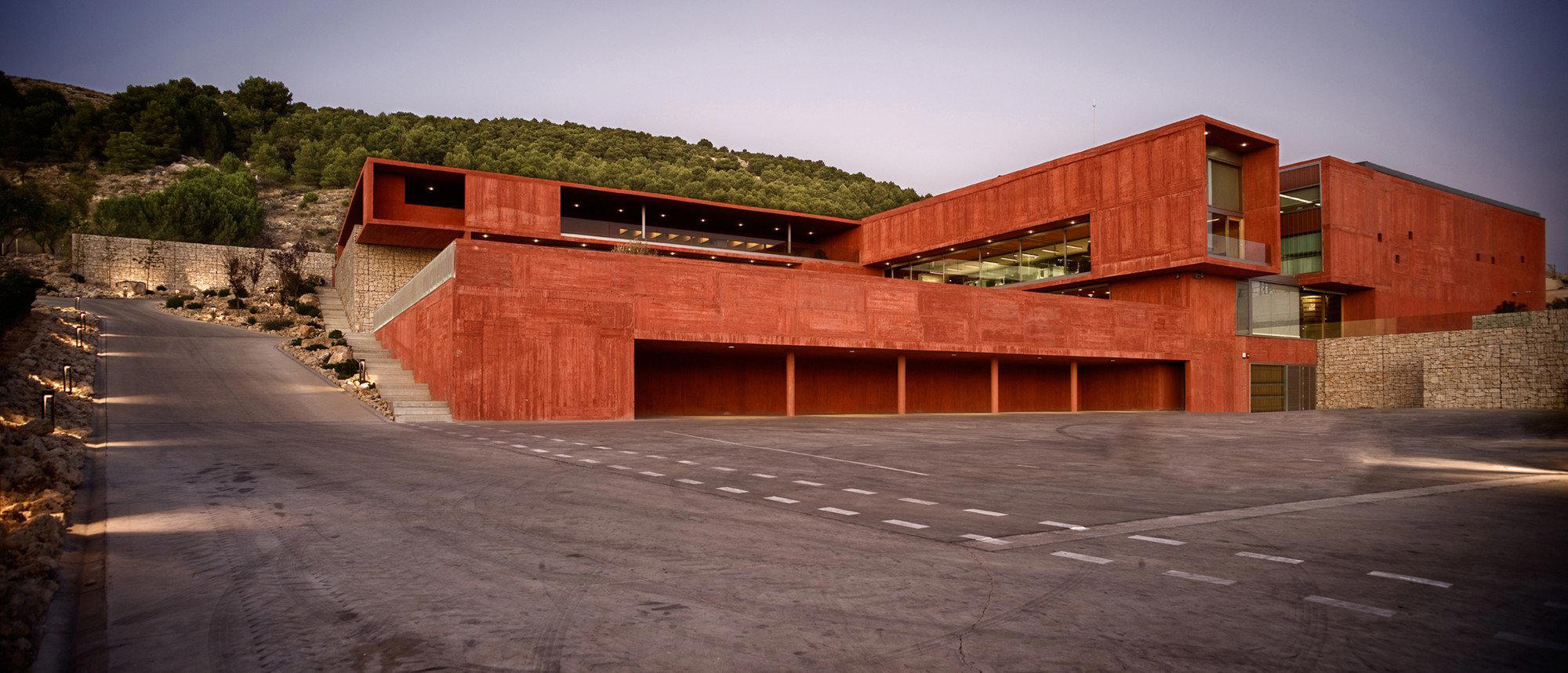
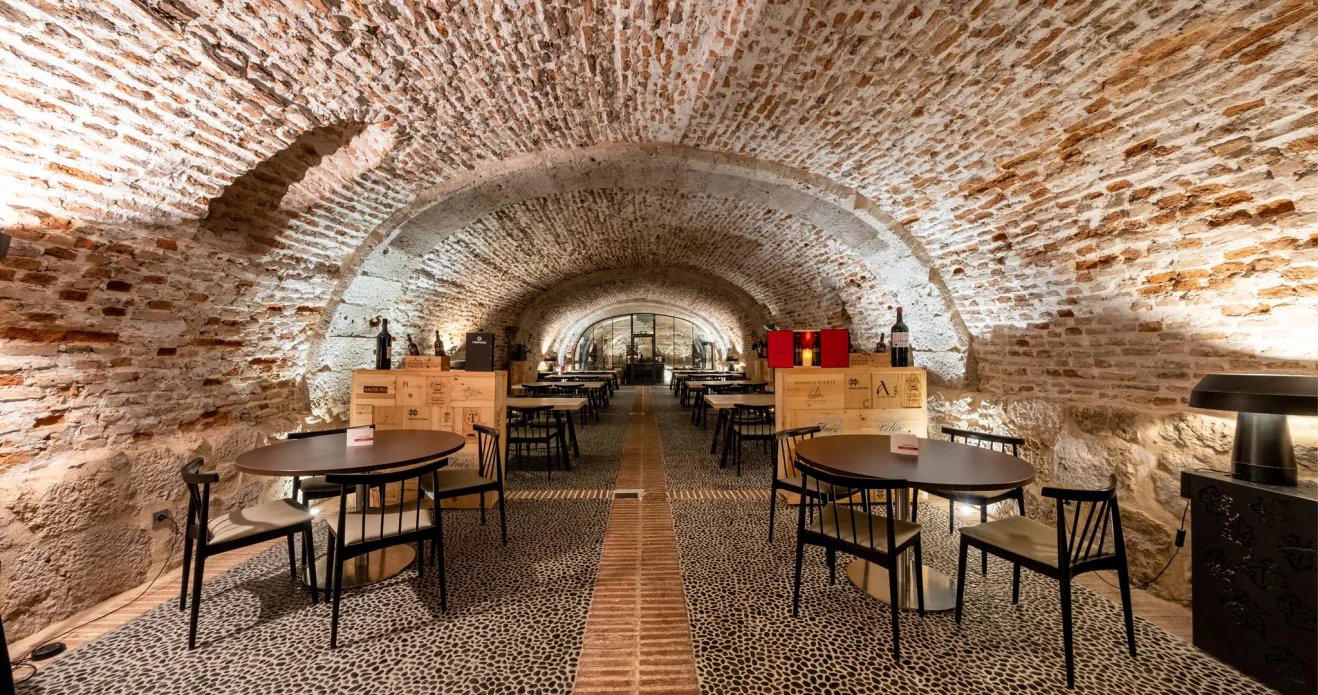
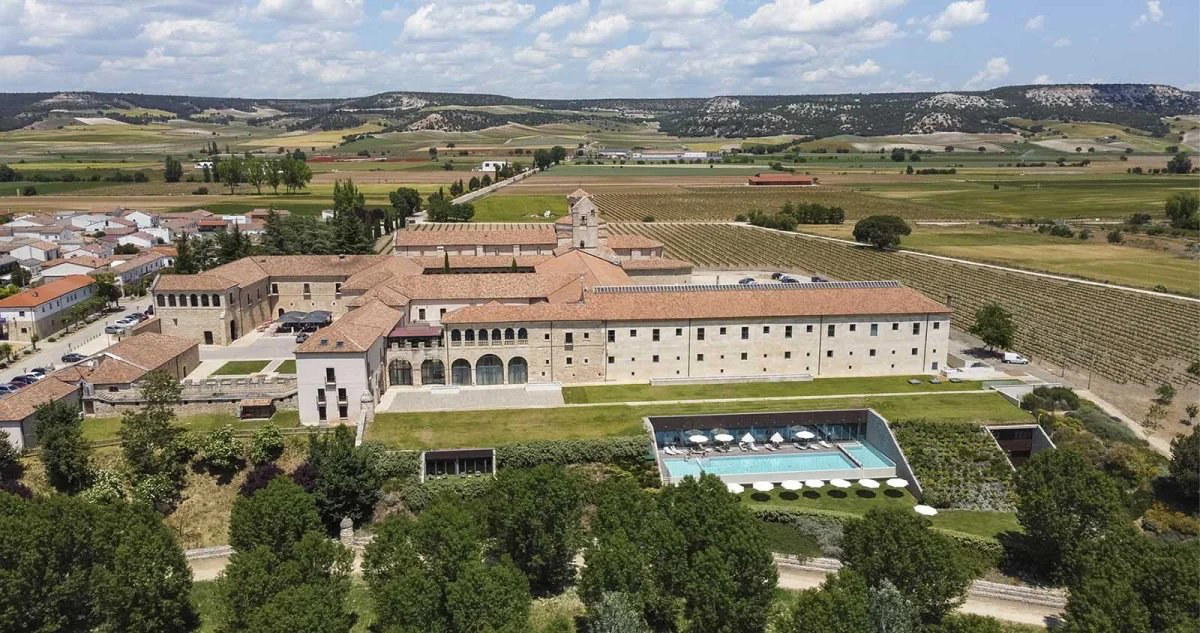
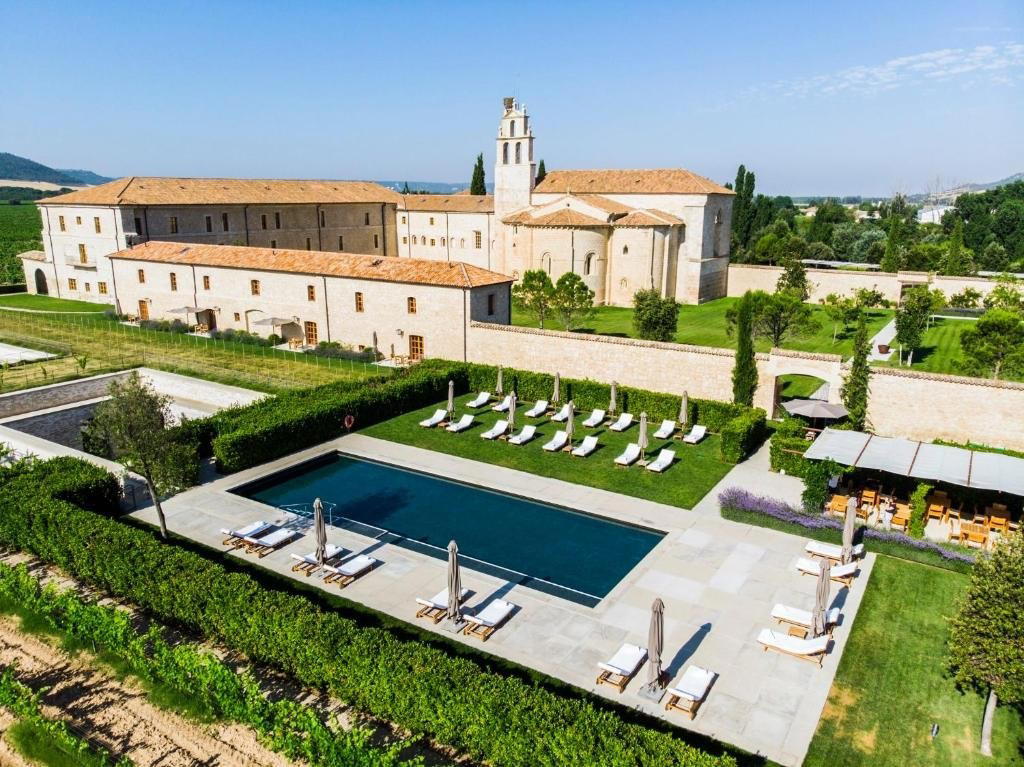
Roa’s wine country does not need much staging. The picture for Bodegas y Viñedos Rauda is practical and rural: a traditional Ribera del Duero cooperative winery atmosphere, focused on concrete-tank fermentation and oak aging, set in a historic winegrowing village with a working feel rather than a polished design-destination mood. That plainness is part of the point. Instead of reading the place through the language of luxury hospitality, it makes more sense to approach it through the everyday culture of wine production in Roa, where the setting, the cooperative character, and the cellar work carry the experience.
That makes the venue easier to understand as a grounded winery stop than as a luxury showcase. The most reliable way to frame it is simple: Bodegas y Viñedos Rauda belongs to Roa’s winegrowing context, with the emphasis on cooperative production, concrete tanks, oak aging, and a rustic, classic atmosphere. For visitors, the value is not in a heavily scripted sense of theatre, but in the chance to place Ribera del Duero wine within a village environment that still feels closely tied to production.
Concrete tanks and oak aging keep the focus on Ribera del Duero
The strongest production detail is the use of concrete-tank fermentation alongside oak aging. Those two facts give the winery its clearest identity for visitors comparing different kinds of Ribera del Duero experiences. Concrete tanks point toward a practical cellar language, while oak aging places the winery within a familiar Ribera del Duero framework where maturation is central to how many travelers understand the region’s wines. Together, they provide enough substance to define the visit without overcomplicating it.
Beyond that, the public-facing guide should stay careful. The available description supports a focus on production atmosphere, not a detailed technical profile or a list of visitor promises. It is enough to say that the winery is associated with concrete-tank fermentation and oak aging, and that these elements help explain why it reads as a traditional working bodega rather than a hospitality-first venue.
For travelers, that means Bodegas y Viñedos Rauda is best understood as a working Ribera del Duero winery stop rather than a restaurant, bar, or design-led tasting salon. The appeal is the setting and production atmosphere, not claims about a particular menu, tour duration, or bottle lineup. Anyone building a day in Roa around wine should treat the winery as a context stop: a place whose interest lies in cooperative production, rural surroundings, and the quieter mechanics of the cellar.
A cooperative visit, not a design-cellar performance
Wine tourism can range from highly polished estates to working bodegas that foreground production. The description of Bodegas y Viñedos Rauda places it closer to the second category: traditional, cooperative, rural, and focused on concrete-tank fermentation and oak aging. That distinction matters because it sets expectations before arrival. This is not best framed as a dramatic architectural destination or a staged luxury encounter, but as a winery whose character comes from function, place, and continuity with Roa’s winegrowing setting.
Travelers should confirm current arrangements directly before planning around a visit. That is especially important for a venue best described through its working-winery identity, because the practical details of access, availability, and visitor format should not be assumed from the broader idea of wine tourism. A cautious approach keeps the listing useful without promising more than the facts support.
The atmosphere suits a Roa itinerary built around winegrowing context rather than spectacle. Other dining and travel stops in Roa can be considered generically around it, but the grounded draw here remains Bodegas y Viñedos Rauda itself: a cooperative Ribera del Duero winery with a rustic, classic feel. It works well for travelers who want the region to feel lived-in and agricultural, not merely presented as a polished leisure product.
Why Rauda belongs on a Roa itinerary
The clearest reason to include Bodegas y Viñedos Rauda is its sense of place. It is in Roa, it presents a traditional Ribera del Duero cooperative winery atmosphere, and it is associated with concrete-tank fermentation and oak aging. Those details are modest, but they are coherent. They connect the winery to the village, to the region’s production culture, and to a style of visit where the surrounding winegrowing context matters as much as any individual feature.
The more honest trust signal is the winery’s grounded, working-rural profile in a historic winegrowing village. That restraint is useful editorially: it keeps the recommendation from sounding inflated and lets the venue stand on what is actually known.
For a broader itinerary, compare Bodegas y Viñedos Rauda with other wine experiences only in general terms. Its appeal is specific and restrained: a rustic cooperative lens on Ribera del Duero in Roa, with production context doing the main work. It belongs on an itinerary when the goal is to understand the region through a practical winery atmosphere, concrete tanks, oak aging, and the quieter texture of a traditional winegrowing village.
Recognition history
Dated appearances from independent guides and award organizations, with the underlying list record or original source where available.
Falstaff Winery - 1 Stars
Falstaff

Details
- Rustic
- Classic
- Scenic
- Well Known
- Cozy
- Group Outing
- Wine Education
- Celebration
- Special Occasion
- Solo Exploration
- Estate Grounds
- Vineyard Tour
- Historic Building
- Private Tasting
- Vineyard
- Tempranillo
- Still Red
- Still Rosé
- Standard Tasting
- Guided Tour With Tasting
- Private Tasting
- Spanish
Traditional Ribera del Duero cooperative winery atmosphere, focused on concrete-tank fermentation and oak aging, set in a historic winegrowing village with a working, rural feel rather than a polished design destination.