
Falstaff Winery - 1 Stars
Bodegas Olarra gives Rioja wine tourism an architectural frame: a 1973 Logroño winery designed around a Y-shaped plan and a barrel cellar capped by 111 hexagonal domes. The appeal is not just the room; it is how Rioja Alta’s Tempranillo-led tradition, grower network, and long aging culture are made legible through a guided tasting format.

Pearl is the En Primeur Club membership app — saves, bookings, and concierge access live there. Same editors, same standards.
- Address
- Logroño, La Rioja, Spanien
- Hours
- Mon–Thu 8 am–4 pmFri 8 am–3 pmSat 10:30 am–2:30 pmSun Closed
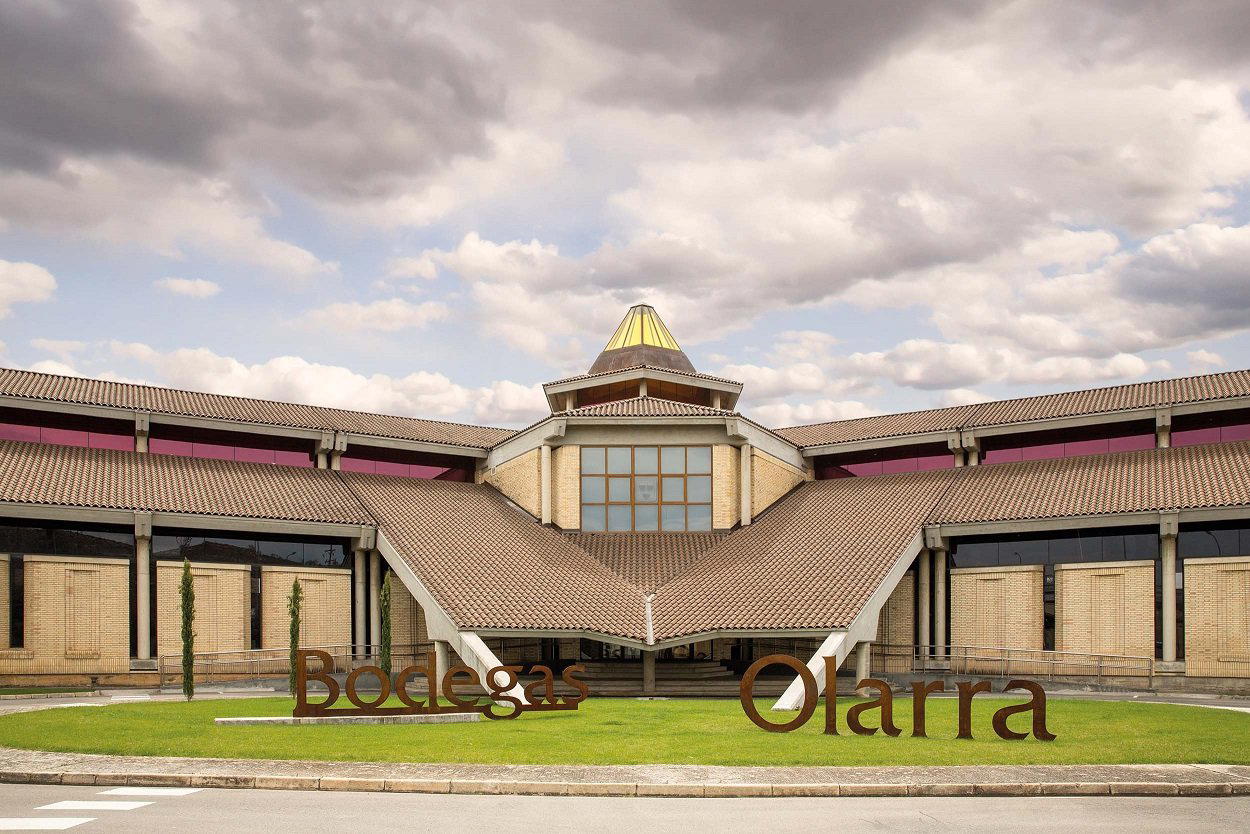
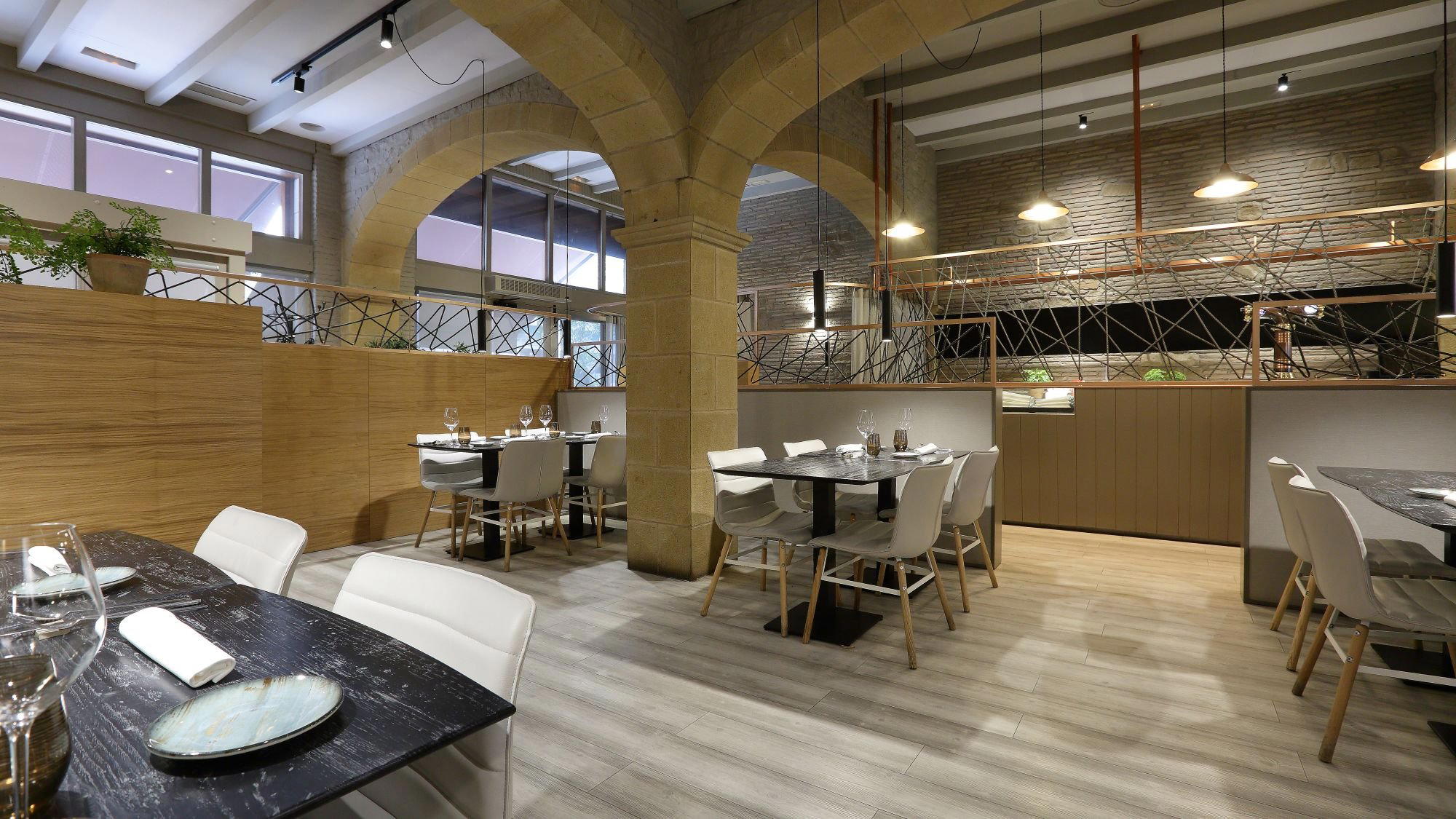
Bodegas Olarra in Logroño is best understood first as an architectural winery. Its identity rests on a dramatic Y-shaped floor plan and a barrel cellar crowned by 111 hexagonal domes, a design that gives the visit a cathedral-like sense of scale. Rather than presenting Rioja only through vineyard scenery or rustic cellar imagery, the winery makes the building itself part of the experience: ultra-modern form, classic aging-cellar atmosphere and a clear visual focus on how wine is stored and explained.
For visitors planning a Logroño wine stop, that architectural character is the safest and strongest reason to put Bodegas Olarra on the itinerary. The available information supports a visit centered on educational guided tours and the winery’s distinctive cellar design. What is confirmed is enough to define the appeal: this is an architect-designed Rioja winery where the built environment is central to the visit.
Rioja architecture as the main draw
The Y-shaped layout is the first major point of distinction. Many winery visits can blur together after a sequence of tanks, barrels and tasting rooms; Bodegas Olarra is different because the plan and cellar ceiling create an immediately recognizable setting. The 111 hexagonal domes over the barrel cellar are the signature feature, giving the aging space a geometric rhythm and a sense of height that explains why the winery is often described in cathedral-like terms.
That does not require inventing extra claims about production scale, vineyard sources or specific wines. The editorial case is simpler: Bodegas Olarra offers a strongly visual way to engage with Rioja wine culture in Logroño. The architecture blends modern design with the familiar idea of the classic aging cellar, so the visitor reads both innovation and tradition in the same place. For travelers who care about design as much as wine, that combination is the point.
The price is $30 per person. That figure helps frame expectations without turning the winery into a dining recommendation or a full-service hospitality venue. It should be approached as a guided winery experience rather than as a restaurant, bar or casual tapas stop. If a traveler needs detailed inclusions, current schedules, language options or accessibility information, those should be checked directly before booking.
The tasting format favors context over spectacle
The confirmed experience is educational and guided. That matters because the strongest value of Bodegas Olarra is context: the tour can use the building, the cellar and the visual drama of the domes to explain how a Rioja winery presents itself.
This is also why Bodegas Olarra suits visitors who want a clear, structured winery stop in Logroño. The appeal is not based on an award, a celebrity chef, a destination restaurant format or a rare bottle allocation. It is based on a concrete, verifiable setting: an iconic, architect-designed Rioja winery with a Y-shaped floor plan and a barrel cellar defined by 111 hexagonal domes.
As part of a wider Logroño itinerary, Bodegas Olarra works well as a planned wine-tour stop. Other dining and drinking choices in the city can be considered separately, but the winery itself should be judged on its architecture, cellar atmosphere and educational guided-tour focus.
Where it fits in a serious wine itinerary
Bodegas Olarra is strongest for travelers who want Rioja interpreted through design. The winery’s modern geometry, dramatic cellar and classic aging-room associations give the visit a clearer identity than a generic cellar tour. The building is not just scenery; it is the organizing feature of the experience and the reason the stop stands out in Logroño.
Because the facts are focused, the best planning advice is equally focused. Budget around the confirmed $30 per person price, treat the visit as an educational guided tour, and verify any operational details directly before arrival. Do not rely on unconfirmed assumptions about lunch, dinner, pairings, specific wines, tour languages, opening hours, private visits or shipping services.
The critical takeaway is simple: Bodegas Olarra is a Logroño Rioja winery with a clear architectural identity. Its Y-shaped plan and 111-domed barrel cellar provide the hook, while the guided-tour focus gives visitors a way to understand the space. For a wine itinerary built around design, cellar atmosphere and Rioja context, it has a precise and defensible reason to be on the schedule.
Recognition history
Dated appearances from independent guides and award organizations, with the underlying list record or original source where available.
Falstaff Winery - 1 Stars
Falstaff
Details
- Well Known
- Modern
- Elegant
- Scenic
- Sophisticated
- Group Outing
- Celebration
- Wine Education
- Special Occasion
- Corporate Event
- Romantic Getaway
- Barrel Room
- Design Destination
- Historic Building
- Private Tasting
- Sustainable
- Tempranillo
- Garnacha
- Graciano
- Mazuelo
- Viura
- Tempranillo Blanco
- Still Red
- Still White
- Still Rosé
- Guided Tour & Tasting
- Barrel Cellar Tasting
- Food Paired Tasting
- Group Tastings
- Private Tastings
- Spanish
- English
Current opening hours
- Monday
- 8 am–4 pm
- Tuesday
- 8 am–4 pm
- Wednesday
- 8 am–4 pm
- Thursday
- 8 am–4 pm
- Friday
- 8 am–3 pm
- Saturday
- 10:30 am–2:30 pm
- Sunday
- Closed
Hours can change for holidays and private events. Last verified .
Well-known, architect-designed Rioja winery with a dramatic Y-shaped floor plan and a barrel cellar crowned by 111 hexagonal domes, blending ultra-modern, cathedral-like architecture with a classic aging cellar and educational guided tours focused on the journey from vineyard to glass.