Bodega Traversa

Bodega Traversa holds a Pearl 2 Star Prestige rating (2025) and sits on Avenida Don Pedro de Mendoza in the eastern reaches of Montevideo, placing it within a city where serious wine production and urban cellar-door culture have grown quietly alongside each other for decades. The address puts visitors at some distance from the tourist-dense Ciudad Vieja, which itself tells you something about the clientele this bodega attracts.
Where Montevideo's Wine Culture Gets Serious
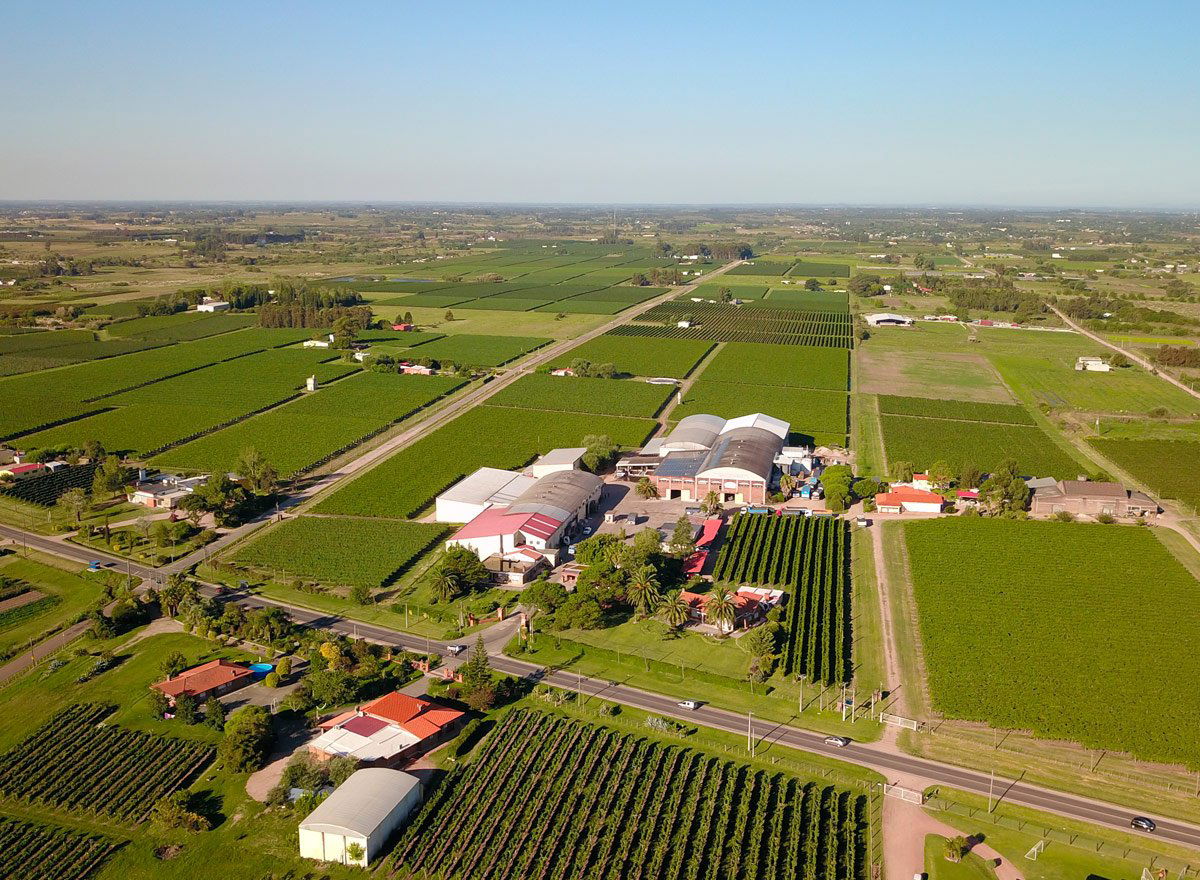
Arrive at Avenida Don Pedro de Mendoza on a weekday afternoon and the neighbourhood makes its intentions clear before you reach the door. This is not the polished riverfront strip that greets most first-time visitors to Montevideo. The 12400 postcode sits in the city's eastern residential band, a stretch of wide avenues and low-rise buildings where working producers and long-established family operations have found the space — and the distance from tourist foot traffic — to do things properly. Bodega Traversa fits that pattern. Its address alone signals that what you find inside is aimed at people who came specifically, not people who wandered past.
Uruguay's urban wine scene occupies an interesting position in South American viticulture. While Mendoza and the Colchagua Valley have absorbed most of the international attention, a cluster of Montevideo-area producers has built a credible, if quieter, reputation on Tannat-led blends and a willingness to experiment with Albariño, Viognier, and other varieties better suited to the country's humid Atlantic climate than the big Cabernet model imported from Argentina and Chile. Bodega Traversa holds a Pearl 2 Star Prestige rating for 2025, placing it in a tier that commands attention within that local competitive set. For context on what that tier looks like across the city, our full Montevideo wineries guide maps the broader picture.
The Cellar-Door Format in an Urban Setting
Urban bodegas operate under different logic than their rural counterparts. A winery in Canelones or the coast near Piriápolis , think Varela Zarranz in Canelones or Bodega Cerro del Toro in Piriápolis , can anchor a half-day excursion around landscape and production scale. An urban bodega compresses that experience: the tasting room does more of the work, the format tends toward structured pourings rather than open wandering, and the conversation between staff and visitor becomes the primary vehicle for understanding what the producer is trying to achieve.
At Bodega Traversa, the tasting experience exists within that urban cellar-door model. The site on Avenida Don Pedro de Mendoza operates as a production and tasting destination simultaneously, which is a format that rewards visitors who arrive with specific questions rather than a general curiosity. Uruguay's Tannat, the country's most distinctive variety and one transplanted from Madiran in France, tends to be the through-line at serious local producers. How it is handled , whether aged in new oak or used barrels, for how long, blended or presented as a varietal , tells you most of what you need to know about a bodega's philosophical position. That kind of reading is easier in person, with a glass in hand, than it is from any list or label.
The Pearl 2 Star Prestige designation for 2025 functions as a reference point in that reading. It places Bodega Traversa above entry-level production without suggesting the output is solely aimed at collectors. That is roughly the register where the most interesting drinking tends to happen: serious enough to reward attention, accessible enough that the tasting room is not intimidating.
Montevideo's Wider Drinks Ecosystem
It is worth understanding Bodega Traversa within the full range of what Montevideo produces and pours. The city has a drinks culture that extends well beyond wine. ANCAP Alcoholes, Destilería Montevideo, and Espíritu Libre Destilería represent the city's growing artisan spirits sector, while Portón del Uruguay sits at the intersection of local production heritage and contemporary presentation. For visitors structuring a day around Uruguayan production culture, these sites collectively illustrate how much the country's drinks identity has diversified beyond its Tannat-and-export-wine reputation.
Within the wine category specifically, Montevideo's own bodega cluster is distinct from the better-known production zones further from the city. Bodega Bouza sits at the more polished, visitor-infrastructure-heavy end of the spectrum; Bodega Carrau in Las Piedras carries historical depth as one of the country's older family producers. Bodega Traversa, rated at the Pearl 2 Star Prestige level, occupies a position in that peer set that is grounded in production credibility rather than tourism amenity. The experience it offers is shaped accordingly.
International reference points are useful here. The question of how a small, quality-focused producer balances cellar-door hospitality with serious winemaking is one that properties from Burgundy to the Barossa have answered in different ways. For a very different production context and visitor format, Abadía Retuerta in Sardón de Duero represents the estate-winery-as-full-destination model at scale. At the artisan end, Aberlour in Aberlour demonstrates how a production site can anchor tasting visits around a single category with depth. Bodega Traversa draws on neither of those models directly but the comparison clarifies what urban, production-focused cellar doors do differently: the emphasis falls on the liquid and the conversation, with less peripheral infrastructure.
Planning a Visit
Avenida Don Pedro de Mendoza 7966 is in a part of Montevideo that most visitors will reach by taxi or rideshare rather than on foot from a central hotel. The address sits well east of the Ciudad Vieja and Pocitos, so a dedicated trip makes more sense than a passing visit. Given the absence of published hours and booking details in the public record, the most reliable approach before visiting is to contact the bodega directly or check current availability through local concierge services. For a broader sense of how to structure time in the city around dining, accommodation, and experiences, our full Montevideo restaurants guide, hotels guide, bars guide, and experiences guide cover the adjacent territory.
The Pearl 2 Star Prestige recognition for 2025 means Bodega Traversa warrants the extra planning. For visitors serious about Uruguayan wine, a bodega operating at that level, in a city where the cellar-door format remains more local institution than tourist infrastructure, is the kind of stop that shapes how the rest of the country's wine culture makes sense.
Frequently Asked Questions
- How would you describe the overall feel of Bodega Traversa?
- Bodega Traversa sits at the production-focused end of Montevideo's cellar-door spectrum. The address on Avenida Don Pedro de Mendoza, away from the tourist-heavy riverside districts, means the atmosphere is oriented toward serious wine visitors rather than casual foot traffic. Its Pearl 2 Star Prestige rating (2025) positions it as a reference point in the city's wine scene rather than an introductory one. Price information is not published in the public record, but the tier suggests a mid-to-premium range consistent with that recognition level.
- What's the signature bottle at Bodega Traversa?
- Specific current releases are not listed in the available record. Uruguay's defining variety is Tannat, and any bodega operating at the Pearl 2 Star Prestige level is likely presenting that variety in at least one form that reflects the production house's approach to oak, ageing, and blending. No winemaker is listed in the current data. For a full picture of what the Uruguayan wine producing region around Montevideo offers, the context from producers like Varela Zarranz in Canelones is useful comparative reading.
- What should I know about Bodega Traversa before I go?
- The bodega is located in the eastern residential belt of Montevideo, not in the central visitor areas, so plan the journey in advance. The Pearl 2 Star Prestige award (2025) is the clearest public signal of its standing. Hours and booking policies are not available in the current public record, so confirming details directly before arriving is the practical approach. Visitors combining this stop with other Montevideo producers will find our full Montevideo wineries guide a useful planning resource.
- What's the leading way to book Bodega Traversa?
- No website or phone number is listed in the current public record for Bodega Traversa. If you are visiting Montevideo and want to include the bodega in your itinerary, the most reliable path is through a local hotel concierge or a specialist Uruguay travel operator who can confirm current access and opening arrangements. Given the Pearl 2 Star Prestige recognition, demand from serious wine visitors is a reasonable assumption, so advance confirmation rather than an unannounced visit is the sensible approach.
A Quick Peer Check
A quick snapshot of similar venues for side-by-side context.
| Venue | Classification | Awards | First Vintage | Notes |
|---|---|---|---|---|
| Bodega Traversa | 1 awards | This venue | ||
| Bodega Bouza | World's 50 Best | |||
| ANCAP Alcoholes | 1 awards | |||
| Destilería Montevideo | 1 awards | |||
| Espíritu Libre Destilería | 1 awards | |||
| Portón del Uruguay | 1 awards |
Access the Cellar?
Our members enjoy exclusive access to private tastings and priority allocations from the world's most sought-after producers.
Access the Concierge