
Billy Button Wines gives Bright a compact, town-centre cellar-door lens on the Alpine Valleys rather than a vineyard-estate experience. The draw is varietal breadth: Jo Marsh and Glenn James work across familiar grapes and alternative varieties, with tastings that suit visitors who want regional context before dinner rather than a formal winery itinerary.
Pearl is the En Primeur Club membership app — saves, bookings, and concierge access live there. Same editors, same standards.
- Address
- Bright, Northern Territory, Australien
- Directions
- Get directions
 Saves & bookings on Pearl
Bright’s cellar-door rhythm is different from the grand-driveway model of Australian wine tourism. Here, the encounter can begin on a paved town street, inside a small room built for conversation rather than vineyard theatre. Billy Button Wines fits that format: an urban cellar door where the Alpine Valleys are read through the glass, not through a panorama.
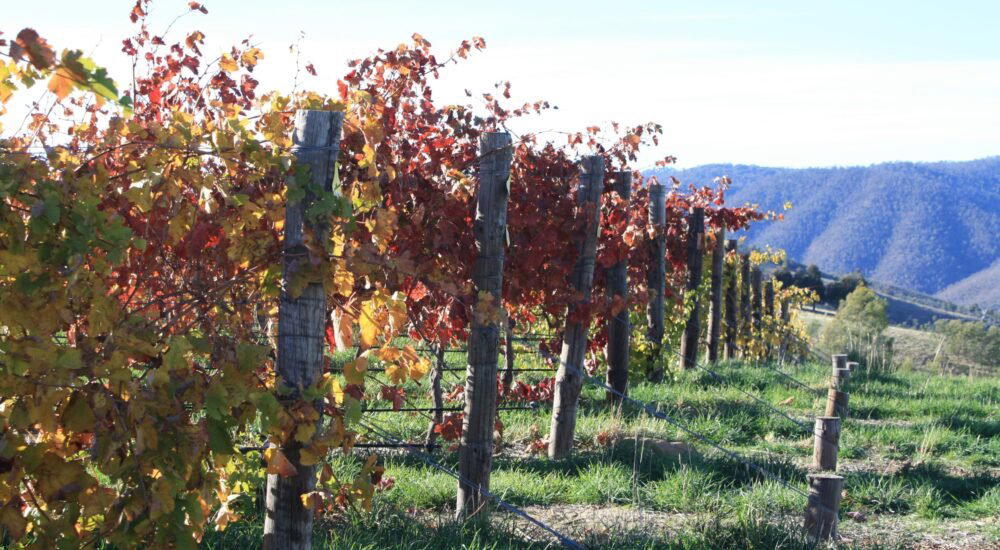
The region gives the story its tension. Alpine Valleys wine is shaped by cool air, high slopes and mixed soils, a useful setting for varieties that need time to ripen without losing line. In a country still often read through Shiraz, Cabernet and Chardonnay, this corner of Victoria has become a sharper argument for alternative grapes. The tasting room’s role is to make that argument quickly, clearly and without ceremony.
Alpine Valleys wine seen through alternative varieties
The defining move here is varietal range. Billy Button Wines works with grapes including Prosecco, Nebbiolo, Chardonnay, Riesling and Sangiovese, while its broader portfolio has also been associated with less common Australian plantings such as Barbera, Fiano, Garganega, Saperavi and other European varieties. That breadth matters because it shifts the cellar-door conversation away from a single house style and toward what different grapes can do in the same regional frame.
Grower-network model is central to that reading of place. Rather than presenting wine as the output of one estate block, the label draws on parcels from local Alpine Valleys growers. In practical terms, that lets the portfolio behave more like a regional survey than a narrow estate statement. For visitors, the useful comparison is not between labels lined up by prestige, but between grape skins, ripening habits and how cool-climate acidity carries through the range.
Joanna (Jo) Marsh founded the label in 2014, with Glenn James joining as winemaker in 2015. Those dates give the project enough maturity to have a clear identity without feeling fixed in an older regional template. James Halliday has noted Marsh’s grower network and the quality of the wines under the label, while Wine-Searcher has listed The Elusive Nebbiolo 2022 in a 90–95 point band. Those signals matter less as trophy language than as proof that the alternative-variety argument has landed beyond the tasting bench.
The cellar-door format also suits the wines. A long estate tour can sometimes flatten small-parcel wines into a single narrative; a bar tasting can keep the focus on contrast. Sparkling, white, rosé, red and skin-contact styles all sit within the stated focus, so the smarter approach is to taste across categories rather than chase only familiar grapes. This is where the Alpine Valleys read as a region of options, not a minor footnote to larger Australian wine zones.
A compact Bright tasting room built for conversation
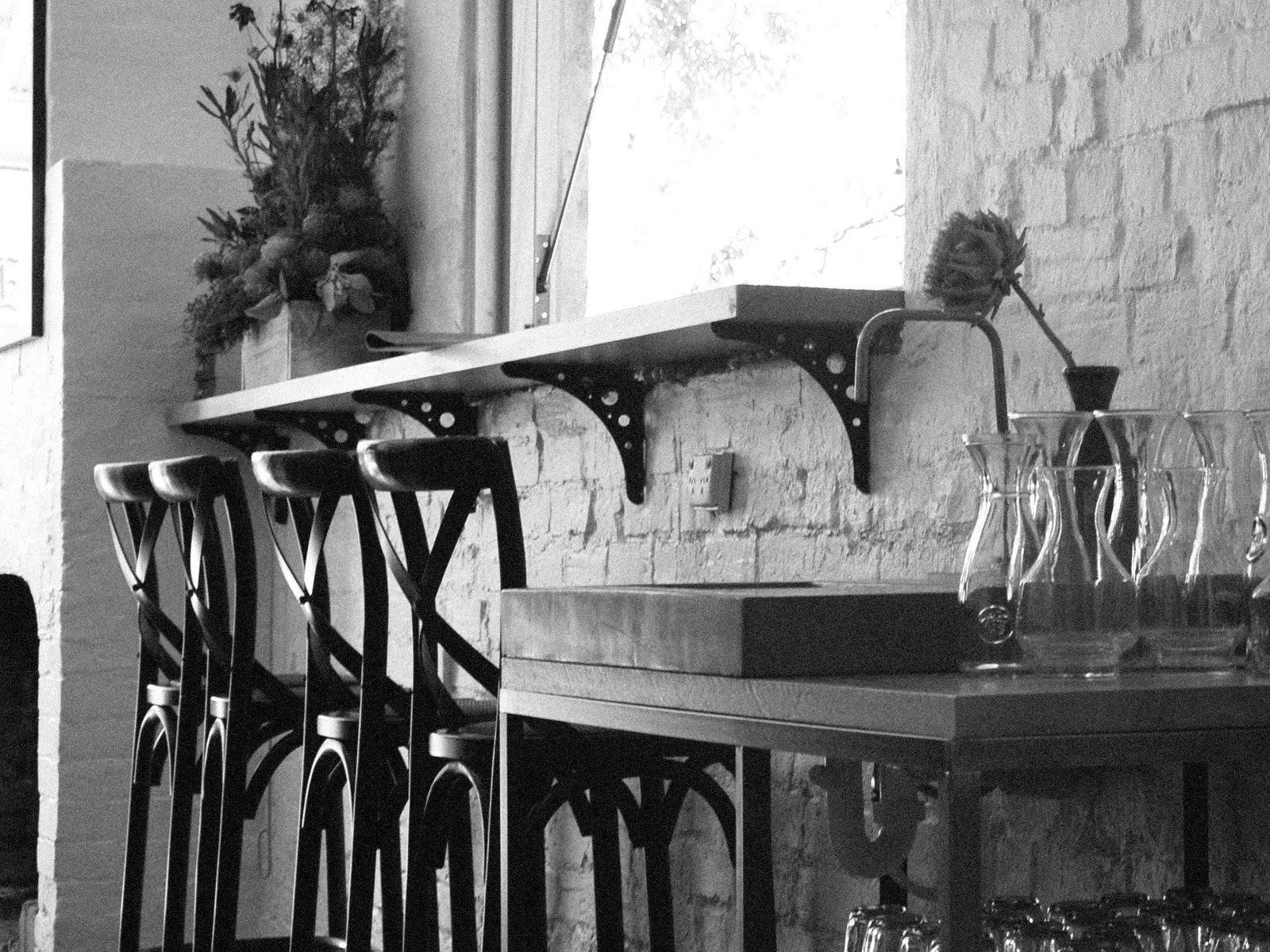
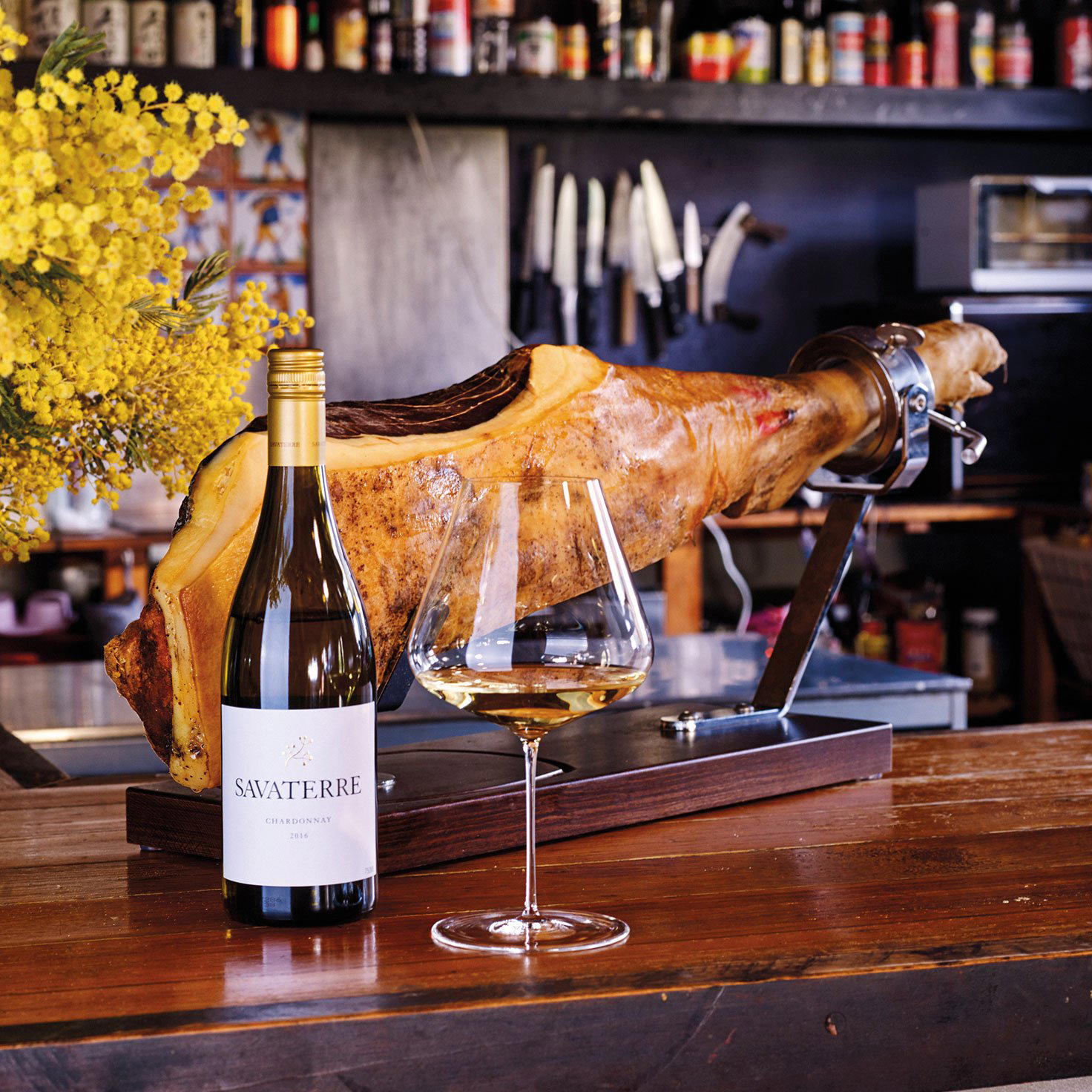
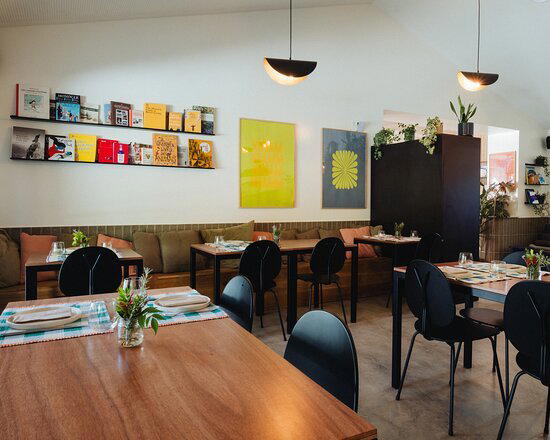
The room’s scale shapes the experience. The atmosphere is casual and conversational, with knowledgeable staff and a format that works for a pre-dinner tasting as much as a longer wine-education stop. Cheese platters and deli-style accompaniments keep the hospitality grounded, and the lack of outdoor vineyard seating is not a flaw so much as a clue: this is a town cellar door, not a pastoral stage set.
That distinction is useful when planning a Bright day. The cellar door suits small groups, couples, solo tasters and families looking for a relaxed stop, with a dog-friendly policy adding to the easygoing character. The noise level sits in the conversational band, so this is better for questions about grape varieties and regional conditions than for a high-volume social session. Dress stays casual, which fits the town-centre setting.
Pricing sits at $15 per person, placing the tasting in an accessible bracket for a cellar door with strong range. The visit type is walk-in friendly, and the listed tasting formats include bar tastings, flights and private tastings. A typical visit runs 60–90 minutes, long enough to understand the alternative-variety thesis without losing the rest of a Bright itinerary.
For broader planning, pair the stop with our full Bright wineries guide, then build the evening through our full Bright restaurants guide and our full Bright bars guide. Visitors staying over can cross-check our full Bright hotels guide, while non-cellar-door time sits in our full Bright experiences guide.
Where it sits in an Australian wine itinerary
Billy Button Wines is strongest for travellers who want Australian wine to feel less predictable. Its production scale is listed as medium, its allocation status is open, and shipping is available, so the experience is not framed as scarcity theatre. The editorial interest is elsewhere: a Bright cellar door using range, staff knowledge and Alpine Valleys sourcing to show why alternative varieties have become one of the more persuasive parts of contemporary Australian wine.
That makes it a useful counterpoint to bigger-name regional circuits. Travellers comparing Australian producers can widen the map with 19 Crimes in Southbank, Accolade Fine Wines in Melbourne, Adelina Wines in Clare Valley, Alice Springs Brewing Co in Alice Springs, Alkina Estate in Greenock, Alkina Wine Estate in Barossa Valley, All Saints Estate in Rutherglen and Allegiance Wines in Alstonville. For a wider international cellar-door contrast, see »der Steiner« Hans Steiner in Podersdorf am See and & Handwein in Mannheim.
The verdict is simple: choose this for terroir education through breadth. The wines give Bright a concise way to explain the Alpine Valleys, and the cellar door keeps the experience approachable without stripping out the detail serious tasters want.
Recognition history
Dated appearances from independent guides and award organizations, with the underlying list record or original source where available.
Falstaff Winery - Listed
Falstaff
At a Glance
- Cozy
- Lively
- Modern
- Intimate
- Group Outing
- Romantic Getaway
- Solo Exploration
- Wine Education
- Family
- Estate Grounds
- Private Tasting
- Sustainable
- Street Scene
- Alpine Valleys
- Prosecco
- Nebbiolo
- Chardonnay
- Riesling
- Sangiovese
- Still Red
- Still White
- Still Rosé
- Sparkling
- Skin Contact
- Bar Tasting
- Flight Tasting
- Walk In
- Private Tasting
A small, central-town cellar door with friendly, knowledgeable staff and a relaxed, conversational atmosphere, offering pre-dinner tastings and cheese platters in a cozy, casual setting.