Beneduce Vineyards

Beneduce Vineyards puts New Jersey wine in a farm-first frame: estate-grown fruit, regenerative vineyard work, and a hospitality style that shifts from daytime picnics to livelier music-led evenings. In Pittstown, its strongest argument is terroir rather than spectacle, with Hunterdon County soils, elevation, and breeze shaping a portfolio that runs across still, sparkling, and dessert wines.
Pearl is the En Primeur Club membership app — saves, bookings, and concierge access live there. Same editors, same standards.
- Address
- Pittstown, New Jersey, Vereinigte Staaten
- Directions
- Get directions
 Saves & bookings on Pearl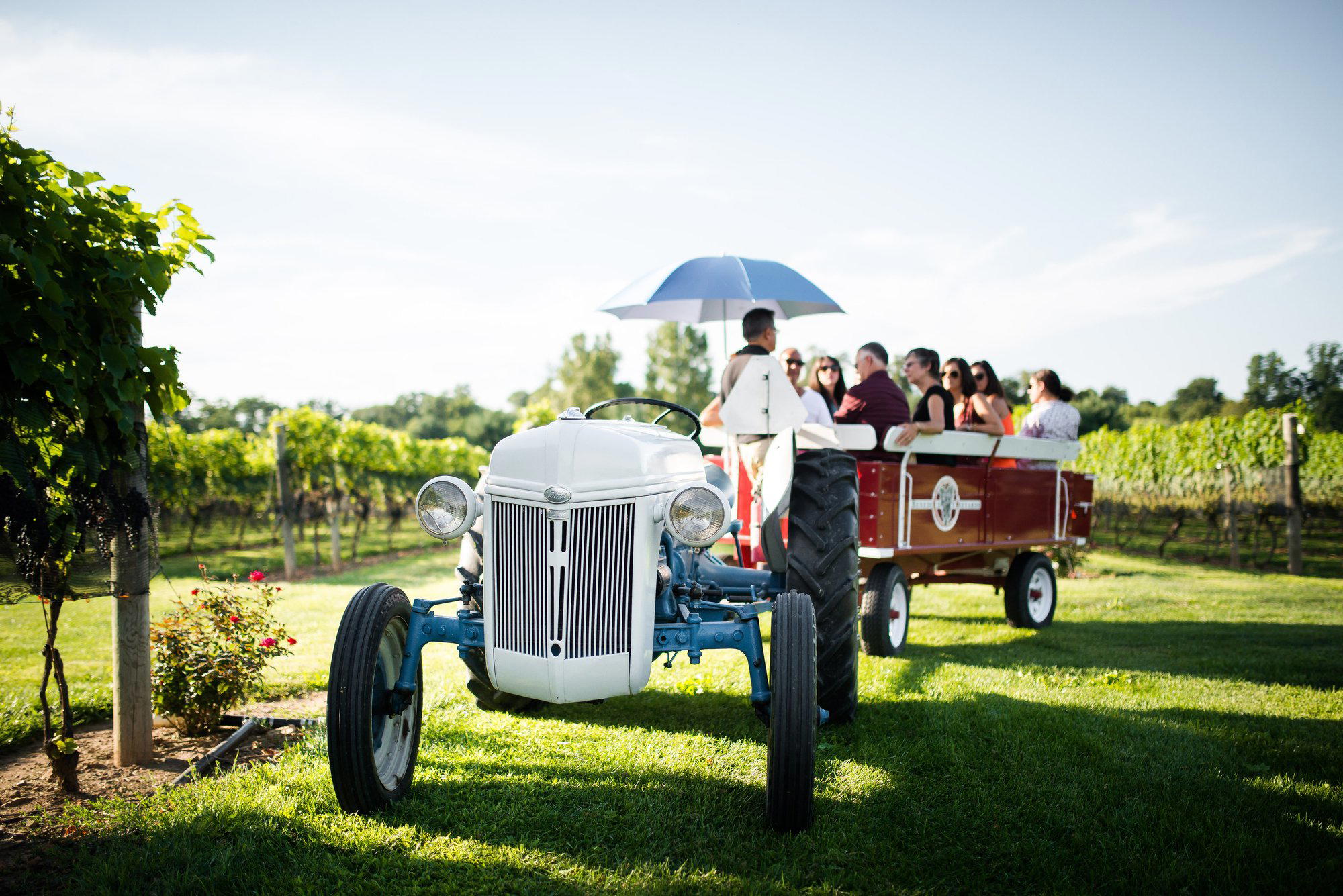
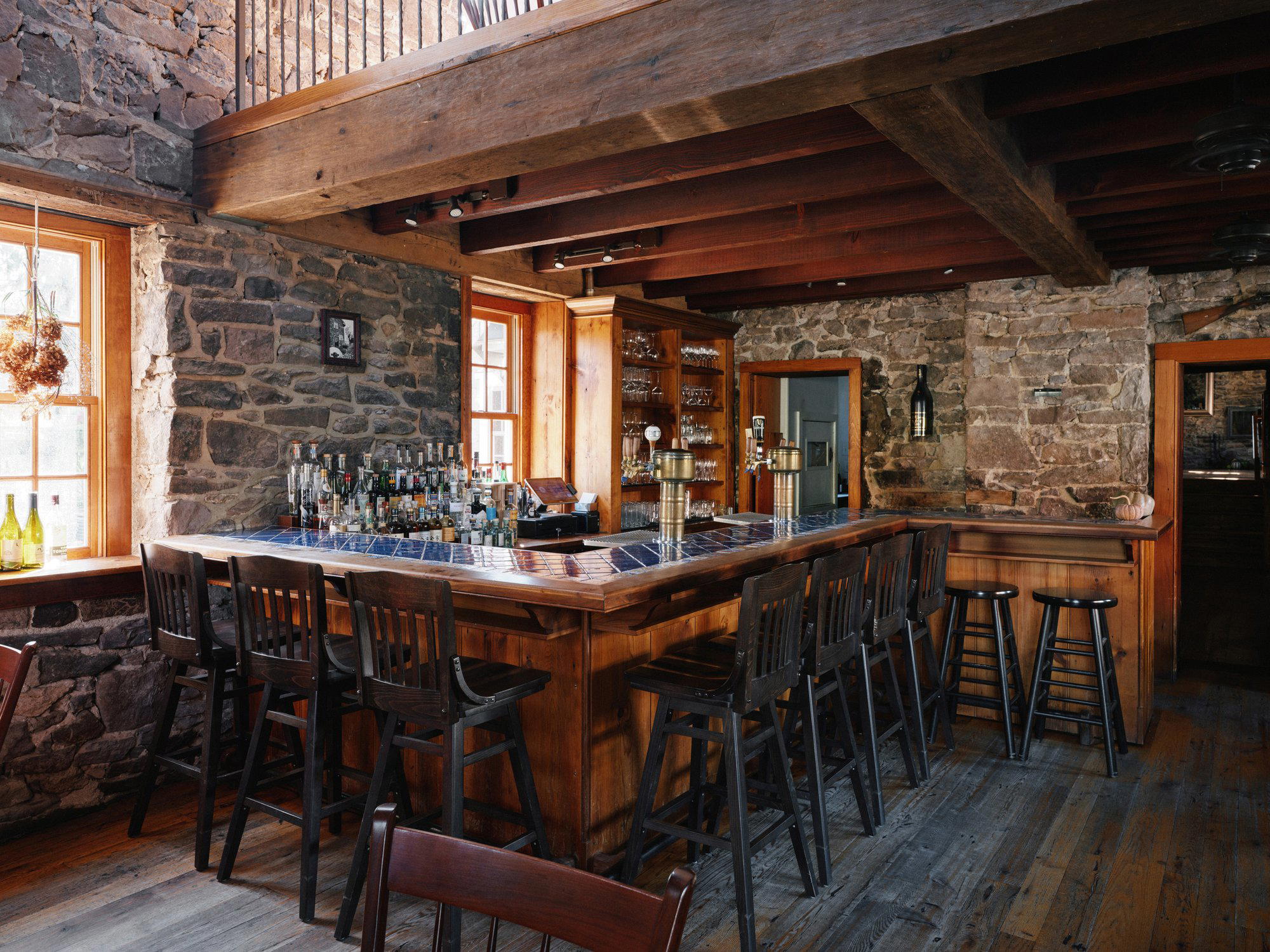
The first read is rural, not resort-polished: open farm space, indoor seating, outdoor areas, calendar music, and a crowd that can shift from family picnic mode by day to a more animated evening scene. That matters in New Jersey wine, where the strongest producers must both argue for the state’s viticulture and give visitors reason to linger rather than treat tasting as a quick errand.
Beneduce Vineyards sits in Pittstown, but its sharper context is Hunterdon County, where high-elevation sites, deeper soils, and moving air give producers a different argument from coastal or warmer-climate American wine regions. The estate model is the key signal. Grapes grow on the family’s 77-acre farm, with vines first planted in 2009 and the public opening in 2012. That places the property in the newer generation of East Coast wineries measuring credibility through farming choices, estate control, and repeatable hospitality rather than inherited prestige.
Hunterdon County fruit, farm discipline, and a New Jersey case study
New Jersey wine is often judged against louder regions, a lazy comparison. The better question is whether a producer makes its site legible in the glass and the visit. Here, the estate-grown approach gives Beneduce Vineyards a clear position: the wines are not purchased fruit assembled into a brand story, but tied to a specific farm and specific agricultural decisions.
The vineyard work is the serious proposition. The farm uses regenerative techniques, dry-farming, hand-pruning, hand-harvesting, and compost made on-site. These are not decorative sustainability claims; they shape the economics and style of a small farm winery. Dry-farming makes vines work with natural rainfall. Composting keeps fertility tied to the property. Hand work signals a scale where observation matters. River Friendly Farm Certified status adds a concrete environmental credential, especially in a state where land use and water protection sit close to agriculture.
The portfolio is broad enough to show ambition without losing the estate frame: whites, rosés, reds, sparkling wines, and dessert wines all appear. Classic Wines follow a more traditional line, while the Crafted Series gives the cellar room for lower-intervention experimentation. That split mirrors a wider shift in American regional wineries, where visitors expect both a familiar tasting path and proof the cellar is not frozen in a generic tasting-room script.
Recognition has pushed the argument beyond local loyalty. The vineyard has been cited as a Top 25 US Vineyard and #4 Winery in the US, and Mike Beneduce has been named New Jersey’s Outstanding Young Farmer of the Year. Individual category recognition has included Best Sparkling Wine, Best Dessert Wine, Best White Wine, and Best Rosé Wine. These matter less as trophy language than as proof that New Jersey producers can compete when farming, cellar work, and hospitality align.
A tasting room built for learning, not hushed reverence
The format is relaxed, but the tasting structure is intentional. Tableside tastings use 1oz pours in a progressive format, giving the visit a clearer arc than a counter lineup with little context. Seasonal wine tastings, local cheese and charcuterie pairings, and smaller sampling options create several entry points. Guests can treat the property as either a casual countryside afternoon or an educational tasting built around estate-grown New Jersey wine.
That duality earns attention. Many farm wineries lean on atmosphere until wine becomes background scenery. Beneduce Vineyards has the lawn, stone patio, crush pad, and live-music programming, but the stronger read is how those hospitality pieces bring a broader audience into contact with vineyard-specific production. Saturday and Sunday night live music gives the property a regular social rhythm; Group Therapy events push toward a livelier adult evening; daytime seating and picnic energy keep it accessible for mixed groups.
The family history adds weight without carrying the whole page. The Beneduce family has farmed in the area for four generations, and the current wine project grew from a farm established in 2000 before first vines went in during 2009. Mike Beneduce’s role as fourth-generation owner and winemaker connects viticulture to agricultural continuity rather than lifestyle branding. The stronger point is stewardship: a farm moved into wine with enough patience to let the vineyard become the center of its identity.
For readers mapping a Pittstown stay around wine, food, and rural New Jersey, the vineyard belongs in a wider itinerary rather than as a standalone curiosity. Start with Our full Pittstown wineries guide, then use Our full Pittstown restaurants guide, Our full Pittstown bars guide, Our full Pittstown hotels guide, and Our full Pittstown experiences guide to build the rest of the day. For broader winery reading across regions, EP Club also covers 00 Wines in Carlton, 13th Vineyard in Angwin, 50 West Vineyards in Aldie, A to Z Wineworks in Newberg, A. Rafanelli Winery in Healdsburg, Aaron Wines in Paso Robles, Ab Astris Winery in Stonewall, Abbot’s Passage Winery & Mercantile in Glen Ellen, »der Steiner« Hans Steiner in Podersdorf am See, and & Handwein in Mannheim.
Who should make the trip
This is a strong choice for drinkers interested in how a smaller East Coast estate argues for place: not through one grape, but through farm practice, estate control, and hospitality usable across occasions. It suits groups wanting outdoor seating and music as much as guests who care about regenerative farming and the distinction between classic and lower-intervention cellar work. The experience is casual in dress and atmosphere, but the agricultural intent is more serious than the picnic setting first suggests.
The critical lens is simple: the winery is strongest as a New Jersey farm winery with a coherent land-to-glass position. The draw is not a grand château performance or prestige-region imitation. It is a working Hunterdon County property using estate fruit, sustainable fieldwork, and structured hospitality to make a credible case for Pittstown wine.
Recognition history
Dated appearances from independent guides and award organizations, with the underlying list record or original source where available.
Falstaff Winery - Listed
Falstaff
Continue exploring
More in Pittstown
Wineries in Pittstown
Browse all →
Bars in Pittstown
Browse all →
Restaurants in Pittstown
Browse all →
At a Glance
- Scenic
- Rustic
- Lively
- Classic
- Energetic
- Group Outing
- Celebration
- Family
- Romantic Getaway
- Wine Education
- Special Occasion
- Estate Grounds
- Picnic Area
- Vineyard Tour
- Private Tasting
- Terrace
- Historic Building
- Sustainable
- Vineyard
- Garden
- New Jersey
- Still Red
- Still White
- Still Rosé
- Sparkling
- Dessert
- Standard Tasting
- Glass And Bottle Service
- Live Music Evenings (group Therapy)
- Picnic Style Visits
- Private Events
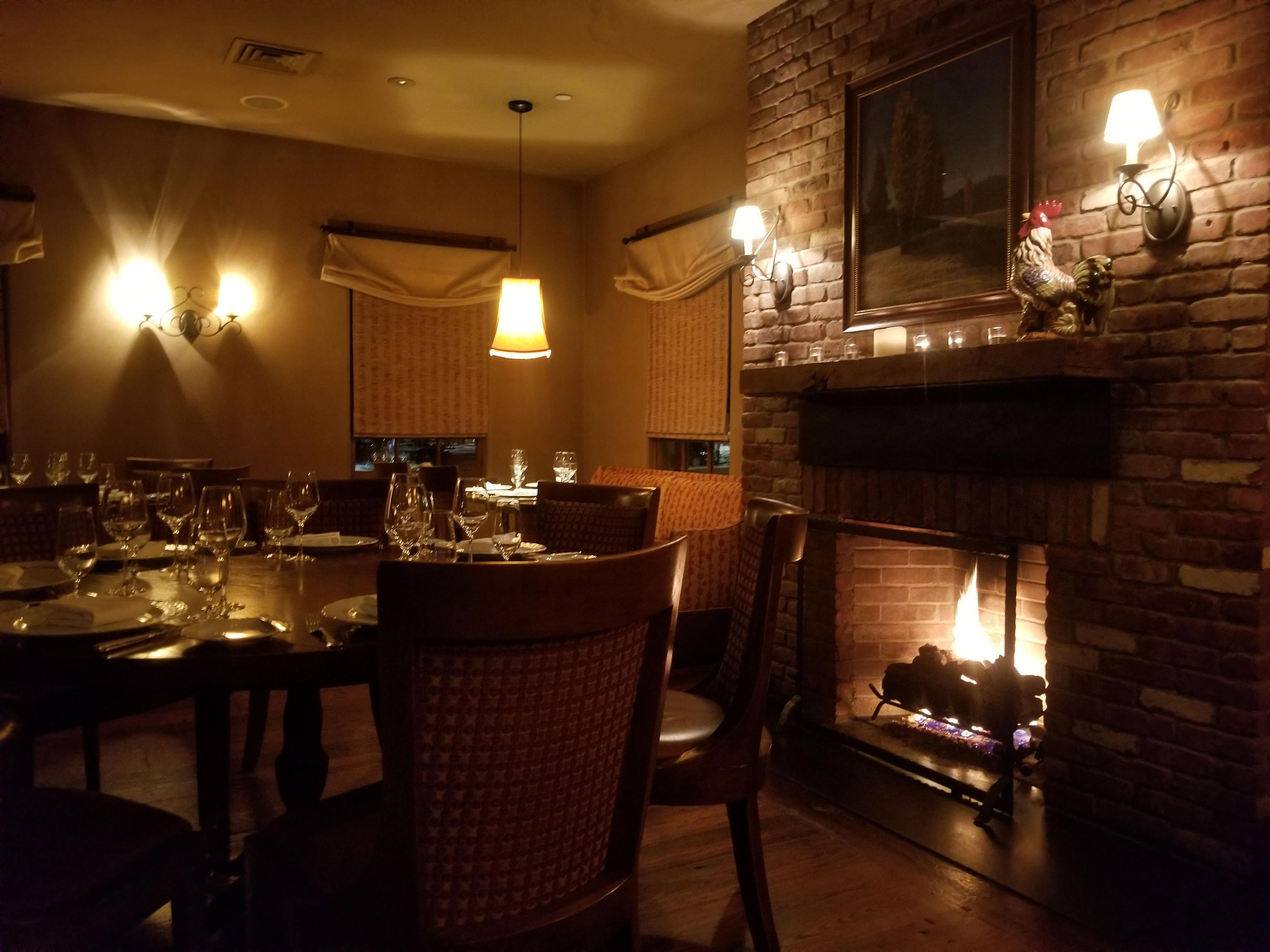
Relaxed, countryside farm setting with spacious indoor and outdoor seating, live music, and a convivial atmosphere that ranges from family-friendly daytime picnics to more adult, lively evenings during Group Therapy events.