Pooles Rock
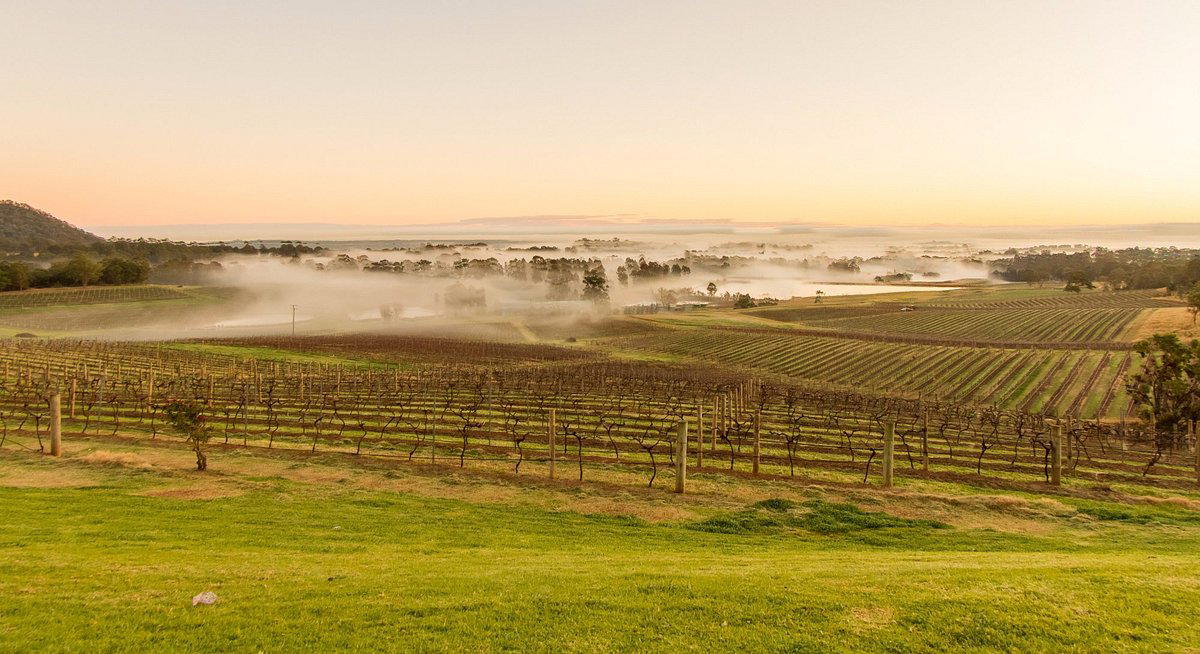
Pooles Rock is a Hunter Valley winery. The property sits within the Hunter's semillon and shiraz heartland, drawing visitors who treat the region as one of Australia's most historically grounded wine destinations rather than a weekend novelty.

Pearl is the En Primeur Club membership app — saves, bookings, and concierge access live there. Same editors, same standards.
- Address
- 576 De Beyers Rd, Pokolbin NSW 2320
- Phone
- +61 2 4993 3688
- Website
- poolesrock.com.au
- Directions
- Get directions
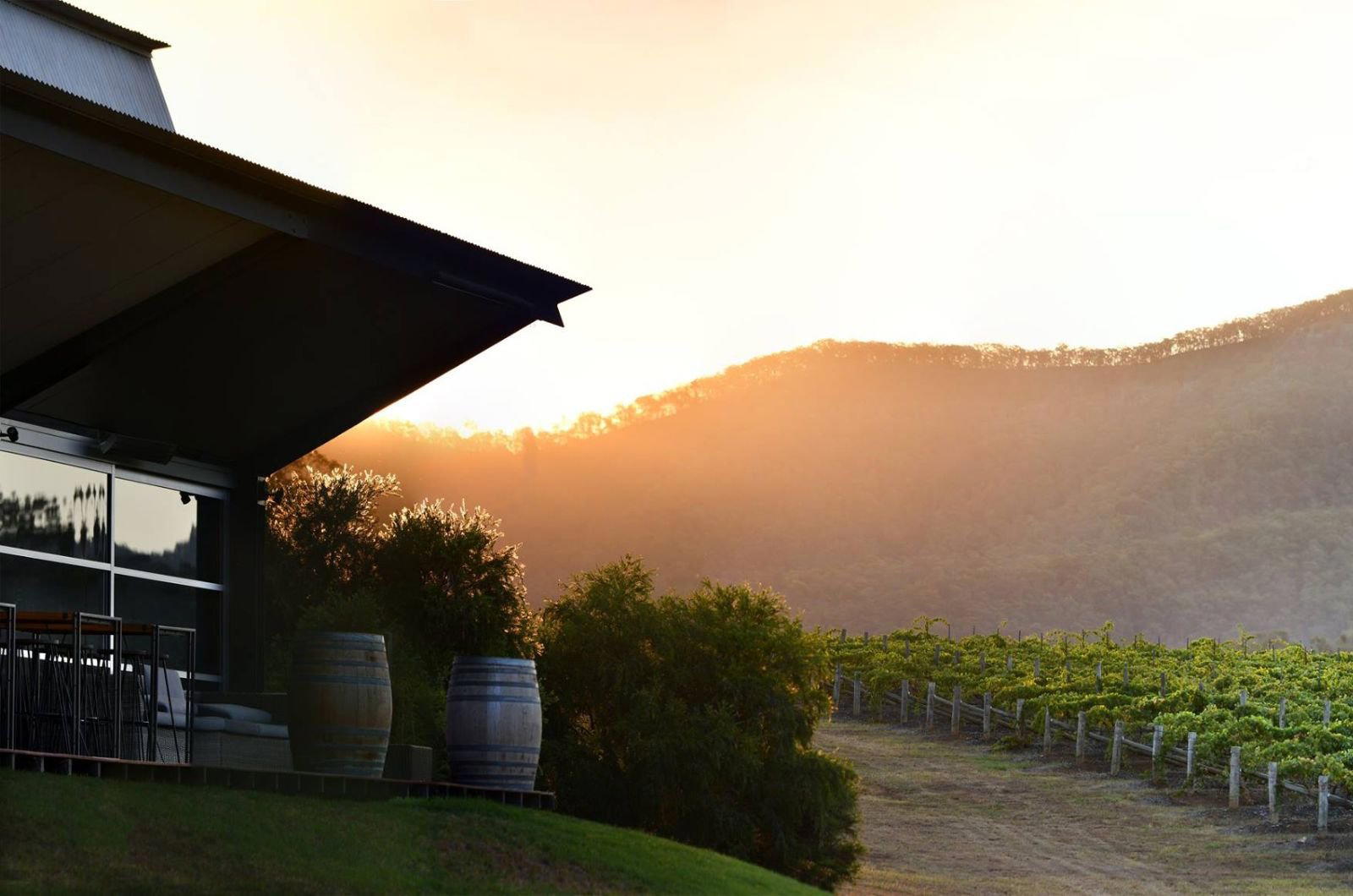
Hunter Valley's Oldest Identity, Still Debated
Australia's wine regions have spent decades sorting themselves into tiers: Barossa and McLaren Vale anchoring shiraz; Yarra Valley and Adelaide Hills building a case for cool-climate refinement; Margaret River pressing its Bordeaux-varietal claims. The Hunter Valley sits apart from most of that competition. Its identity was set early, around semillon and a particular style of shiraz that ripens at lower sugars due to summer rains and cloud cover rather than cool temperatures. That identity is at once the Hunter's greatest asset and its most persistent complication: the region rewards patience in a market that often doesn't have any.
Within that context, Pooles Rock operates at De Beyers Road in Pokolbin, the geographic core of the Hunter's premium wine production. The address alone signals something: Pokolbin's De Beyers corridor is surrounded by names that have shaped Australian wine history over more than a century. Brokenwood, Tyrrell's Wines, and Mount Pleasant are near neighbours, each carrying decades of accumulated reputation that new entrants measure themselves against whether they choose to or not.
Where Pooles Rock Sits in the Hunter Hierarchy
The Hunter Valley's prestige tier is smaller than the region's visitor numbers suggest. A large proportion of the wineries along Broke Road and McDonalds Road exist primarily for weekend traffic and cellar-door retail rather than critical wine production. The estates that hold consistent critical recognition operate with a different logic: lower yields, older vine material, and wines designed for the secondary market or long-term collectors rather than immediate consumption.
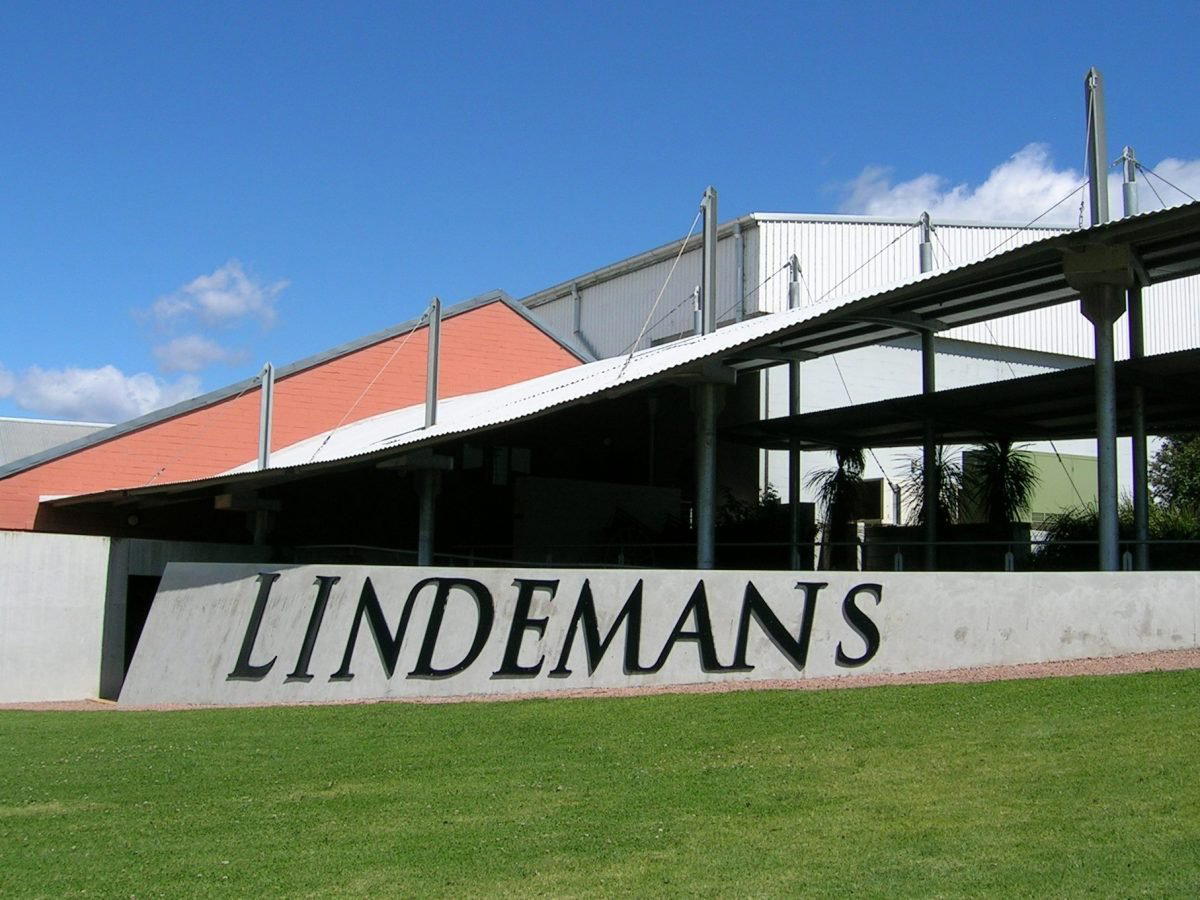
For comparison, Audrey Wilkinson occupies the same general corridor and has drawn attention for its heritage vineyard material, while Lindeman's carries the region's longest documented commercial history. Each sits in a different part of the Hunter's identity spectrum.
Across Australia's wine landscape more broadly, that kind of mid-to-upper prestige tier is where most of the interesting production decisions happen. The constraints of peer comparison are less acute than at the very leading, which allows producers to pursue regional typicity rather than international benchmark styles. In the Hunter, that means semillon at lower alcohol levels than most Australian whites, and shiraz with the particular dusty, savoury profile that distinguishes Hunter examples from the riper idioms of warmer regions. Whether Pooles Rock leans into that conservative, age-worthy model or interprets the Hunter's varieties in a more contemporary register is the kind of question a cellar-door visit answers more precisely than any external summary can.
The Hunter as a Wine Region: Context Worth Having
The Hunter Valley is one of Australia's oldest documented wine-producing regions, with commercial production traceable to the 1820s and 1830s. That history creates a specific kind of advantage and a specific kind of weight. The advantage is vine age: some Hunter estates work with material planted in the 1860s and 1880s, producing fruit of a concentration and specificity that newer plantings cannot replicate regardless of winemaking technique. The weight comes from a market that has periodically overlooked the Hunter in favour of shinier propositions elsewhere in the country.
What has kept the Hunter relevant internationally is semillon. Hunter semillon in its youth is lean, almost austere, with citrus and lanolin notes that can read as incomplete to palates expecting immediate generosity. Aged between five and fifteen years in bottle, the same wine transforms into something with very few global equivalents: toasty, waxy, honeyed without sweetness, with an acid structure that outlasts most white wines in the world. That transformation requires a buyer who understands what they're purchasing and a producer who makes wine in a style that rewards rather than resists ageing. The Hunter's most serious estates have built reputations on precisely that premise.
Shiraz tells a different story. Hunter shiraz at its finest is medium-bodied with a savoury, leathery quality and a structure that reflects the region's volcanic and alluvial soils rather than sheer fruit mass. It doesn't compete directly with Barossa Valley shiraz on power or with Heathcote on density. It competes on distinction, on a profile that experienced drinkers recognize immediately and return to specifically. Estates like Mount Pleasant have anchored that style for generations. Newer producers entering the Hunter's premium tier are implicitly measured against that benchmark even when they don't acknowledge it directly.
Planning a Visit to Pooles Rock
Pooles Rock is located at 576 De Beyers Road, Pokolbin NSW 2320, within the concentration of estate wineries that makes Pokolbin the Hunter's most visited sub-region. The practical logistics of visiting the Hunter favour a Saturday or Sunday approach from Sydney, with the drive running roughly two hours along the Hunter Expressway depending on traffic. The corridor along Broke Road and De Beyers Road allows visitors to cover several cellar doors in a single day without significant backtracking, which is how most informed visitors approach the region: three to five estates across a morning and afternoon, with lunch anchored at one of the area's destination restaurants.
Our full Hunter Valley restaurants guide maps the dining options against the winery corridor, which helps avoid the common mistake of booking lunch too far from the afternoon's intended wine stops. The region rewards a two-day visit over a single day, particularly for those interested in vertical tastings or library wines, which several Hunter producers make available by appointment.
Beyond the Hunter, visitors with an interest in Australian wine's regional spread can draw useful comparisons with production at different scales and in different styles. All Saints Estate in Rutherglen represents the fortified tradition that defined a different chapter of Australian wine history. Bass Phillip in Gippsland pursues the kind of small-volume, Burgundy-inflected Pinot Noir that sits at the opposite end of the volume spectrum from Hunter production. Bird in Hand in Adelaide Hills and Leading's Wines in Great Western offer further points of reference for understanding how Australia's diverse growing conditions produce genuinely distinct regional styles rather than minor variations on a single template.
For those whose interests extend beyond wine entirely, Archie Rose Distilling Co in Sydney has repositioned Australian spirits in a similar way that the Hunter's serious producers repositioned regional wine: by foregrounding craft and terroir-adjacent thinking over volume. The comparison is instructive about where Australian premium drinks production has moved across multiple categories in the past decade.
International reference points in the prestige tier include Accendo Cellars in St. Helena and Aberlour in Aberlour, producers operating in very different traditions but sharing the characteristic of recognition above the regional median. Angove Family Winemakers in Renmark and Blue Pyrenees Estate in Pyrenees round out the Australian context for visitors thinking about the country's wine geography at a national rather than purely regional scale.
Price and Positioning
Comparable venues nearby, for context on price, style, and recognition.
| Venue | Cuisine | Price | Awards |
|---|---|---|---|
| Pooles RockThis venue — the venue you are viewing | Pokolbin, semillon, chardonnay | Not listed | Not listed |
| Lake's Folly | Pokolbin, Cabernet Sauvignon, Merlot | $10–20 | Not listed |
| Brokenwood | Pokolbin, Semillon, Shiraz | $20–30 | Falstaff Winery - Listed |
| McGuigan Wines | Pokolbin, Semillon, Chardonnay | Not listed | Not listed |
| Tyrrell's Wines | Pokolbin, Semillon, Shiraz | $10–20 | Falstaff Winery - Listed |
| Silkman Wines | Pokolbin, Semillon, Chardonnay | Not listed | Not listed |
Continue exploring
More in Hunter Valley
Wineries in Hunter Valley
Browse all →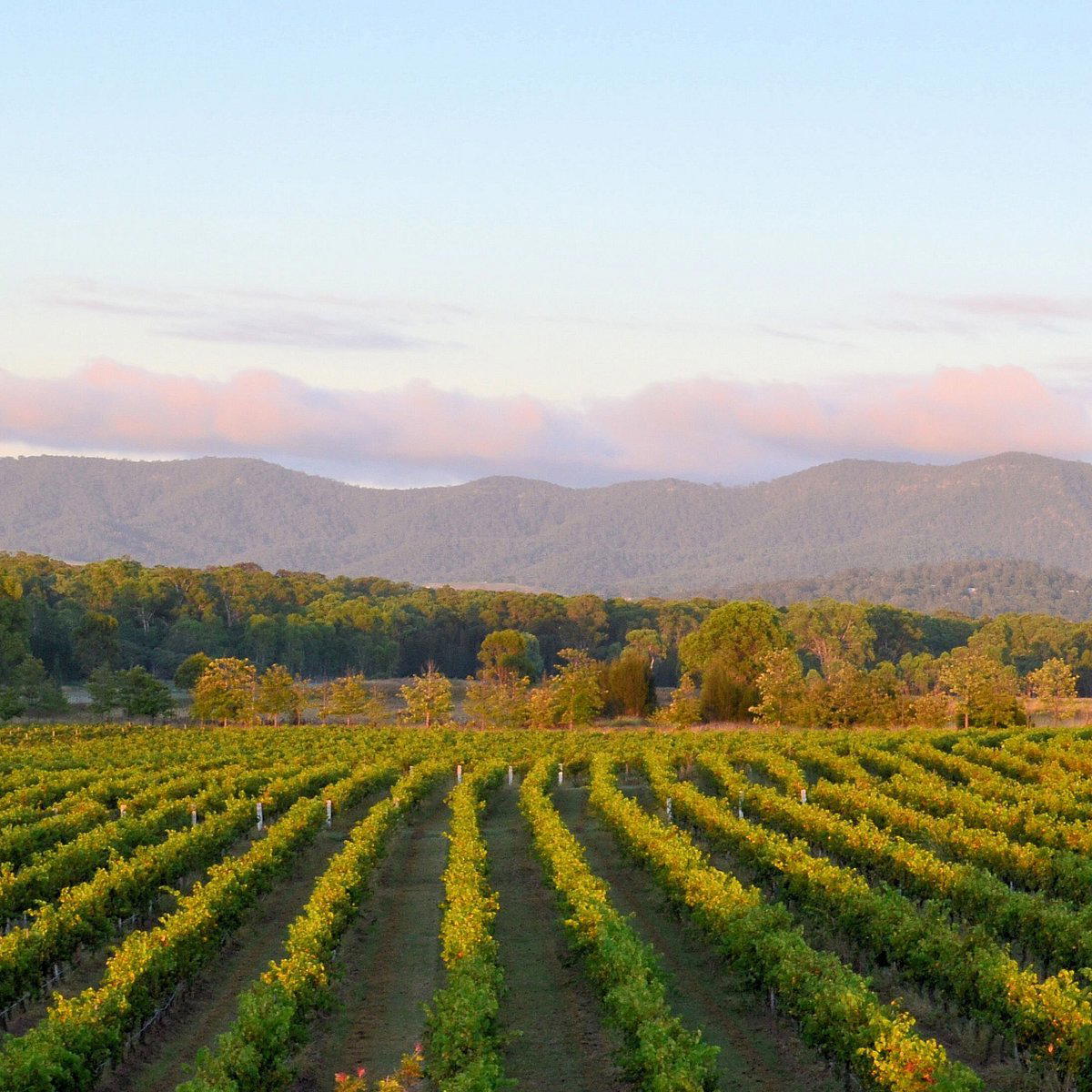

Bars in Hunter Valley
Browse all →
Restaurants in Hunter Valley
Browse all →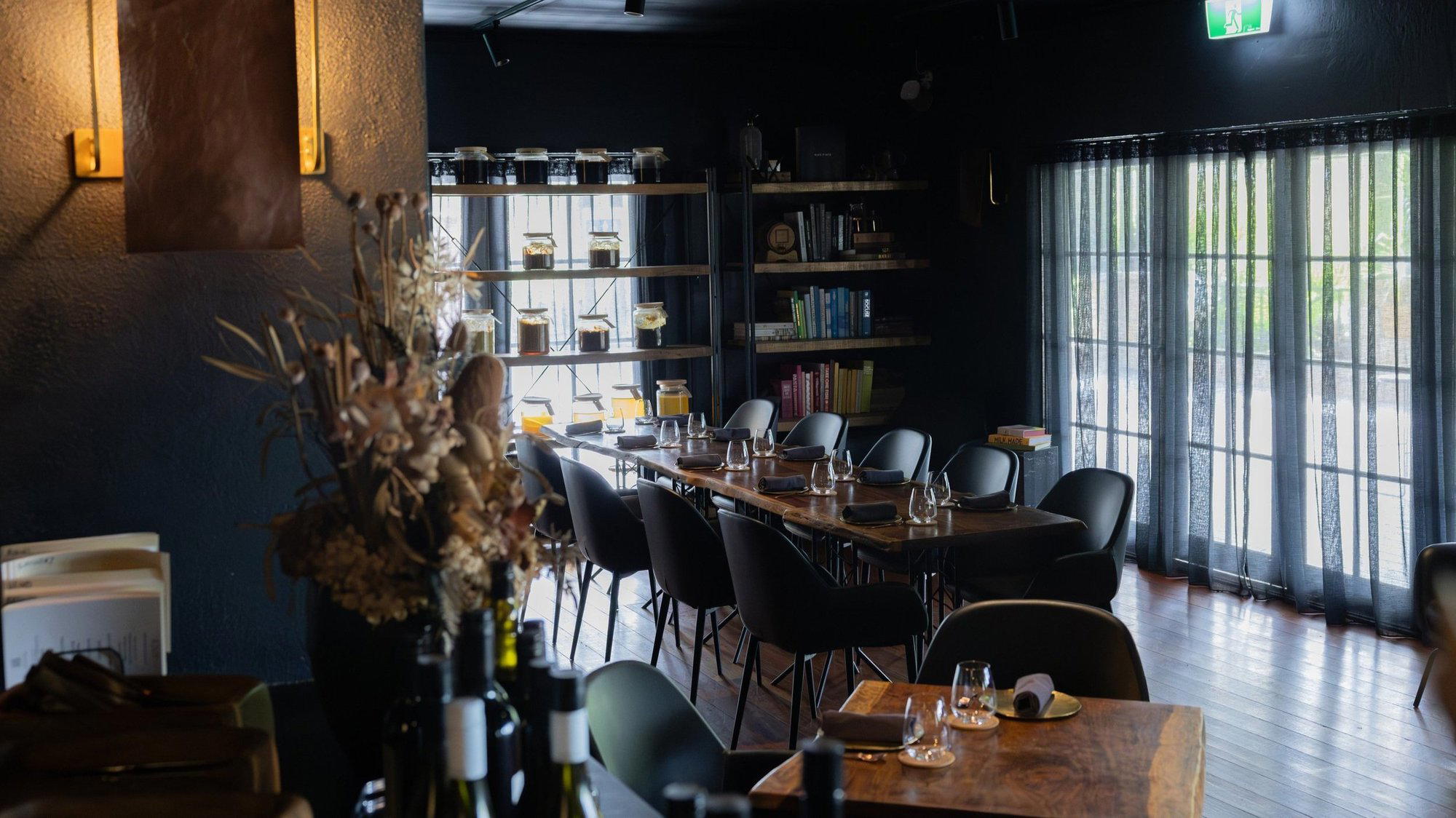
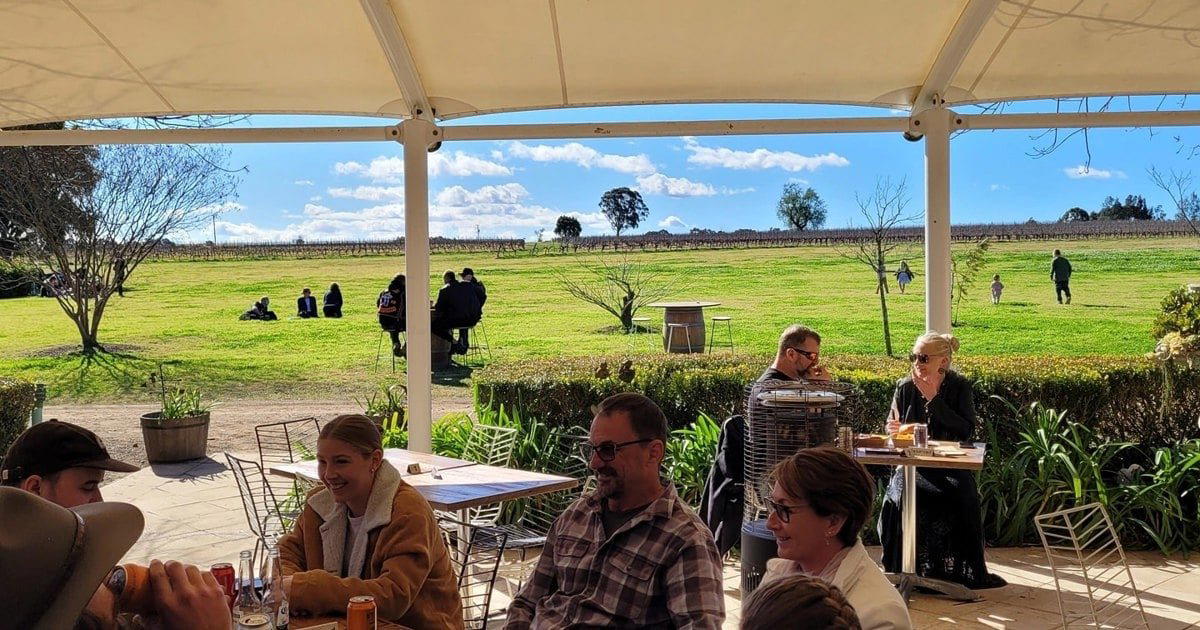
Hotels in Hunter Valley
Browse all →
Details
- Scenic
- Rustic
- Elegant
- Group Outing
- Wine Education
- Special Occasion
- Vineyard Tour
- Estate Grounds
- Panoramic View
- Vineyard
- Garden
- Semillon
- Chardonnay
- Shiraz
- Still White
- Still Red
- Cellar Door Tasting
- Private Tasting
Spacious contemporary setting with dramatic vineyard views, relaxed and welcoming atmosphere enhanced by knowledgeable hosts.