Arnot-Roberts

Falstaff Winery - Listed
Arnot-Roberts is a Healdsberg tasting room for drinkers who care more about site, farming relationships, and cool-climate California than polished hospitality theater. The portfolio moves across Cabernet Sauvignon, Syrah, Chardonnay, Pinot Noir, and Trousseau, with small-lot, single-vineyard work shaping the argument.

Pearl is the En Primeur Club membership app — saves, bookings, and concierge access live there. Same editors, same standards.
- Address
- Healdsberg, California, Vereinigte Staaten
- Directions
- Get directions
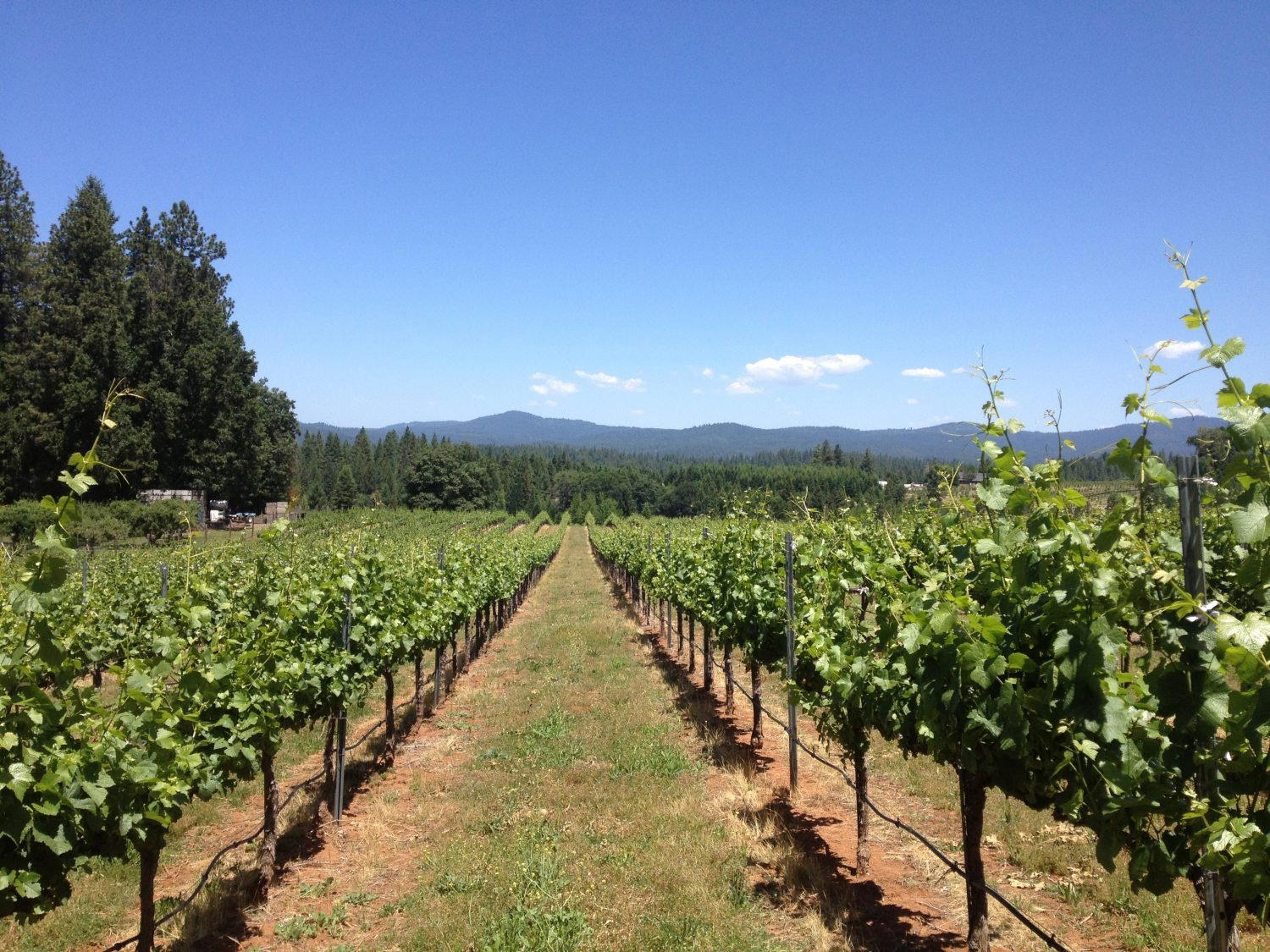
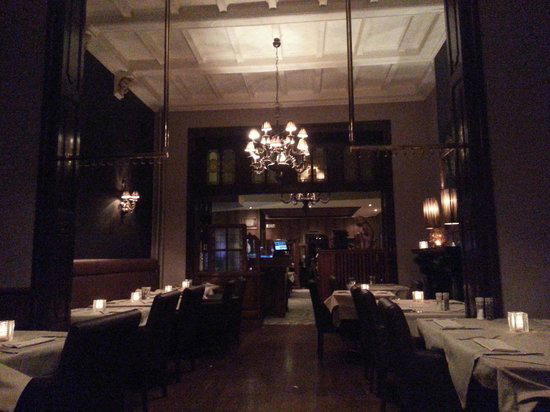
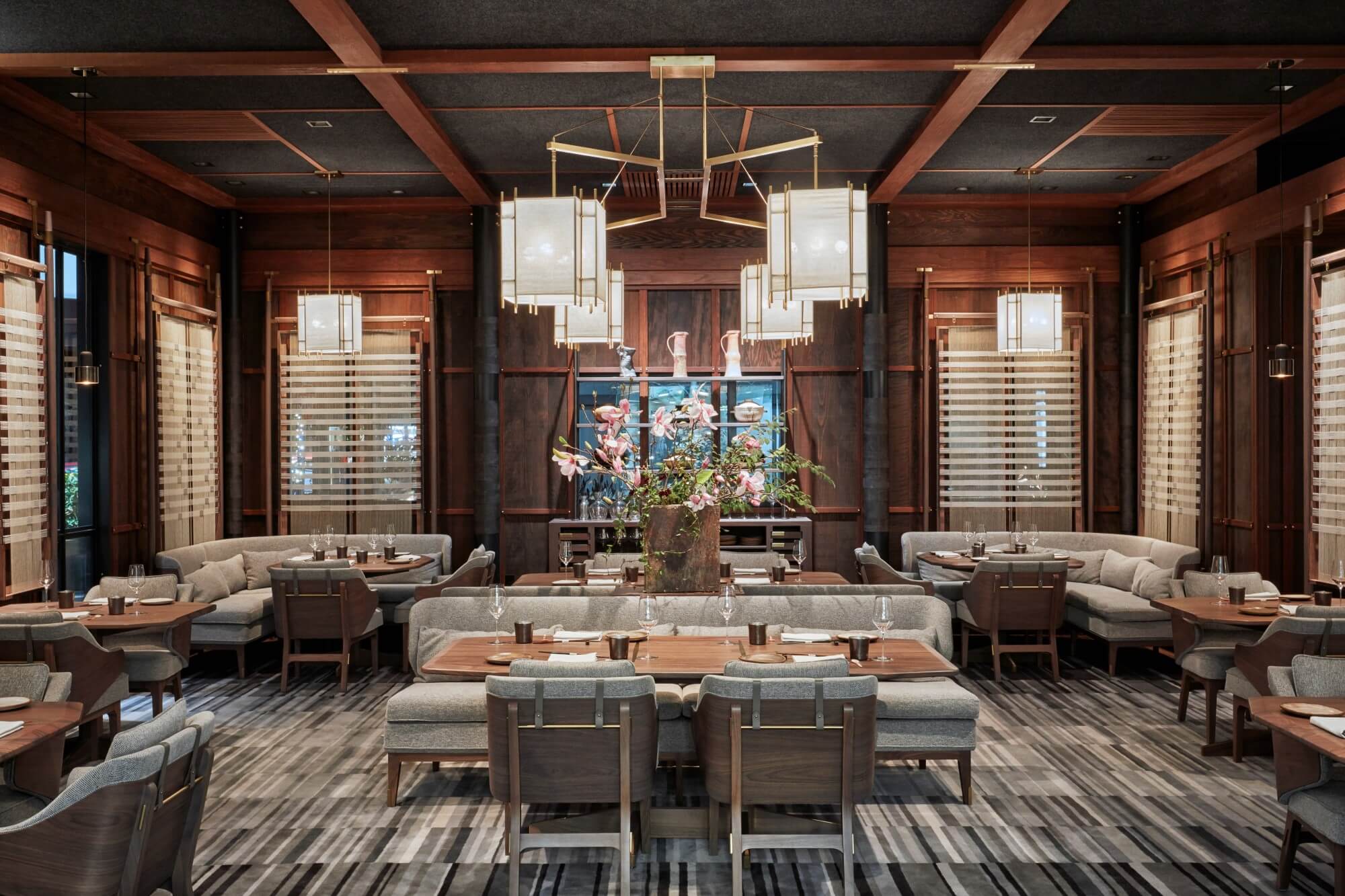
The room sets its terms quickly: quiet, spare, and built around the pour rather than the performance. In a California wine culture often split between estate architecture and lifestyle hospitality, Arnot-Roberts belongs to the smaller, more serious camp where the tasting room is a lens, not a stage. The point is not décor. The point is whether Northern California’s cooler sites can speak clearly through Cabernet Sauvignon, Syrah, Chardonnay, Pinot Noir, and Trousseau without being pushed into a glossy house style.
That makes the Healdsberg setting useful but not limiting. Sonoma County gives the winery proximity to a deep wine audience, yet the production model looks beyond a single estate identity. Arnot-Roberts works in a négociant-style format, sourcing fruit through long-term grower relationships rather than relying on owned vineyards. In practice, that shifts attention from estate mythology to site selection: climate, exposure, farming partnership, and the discipline required to keep each bottling from tasting like a brand exercise.
Cool-climate California, read through small lots
Modern California wine has spent years correcting the excesses of power, ripeness, and oak. Arnot-Roberts sits inside that correction, but with enough history to avoid feeling like a trend-chaser. The project began in 2001 with Duncan Arnot Meyers and Nathan Lee Roberts, and released its first commercial vintage in 2002. That origin matters because it predates the broader mainstreaming of restrained California wine; the San Francisco Chronicle’s description of the winery as “once the poster-child radical of California wine” captures how sharply this approach once cut against expectation.
The production numbers keep the argument compact. Individual wines are made in roughly 3 to 5 barrels, annual production sits around 2,000 to 5,000 cases, and the range spans about 13 to 17 wines a year. Those figures place the winery in a scale where vineyard character can remain legible, but the portfolio is broad enough to show a full map of Northern California’s cooler possibilities. Cabernet Sauvignon and Syrah take on a different frame when they are treated with the same site-first logic often reserved for Pinot Noir and Chardonnay. Trousseau adds a further signal: this is not a winery using California as shorthand for a narrow set of prestige grapes.
The cellar language follows the same line. Whole-cluster fermentation and minimal-intervention handling are part of the toolkit, while the barrel program is framed to support the wines rather than cover them. Nathan Lee Roberts’ role as cooper and co-winemaker gives barrel work unusual proximity to the winemaking decisions, a credential that matters because oak can quickly flatten the distinctions this style depends on. The result is less about austerity for its own sake than about reducing the number of places where a wine can be made to sound louder than its site.
A tasting room for people who listen to vineyards
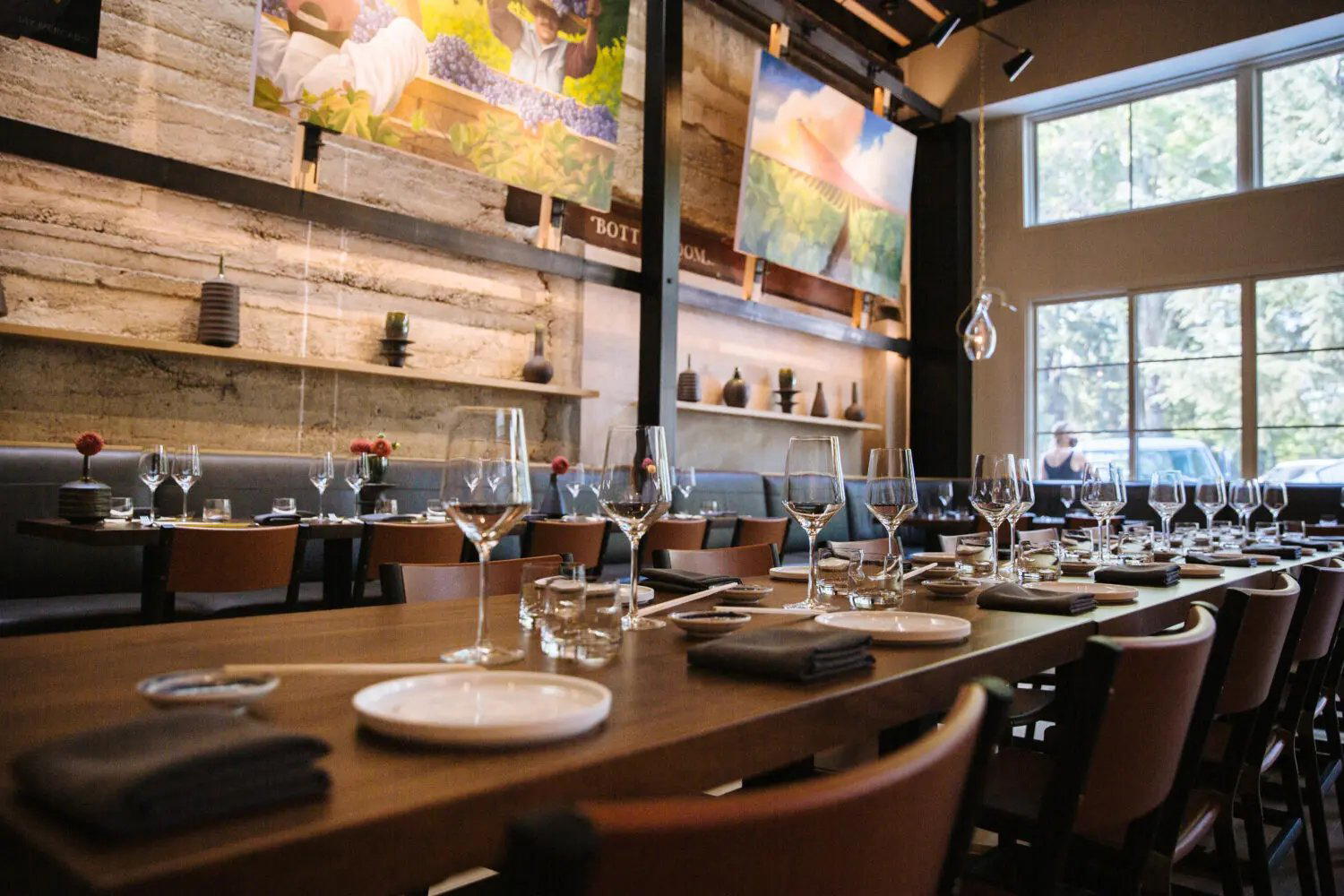
Hospitality style is deliberately restrained: low-key, minimalist, intimate, and quietly serious. For visitors using Healdsberg as a base, that can be a welcome counterweight to more elaborate regional tasting formats. The better way to read the experience is not as luxury stripped down, but as a format aligned with the wine. Small lots, single-vineyard bottlings, and cool-climate sourcing do not need a heavy production around them; they need staff who can connect the glass to place without turning the tasting into a lecture.
This is also where expectations should be calibrated. The price tier is $$$, the format is appointment only, and the dress code is casual. Those details point to a visit that asks for planning but not ceremony. In a region where hospitality can slide into spectacle, Arnot-Roberts is better suited to drinkers who want to compare sites, ask about grape sourcing, and understand why a wine grown in a cooler pocket of Northern California behaves differently from a warmer, riper expression of the same variety.
For a wider Healdsberg itinerary, the smart move is to treat this as the wine-focused anchor rather than a scenic stop added between meals. EP Club’s city coverage can help build the rest of the day: Our full Healdsberg wineries guide for cellar-door planning, Our full Healdsberg restaurants guide for dining, Our full Healdsberg hotels guide for where to stay, Our full Healdsberg bars guide for a later drink, and Our full Healdsberg experiences guide for non-wine time in the city.
Why the site-first model still matters
The strongest case for Arnot-Roberts is not nostalgia for an early-2000s insurgent story. It is the continued relevance of a question California wine has not finished answering: how much should a winery shape fruit, and how much should it get out of the way? A single-estate model can tell a powerful story, but it can also narrow the lens. A sourcing model, when handled with discipline, can make the region itself the subject.
That is the useful frame here. The winery’s long-term grower relationships, cool-climate emphasis, small-lot structure, and range of varieties all point toward the same editorial conclusion: this is a tasting for people who want California wine to be specific. Not merely restrained, not merely fashionable, but specific in the sense that a vineyard, a season, and a grape variety are allowed to retain their edges. For related wine perspectives beyond Healdsberg, EP Club also covers 00 Wines in Carlton, 13th Vineyard in Angwin, 50 West Vineyards in Aldie, A to Z Wineworks in Newberg, A. Rafanelli Winery in Healdsburg, Aaron Wines in Paso Robles, Ab Astris Winery in Stonewall, Abbot’s Passage Winery & Mercantile in Glen Ellen, »der Steiner« Hans Steiner in Podersdorf am See, and & Handwein in Mannheim.
Recognition history
Dated appearances from independent guides and award organizations, with the underlying list record or original source where available.
Falstaff Winery - Listed
Falstaff
Continue exploring
More in Healdsberg
Wineries in Healdsberg
Browse all →
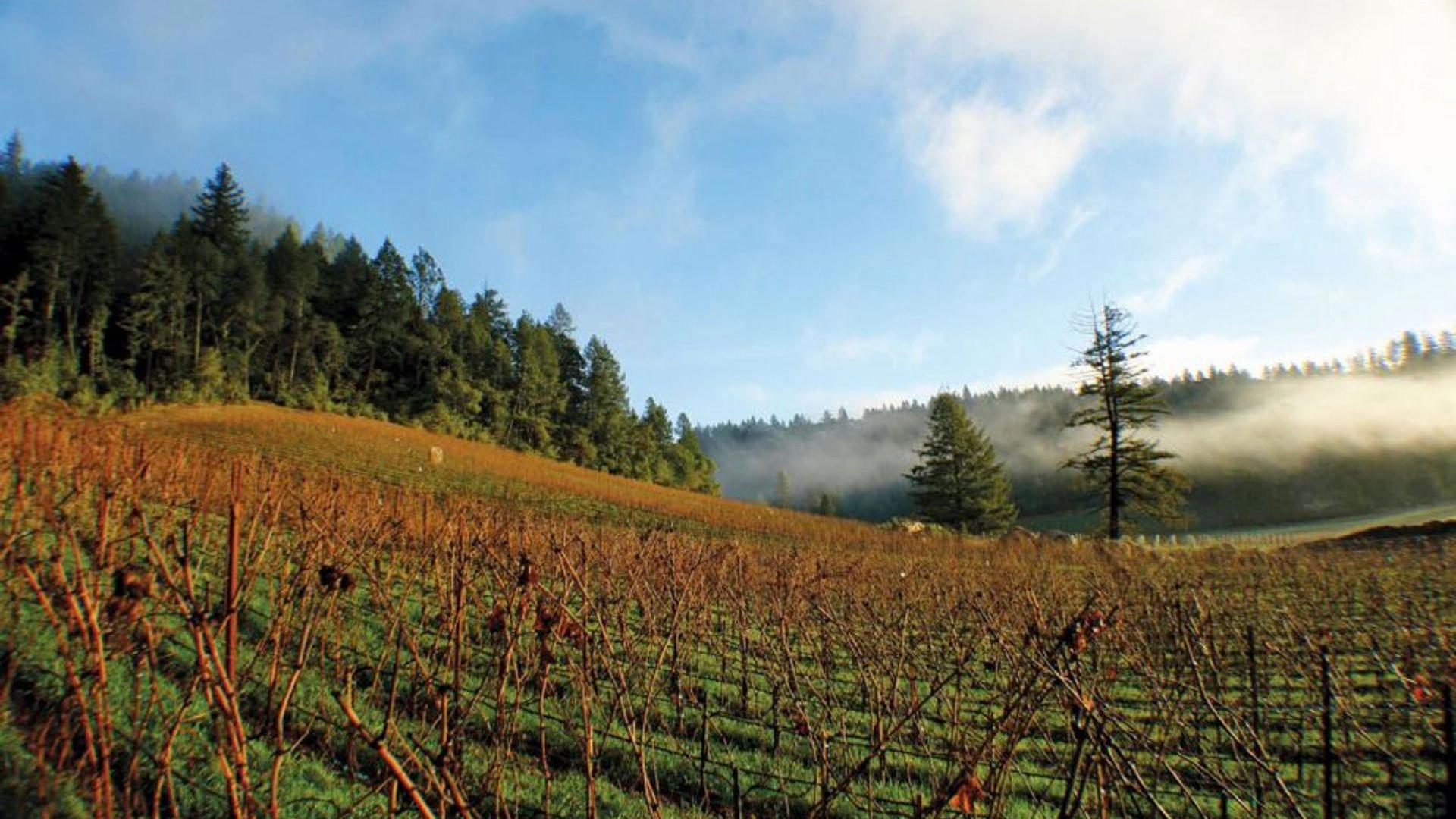
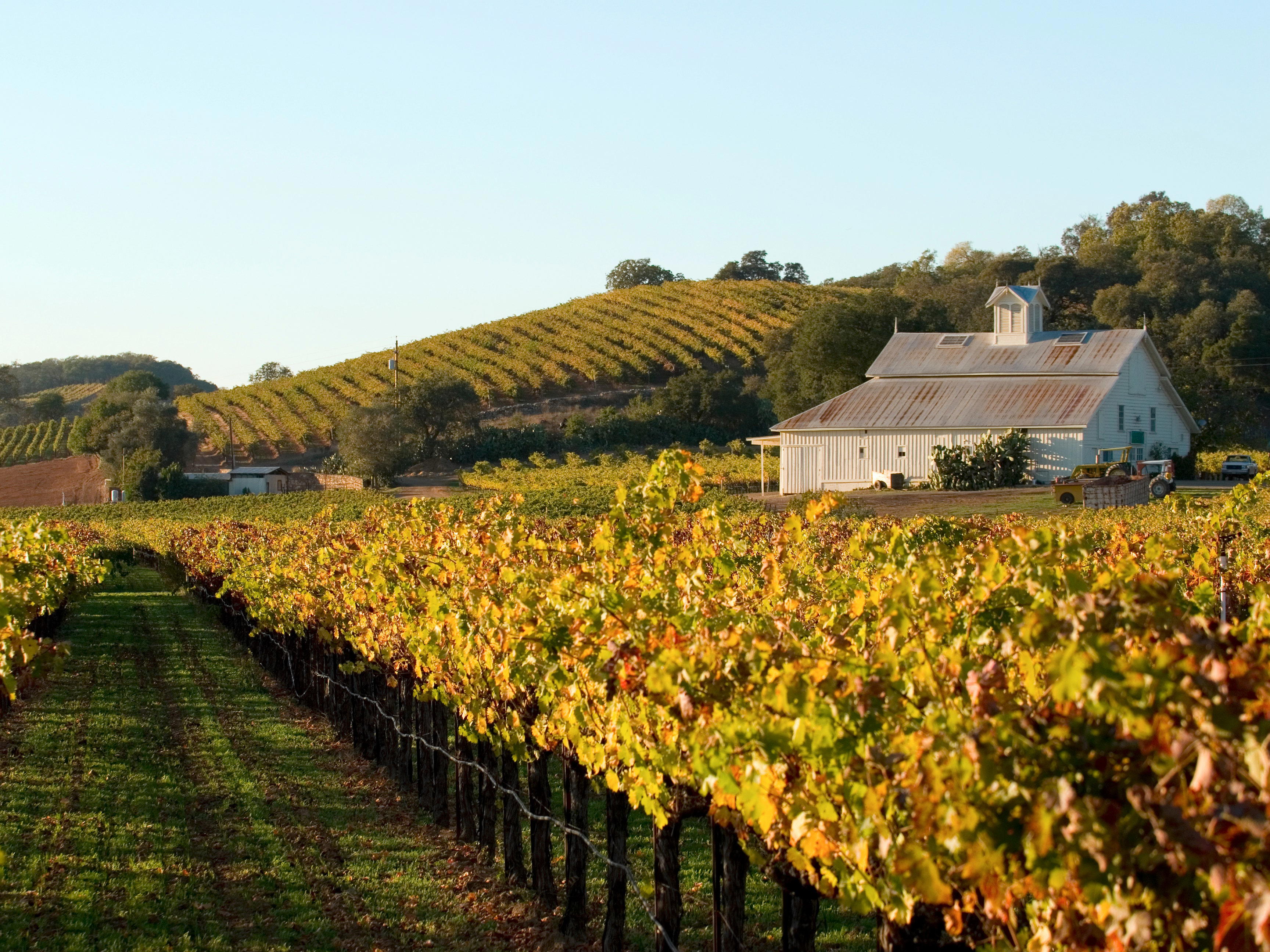
Bars in Healdsberg
Browse all →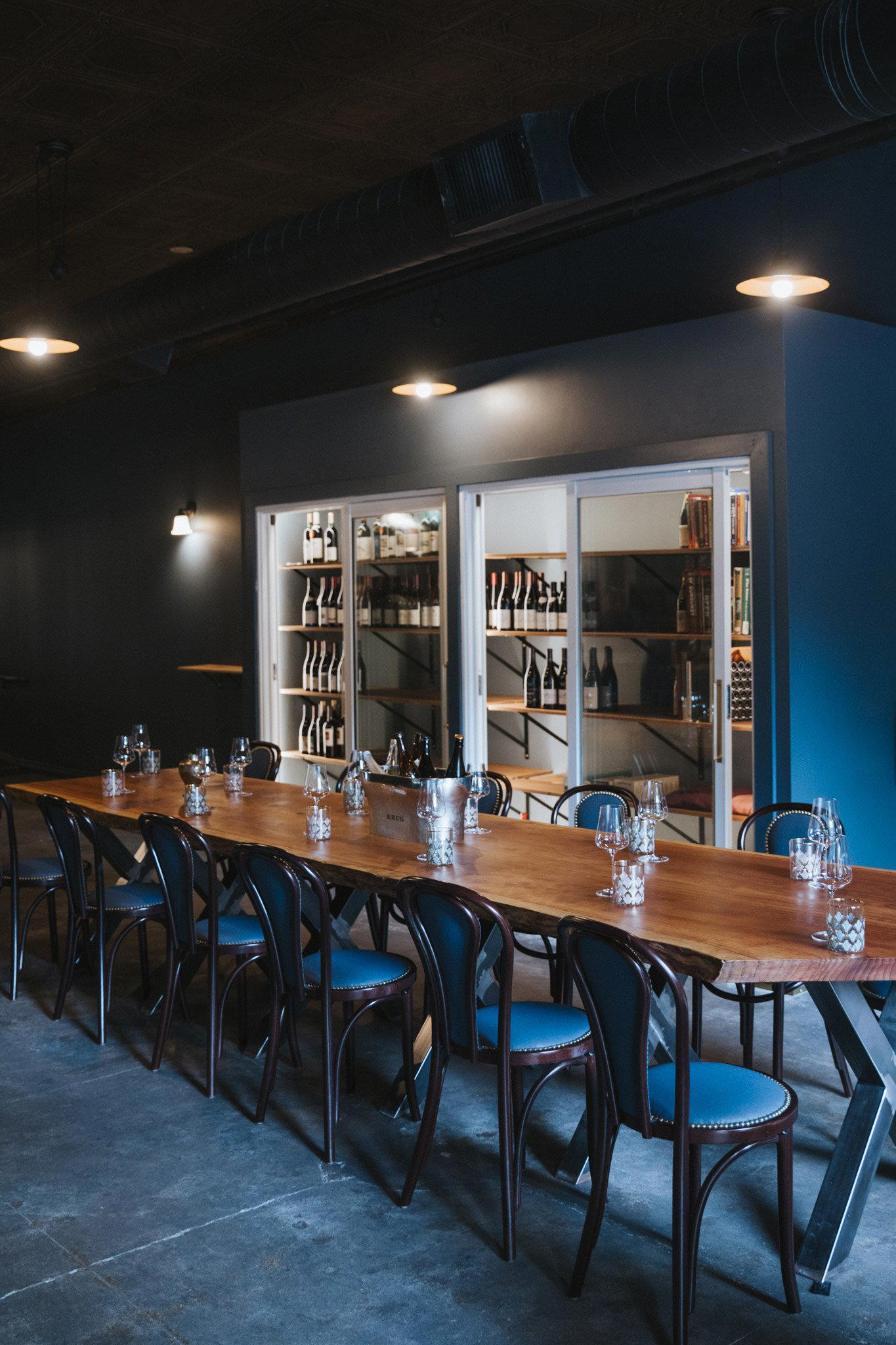
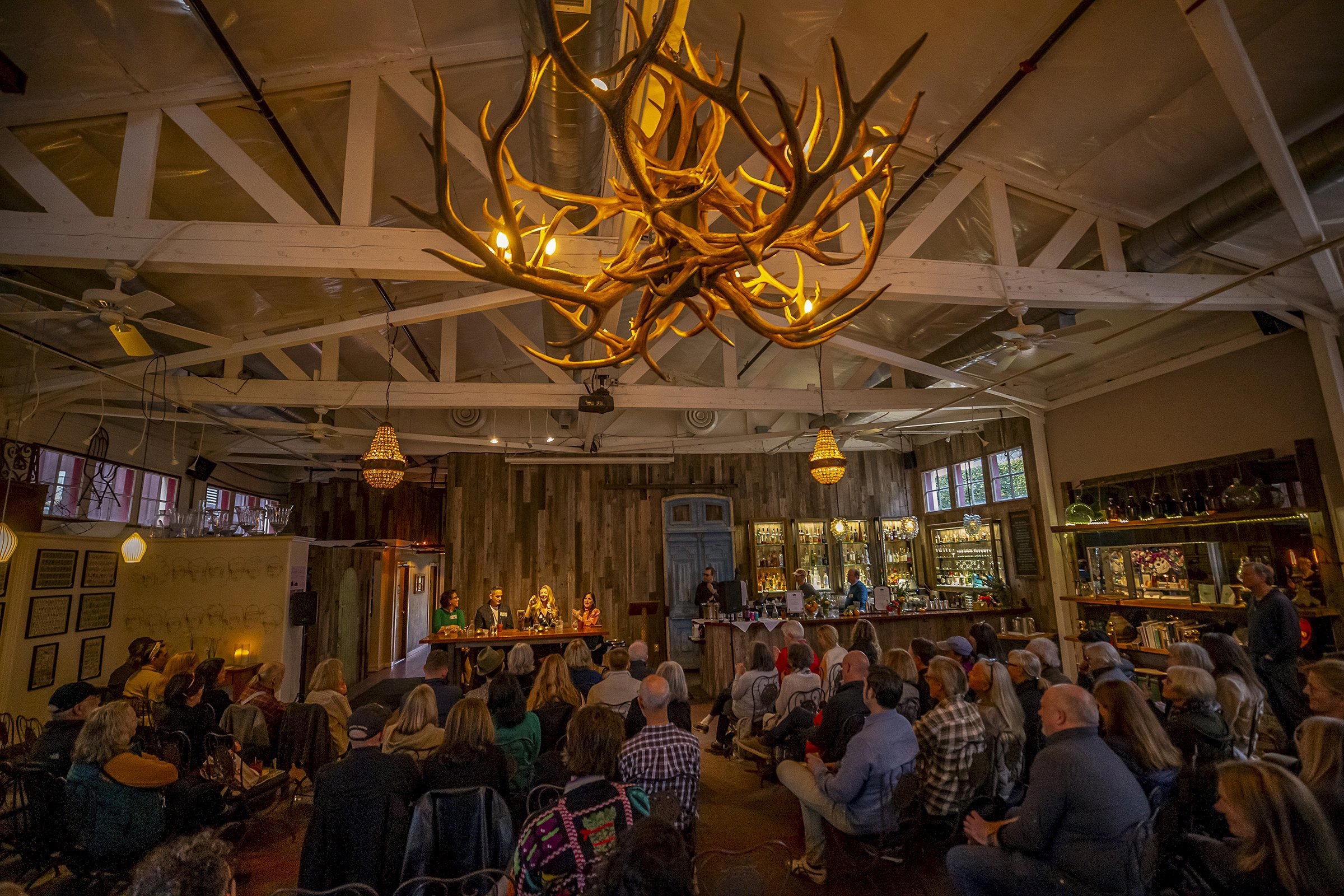
Restaurants in Healdsberg
Browse all →
Details
- Quiet
- Minimalist
- Intimate
- Rustic
- Sophisticated
- Wine Education
- Solo Exploration
- Group Outing
- Special Occasion
- Private Tasting
- Organic
- Biodynamic
- Sustainable
- Street Scene
- Cabernet Sauvignon
- Syrah
- Chardonnay
- Pinot Noir
- Trousseau
- Ribolla Gialla
- Still Red
- Still White
- Still Rosé
- Orange
- Seated Tasting
- By Appointment Tasting
- Guided Tasting With Food Pairing
- English
A low-key, minimalist tasting room focused on the wines rather than décor, offering an intimate, quietly serious atmosphere where thoughtfully made, terroir-driven wines are poured by knowledgeable staff.