
Falstaff Winery - Listed
Anne de Joyeuse puts Limoux’s cooperative wine culture in plain view: retail-counter tasting, a rustic cellar-shop mood, and a portfolio shaped by the upper Aude Valley’s cool-climate variation. Founded in 1929, the house gives a useful read on how local growers turned Limoux from a sparkling-wine reference point into a broader still-wine appellation as well.

Pearl is the En Primeur Club membership app — saves, bookings, and concierge access live there. Same editors, same standards.
- Address
- Limoux, Occitanie, Frankreich
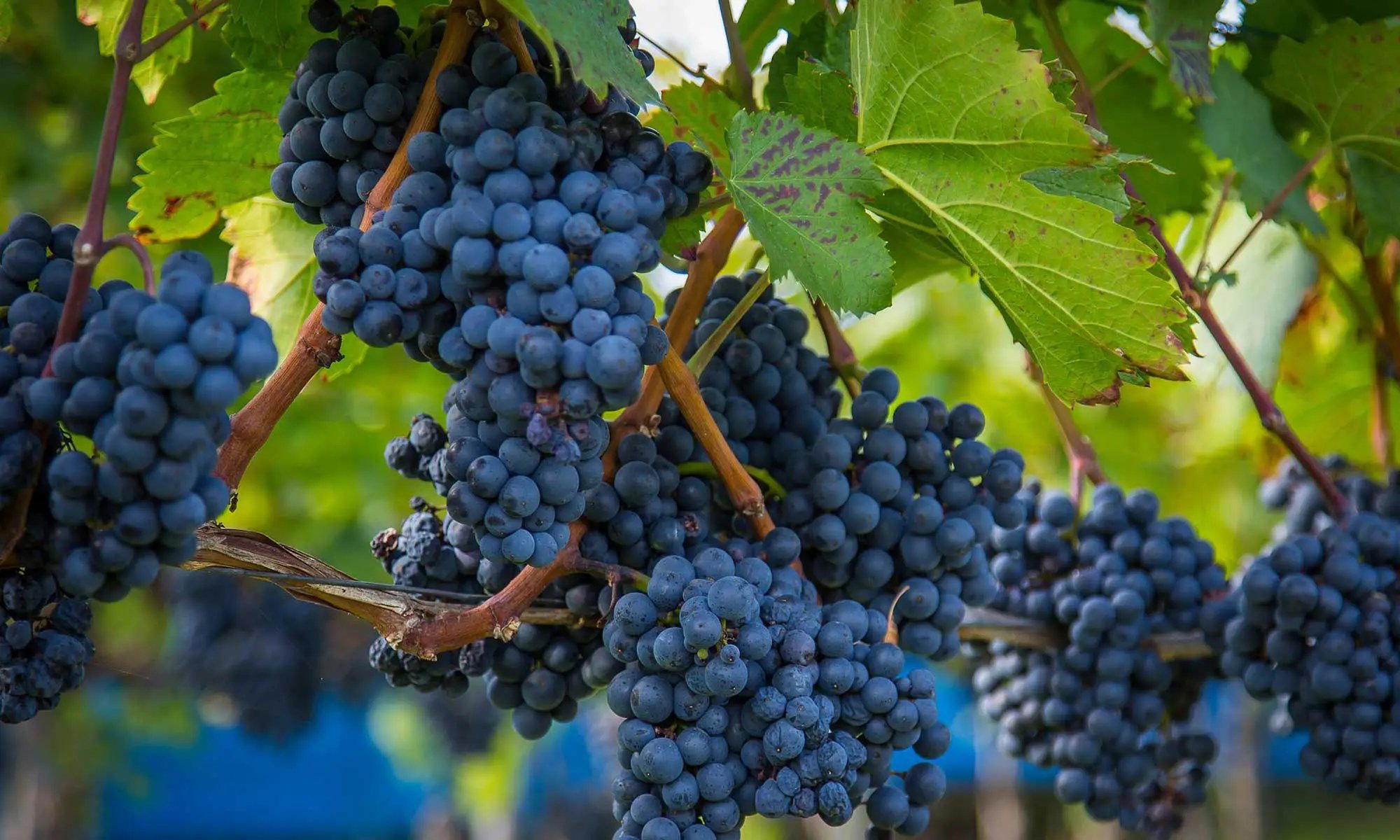
The approach here is not the theatrical château script. Anne de Joyeuse is best understood as a cooperative cellar and shop in Limoux: approachable, wine-focused, and built around direct retail-style tasting counters rather than a formal estate setting. The mood is welcoming and terroir-driven, with a lively, classic, cozy and rustic feel that suits visitors who want practical discovery more than ceremony.
Because the profile is intentionally simple, the safest way to read Anne de Joyeuse is as a Limoux wine stop rather than as a restaurant, château visit or luxury tasting salon. Its appeal is the directness of the format: a cellar-and-shop atmosphere where the emphasis stays on accessible wine discovery and a sense of local place. That simplicity is part of the point. The visit reads as a clear, usable encounter with Limoux wine culture, not as an occasion that asks guests to decode a highly polished hospitality performance.
Limoux terroir, read through a cooperative cellar
The most grounded reason to pay attention is the setting itself. Anne de Joyeuse presents Limoux through a cooperative cellar atmosphere, which gives the visit a different character from a private château or highly staged tasting room. The experience is less about formality and more about understanding wine in a practical, retail-facing context, where the place, the counter and the bottles all point back toward the same regional frame.
That cooperative-shop format also shapes the tone of the visit. Rather than asking guests to enter a polished estate narrative, Anne de Joyeuse keeps the focus on approachable discovery, tasting counters and a terroir-minded sense of place. It is a useful stop for travelers who want Limoux wine culture in a direct, unpretentious form, especially those who respond better to a straightforward cellar environment than to a scripted tour or grand setting.
What matters is the broader character: Anne de Joyeuse is a $$ Limoux cooperative cellar and shop with a welcoming, rustic, classic feel and a direct tasting-counter style. The value lies in that combination of accessibility and local focus, where the atmosphere remains casual enough for practical exploration while still feeling rooted in the wine identity of Limoux.
Why the tasting feels useful rather than ceremonial
The room’s value is its directness. A retail-style counter strips away the performance that can make some cellar visits feel over-scripted, and it suits a venue whose identity is practical wine discovery. Visitors should expect an accessible cellar-and-shop environment, not a formal château setting. In that sense, the format helps set expectations before arrival: this is a place for clear engagement with wine, not for a luxury ritual built around architecture or pageantry.
That makes Anne de Joyeuse especially useful for travelers who prefer clarity over ceremony. The experience is grounded in a welcoming, terroir-driven atmosphere, with the kind of direct setup that lets the wine and the Limoux context remain the focus. The classic and cozy side of the venue matters here, too, because it softens the retail structure and keeps the visit from feeling merely transactional.
No confirmed awards, rankings, service schedule, booking process, menu format or detailed wine list is available in the available information. That caution is especially important because the appeal described here comes from the venue’s general profile and atmosphere, not from a verified schedule or a fixed visitor programme.
For a wider Limoux itinerary, keep Anne de Joyeuse in context with other dining, cellar and hospitality options in the city, described generically rather than as direct equivalents. Its particular role is clear: an approachable cooperative cellar and shop in Limoux, priced at $$, with a cozy and rustic wine-discovery feel. It is best understood as one practical piece of a local wine day, rather than the kind of destination that needs to dominate the whole plan.
Where it sits in a broader wine itinerary
Anne de Joyeuse is most persuasive for travelers who want a grounded Limoux wine stop without the expectations of a formal château visit. Its identity points to cooperative-cellar practicality: tasting counters, retail-style discovery and a welcoming atmosphere focused on terroir. For that reason, it can suit visitors who want to keep their itinerary flexible, approachable and closely tied to the everyday language of local wine retail.
On a broader wine itinerary, it works as a modest, accessible Limoux anchor. Rather than relying on claims about production, awards or history, the reason to include it is simpler: Anne de Joyeuse offers a classic, rustic cooperative cellar-and-shop experience in Limoux at a $$ price level. Its strength is not spectacle, but the steady usefulness of a wine stop that keeps the encounter direct, local and easy to understand.
Recognition history
Dated appearances from independent guides and award organizations, with the underlying list record or original source where available.
Falstaff Winery - Listed
Falstaff

Details
- Lively
- Classic
- Cozy
- Rustic
- Group Outing
- Celebration
- Solo Exploration
- Wine Education
- Family
- Cave Tasting
- Estate Grounds
- Private Tasting
- Sustainable
- Vineyard
- Merlot
- Cabernet
- Sauvignon
- Chardonnay
- Malbec
- Still Red
- Still White
- Still Rosé
- Sparkling
- Bar Tasting
- Retail Shop Tasting
- Private Group Tasting
- French
- English
- Spanish
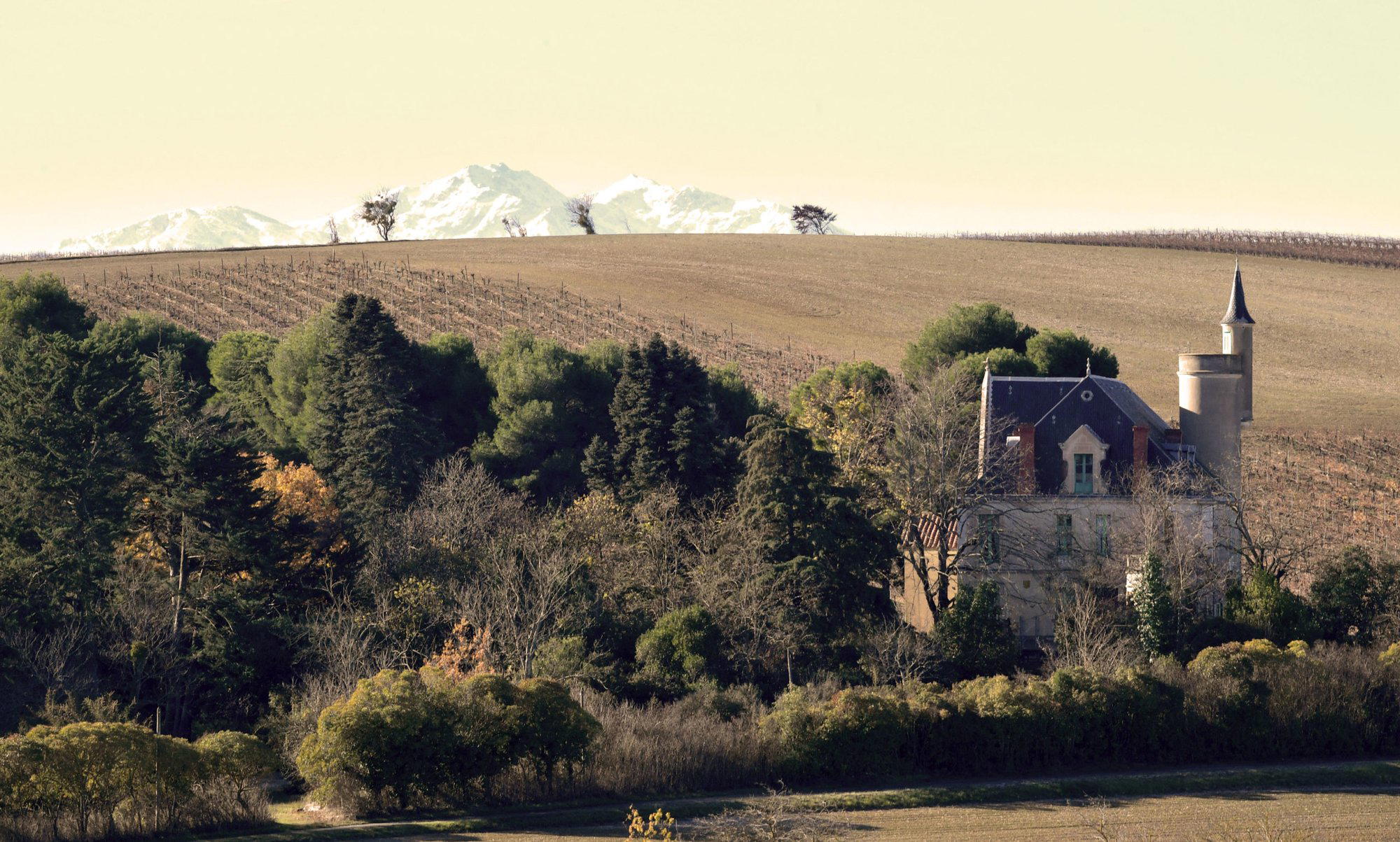
Cooperative cellar and shop atmosphere focused on approachable wine discovery, with a welcoming, terroir-driven feel and direct retail-style tasting counters rather than a formal chateau setting.