
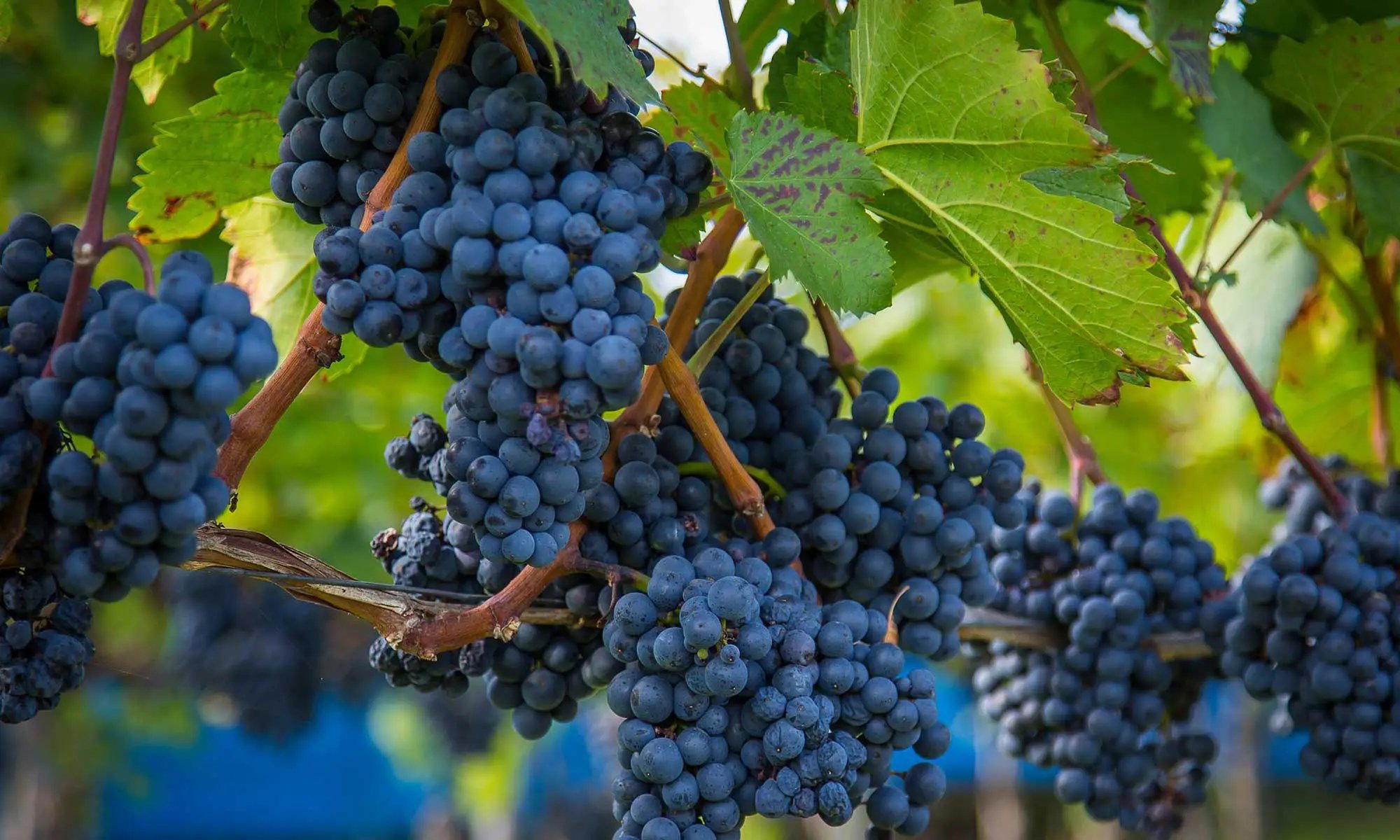
Maison Antech gives Limoux’s sparkling tradition a clear contemporary reading: Mauzac-led Blanquette, Crémant built from Chardonnay, Chenin Blanc and Pinot Noir, and a family line dating to 1860. The interest here is terroir rather than spectacle, with Pyrenean freshness, Mediterranean influence and long lees aging doing the serious work.
Pearl is the En Primeur Club membership app — saves, bookings, and concierge access live there. Same editors, same standards.
- Address
- Limoux, Blanquette-de-limoux, Occitanie, Frankreich
 Saves & bookings on Pearl
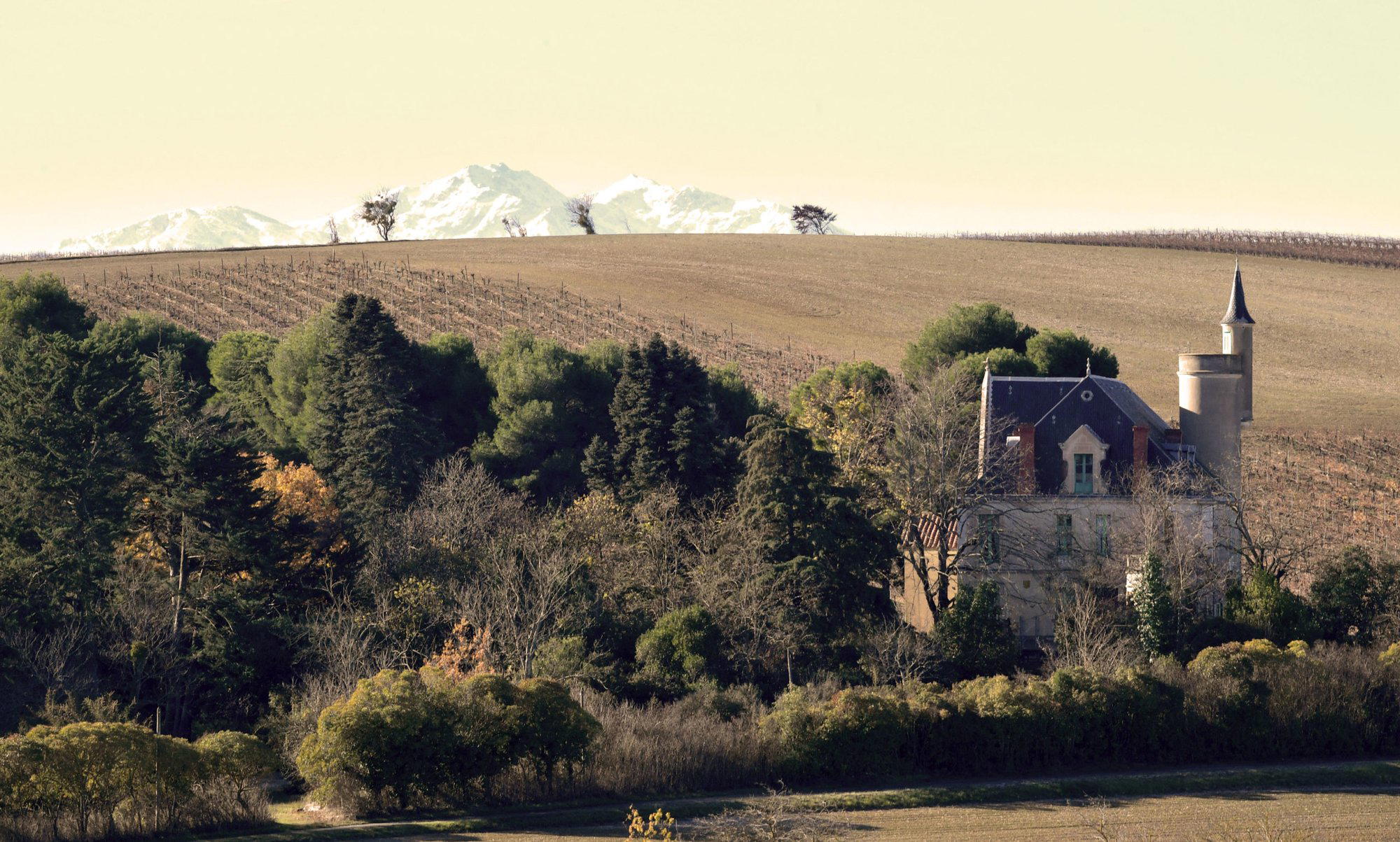
Approaching Maison Antech in Limoux, the useful frame is not spectacle but place: a family-run sparkling wine house rooted in the hillsides around the city. The picture is of a quietly elegant venue focused on tasting, terroir and tradition rather than a production-led show. It is the kind of stop where the setting and the house identity do much of the work, giving visitors a way to situate Limoux sparkling wine without needing the visit to become a catalogue of technical claims.
Maison Antech is best understood as a Limoux sparkling-wine stop where hand-crafted methods and modern facilities sit side by side. Specific claims about individual cuvées, grape varieties, production volumes, awards or family chronology are not part of the public record here, so one reliable reason to visit is the broader one: an authentic, tasting-focused introduction to the house and its hillside setting. That narrower, more careful reading is also one useful one for planning, because it keeps the emphasis on what is actually supported: a family-run address, a local sparkling-wine context and a restrained tasting experience.
Limoux hillsides and the local grammar of bubbles
Limoux is closely associated with sparkling wine, and Maison Antech belongs to that landscape. The detail is the house’s rootedness in the surrounding hillsides and its terroir-driven approach, rather than any confirmed technical specification about particular grapes, aging or named wine styles. In practical terms, the visit is less about decoding a fixed set of production data and more about reading how the house presents its wines through the language of place.
For visitors, that means the tasting should be approached as a way to understand a local sparkling-wine house through place, texture and atmosphere. The page should not be read as confirming a particular flight, bottle list or appellation breakdown; those details are best checked directly with the winery before visiting. What it can support is a more general expectation: a tasting shaped by Limoux’s sparkling-wine identity, with the surrounding hillsides forming the natural frame for the experience.
The hillside context matters because it shapes the identity of the visit. The winery’s appeal is its combination of traditional hand-crafted methods, modern facilities and a restrained, quietly elegant mood. It is a venue for tasting and orientation rather than a claim-heavy technical tour. That distinction is important: the value lies in being introduced to the house and its setting in a way that feels grounded, not in promising a behind-the-scenes format or a precise technical itinerary that has not been confirmed here.
A family house with trade credibility rather than trophy noise
The grounded trust marker is simpler: the winery is a family-run sparkling wine house in Limoux with an atmosphere centered on authenticity and terroir. That is enough to give the venue a clear role in a Limoux itinerary, especially for visitors who prefer wine houses where the sense of continuity and place is more important than loud positioning.
Description points to a house that combines traditional hand-crafted methods with modern facilities. Keeping those boundaries clear does not weaken the recommendation; it makes it more precise, and it helps set expectations around a visit that is fundamentally about tasting and orientation.
What can be said confidently is that winery presents a polished but low-key tasting environment. The emphasis is on the experience of the house and its Limoux hillside context, not on accolades or a detailed production narrative. In EP Club terms, that makes it a useful address for travelers who want credibility without noise: a place to slow down, taste carefully and understand the local sparkling-wine setting without overloading the visit with unsupported detail.
How to read the tasting
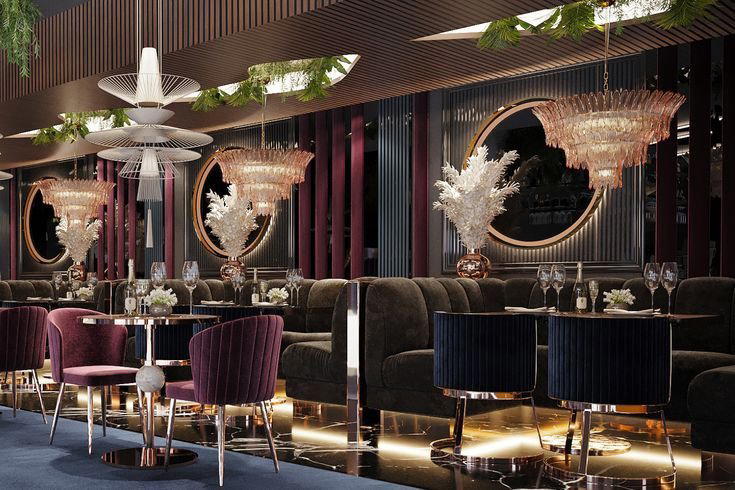
The experience is best read as quiet, terroir-driven and sparkling-wine focused. It suits visitors who want a calm introduction to a family-run Limoux wine house rather than a production spectacle or a venue built around dining claims. The right mindset is attentive rather than acquisitive: listen for how the house frames its identity, notice the mood of the setting, and let the tasting function as a compact introduction to the local sparkling-wine culture.
Expect the useful questions to be broad and sensory: how the house presents its sparkling wines, how it explains its relationship to Limoux, and how traditional methods are balanced with modern facilities. For specific tasting formats, languages, reservation rules, visit length or accessibility details, contact the winery directly. Those operational details may shape the practical success of the visit, but they are separate from the core editorial point here: the winery is positioned as a focused, authentic Limoux sparkling-wine stop.
The winery can also serve as an anchor for exploring Limoux more generally. Treat it as the wine-house component of a broader Limoux day: a measured, place-led tasting experience that gives structure to the itinerary without pretending to answer every technical or logistical question in advance.
Recognition history
Dated appearances from independent guides and award organizations, with the underlying list record or original source where available.
Falstaff Winery - Listed
Falstaff
At a Glance
- Classic
- Elegant
- Scenic
- Well Known
- Intimate
- Romantic Getaway
- Group Outing
- Wine Education
- Special Occasion
- Solo Exploration
- Estate Grounds
- Private Tasting
- Organic
- Sustainable
- Vineyard
- Mountain
Family-run sparkling wine house rooted in Limoux’s hillsides, combining traditional hand-crafted methods with modern facilities to create an authentic, terroir-driven and quietly elegant atmosphere focused on tasting rather than production tours.