← Guides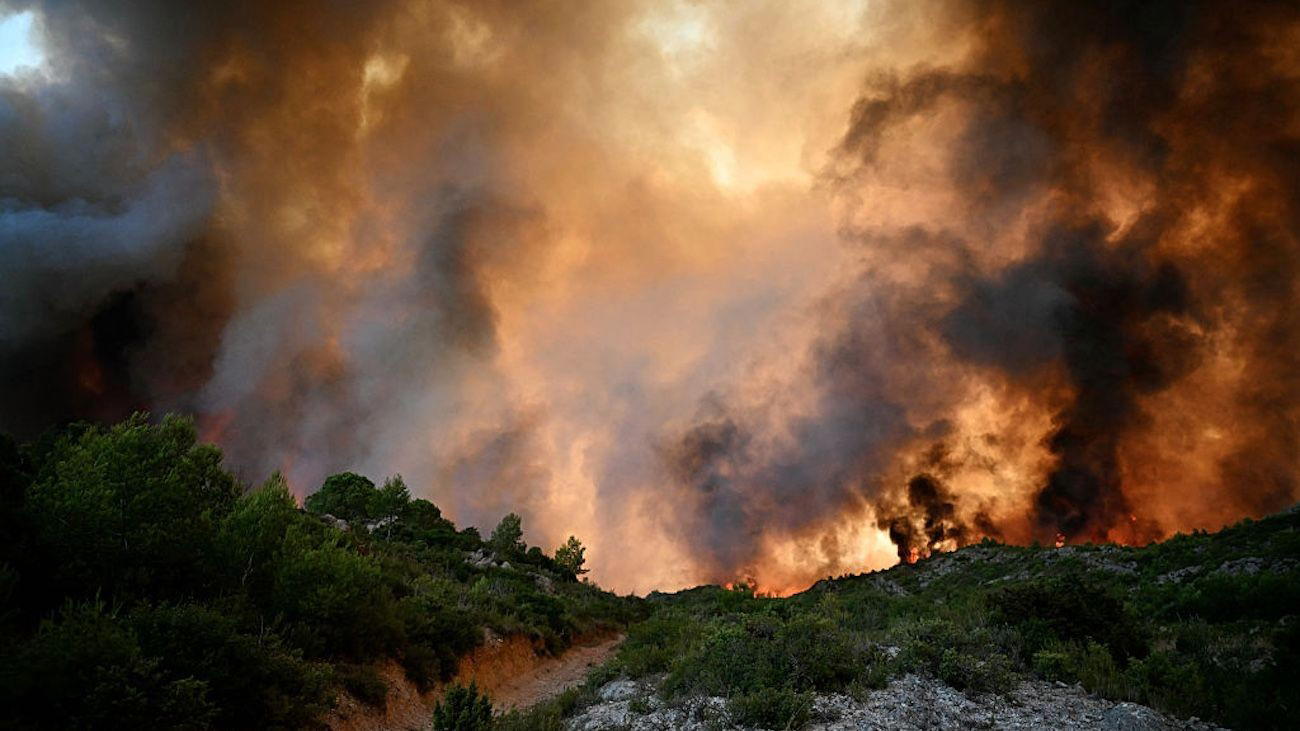
Fires outside Bordeaux have forced 220,000+ evacuations, yet vineyards remain unburned as estates lend tanks and pumps to firefighters.
Fires outside Bordeaux have forced 220,000+ evacuations, yet vineyards remain unburned as estates lend tanks and pumps to firefighters.
The Bordeaux wildfire 2026 vintage story is, for now, a contradiction: fires that began July 22 outside Bordeaux have forced over 220,000 evacuations and burned an area four times the size of Paris, yet no vineyards have burned and initial smoke testing showed negligible damage. Within three days of the first reports, according to Bon Appétit, skies over the wine region had turned an acrid orange. That is the tension for anyone who follows Bordeaux closely: human emergency first, vintage question second, and both moving by the hour with heat and wind.
The scale sits outside the usual vocabulary of a growing season. Bon Appétit reports that over 220,000 people have been evacuated from Western communes, France’s largest-ever peacetime evacuation, and that the current burn area is four times the size of Paris. French Prime Minister Sébastien Lecornu called the fire season unprecedented, while Jerome Steffe, mayor of Cestas just south of Bordeaux, called it the fire of the century. Those are not tasting-room phrases. They belong to sirens, road closures, water tanks, and farmers deciding which piece of equipment can help firefighters before it helps the cellar.
For collectors, the first practical reading is narrow but urgent: the vineyards remain intact, and the early smoke tests have not shown damaging levels. The second reading is less comfortable. Many Bordeaux grapes are at veraison, the moment when smoke exposure begins to carry more consequence for skins, sugars, and the eventual wine.
The fires started outside the region of Bordeaux on July 22, according to Bon Appétit, moving along the Atlantic coast before smoke changed the color of the skies over the wine region. By the time the story reached growers, négociants, and drinkers beyond France, the numbers had already outrun the familiar dimensions of a vintage challenge: an evacuation affecting over 220,000 people, a burn area four times the size of Paris, and Western communes under pressure as heat returned.
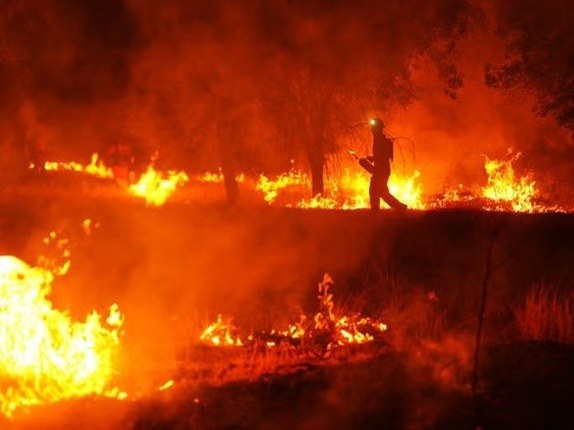
Bon Appétit describes the present conditions as the product of a wet spring followed by a bone-dry summer, with repeat heatwaves adding stress to a region already carrying unusually heavy fuel. Another heatwave, 104°F and climbing, according to the same report, was expected to complicate firefighting efforts. For a wine region, that combination matters beyond the immediate map of flames. Heat dries forest material, wind redirects smoke, and every hour changes the calculation for vineyards that have not yet burned.
Cestas has become one of the names to know in the story. The town sits just south of Bordeaux, and its mayor, Jerome Steffe, gave the fire its starkest local label. Cestas also reminds us that Bordeaux is not only a sequence of châteaux and appellation names on a cellar inventory. It is communes, farms, forests, access roads, water points, and agricultural equipment that can become firefighting infrastructure overnight.
The Landes forest also sits at the center of this crisis. Bon Appétit reports that the forest southwest of Bordeaux contributes deeply to the terroir of the region, and that Bordeaux’s heavy tree cover has usually been counted as a viticultural advantage. In recent years, additional tree planting has offered more shade for vineyards, with the idea that canopy and cover could help lessen heat stress on grapes. During a fire event, the same biological material becomes fuel.
That duality is visible in the way the fire narrative has split: environmental loss on one side, wine-region vigilance on the other. The vineyards, according to the latest source reporting, remain unburned. Initial smoke testing in vineyards showed negligible damage. Yet the weather, as any grower knows, can turn an optimistic morning into a difficult evening.
The important sentence for the wine trade is also the simplest: no vineyards have burned yet. Bon Appétit adds that initial testing on smoke levels in vineyards showed negligible levels of damage. In the language of collectors, that keeps the Bordeaux wildfire 2026 vintage in a watch phase rather than a loss phase. In the language of growers, it means there is still a crop to protect.
Smoke, however, is not a binary threat. A vineyard does not need to burn for fruit to carry risk. Several variables matter: proximity of fire, duration of smoke exposure, and the stage of grape development. Many Bordeaux grapes are currently experiencing veraison, when the fruit begins ripening and the relationship between smoke compounds and grape skins becomes more consequential.
Nick Briggs, winemaker at Dutcher Crossing in Sonoma, brings a California frame to the risk. Sonoma, like Napa, British Columbia, and Oregon, has already had to learn the language of wildfire and smoke under pressure. Briggs told Bon Appétit that potential impact depends on proximity, exposure duration, and grape development stage. He also explained that compounds associated with smoke are highly volatile, which makes nearby fires more dangerous than distant ones.
For Bordeaux drinkers, the timing is the detail to hold. Veraison is not a footnote; it is the point at which the crop starts moving toward the cellar in chemical and sensory terms. The berries soften, sugars rise, and skins become a larger part of the conversation for red wines that depend on extraction, tannic architecture, and oak élevage.
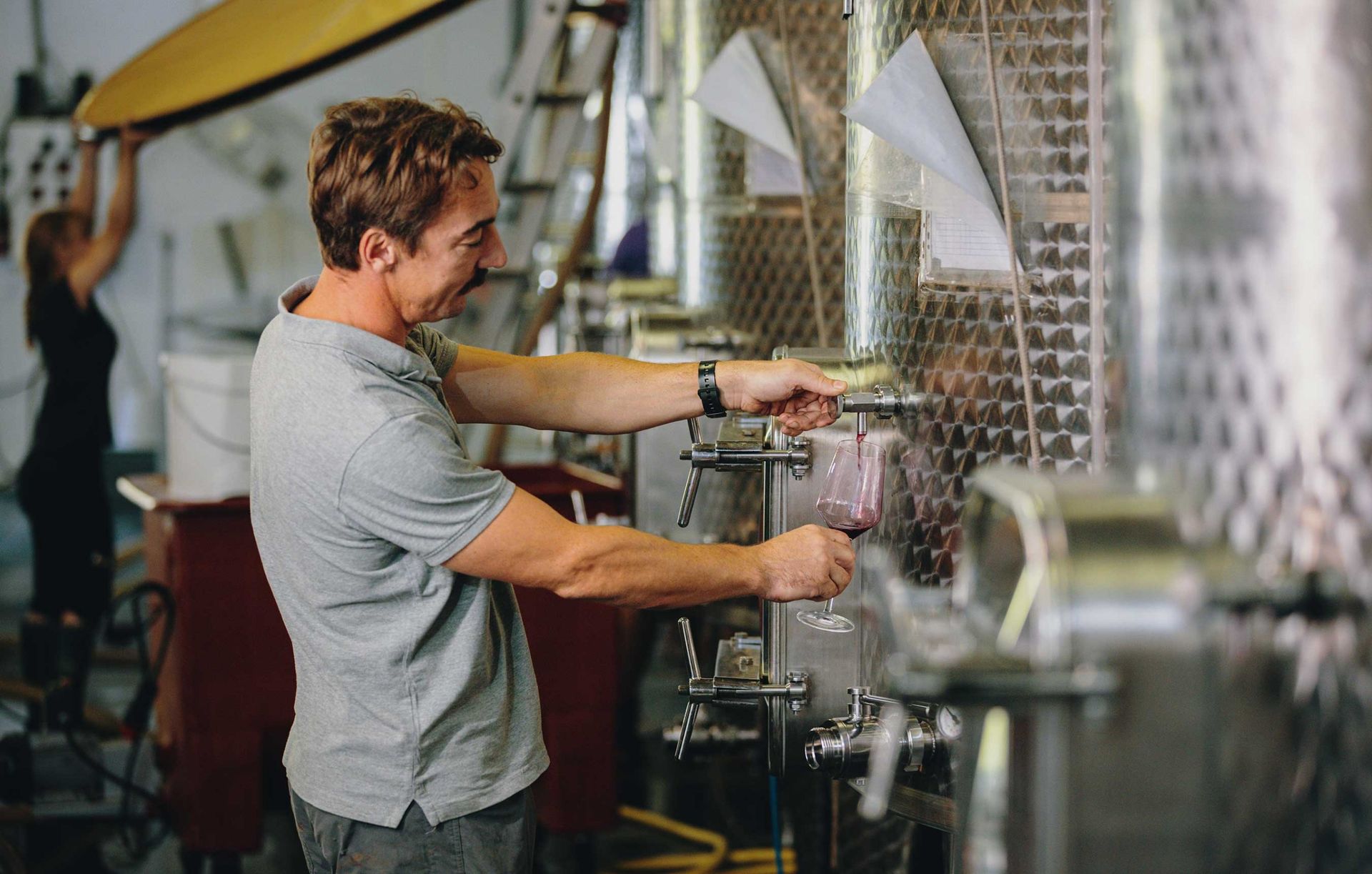
The early test results matter because smoke taint can be difficult to detect before fermentation. Grapes may not smell obviously damaged in the vineyard, and the finished wine can still carry the effect. Bon Appétit reports that winemakers facing smoke events often run small fermentations and send samples to laboratories to understand what the grapes may express after fermentation. That is a different kind of harvest anxiety: not whether berries are ripe, but whether the wine will later show ash, bitterness, or plastic-like aromatics.
Bordeaux’s red-wine identity raises the stakes. The region is built on skin contact, structure, blending, and oak. Bon Appétit notes that possible mitigation tools can include less time on skins or less new oak, but those choices sit awkwardly in a region where red wines aged in oak carry much of the market’s attention. The format of Bordeaux itself makes smoke taint a difficult adversary.
For now, the evidence remains better than the skies suggested in the first days. No vineyard burn. Negligible initial smoke damage. A crop at veraison. A heatwave and shifting winds ahead. That is the collector’s ledger, and each line can change with the weather.
While buyers wait for vintage signals, the local wine industry has moved from commentary to equipment. Bon Appétit reports that Soufflet Vigne, the French agricultural supply and winemaking service company, has been ferrying water tanks and pumps, equipment typically used for fermentation and production, to provide water sources for firefighters. In a cellar, those tanks and pumps belong to the choreography of harvest. In this fire season, they are part of the emergency response.
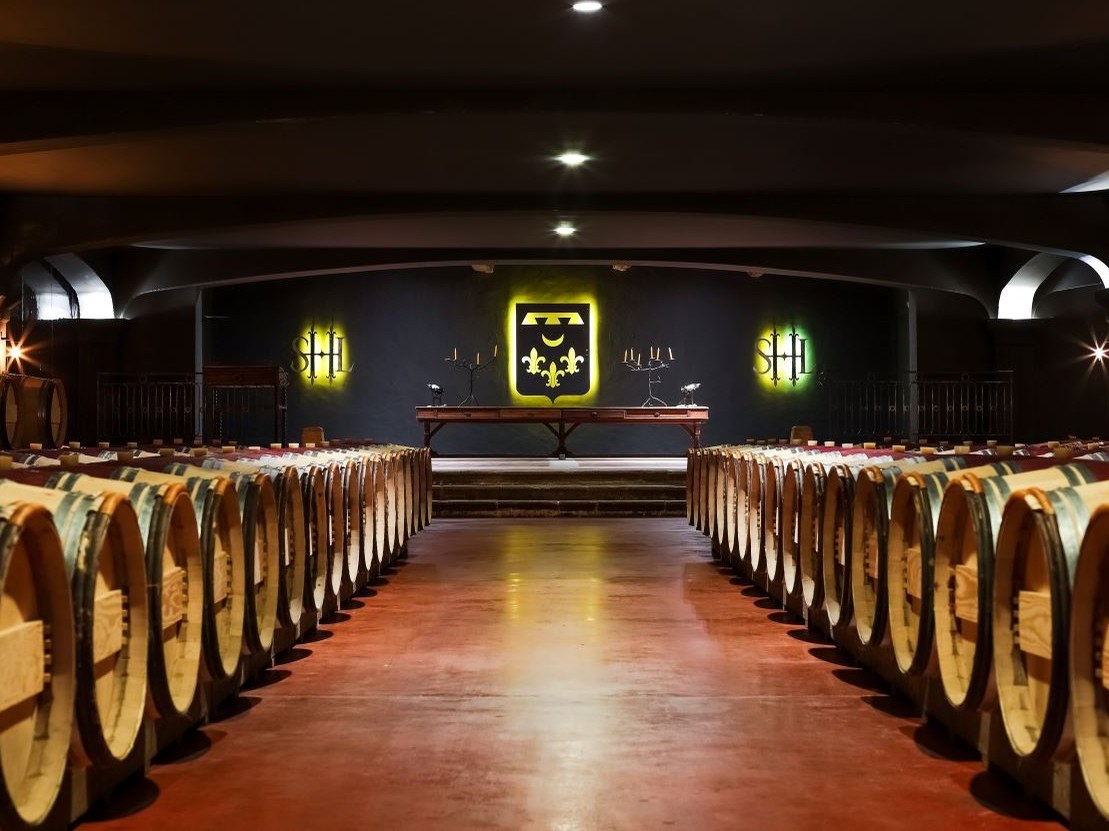
The estates named give the effort a Bordeaux face familiar to collectors: Smith Haut Lafitte and Rauzan-Ségla. “There is clear solidarity from the industry. Both Smith Haut Lafitte and Rauzan-Ségla are among the many wine estates and agricultural companies that have lent equipment such as water tanks and pumps to assist the firefighters,” said Jane Anson.1
That quote carries weight because the objects are specific. Water tanks. Pumps. Equipment that normally supports fermentation, production, or vineyard operations. Bordeaux can be an abstract market from a distance, classified growths, release campaigns, critic scores, allocations, but fire reduces the region to usable assets and fast decisions. A tank either moves water or it does not. A pump either helps pressure and supply or it sits idle.
Bordeaux’s Chamber of Agriculture also set up an online system allowing farmers to offer water tanks, trailers, tractors, and water access points to firefighters, according to Bon Appétit. That detail shows the response widening beyond marquee châteaux. A grower with a trailer, a farmer with access to water, an agricultural company with cellar equipment, each becomes part of a network built for speed rather than ceremony.
For travelers who know Bordeaux through appointments and tasting rooms, this is the region in its working clothes. The same infrastructure that underpins a polished estate visit, cellars, pumps, logistics, agricultural crews, can be redirected when fire threatens communes. The shift is not romantic. It is practical.
Smith Haut Lafitte and Rauzan-Ségla also matter because they sit in the mental map of serious Bordeaux buyers. Seeing those names in a firefighting story reframes the crisis for collectors who may otherwise encounter wildfire only as a line in a vintage report months later. The first consequence is civic and environmental. The second may eventually be vinous.
There is also an insider lesson here for anyone who buys en primeur: vintage quality does not emerge only from flowering dates, rainfall totals, and harvest weather. It comes from the capacity of a region to respond while grapes are still on the vine. In 2026, Bordeaux’s response includes shared equipment, online coordination, and producers watching smoke as closely as they watch phenolic ripeness.
One delicate part of the Bordeaux wildfire 2026 vintage story is what remains conditional. The vineyards have not burned. Initial smoke testing showed negligible damage. Smoke taint risk is low at the moment. But if fires move closer, if winds shift, or if smoke lingers over ripening grapes, the conversation changes from relief to triage.
Morgan Maurèze, a Bordeaux-bred winemaker who now runs Napa’s Seven Apart, gave Bon Appétit the sensory warning collectors should keep in mind. “high levels make the wine extremely bitter and give it smells of ashtrays, burnt rubber, and plastics. There are few things you can do to effectively combat smoke-tainted wine,” said Morgan Maurèze.2
Those descriptors are not the vocabulary anyone wants near a 2026 barrel sample. Ashtrays, burnt rubber, plastics: these are not nuances to be folded into a tasting note. They are markers of fruit compromised before the wine had a chance to become itself. Bon Appétit explains that when smoke lingers over grapes during veraison, volatile phenols can bind with sugars in the skins, creating smoky, sanguine, ashy characters in the fruit.
The technical options remain imperfect. Activated carbon, nanofiltration, untoasted oak chips, and enzymes are possible treatments or tools for balancing smoke-impacted wines, but none offers a simple removal of the underlying character. Less time on skins and less new oak may help balance barbecue-like flavors, yet that is a difficult adjustment for Bordeaux reds. The region’s identity rests heavily on maceration choices, structure, and oak, particularly for wines collectors expect to cellar.
Napa’s recent fire history sits behind this discussion. Bon Appétit notes that Napa dealt with major fires in both 2017 and 2020, and that winemakers in California, British Columbia, and Oregon have become seasoned at navigating smoke and wildfire risk. Bordeaux is not starting from zero, global colleagues have data, protocols, and painful experience, but Europe has not had to confront this threat with the same frequency.
Research is moving, too. Bon Appétit reports that Oregon State University has been studying barrier sprays that coat grapes to guard against smoke, while the USDA is funding rapid detection tools to identify smoke-impacted wines. Those lines matter because future harvests may depend as much on diagnostic speed as on cellar technique. If a producer can identify smoke impact early, decisions about picking, skin contact, lot separation, and blending become more informed.
Collectors should resist two temptations. The first is panic: no vineyards have burned, and early smoke tests have shown negligible damage. The second is complacency: veraison, heat, and shifting winds keep the risk alive. For anyone planning allocations or future Bordeaux buying, the sensible move is to track producer-by-producer reporting once harvest approaches, then watch how estates discuss smoke testing, lot selection, and élevage decisions during the eventual en primeur cycle.
Supply questions will follow if damage emerges, but they should not outrun the evidence. A reduced or compromised harvest could affect availability in specific wines; a clean harvest would make the current anxiety part of the vintage’s weather biography rather than its defining trait. At this point, the facts support vigilance, not verdicts.
Bordeaux has already signaled that climate pressure is part of its future. In 2021, the region approved six new grape varieties, including Touriga Nacional and Marselan, in an effort to expand its ability to withstand climate change, according to Bon Appétit. That decision belongs in the same conversation as this fire season: heat-resistant varieties, tree cover, smoke monitoring, firefighting coordination, and the old question of how a place preserves its identity while the growing conditions around it change.
The coming days will decide whether the Bordeaux wildfire 2026 vintage remains a narrow escape or becomes a case study in smoke-era viticulture. For now, the vineyards still stand, the first tests offer relief, and the region’s tanks and pumps are serving a more urgent harvest than grapes.
Get the App
Take the shortlist into the En Primeur Club app for concierge access, saved places, and the next step after discovery.
Get Exclusive AccessMore from the editors