Alamos – Wines of Catena

Alamos – Wines of Catena belongs to the Mendoza story that made high-altitude Malbec legible beyond Argentina. Rooted in Vista Flores and introduced by Nicolás Catena Zapata in 1993, it reads less like a visitor-first estate and more like a production-led expression of Andes light, cool nights, alluvial soils, and modern Argentine winemaking.
Pearl is the En Primeur Club membership app — saves, bookings, and concierge access live there. Same editors, same standards.
- Address
- Vista Flores, Mendoza, Argentinien
- Directions
- Get directions
 Saves & bookings on Pearl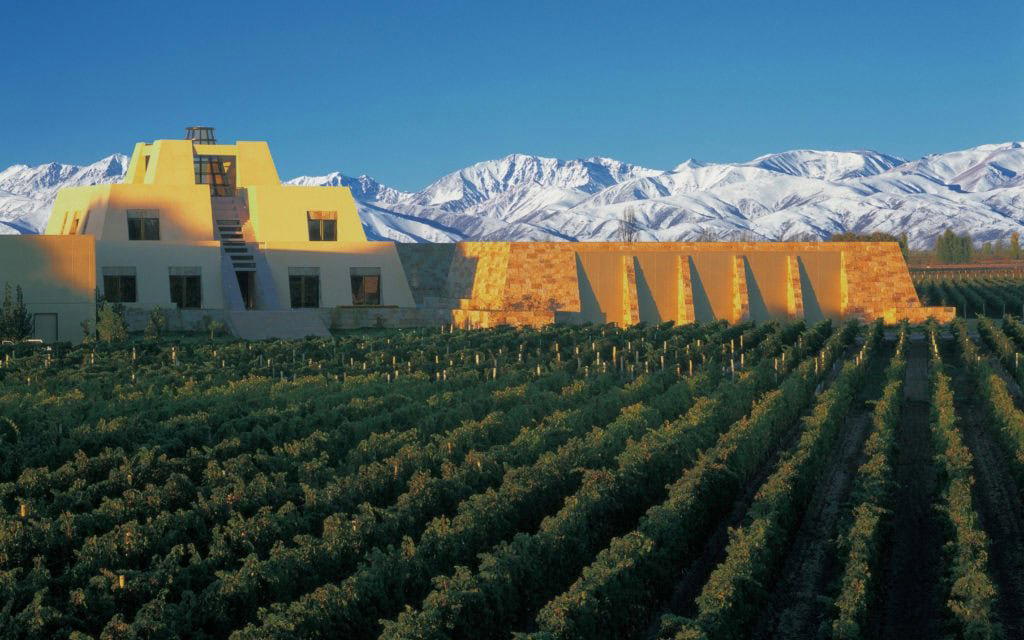
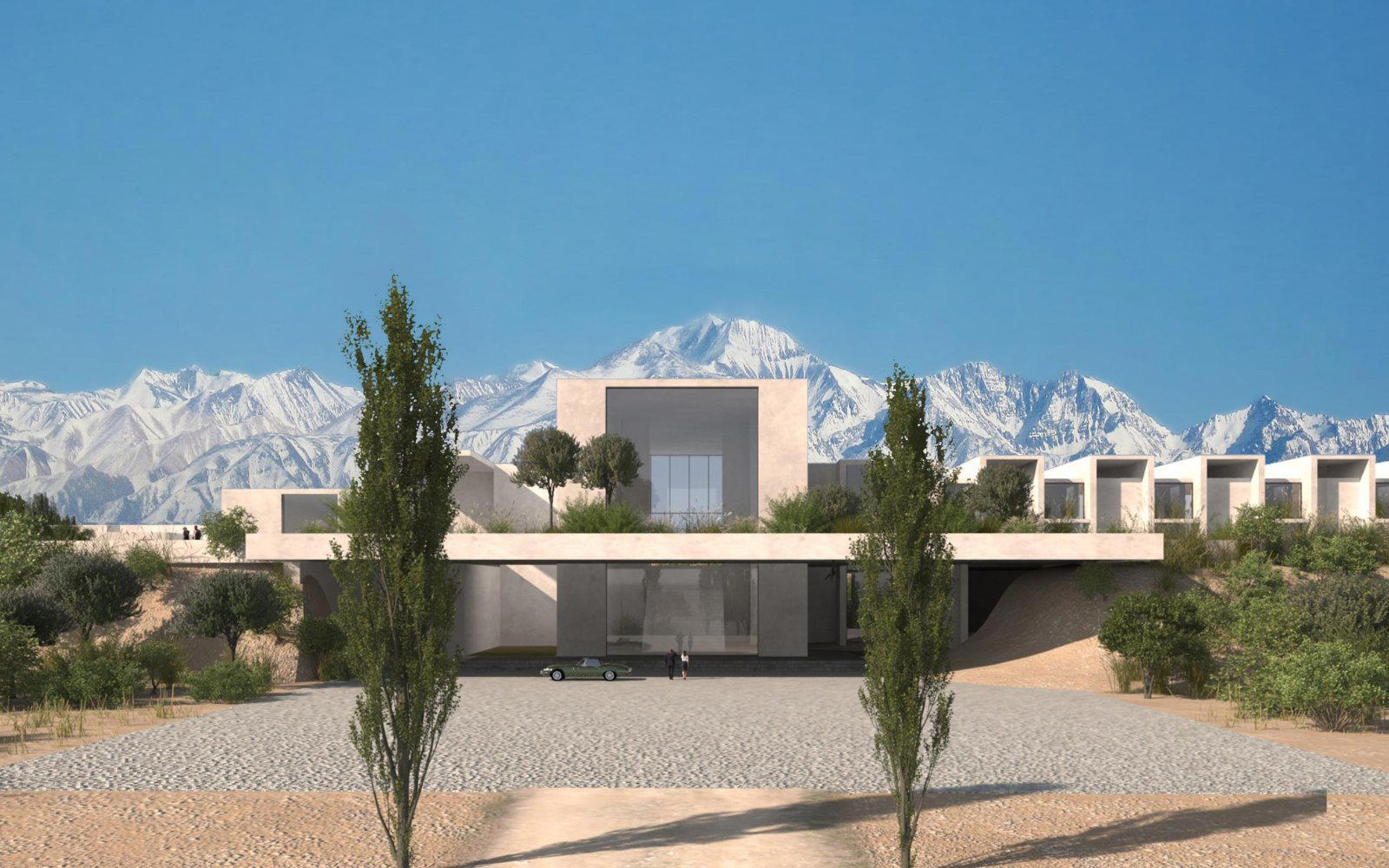
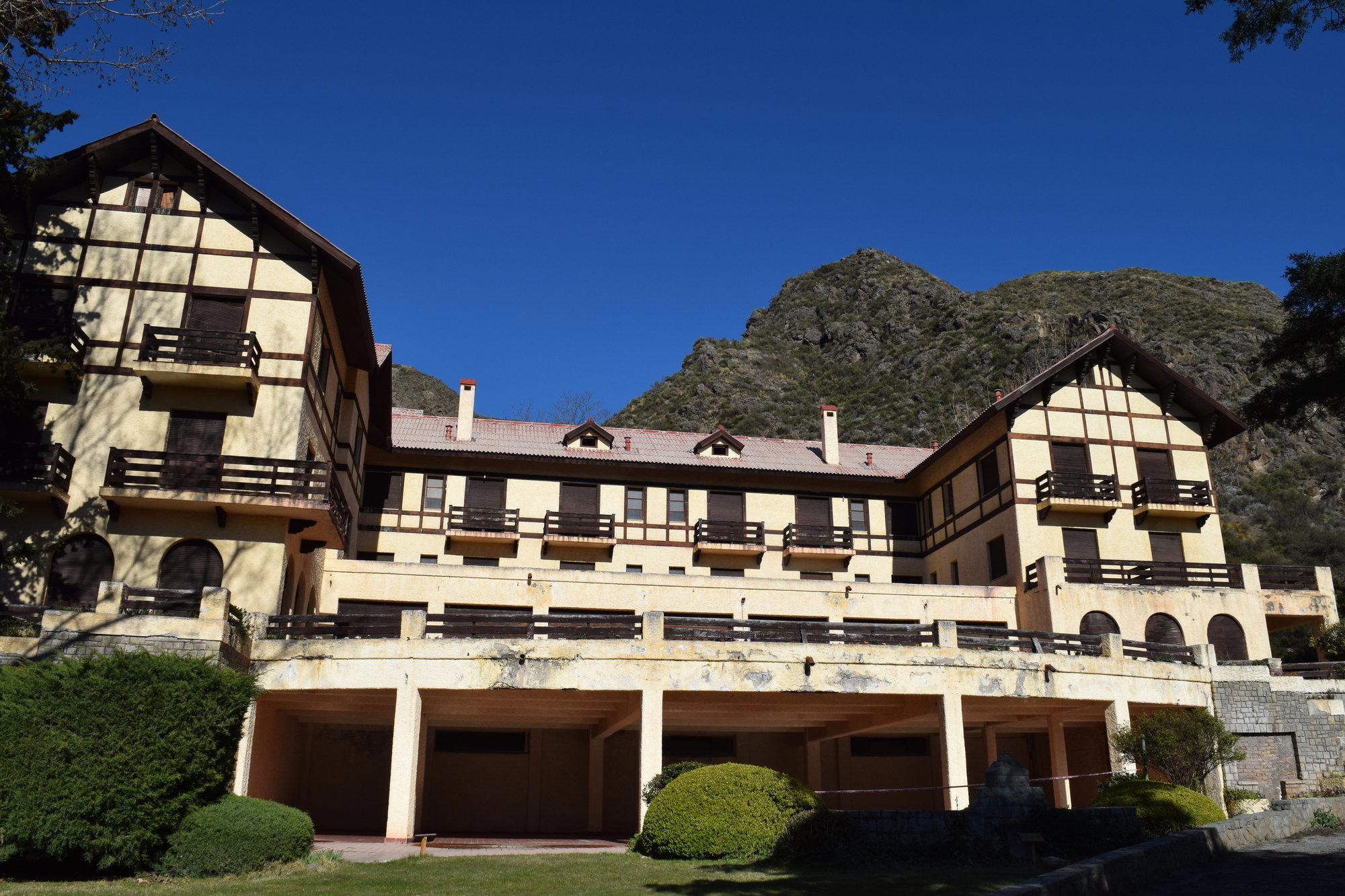
Approaching wine country in Vista Flores, the Andes are the defining frame. For Alamos – Wines of Catena, the story is not a traditional visitor-centric estate narrative. It is a brand-oriented production winery framed by high-altitude Mendoza terroir and rugged mountain landscape. That framing is important because it keeps expectations aligned with what is actually supported: a place and a brand shaped by Mendoza conditions, not a fully described hospitality destination with confirmed public experiences.
Alamos – Wines of Catena is best understood through that production identity. The available information supports a focus on altitude, Mendoza conditions, and a modern, technically advanced winery character rather than a detailed hospitality program, menu, tasting format, or visitor schedule. In practical terms, this means the winery belongs in the mental map of Vista Flores as part of the region’s wine-production landscape, while the finer points of access, format, and visitor services should remain open questions until verified.
Vista Flores altitude gives the wines their frame
The useful way to understand this address is through conditions rather than romance. The positioning emphasizes high-altitude Mendoza terroir, with the Andes as the defining visual and agricultural frame. That makes Vista Flores central to the way the brand is presented: mountain setting first, conventional estate hospitality second. The landscape is not just backdrop in this reading; it is the context through which the winery’s identity is communicated, especially for travelers trying to understand why this part of Mendoza is so often described through elevation, light, exposure, and mountain proximity.
What can be stated with confidence is limited but clear. Alamos – Wines of Catena is associated with Vista Flores and a production-led interpretation of Mendoza wine country. That restraint is useful rather than limiting: it separates the solid outline of the venue from the many assumptions that can attach themselves to a well-known wine region.
The same caution applies to operational details. The profile points to a modern, technically advanced winery identity, but it does not confirm public tasting hours, tour structure, restaurant service, private-room capacity, lunch availability, or a particular visitor format. For planning, the safest reading is to see it as a wine-country reference point whose current access details should be checked through official channels. Travelers should therefore avoid building a schedule around implied services and instead treat any visit-related plan as provisional until the winery itself has confirmed what is available.
A brand-led winery, not a conventional tasting-room estate
Travelers often arrive in wine country expecting every label to behave like a destination estate. This one is better read as a brand-oriented production winery rooted in high-altitude Mendoza terroir. The emphasis is on the translation of Vista Flores and the Andes setting into the brand’s identity, rather than on a confirmed hospitality ritual. That makes the profile more restrained, but also more precise: the main story is about production, place, and regional character, not a guaranteed sequence of welcome glass, cellar walk, tasting flight, and meal.
That distinction matters when planning an itinerary. Some wineries are built around architecture, dining, and scheduled visitor experiences; the record for the winery supports a narrower description: production-led, mountain-framed, and associated with a technically advanced winery context. Anything more specific should be confirmed before relying on it. In an area where many visitors naturally compare estates by their public-facing offer, this is a case where the absence of confirmed hospitality detail should be read carefully, not filled in from regional habit or brand familiarity.
For a visitor, the appeal is strongest when the day is about understanding how Vista Flores fits into Mendoza wine country. The rugged mountain landscape described around the brand is part of the frame, but details such as exact tour options, food pairings, reservation policy, or tasting inclusions are not established here. That does not make the address irrelevant to trip planning; it simply changes its role. It is best considered as part of the production and terroir story of the area, with any on-site experience dependent on information confirmed closer to the time.
How to place it within a wider Mendoza itinerary
Vista Flores rewards travelers who build context rather than treating each stop as isolated. For wine planning, keep the winery in view as a production-oriented Vista Flores reference point, then compare it with other dining or wine-country options in the area generically. The right approach is to let it help frame the broader geography of the day: high-altitude Mendoza conditions, the presence of the Andes, and the distinction between production identity and visitor hospitality. From there, confirmed appointments, meals, or tastings elsewhere can be arranged around information rather than assumptions.
Recognition history
Dated appearances from independent guides and award organizations, with the underlying list record or original source where available.
Falstaff Winery - Listed
Falstaff
Continue exploring
More in Vista Flores
Wineries in Vista Flores
Browse all →
Bars in Vista Flores
Browse all →
Restaurants in Vista Flores
Browse all →

At a Glance
- Scenic
- Rustic
- Classic
- Solo Exploration
- Wine Education
- Sustainable
- Mountain
- Vineyard
- Mendoza
- Malbec
- Cabernet Sauvignon
- Torrontés
- Chardonnay
- Still Red
- Still White
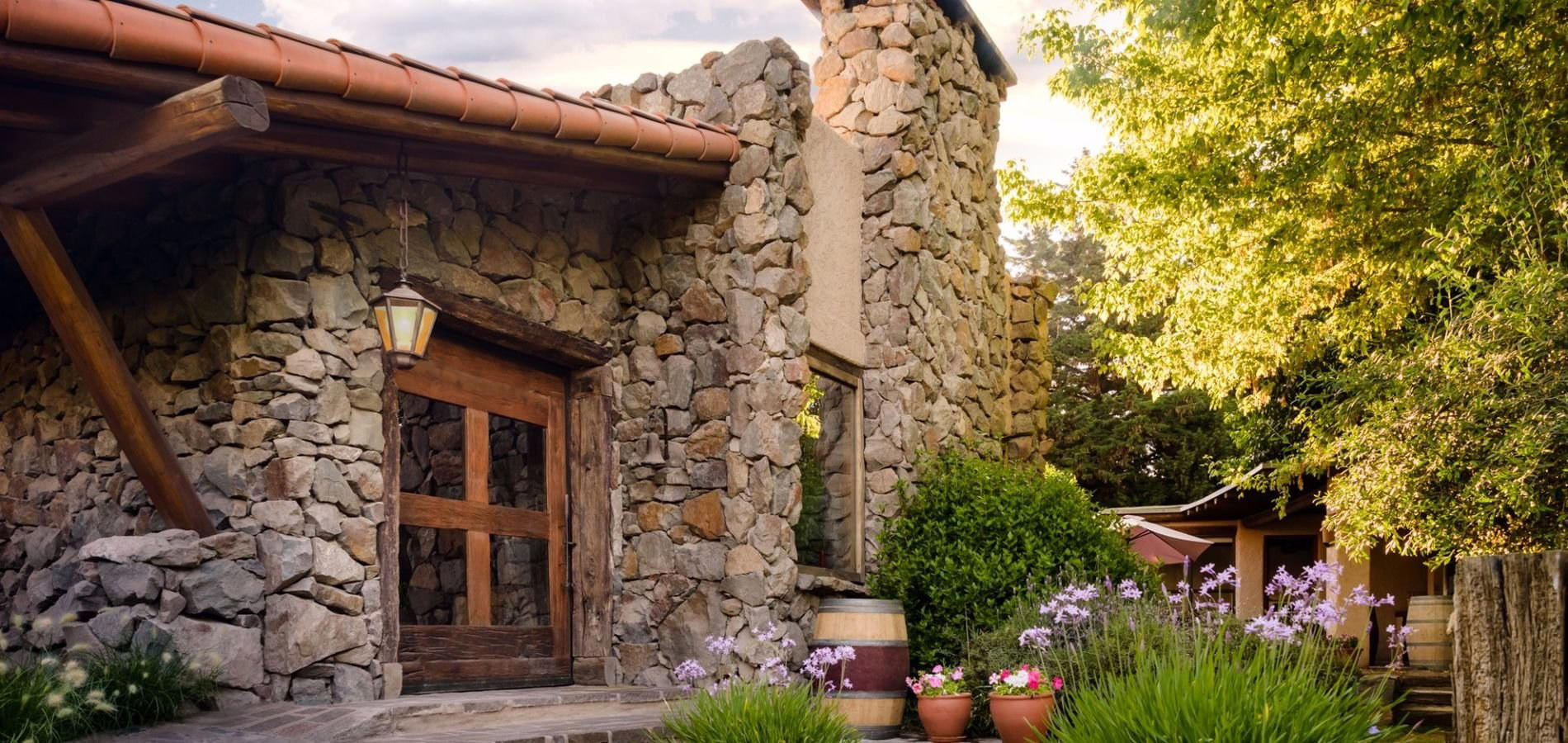
Brand-oriented production winery focused on high-altitude Mendoza terroir rather than a traditional visitor-centric estate; press and brand materials emphasize rugged Andes mountain landscapes and a modern, technically advanced but classically Argentine winemaking style rather than on-site hospitality.