
Falstaff Winery - Listed
Agricola Strapellum is a small Rapolla winery shaped around Basilicata’s volcanic Vulture identity, with Aglianico del Vulture DOCG at the centre and sustainable estate work in the background. The experience is strongest for travellers who want the vineyard, cellar and tasting room to read as one argument about place rather than a stand-alone pour.

Pearl is the En Primeur Club membership app — saves, bookings, and concierge access live there. Same editors, same standards.
- Address
- Rapolla, Basilicata, Italien
- Directions
- Get directions
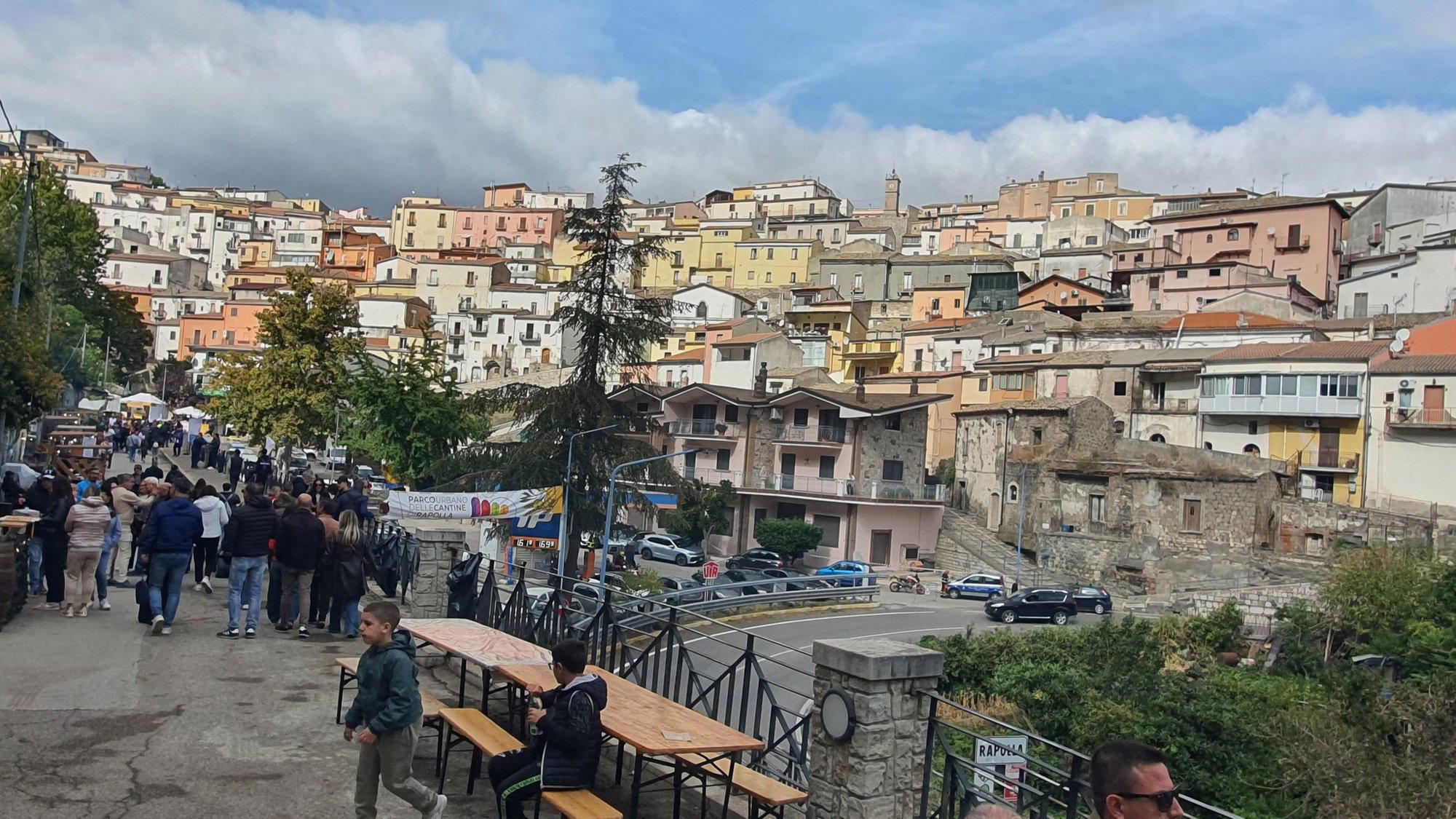
Agricola Strapellum in Rapolla is best understood as a guided Basilicata winery experience rather than a conventional restaurant or quick tasting stop. The appeal is the way it brings together contemporary winemaking, historical research and ancient local traditions in a single visit. Instead of treating wine as an isolated pour, the experience is framed around place, production and food, with guided walks through the vineyards, visits to the cellar and curated tastings with food.
That makes the tone of a visit more interpretive than casual. The available information supports a picture of a winery that wants guests to understand how its work connects to the surrounding land and to local memory. For travellers planning time in Rapolla, Agricola Strapellum is therefore a useful choice when the priority is context: seeing the vineyards, entering the cellar and tasting with food as part of the same encounter.
A contemporary Basilicata winery rooted in local tradition
The most reliable way to describe Agricola Strapellum is as a contemporary Basilicata winery experience with a strong connection to historical research and ancient local traditions. That combination matters because it avoids reducing the visit to either nostalgia or modern polish. The winery’s positioning brings those ideas together: an interest in older local knowledge, presented through a modern approach to winemaking and hospitality.
For visitors, this means the experience should be approached as an introduction to a place and its wine culture, not simply as a stop for a glass. The guided vineyard walk gives the visit an outdoor, landscape-based beginning. The cellar visit adds the production context. The curated tasting with food then brings the experience back to the table, where wine is considered alongside the flavours and traditions that help explain it.
The price level is listed as $$, so Agricola Strapellum sits in a moderate bracket rather than being presented here as either a budget stop or a luxury destination. Travellers should therefore treat the page as a factual orientation to the experience rather than a substitute for confirming practical arrangements directly.
A winery visit built around vineyard, cellar and food
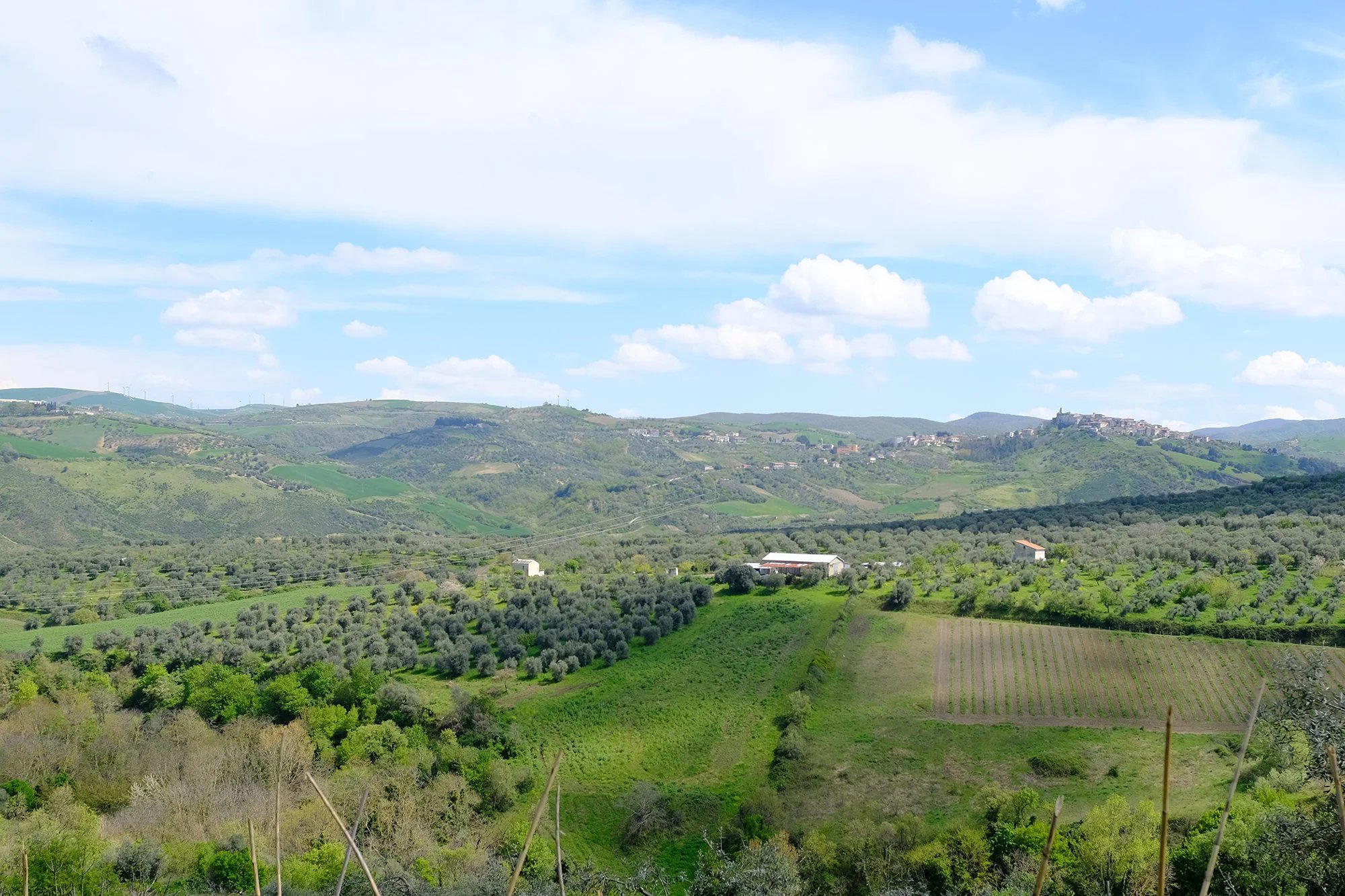
The clearest structure of the visit is three-part: guided walks through the vineyards, visits to the cellar and curated tastings with food. That sequence is important because it gives the tasting a sense of progression. Guests first encounter the vineyard setting, then the working side of the winery, then the wines in a curated food context.
This is the main reason Agricola Strapellum stands apart from a simple bar or bottle-shop experience. The visit is built around explanation and connection. The vineyard walk helps place the wines in the physical range of Rapolla. The cellar visit introduces the production side without requiring the page to claim technical details. The tasting with food then gives the experience a more complete hospitality dimension.
Anyone planning a visit should confirm current arrangements before travelling. What can be stated with confidence is that Agricola Strapellum’s public-facing experience is centred on guided winery hospitality in Rapolla, with vineyards, cellar and food-paired tasting all forming part of the offer.
The experience is likely most relevant for visitors who want a slower, more contextual stop in Basilicata. It suits travellers who are interested in how a winery presents its land, traditions and production choices through a guided visit. It is less useful to describe it in restaurant terms, because the information points to a winery experience with curated tastings and food rather than a standard dining room format.
Rapolla context and further reading
Rapolla can be approached as a destination for travellers who want to understand Basilicata through local wine culture. Agricola Strapellum gives that interest a focused form: a contemporary winery visit shaped by historical research, ancient local traditions, modern winemaking excellence, vineyard walks, cellar visits and curated tastings with food.
Visitors can build a day around the winery experience and then look separately at other Rapolla dining, lodging or local activities according to their schedule.
The critical case for Agricola Strapellum is direct. Its value is not based on an asserted award, a named chef, a detailed menu, a score, a seat count or a claimed list of grape varieties. The case is that it offers a guided Basilicata winery experience in Rapolla, combining historical and local tradition with contemporary winemaking and a visit format that includes vineyards, cellar and food. For travellers who want a grounded wine stop rather than an unsupported checklist of claims, that is the reason to keep Agricola Strapellum on the route.
Recognition history
Dated appearances from independent guides and award organizations, with the underlying list record or original source where available.
Falstaff Winery - Listed
Falstaff
Continue exploring
More in Rapolla
Wineries in Rapolla
Browse all →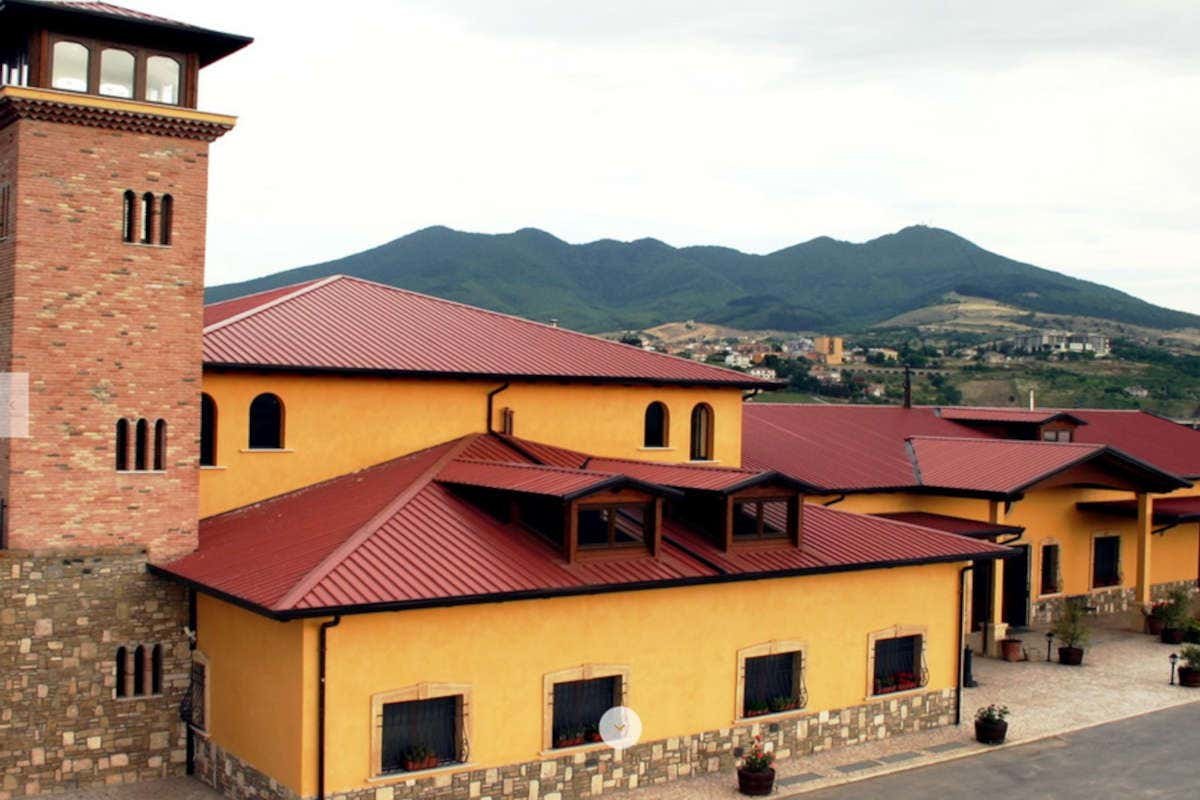

Details
- Rustic
- Scenic
- Elegant
- Romantic
- Wine Education
- Group Outing
- Romantic Getaway
- Special Occasion
- Solo Exploration
- Vineyard Tour
- Estate Grounds
- Barrel Room
- Private Tasting
- Sustainable
- Vineyard
- Mountain
- Aglianico
- Sangiovese
- Merlot
- Still Red
- Still White
- Sparkling
- Guided Tasting
- Cellar Tour With Tasting
- Vineyard Walk And Tasting
- Food Pairing Tasting
- Italian
A contemporary Basilicata winery experience that combines historical research and ancient local traditions with modern winemaking excellence, offering guided walks through the vineyards, visits to the cellar, and curated tastings with food pairings for an immersive, narrative-driven atmosphere.