
Michelin Plate
Our verdict
Al Baliaggio occupies a 15th-century palazzo on Venosa's main street, where vaulted stone ceilings frame a kitchen rooted in Basilicata's agricultural traditions. Holding a 2025 Michelin Plate, the restaurant interprets regional ingredients with modern technique at an accessible price point that has few equivalents in southern Italy's fine-dining tier.

Pearl is the En Primeur Club membership app, where members save venues, book tables and use the concierge.
The menu
What to order
- Homemade pasta with ragù
- Grilled seafood platter
- Spaghetti al torchio with truffle cheese
- Beef tartare with foie gras and caviar
- Risotto with lemon, scampi and gin
- Suckling pig with pumpkin cream
Stone Arches and the Agriculture of Basilicata
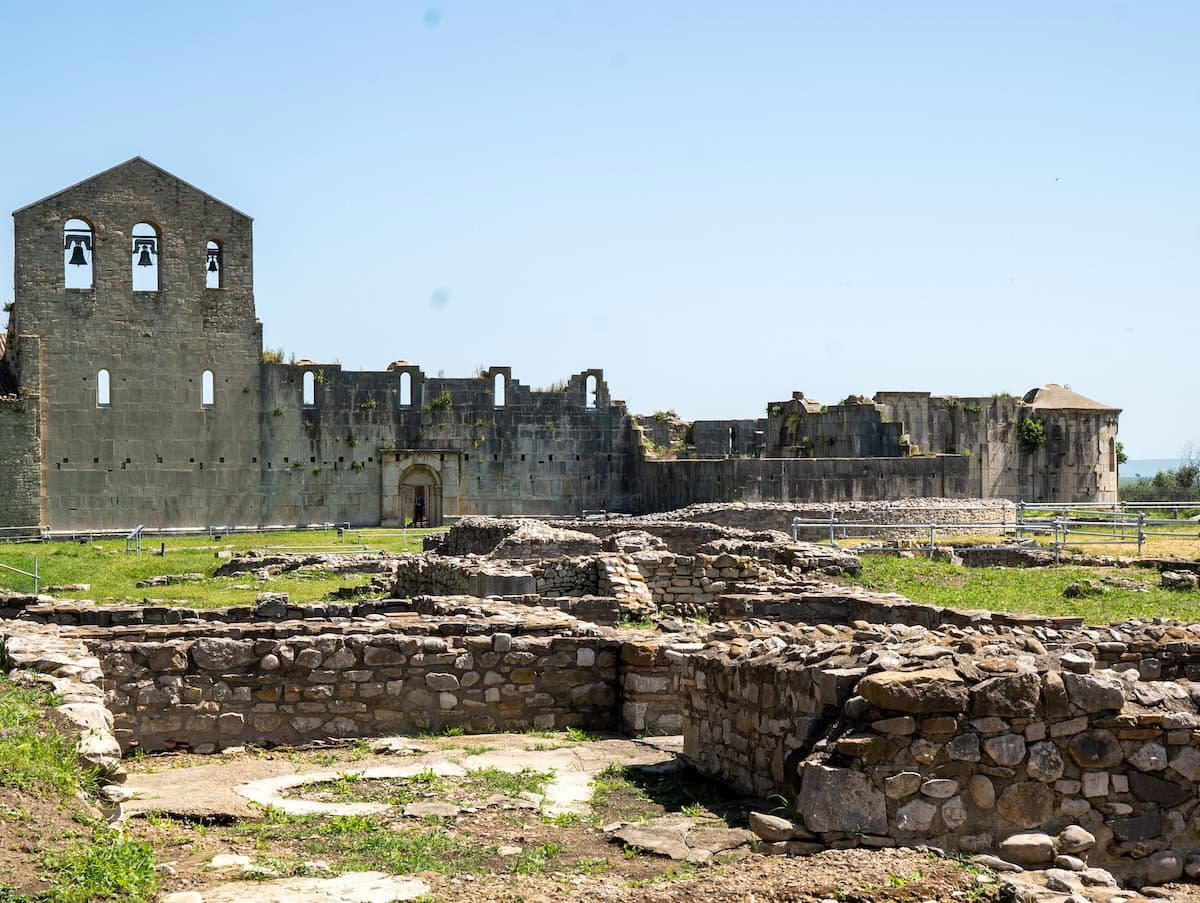
Venosa sits in the northern reach of Basilicata, a province that rarely draws the kind of sustained culinary attention directed at Campania or Puglia to its east and west. That relative quiet is precisely what makes the dining here interesting. Restaurants in this part of the Mezzogiorno operate without the prop of tourism infrastructure, which means the ingredients on the plate tend to reflect what the land actually produces rather than what visitors expect to see. Al Baliaggio, on Via Vittorio Emanuele II in the centre of town, occupies that honest culinary position: a kitchen committed to Basilicata's larder, housed inside a building that dates to the 15th century.
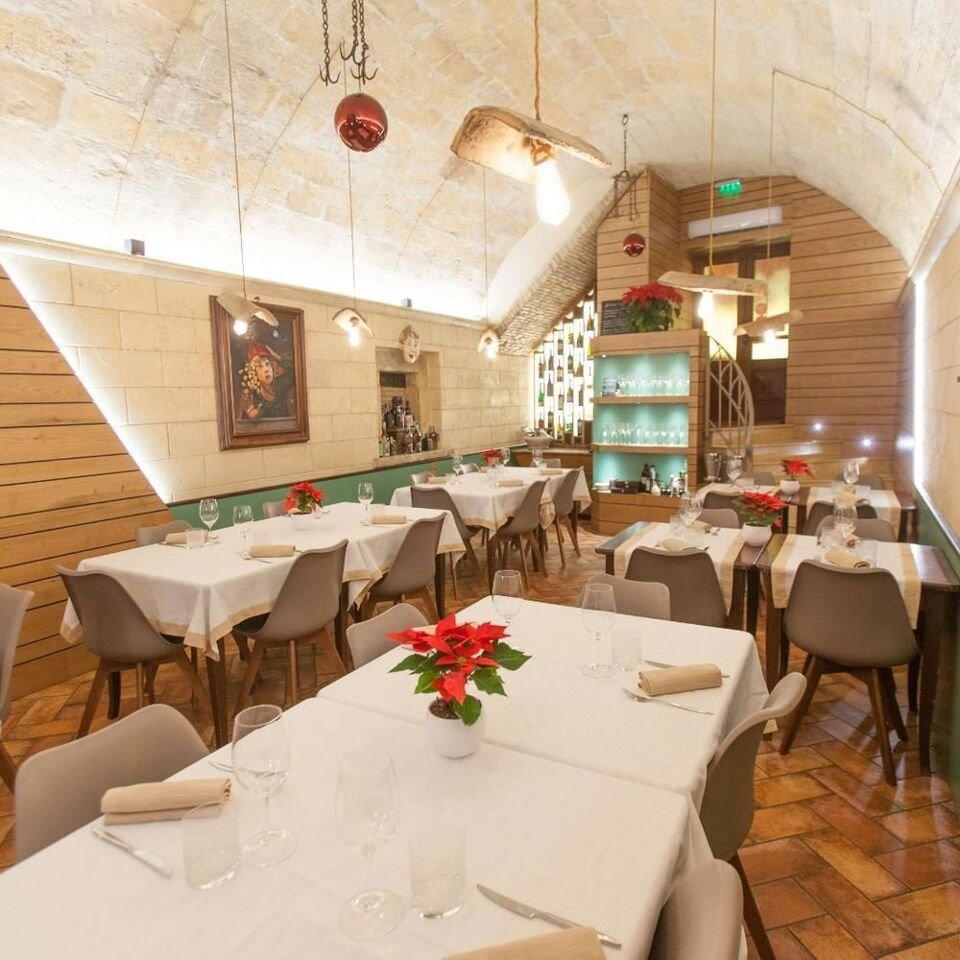
The physical setting matters before you even consider the food. The vaulted ceilings, characteristic of late-medieval palazzo architecture found across Basilicata's hilltop towns, create a spatial gravity that many newer restaurants in the region's larger cities spend considerable budgets trying to simulate. The stone overhead and the measured, smart ambience establish the kind of dining room where formality and accessibility coexist without tension. It is a setting that frames the sourcing philosophy of the kitchen rather than competing with it.
Why Regional Sourcing Matters Here
Basilicata is not an agricultural footnote. The region produces Aglianico del Vulture, one of southern Italy's most age-worthy red wines, grown on volcanic soils within a few kilometres of Venosa. Its hills yield legumes, preserved meats, aged cheeses, and wild herbs that have defined the cooking of the area for centuries. The challenge for any kitchen working this territory is the gap between tradition-as-museum-piece and tradition-as-living-practice. Simply reproducing nonna recipes is a dead end. Ignoring them entirely in favour of pan-Italian modernism is a different kind of failure.
Al Baliaggio works in the space between those two positions. The kitchen's approach, described by Michelin inspectors in 2025 as a traditional focus reinterpreted in modern style, uses the regional ingredient base as its constraint and its creative material simultaneously. The fish options on the menu extend that reach: Basilicata's coastline is limited, but its proximity to both the Tyrrhenian and Ionian seas means certain coastal products make inland appearances when quality justifies it. The presence of seafood alongside the land-rooted menu is not a concession to tourist preference but a reflection of how Basilicata's cooking has always absorbed its geography.
That ingredient discipline is what earns Al Baliaggio its 2025 Michelin Plate recognition, a designation that signals consistent technical quality and kitchen seriousness without the full starred apparatus. In the broader Italian fine-dining context, where three-starred rooms like Osteria Francescana in Modena, Enoteca Pinchiorri in Florence, and Dal Pescatore in Runate operate at the ceiling of the price and ambition spectrum, Al Baliaggio occupies a different but coherent position: the serious regional kitchen doing specific work in a place most visitors never reach.
The Price Tier and What It Signals
Across Italy, the gap between accessible regional cooking and the starred fine-dining circuit has widened. Rooms like Le Calandre in Rubano, Piazza Duomo in Alba, and Enrico Bartolini in Milan operate in a tier defined by multiple courses, cellar depth, and a full front-of-house apparatus that drives pricing into the €€€€ bracket. Al Baliaggio's single-euro price designation places it at the opposite end of that spectrum, which in Basilicata means it is priced against local restaurant expectations rather than against the aspirational dining circuit of northern Italy.
That positioning is not a limitation. It is a structural decision that allows the kitchen to remain anchored in the ingredient economics of the region, sourcing what the local agricultural season produces rather than importing prestige products to meet the expectations of an international clientele. For visitors who have eaten their way through the southern Italian canon, through the Campanian seafood rooms and the Puglian masseria restaurants, Al Baliaggio's price-to-sourcing relationship represents one of the stronger arguments for including Basilicata in a serious food itinerary.
Service and the Rhythm of the Room
Michelin's 2025 notation specifically flags efficient, punctual service, which in the inspection vocabulary carries more weight than it might appear. Southern Italian restaurant service has a complicated reputation in the northern European critical press: warmth frequently outpacing organisation. The designation of punctual efficiency at Al Baliaggio suggests a room that runs to a considered pace rather than an improvised one, which matters when the kitchen is working modern technique against traditional structures. A dish timed incorrectly across that kind of cooking loses something real.
The young owner-chef format, documented in the Michelin record, places Al Baliaggio within a pattern visible across Italian secondary cities in recent years: formally trained or self-directed young chefs returning to or remaining in their home regions rather than migrating to the starred circuit of Milan, Rome, or the major tourist cities. That pattern has produced some of the more interesting cooking in southern Italy over the past decade, precisely because those kitchens carry genuine local knowledge rather than adopted regional identity.
Venosa as a Dining Destination
Venosa's culinary profile does not run deep in the way that Alba or Modena's does, there is no single ingredient or product that anchors the town's identity in the food press. What Venosa offers instead is the wider Basilicata context: volcanic soils, altitude-influenced agriculture, and an Aglianico wine tradition that pairs with the region's heavier meat and legume preparations in a way that requires some knowledge to navigate well. For the visitor, understanding Al Baliaggio means understanding Venosa's place in that regional structure first.
If you are planning time in Basilicata with serious eating in mind, our full Venosa restaurants guide maps the wider picture. For accommodation in the area, the Venosa hotels guide covers the available range. Those interested in the Aglianico del Vulture production in the surrounding territory will find direction in our Venosa wineries guide, and the Venosa bars guide and experiences guide round out the broader stay.
For those building a wider southern Italian dining circuit, comparable kitchens working the modern-meets-regional format at higher price tiers include Reale in Castel di Sangro and Quattro Passi in Marina del Cantone, both working the Apennine and Campanian southern Italian context respectively. At the northern end of Italy's creative modern-cuisine spectrum, Atelier Moessmer Norbert Niederkofler in Brunico and Uliassi in Senigallia define what the full-commitment version of that approach looks like when budget and distance are not factors. For international points of comparison working the same modern cuisine category, Frantzén in Stockholm and FZN by Björn Frantzén in Dubai show how far the format travels from its European roots. Closer to Venosa in spirit, Casa Perbellini 12 Apostoli in Verona demonstrates how northern Italian kitchens handle the same tradition-meets-modern brief with a different ingredient vocabulary.
Al Baliaggio is located at Via Vittorio Emanuele II, 136, in central Venosa. The single-euro price range places it firmly within reach for a midday or evening meal without advance financial planning.
Frequently asked questions
Is Al Baliaggio a family-friendly restaurant?
The setting, a 15th-century building with vaulted ceilings and a formal, smart ambience, reads more formal than casual. The €-tier pricing keeps it accessible, but the measured, punctual service style noted in the 2025 Michelin Plate notation suggests a room that rewards a quieter pace rather than a bustling family dinner.
What's the vibe at Al Baliaggio?
The dining room occupies a 15th-century building on Via Vittorio Emanuele II in the centre of Venosa, with vaulted ceilings setting a composed, elegant tone. Michelin's 2025 inspection specifically notes efficient and punctual service, which points to a room run with quiet discipline rather than theatrical ceremony.
Does Al Baliaggio have a Michelin star or similar recognition?
Al Baliaggio has received recognition including: Housed in a 15C building in the centre of town, this restaurant boasts beautiful vaulted ceilings and a smart, elegant ambience. The young owner-chef serves cuisine with a traditional focus which is reinterpreted in modern style and made fr….
What dish is Al Baliaggio famous for?
The focus on local sourcing in a region that produces Aglianico del Vulture and distinct inland produce is the defining thread rather than any single dish.
What does dinner at Al Baliaggio typically cost?
Pricing at Al Baliaggio is listed as €.
In Context: Similar Options
| Venue | Cuisine | Price | Awards | Notes |
|---|---|---|---|---|
| Al BaliaggioThis venue (the venue you are viewing) | Modern Lucanian Cuisine | $50–100 | Michelin Plate | Not listed |
| Atelier Moessmer Norbert Niederkofler | Modern Alpine Fine Dining | $300–500 | 3 Michelin Stars · World's 50 Best #20 | Italian, Creative |
| Dal Pescatore | Classic Italian Fine Dining | $200–300 | 3 Michelin Stars · World's 50 Best #38 | Italian, Italian Contemporary |
| Enoteca Pinchiorri | Contemporary Italian Fine Dining | $200–300 | 3 Michelin Stars · World's 50 Best #32 | Italian - French, Italian Contemporary |
| Enrico Bartolini | Modern Italian Fine Dining | $300–500 | 3 Michelin Stars · World's 50 Best #85 | Creative |
| Osteria Francescana | Avant-Garde Italian Contemporary | $300–500 | 3 Michelin Stars · World's 50 Best #1 | Progressive Italian, Creative |
Recognition history
Dated appearances from independent guides and award organizations, with the underlying list record or original source where available.
Michelin Plate
Michelin
Full recognition history (3 entries)
Michelin Plate
Michelin
Michelin Plate
Michelin
Continue exploring
More in Venosa

Al Baliaggio
The wine
- Wine program
- Deep wine list
- Extensive wine list
- Sommelier-led
Details
- Elegant
- Sophisticated
- Romantic
- Modern
- Date Night
- Special Occasion
- Celebration
- Group Dining
- Historic Building
- Open Kitchen
- Extensive Wine List
- Sommelier Led
- Local Sourcing
- Farm To Table
- A La Carte
- Tasting Menu
- Aglianico Wine
- Regional Wines
- Vegetarian Friendly
- Vegan Options
- Gluten Free Options
- Allergy Accommodating
Current opening hours
- Monday
- Closed
- Tuesday
- 12:30–3 PM, 7:30–10:30 PM
- Wednesday
- 12:30–3 PM, 7:30–10:30 PM
- Thursday
- 12:30–3 PM, 7:30–10:30 PM
- Friday
- 12:30–3 PM, 7:30–10:30 PM
- Saturday
- 12:30–3 PM, 7:30–10:30 PM
- Sunday
- 12:30–3 PM
Hours can change for holidays and private events. Last verified .
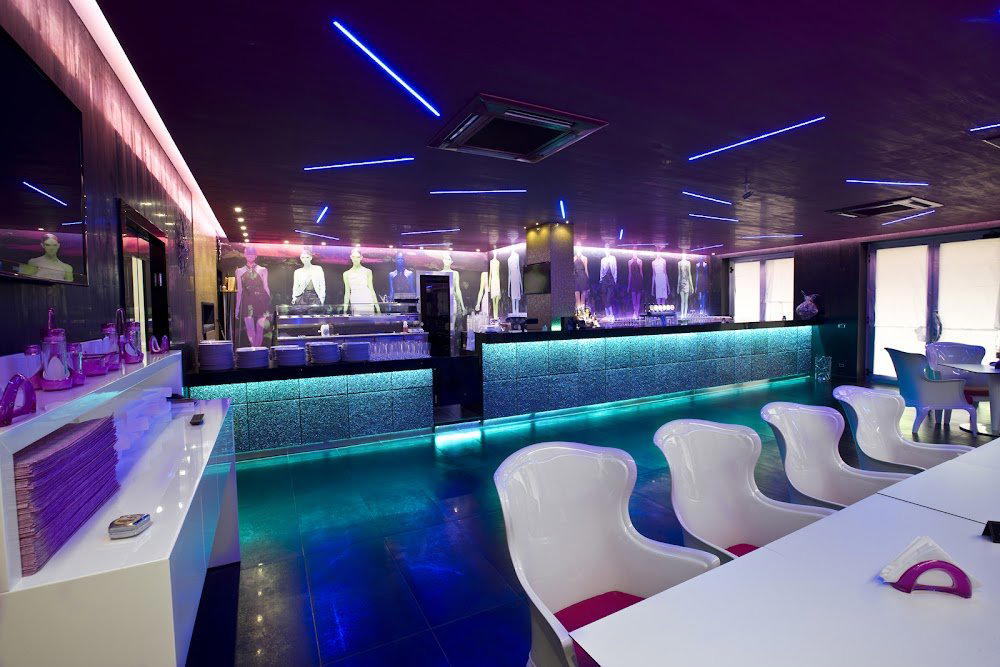
Elegant and refined with bright, spacious interiors furnished in modern style with tasteful details; housed in a historic 15th-century building with beautiful vaulted ceilings and white accents creating a sophisticated yet inviting atmosphere.