

Zuma İstanbul brings the global izakaya-style format to Istanbul's upscale İstinye district, holding a Michelin Plate in both 2024 and 2025. The contemporary Japanese kitchen sits within the ₺₺₺₺ tier alongside the city's leading modern Turkish tables, offering a distinct alternative for those seeking a non-local reference point in Istanbul's premium dining circuit.
Pearl is the En Primeur Club membership app — saves, bookings, and concierge access live there. Same editors, same standards.
- Address
- İstinye Mahallesi Bayır Çıkmazı, İstinye, park No:461, 34460 Sarıyer, Türkiye
- Phone
- +90 212 236 22 96
- Website
- zumarestaurant.com
- Directions
- Get directions
 Saves & bookings on Pearl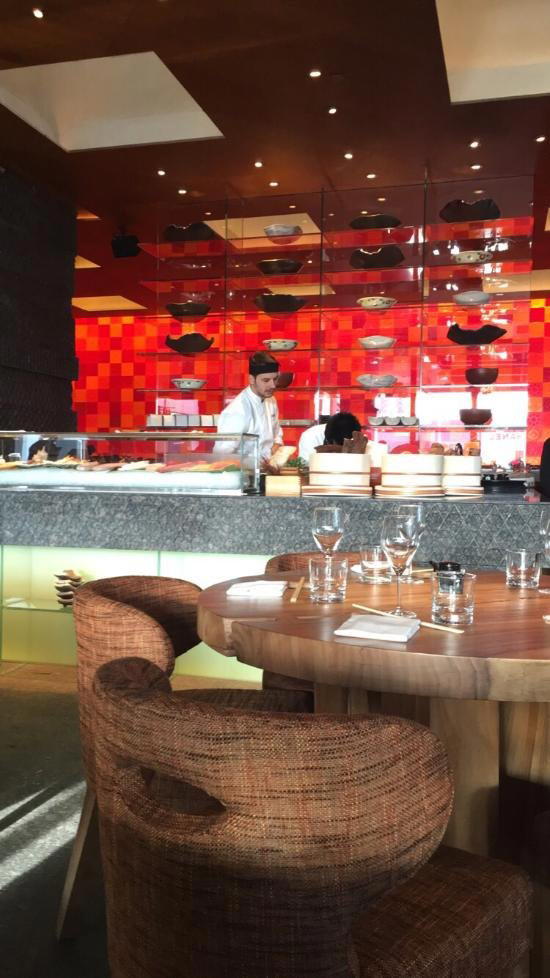
A Global Format Finds Its Istanbul Register
The Zuma brand arrived in cities like London, Miami, and Dubai before reaching Istanbul, and that sequence matters. By the time any Zuma opens in a new market, the format is fully formed: a robata grill running alongside a main kitchen, a bar program calibrated to the same crowd, and a dining-room energy that sits somewhere between high-concept Japanese restaurant and social event. What shifts from city to city is how that format reads against its local context. In Istanbul, the contemporary Japanese register is a minority position inside a premium dining scene still largely defined by modern Turkish cooking.
That contrast is worth dwelling on. The ₺₺₺₺ tier in Istanbul currently clusters around tables like Turk Fatih Tutak, Mikla, and Neolokal, each building outward from Anatolian and eastern Mediterranean ingredients. Zuma İstanbul prices against those peers while operating in a structurally different culinary grammar: Japanese technique, robata-grilled proteins, cold appetisers drawn from the izakaya tradition, and a cocktail program that completes the experience rather than supplementing it. For the Istanbul diner who regularly moves between those modern Turkish tables and international formats, the shift is deliberate and legible.
How the Format Has Evolved Across Markets
When the original Zuma opened in London in 2002, the izakaya model was largely unfamiliar to European luxury diners. The concept of sharing plates from multiple cooking stations, with a bar embedded into the dining flow rather than separated from it, was a genuine departure from the set-tasting menus and à la carte formality that defined that bracket. Two decades later, the format has become a reference point in its own right. Other contemporary Japanese restaurants now position themselves relative to what Zuma established, whether by adopting elements of the robata-plus-sashimi structure or by deliberately diverging from it.
Istanbul's Japanese dining circuit has developed along a different arc. Smaller, more specialist formats, including omakase counters and tightly controlled tasting menus, represent the city's most technically focused Japanese cooking. Inari Omakase Kuruçeşme and Sankai by Nagaya operate in that specialist register, where seat counts are low and the chef's decisions govern the entire meal. Zuma occupies the opposite end of that spectrum: higher capacity, broader menu, and a format designed to accommodate the full social arc of an evening rather than a focused tasting experience. Neither approach is a concession; they answer different questions about what a Japanese restaurant in Istanbul should do.
The Michelin Signal and What It Confirms
Zuma İstanbul has held a Michelin Plate in both 2024 and 2025. The Plate is not a star, but it is a named inclusion in the Guide, signalling that inspectors consider the kitchen to be operating at a consistent and credible level. In a city where the Michelin presence is still establishing its vocabulary, that consecutive recognition across two years carries more weight than a single-year mention might suggest. It confirms that the quality floor across the menu holds up under external scrutiny, which is the relevant assurance for a format where the menu breadth is wide and the kitchen is servicing a large, socially animated room.
High-capacity restaurants in this tier frequently see score compression as volume rises; maintaining 4.3 across nearly four thousand reviews is a logistical achievement as much as a culinary one.
Location, Setting, and the İstinye Context
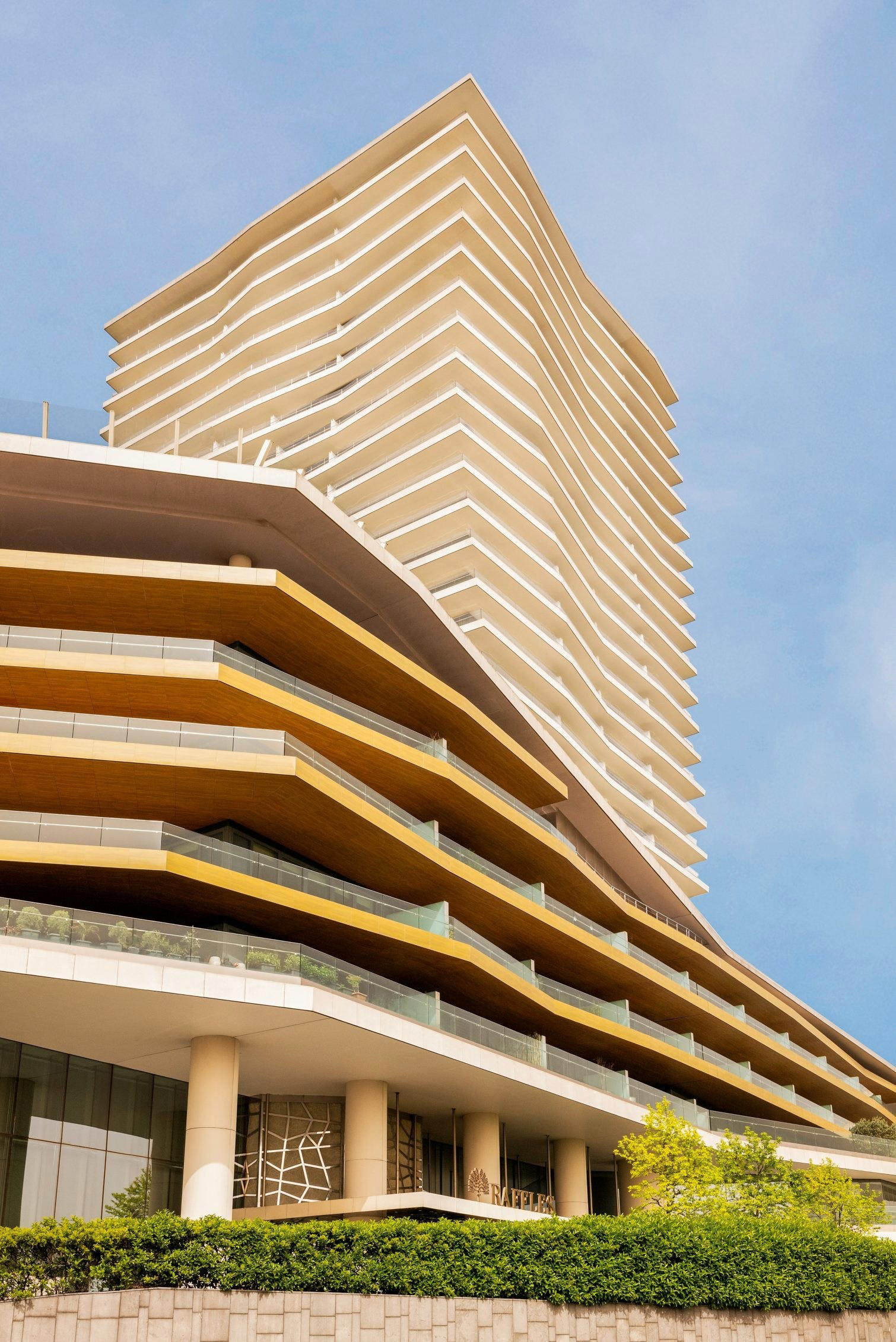
Zuma İstanbul is addressed to İstinye Park, the shopping and dining complex in the Sarıyer district on Istanbul's European shore. İstinye sits north of the Bosphorus's upper reaches, away from the dense historical core and closer to the newer wealth concentrated along the strait's waterfront. The address places it within a peer group of high-end international formats that have clustered around İstinye Park, giving the area a character distinct from the Beyoğlu and Karaköy dining corridors where much of Istanbul's independent restaurant scene has developed.
That location carries logistical implications. Visitors staying in Sultanahmet or along the traditional Bosphorus hotel strip should factor transfer time into their planning. The İstinye area is a different Istanbul from the one most short-stay visitors default to, and arriving without accounting for traffic, particularly on weekend evenings, risks a rushed experience. The reward is a setting with its own visual register and a room that operates as something of a departure from the city's older dining geography. For those who want to read Istanbul's contemporary dining map more completely, the contrast between the modern Turkish tables in Beyoğlu and an evening at İstinye is instructive in itself.
Across Turkey more broadly, premium dining has developed in distinctive regional directions. Kitchen By Osman Sezener in Bodrum, Narımor in Izmir, and 7 Mehmet in Antalya each reflect distinct coastal and interior approaches, while Ahãma in Göcek, Agora Pansiyon in Milas, and Aravan Evi in Ürgüp extend the map into less-trafficked formats. Zuma İstanbul sits at the international end of that spectrum, a point of reference for what the global contemporary Japanese format looks like when it operates inside a market this complex.
For the contemporary Japanese format in other global contexts, The Japanese Restaurant in Andermatt and Eika in Taipei represent how the cuisine category has developed across different climatic and cultural registers, each calibrating technique and atmosphere to a specific local set of expectations. Zuma İstanbul makes that same calibration, but within a city that has its own strong culinary identity to negotiate alongside the format's global consistency.
Planning a Visit
Zuma İstanbul sits in the ₺₺₺₺ price range, aligning it with Istanbul's leading modern Turkish tables and making it a considered rather than casual booking. Reservations are advisable, particularly for weekend evenings when the room's social character is at its fullest. The İstinye location rewards guests who treat the evening as destination dining rather than a convenient stop: allow time to arrive without rushing, and plan the full arc of the meal including the bar program, which is integral to the format rather than incidental to it. For a broader map of where to eat, drink, and stay across the city, the EP Club Istanbul restaurants guide, bars guide, hotels guide, wineries guide, and experiences guide map the city's premium circuit in full.
Cuisine and Credentials
Comparable options at a glance, pulled from our tracked venues.
| Venue | Cuisine | Price | Awards | Notes |
|---|---|---|---|---|
| Zuma İstanbulThis venue — the venue you are viewing | Japanese Contemporary | ₺₺₺₺ | Michelin Plate (2025); Michelin Plate (2024) | Not listed |
| Turk Fatih Tutak | Modern Turkish | Not listed | Michelin 2 Star | ₺₺₺₺ |
| Mikla | Modern Turkish, Mediterranean Cuisine | Not listed | Michelin 1 Star | ₺₺₺₺ |
| Neolokal | Modern Turkish, Turkish | Not listed | Michelin 1 Star | ₺₺₺₺ |
| Arkestra | Fusion | Not listed | Michelin 1 Star | ₺₺₺₺ |
| Nicole | Modern Turkish, Modern Cuisine | Not listed | Michelin 1 Star | ₺₺₺₺ |
Recognition history
Dated appearances from independent guides and award organizations, with the underlying list record or original source where available.
Gault & Millau Türkiye 2 Toques
Gault & Millau · Gault & Millau Türkiye 2026 - 2 Toques
Michelin Plate
Michelin
Michelin Plate
Michelin
At a Glance
- Elegant
- Sophisticated
- Modern
- Trendy
- Lively
- Date Night
- Business Dinner
- Special Occasion
- Open Kitchen
- Design Destination
- Craft Cocktails
- Sake Program
Current opening hours
- Monday
- 12 PM–1 AM
- Tuesday
- 12 PM–1 AM
- Wednesday
- 12 PM–1 AM
- Thursday
- 12 PM–1 AM
- Friday
- 12 PM–2 AM
- Saturday
- 12 PM–2 AM
- Sunday
- 12 PM–1 AM
Hours can change for holidays and private events. Last verified .
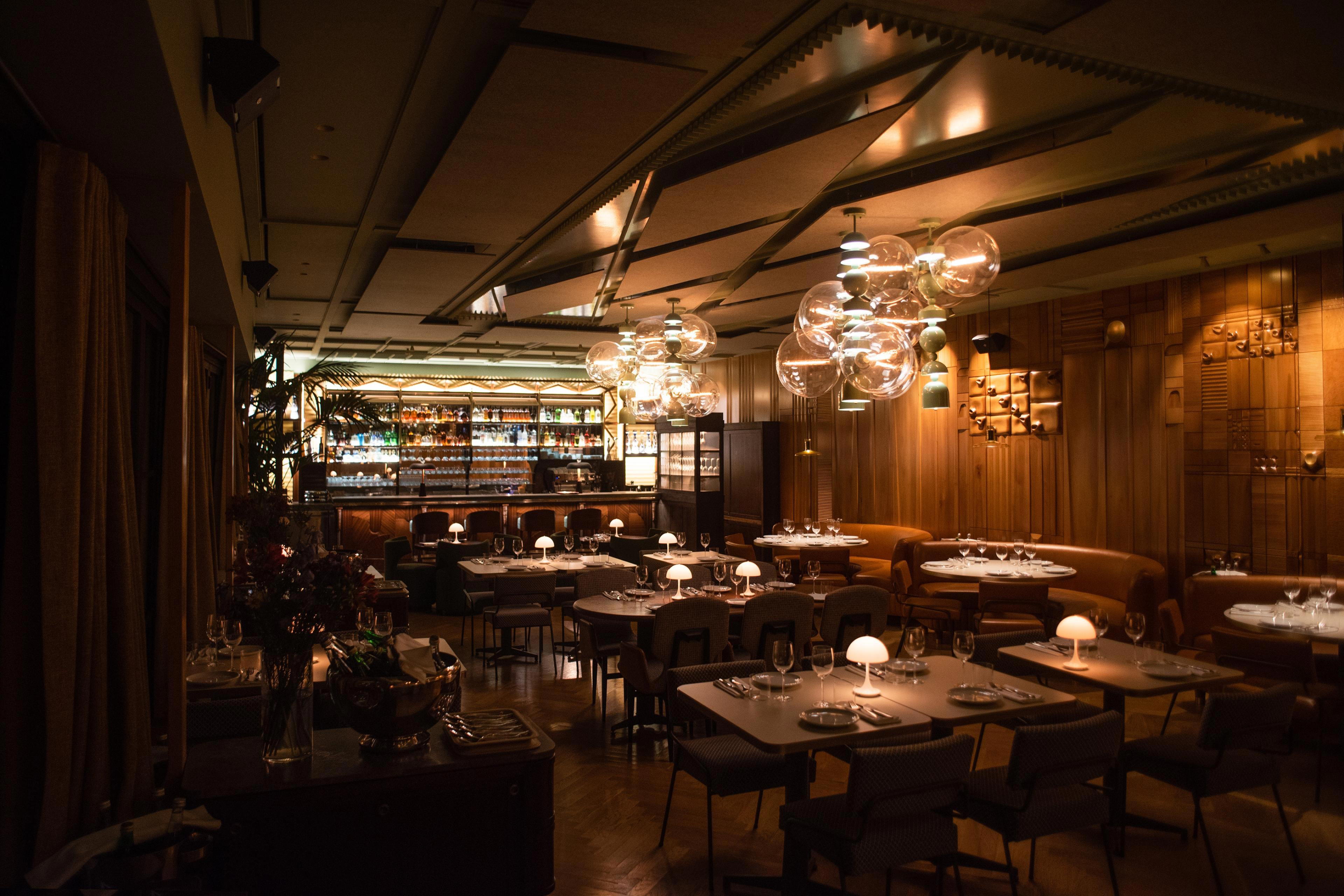
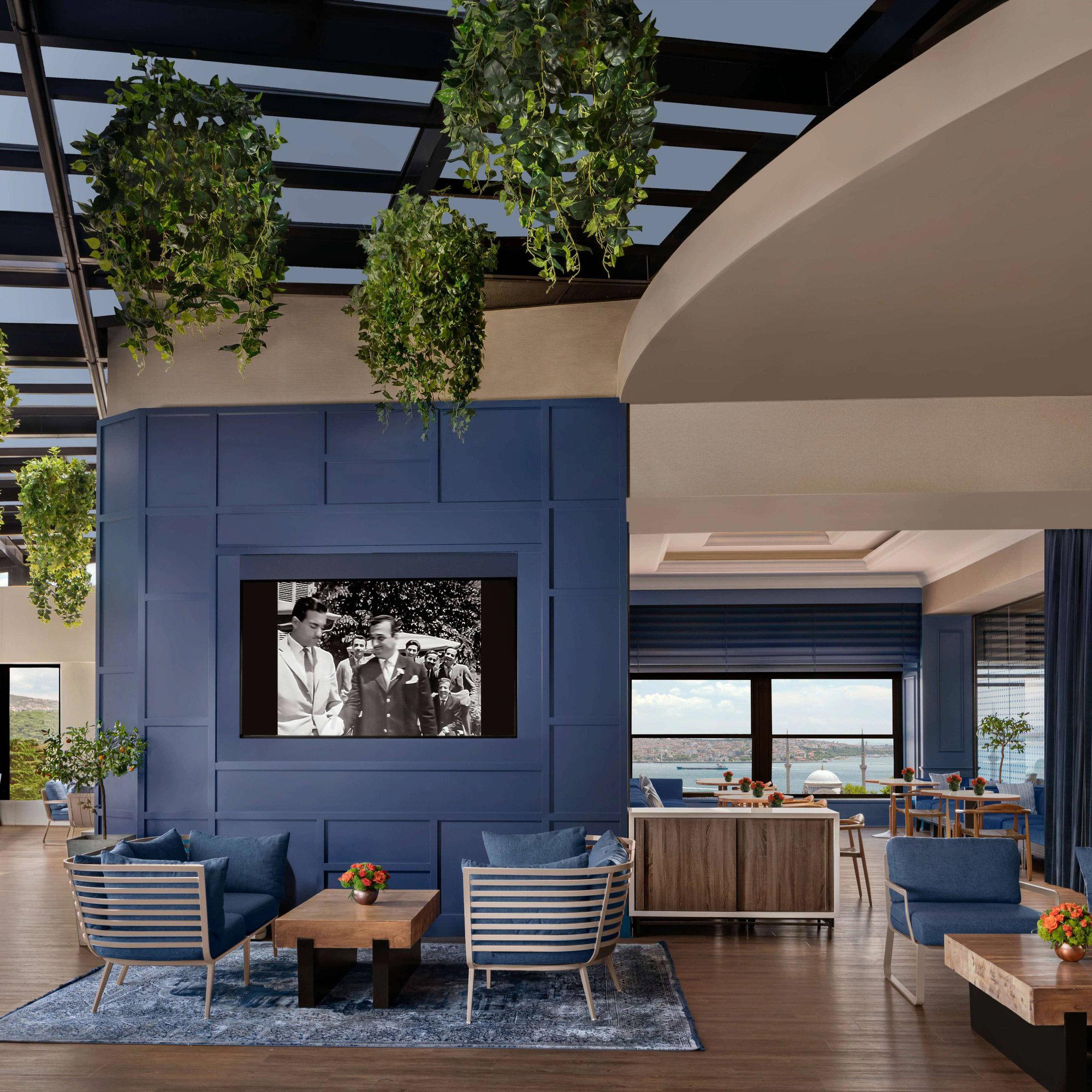
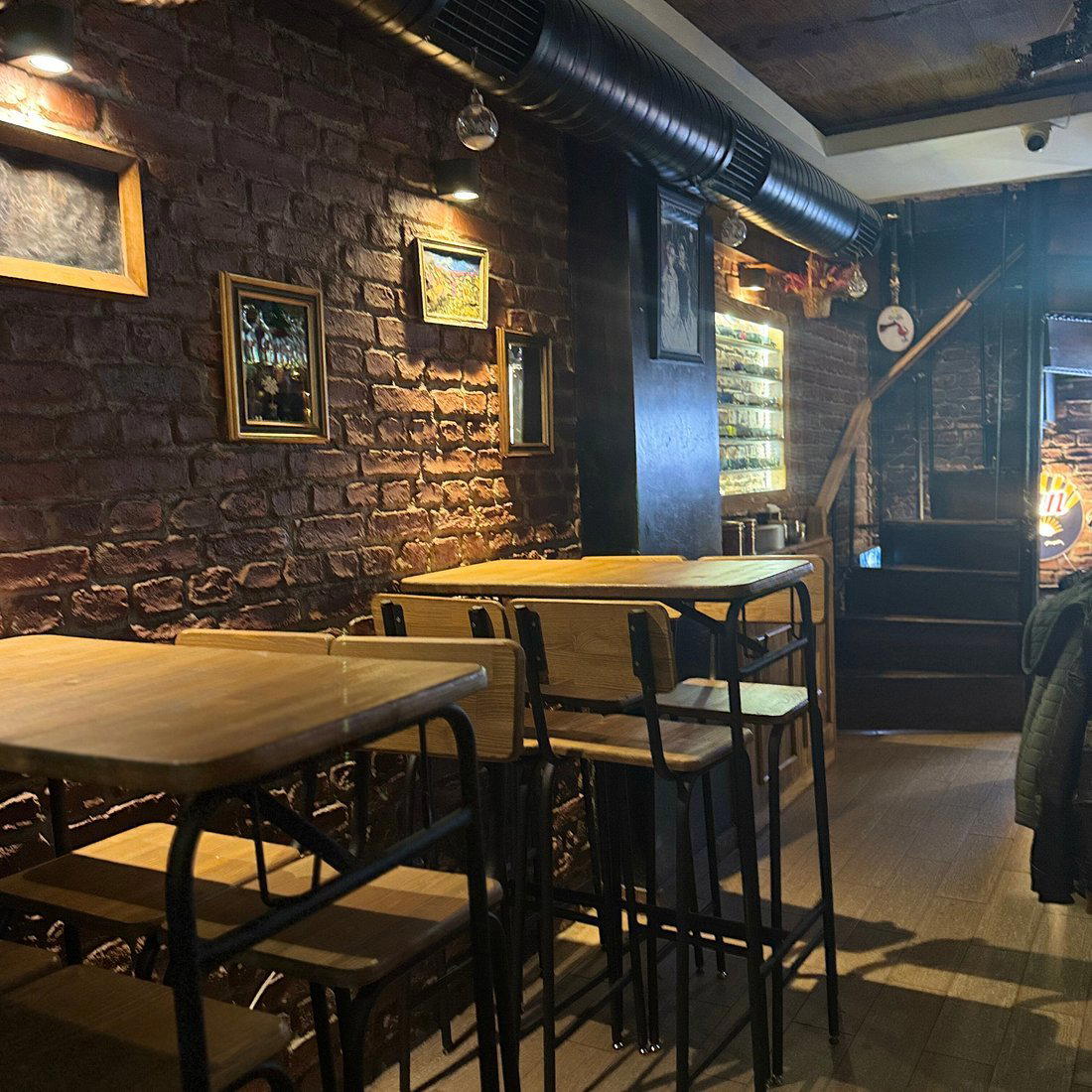
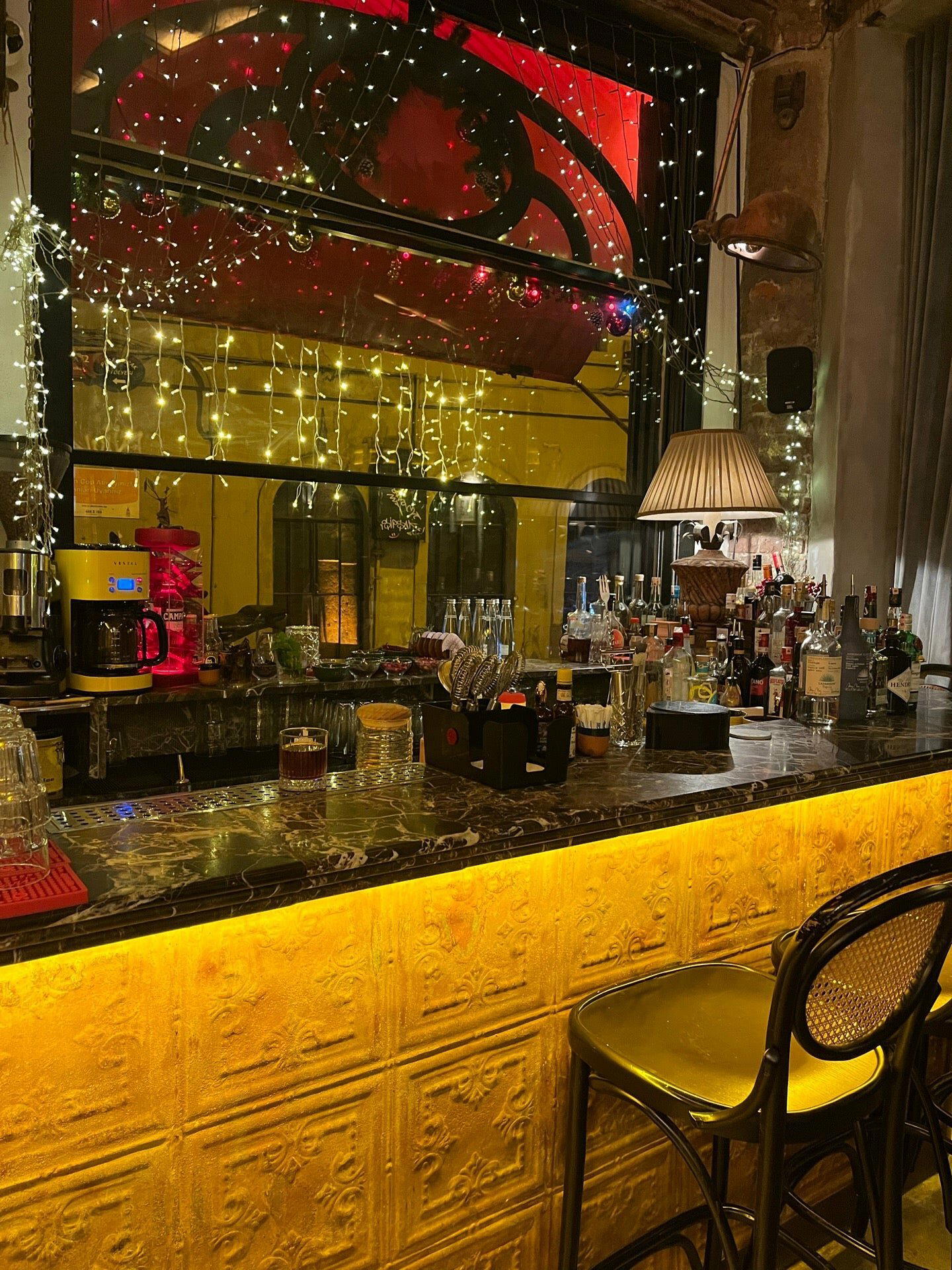
Sleek, stylish interior with low lighting, lounge music, chic decor featuring wood tables, low sofas, and design elements creating a laidback yet classy atmosphere.
Know Before You Go
- Getting there
- İstinye Mahallesi Bayır Çıkmazı, İstinye, park No:461, 34460 Sarıyer, Türkiye