A traditional Gasthaus on Inngasse in the heart of Kufstein's old town, zum chiligen Eck occupies the kind of low-ceilinged, stone-and-timber room that defines the Tyrolean neighbourhood tavern. The address places it within walking distance of the fortress and the Inn riverfront, making it a natural stop for visitors and locals alike seeking something grounded in the region's everyday dining culture.
Pearl is the En Primeur Club membership app — saves, bookings, and concierge access live there. Same editors, same standards.
- Address
- Inngasse 6, 6330 Kufstein, Austria
- Phone
- +436769768468
- Directions
- Get directions
 Saves & bookings on Pearl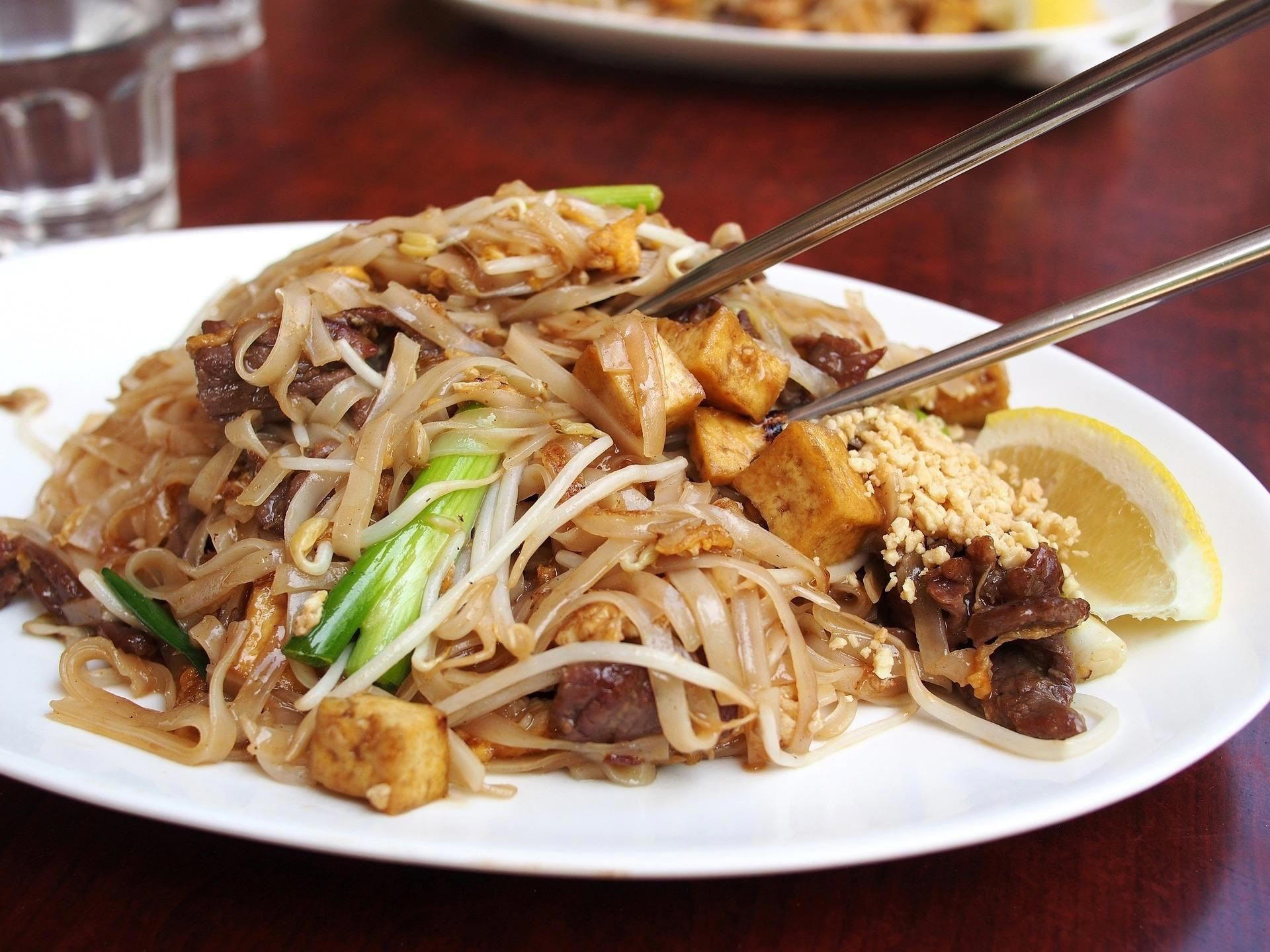
The Tyrolean Gasthaus in Its Natural Habitat
Kufstein sits at the northern tip of the Tyrolean Alps, where Austria meets Bavaria across the Inn River. It is a border town in a literal sense: the fortress above the old town has changed hands between Habsburg and Bavarian administrations more than once, and the local food culture carries that dual inheritance quietly. The Gasthaus, as a format, is the primary vessel for that history. Unlike the polished alpine restaurants of Lech or Ischgl, places like Griggeler Stuba in Lech or Stüva in Ischgl, the neighbourhood Gasthaus serves a different function entirely. It is a community anchor, a place where the same regulars occupy the same corner tables across seasons, and where the menu changes not with the whims of a head chef's creative program but with what the region produces and what the weather demands.
Zum chiligen Eck, on Inngasse 6 in Kufstein's old town, belongs to this tradition. The name itself, rendered in Tyrolean dialect, signals that this is a place with local roots and no particular interest in translating itself for outside audiences. Inngasse runs through the historic centre, close enough to the Inn riverbank and the shadow of the Festung Kufstein that the surrounding architecture provides the context before you've opened the door.
What the Room Tells You Before the Menu Arrives
The Gasthaus form has a physical grammar that persists across generations of Austrian provincial dining: low ceilings, wood-panelled walls, tables set close together, and a general absence of theatrical lighting or designed minimalism. These rooms are built for conversation and duration, not for the kind of performance-dining that a multi-course tasting menu implies. The approach puts zum chiligen Eck in direct contrast to Kufstein's more formal dining addresses. Across the spectrum represented by something like Tiroler Hof, which operates at the €€€ tier and carries the structural expectations of Austrian fine dining, the neighbourhood Gasthaus occupies a different price register and a different social function altogether.
In a small alpine town, that distinction matters. The mid-range Italian positioning of a place like MINUTE'S draws on Kufstein's appetite for European variety, while a venue such as Jay's House represents another format within the local scene. Zum chiligen Eck sits in none of those brackets. Its reference point is the Gasthaus tradition itself: unpretentious, caloric, regional.
Tyrolean Cuisine as Cultural Record
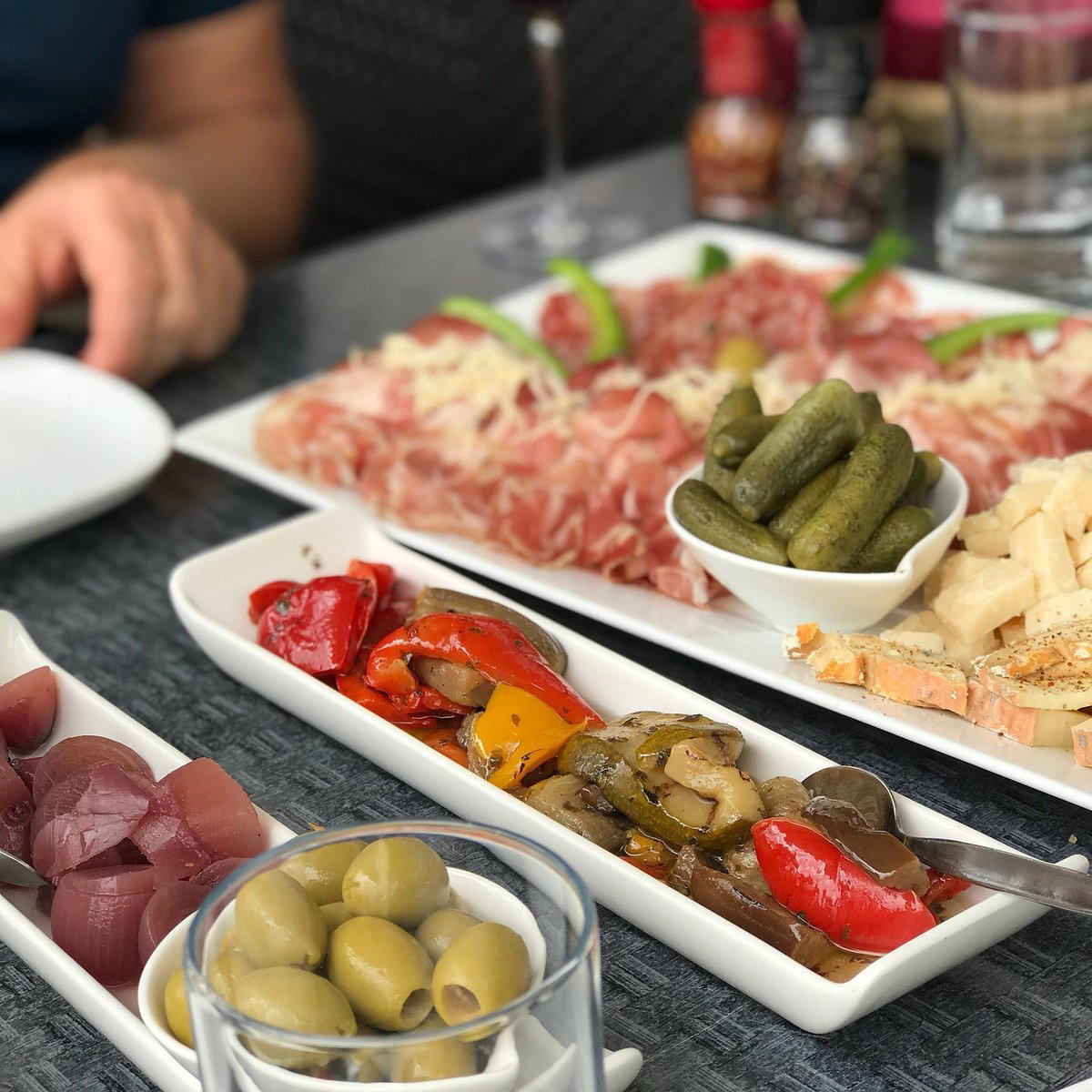
To understand what a Gasthaus like this serves, it helps to understand what Tyrolean cuisine actually is. It is mountain food, shaped by altitude, winter duration, and the economic logic of preservation. Speck, cold-smoked and air-dried pork, is the foundational charcuterie. Knödel, the bread or potato dumplings that appear across the southern German-speaking world, take a specifically Tyrolean form here, denser and more varied in their fillings than their Bavarian neighbours. Gröstl, a pan-fried mix of potatoes and leftover meat, is the region's answer to the question of what to do with yesterday's roast. These are not dishes that require a brigade kitchen or a sophisticated wine program. They require good fat, good smoke, and a kitchen that doesn't overcomplicate its material.
The Austrian culinary tradition at its highest register, represented elsewhere by restaurants such as Steirereck im Stadtpark in Vienna, Döllerer in Golling an der Salzach, or Obauer in Werfen, draws on the same root vocabulary but transforms it through technique and sourcing discipline. The Gasthaus makes no such transformation. The point is fidelity to the original, not refinement of it. This places the restaurant in a category that Austrian dining culture has always maintained alongside its fine dining tier: the everyday table, where the food is the food and the room is the room.
Further along the Austrian alpine arc, places like Gourmetrestaurant Tannenhof in Sankt Anton am Arlberg, Ikarus in Salzburg, Kräuterreich by Vitus Winkler in Sankt Veit im Pongau, and Landhaus Bacher in Mautern an der Donau all operate within the fine dining register. Schwarzer Adler in Hall in Tirol and Restaurant 141 by Joachim Jaud in Mieming represent the Tyrolean fine dining tradition at closer geographic proximity to Kufstein. Even Ois in Neufelden operates at a creative remove from the traditional Gasthaus format. The restaurant does not compete in any of those registers, which is precisely its structural position in the local dining ecosystem.
Planning a Visit
Kufstein's old town is compact enough that Inngasse 6 is walkable from the main train station, which sits on the direct line between Innsbruck and Munich, a route that makes Kufstein accessible as either a day stop or an overnight. The town draws hikers and cyclists in summer and skiers in winter, but unlike the higher-altitude resort towns, it functions year-round as a working community rather than a seasonal destination. That gives venues like zum chiligen Eck a steadier, more local patronage base than the resort-dependent restaurants further up the valley.
For readers whose frame of reference runs more toward global fine dining, whether that's Le Bernardin in New York City or Atomix in New York City, the Gasthaus register will read as a different form of dining, closer to the actual fabric of how Tyrolean people eat.
Budget and Context
Comparable venues nearby, for context on price, style, and recognition.
| Venue | Cuisine | Price | Awards | Notes |
|---|---|---|---|---|
| zum chiligen EckThis venue — the venue you are viewing | Kufstein center, Authentic Thai | $$ | Not listed | Not listed |
| Jay's House | Marktgasse, Chinese Fast Food & Sushi | $$ | Not listed | Not listed |
| MINUTE'S | Kufstein, Modern Italian Fine Dining | $$$$ | Michelin Plate | Not listed |
| Tiroler Hof | Not listed | $$$ | Michelin Plate | Am Rain, Creative Austrian Fine Dining & Tyrolean Tavern Classics |
| Thai-Li-Ba | Rathausgalerie, Thai-Chinese Fusion | $$ | Not listed | Not listed |
Continue exploring
More in Kufstein
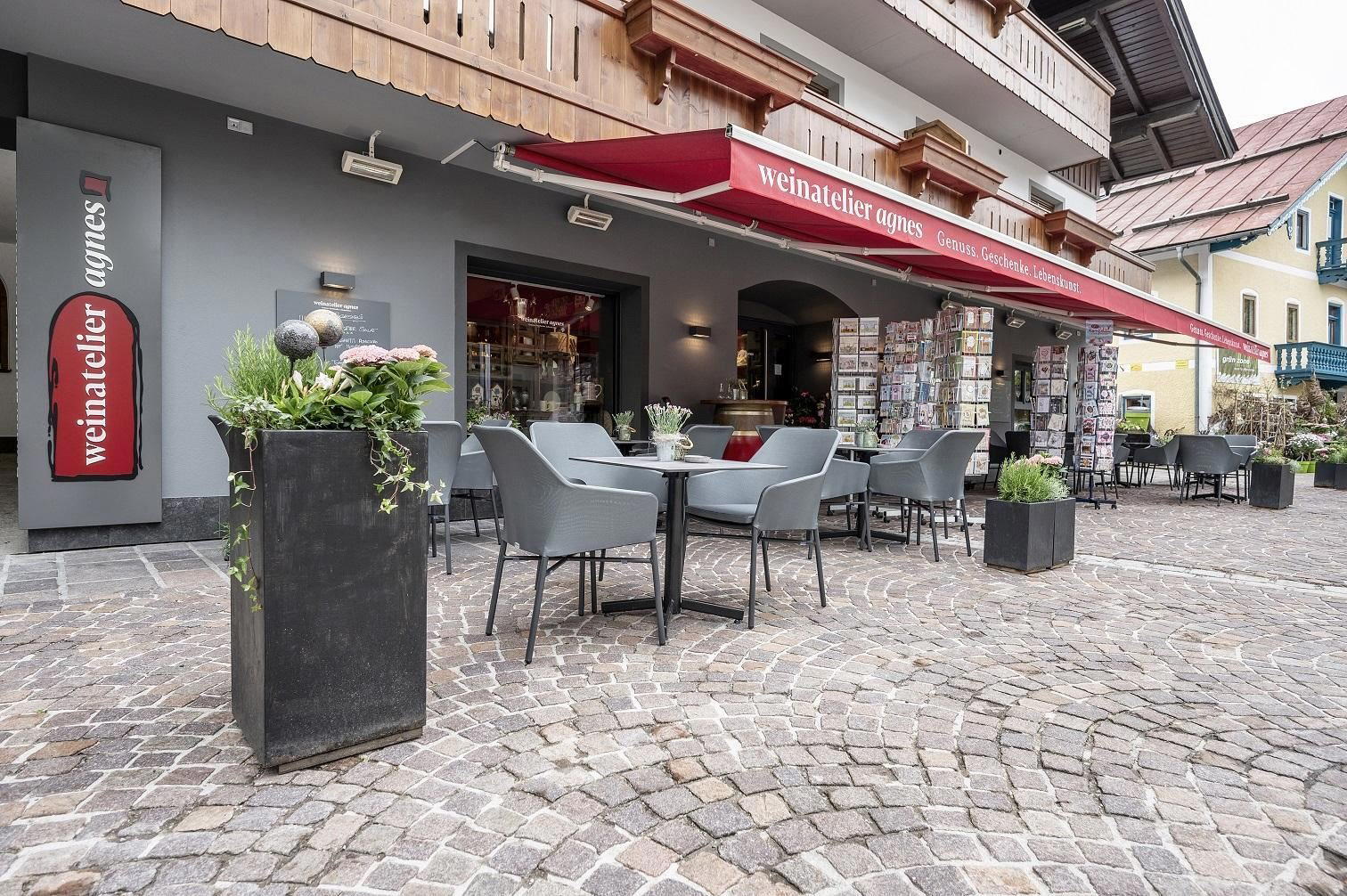
Restaurants in Kufstein
Browse all →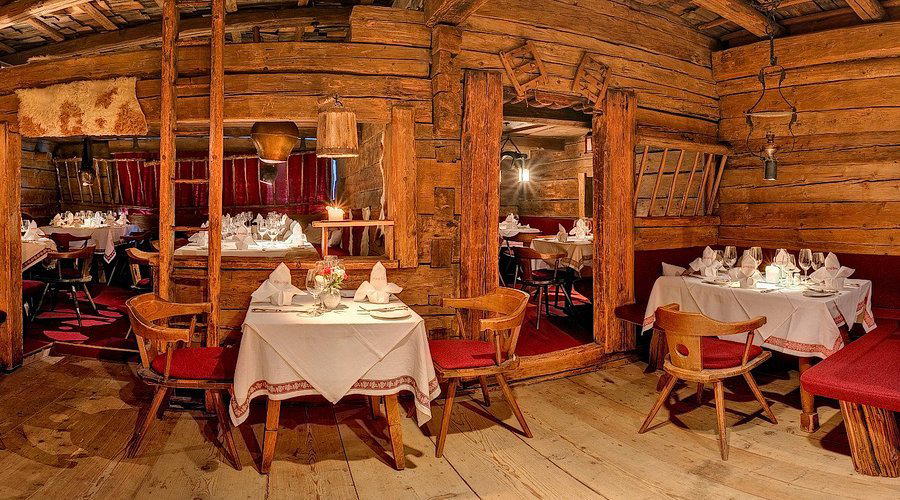
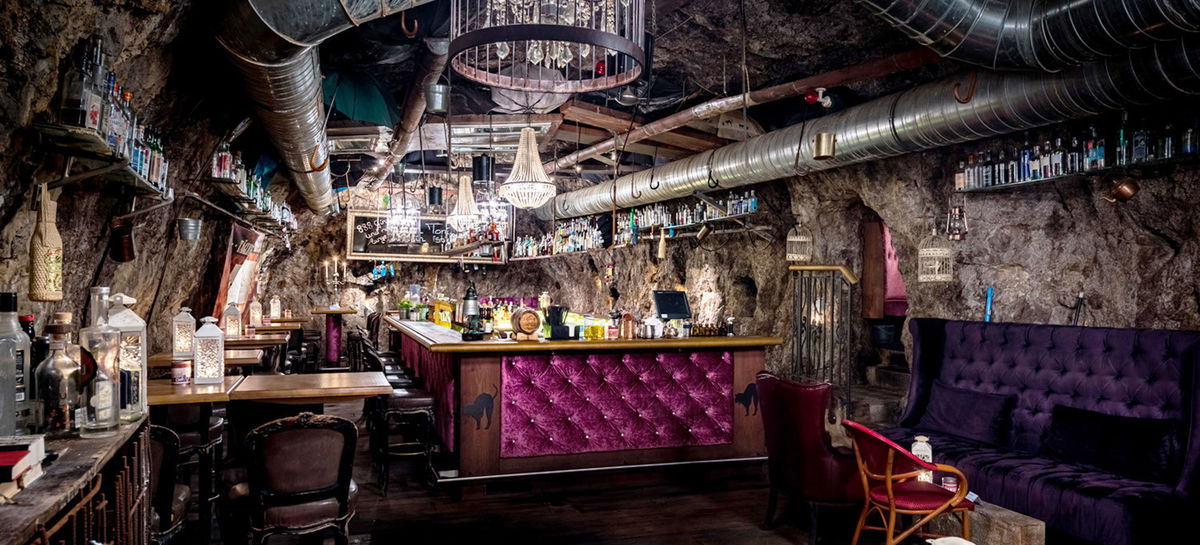
Bars in Kufstein
Browse all →
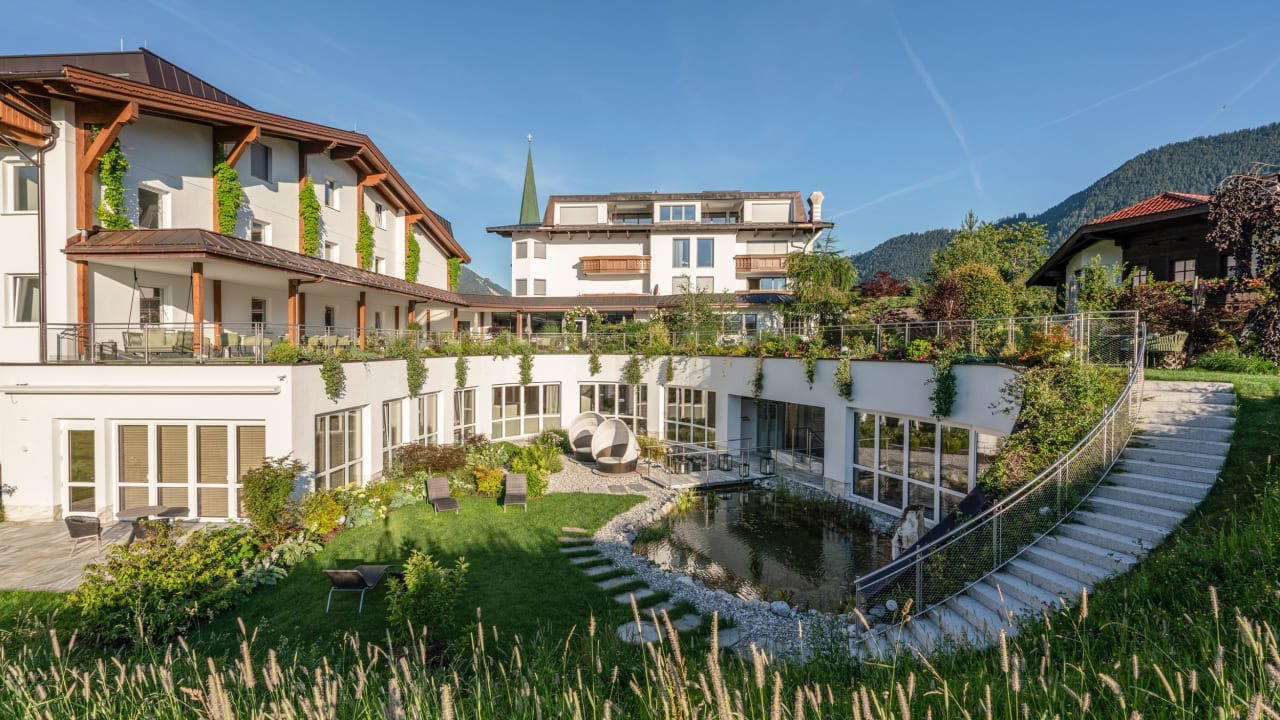
Hotels in Kufstein
Browse all →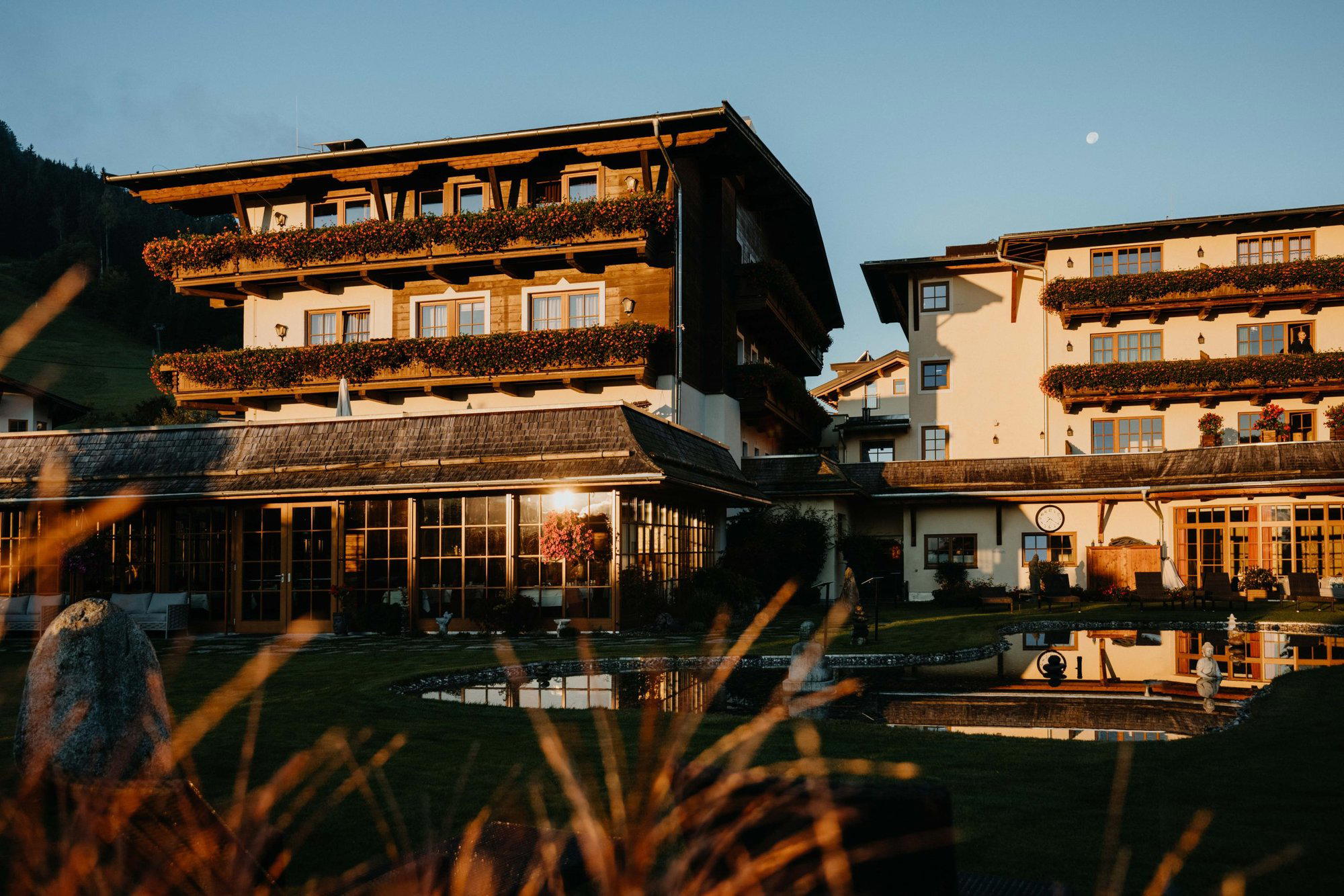

At a Glance
- Cozy
- Intimate
- Casual Hangout
- Standalone
Current opening hours
- Monday
- 11:30 AM–2 PM
- Tuesday
- 11:30 AM–2 PM, 5–8 PM
- Wednesday
- 11:30 AM–2 PM, 5–8 PM
- Thursday
- 11:30 AM–2 PM, 5–8 PM
- Friday
- 11:30 AM–2 PM, 5–8 PM
- Saturday
- Closed
- Sunday
- Closed
Hours can change for holidays and private events. Last verified .
Small, cozy restaurant with a gemütliche (cozy) atmosphere.