Zum Bauernhof
Zum Bauernhof occupies a farmhouse address on Dorfstrasse in Ulmiz, a small village in the canton of Fribourg where the agricultural hinterland of the Swiss Mittelland shapes what ends up on the plate. Rural Swiss dining at this register is defined less by formal credentials than by proximity to source: local producers, seasonal rhythms, and a kitchen rooted in the landscape it serves.
Pearl is the En Primeur Club membership app — saves, bookings, and concierge access live there. Same editors, same standards.
- Address
- Dorfstrasse 59, 3214 Ulmiz, Switzerland
- Phone
- +41317511009
- Website
- bauernhof-ulmiz.ch
- Directions
- Get directions
 Saves & bookings on Pearl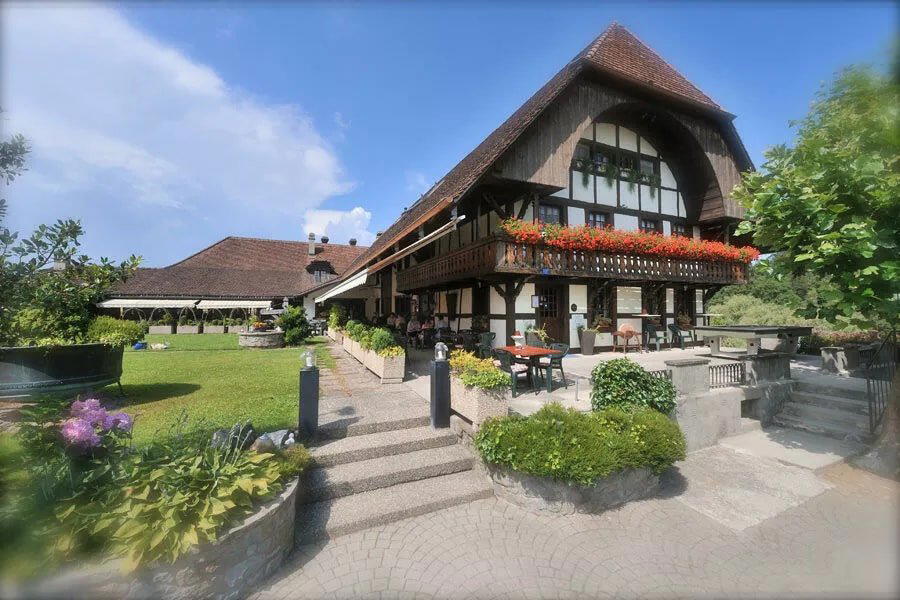
A Village Table in the Fribourg Mittelland
The approach to Ulmiz tells you something useful before you arrive at the table. The canton of Fribourg sits at the agricultural core of the Swiss Mittelland, a region where dairy farming, grain cultivation, and market gardening have shaped the local economy for centuries. Dorfstrasse, the village main street, is the kind of address where the distinction between farm and restaurant has historically been thin: a kitchen fed by what the surrounding land produces, without the mediation of a distribution chain. Zum Bauernhof, at number 59, occupies that tradition. The name itself, translating directly as "The Farm," signals a cooking orientation before any menu is read.
This matters because rural Swiss dining sits in a different register from the country's urban circuit. Places like Schloss Schauenstein in Fürstenau, Memories in Bad Ragaz, or focus ATELIER in Vitznau operate within a framework of formal tasting menus, structured service, and Michelin recognition. A farmhouse address in a village of a few hundred residents answers a different question entirely: what does Swiss cooking look like when the sourcing logic is geographic rather than curatorial?
The Sourcing Logic of the Mittelland
Fribourg's agricultural profile is not incidental to what a kitchen in Ulmiz can reasonably serve. The canton is the centre of Swiss Gruyère production, with the AOC designation anchoring a dairy tradition that runs through the valley farms surrounding the village. Pork, veal, and poultry from local holdings have historically supplied kitchens along this corridor. Root vegetables, brassicas, and seasonal greens from nearby smallholdings follow the calendar in a way that imported produce cannot replicate.
The ingredient-sourcing logic of a farmhouse kitchen is, at its most direct, a form of compression: the distance between field and plate is short enough that freshness is a structural condition rather than a selling point. This is the underlying claim of Bauernhof-style dining across the German-speaking Swiss interior, and it differentiates this category from the produce-theatre of destination restaurants, where sourcing stories are constructed after the fact. Here, the geography does the work.
That compression also means the menu follows the season more rigidly than a larger operation can afford to. Spring brings the first asparagus and young root vegetables from the Fribourg flatlands; autumn shifts toward game, mushrooms from the nearby Schwarzenburg forests, and the heavier grain-based preparations that characterise Mittelland winter cooking. A visitor expecting year-round consistency will find the opposite, and that is the point.
Where This Fits in Swiss Rural Dining
Switzerland's restaurant scene is frequently understood through its Michelin-starred tier, and that framing obscures a parallel tradition of serious, produce-driven cooking at rural addresses. The country's farmhouse and Landgasthof category has historically been the keeper of regional specificity: dishes, techniques, and ingredient combinations that do not translate to the tasting-menu format but are no less expressive of place. Maison Wenger in Le Noirmont and Magdalena in Schwyz each represent a version of this, where regional identity informs an refined format. Zum Bauernhof in Ulmiz operates closer to the original template: a village address, a farmhouse setting, and a kitchen defined by what the surrounding canton produces.
For those arriving from the broader Swiss dining circuit, the comparison set shifts accordingly. The reference points are not IGNIV Zürich by Andreas Caminada or La Table du Lausanne Palace, but rather the category of Swiss rural hospitality that has kept regional cooking legible across generations of urban drift. That category is worth taking seriously on its own terms.
Getting There and Planning Your Visit
Ulmiz is a small commune in the district of Gümmenen, roughly equidistant between Bern and Murten, both accessible by regional rail. The village is easiest to reach by car or pre-arranged transfer. Bern Hauptbahnhof sits approximately 25 kilometres to the northeast; Murten, on the edge of the lake of the same name, is closer to 10 kilometres. Visitors combining Zum Bauernhof with a broader Fribourg itinerary can reasonably pair it with time in Murten's medieval old town or a visit to the Gruyères valley further south.
Those building a multi-day Switzerland itinerary with a focus on serious dining should also consider Cheval Blanc by Peter Knogl in Basel, Colonnade in Lucerne, or Einstein Gourmet in Sankt Gallen for contrast in format and register.
Comparable Venues
Comparable venues nearby, for context on price, style, and recognition.
| Venue | Cuisine | Price | Notes |
|---|---|---|---|
| Zum BauernhofThis venue — the venue you are viewing | Swiss Farmhouse Steakhouse | $$ | Not listed |
| Restaurant Röschtigrabe | Swiss Regional | $$ | Rotes Quartier |
| Café Postgasse | Traditional Swiss Comfort Food | $$ | Weisses Quartier |
| Mascotte | Nightlife Venue Bar | $$ | Fluntern |
| Parkbistro | Casual Park Bistro | $$ | Kurpark |
| Rebe | Swiss Cordon Bleu Specialty | $$ | Neftenbach |
Continue exploring
More in Ulmiz
Restaurants in Ulmiz
Browse all →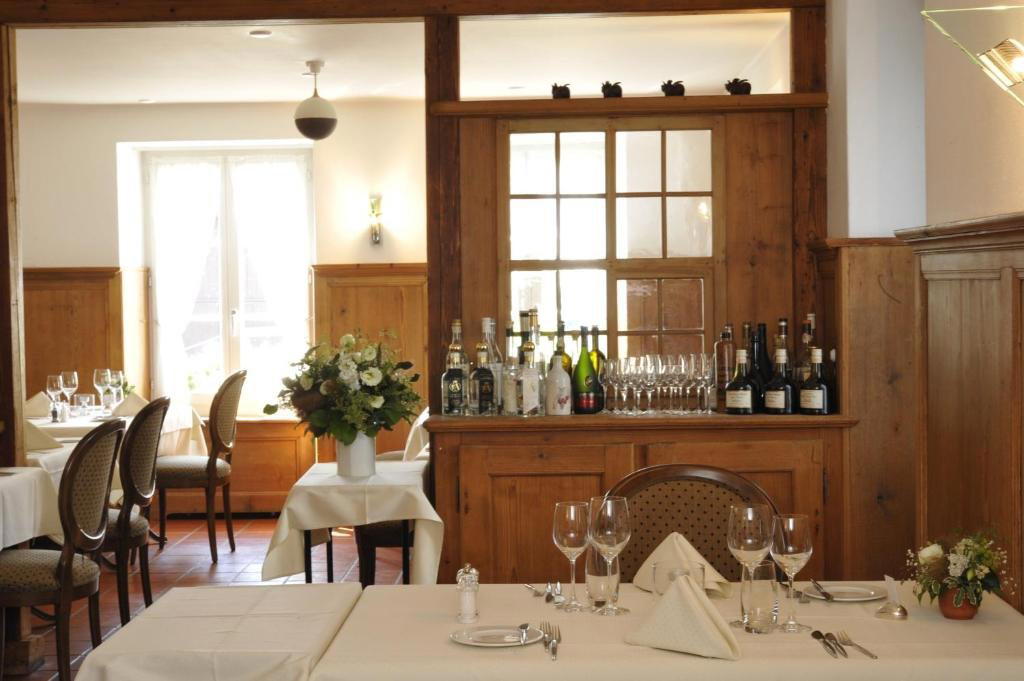
At a Glance
- Rustic
- Cozy
- Family
- Group Dining
- Casual Hangout
- Garden
- Terrace
- Local Sourcing
- Garden
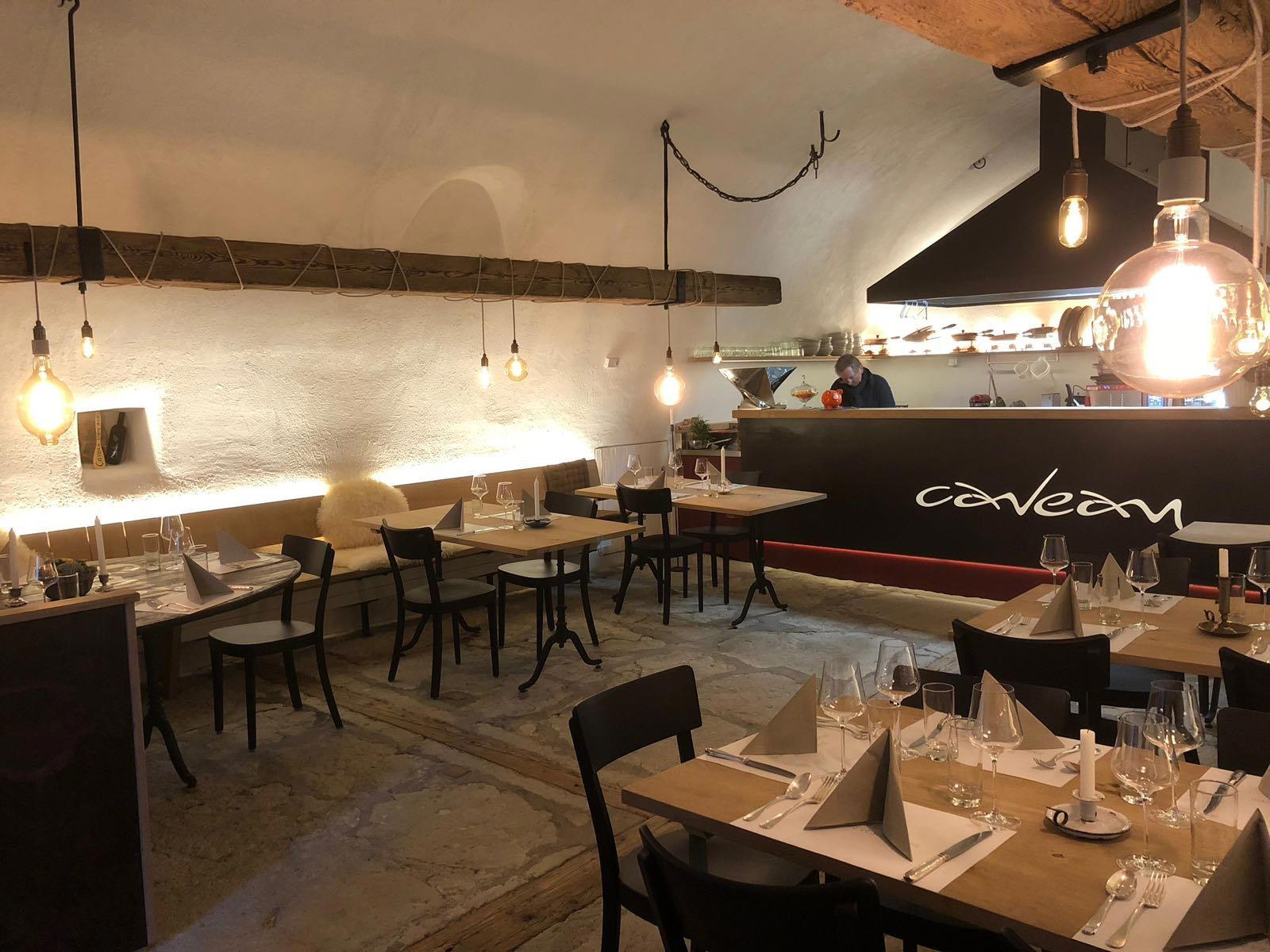
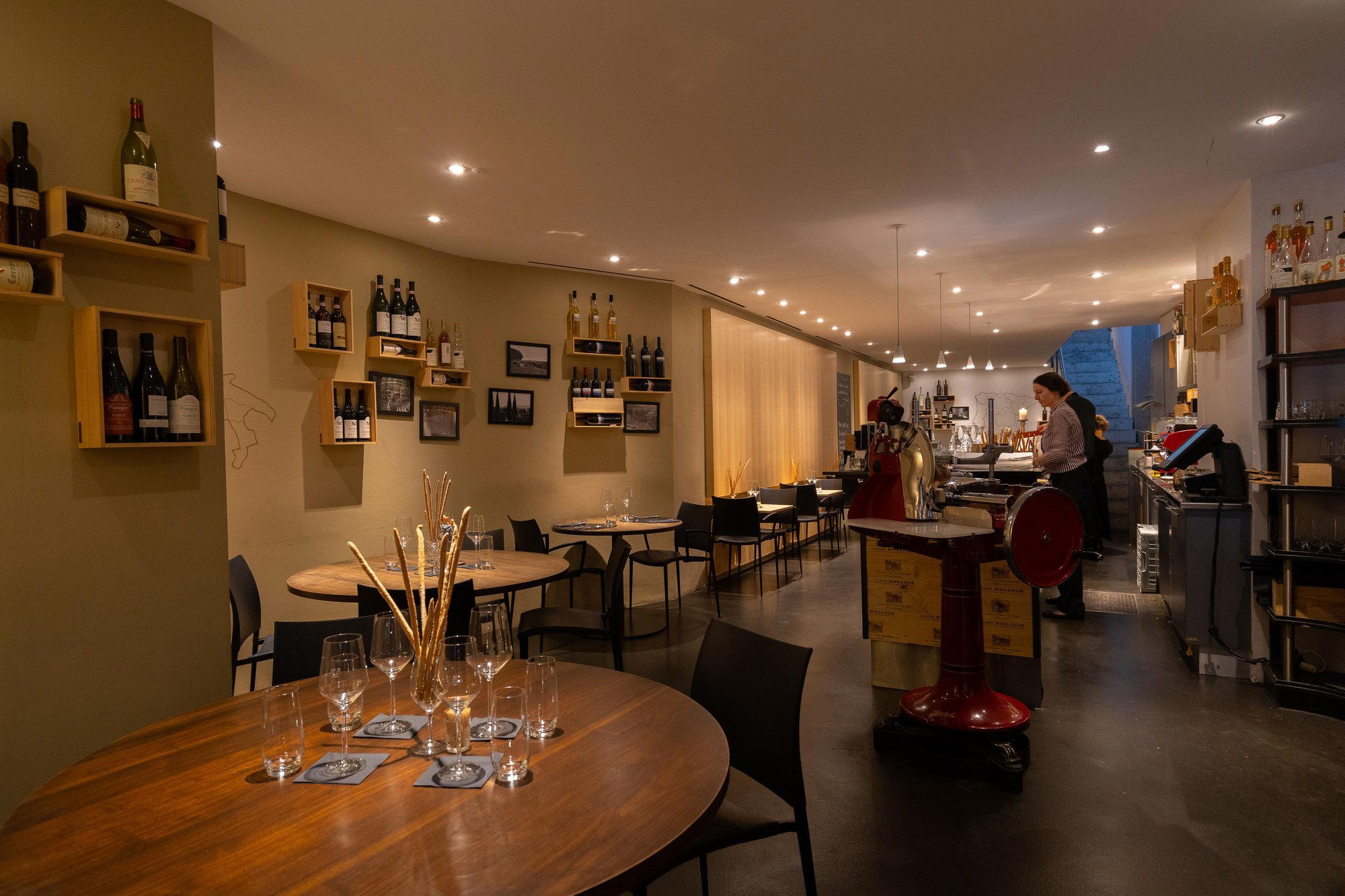
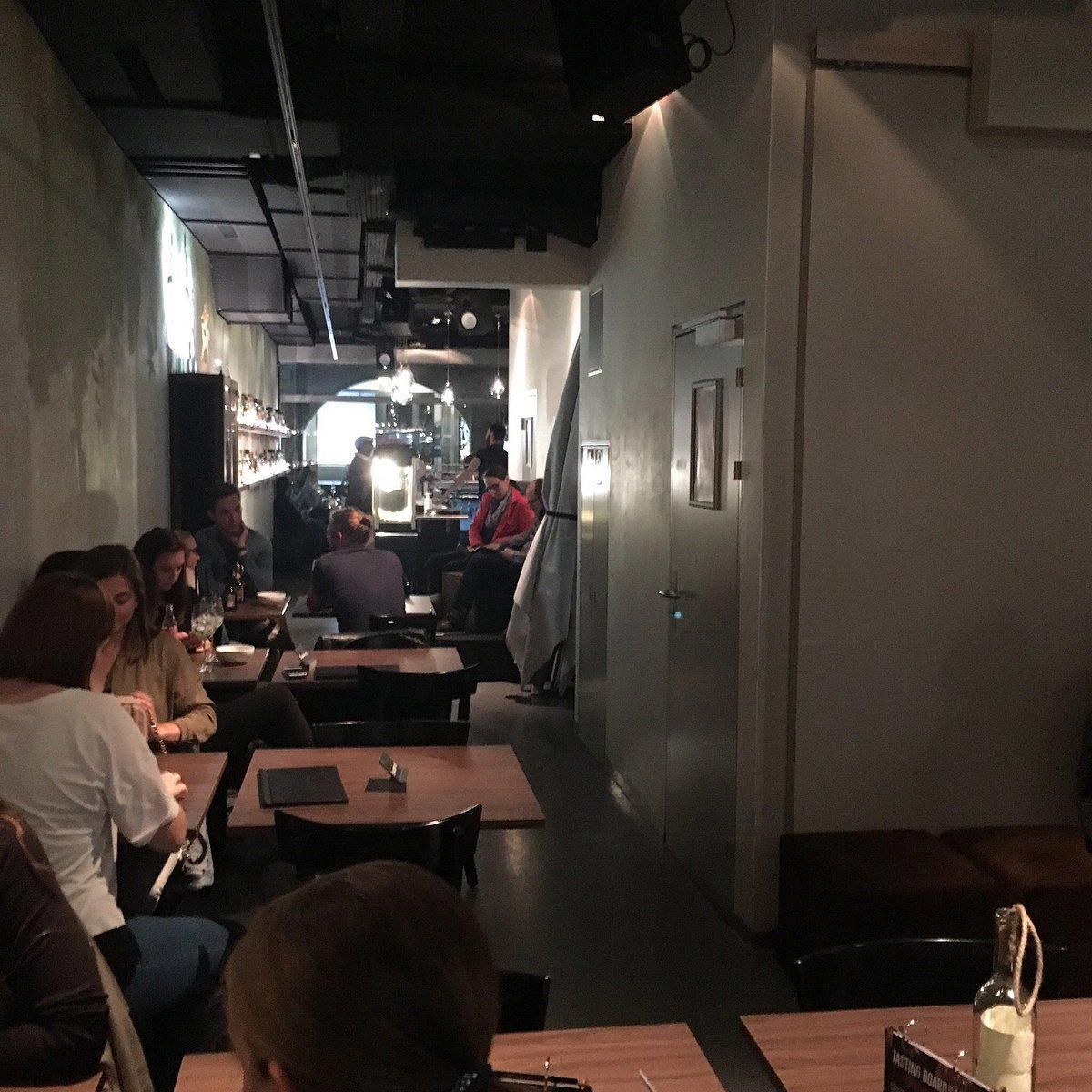
Cozy rural idyll with lovingly designed rooms and a large garden, conveying real cosiness where young and old feel at home.