Zhi Wei Cafe

Michelin Plate
Our verdict
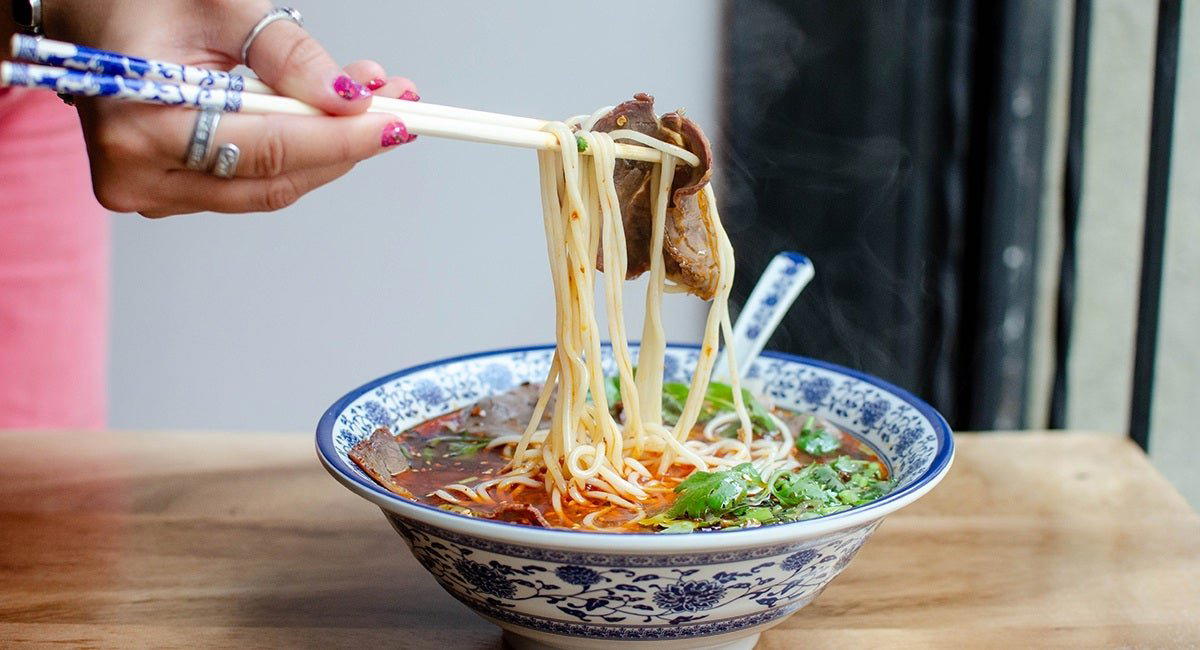
On a quiet block in Boston's Leather District, Zhi Wei Cafe is one of the city's most focused destinations for Lanzhou-style hand-pulled noodles. The kitchen runs a continuous operation throughout the day, pulling and stretching dough to order. The beef noodle soup, built on a deep broth with tender beef, daikon, and chili oil, is the dish to order.

Pearl is the En Primeur Club membership app — saves, bookings, and concierge access live there. Same editors, same standards.
The menu
What to order
- Lanzhou Beef Noodle Soup
- Handmade Soup Dumplings
- Hand-pulled Lamb Chops
A Noodle Counter on the Edge of Chinatown
South Street in Boston's Leather District sits at the quiet margin where the Financial District's glass towers thin out and the original Chinatown blocks begin. The street itself doesn't announce much: low-rise commercial buildings, a stretch of sidewalk that moves at a different pace than the rest of downtown. Zhi Wei Cafe occupies that setting with the understated confidence of a place that doesn't need foot traffic to survive on reputation. The sound reaches you before the signage does — a rhythmic whack and thud emanating from the kitchen, the sound of dough being worked against a floured board throughout service. In a city where most restaurant kitchens operate behind closed doors, that acoustic transparency signals something about how this place is run.
The Physical Container
Lanzhou noodle shops in China, and increasingly in diaspora communities across North America, tend toward a functional austerity: hard surfaces, open kitchens, seating arrangements built for throughput rather than lingering. The design logic is inseparable from the product. When the kitchen is producing noodles continuously to order, the room is organized around that production. Tables are positioned practically. The kitchen process, visible and audible, becomes the ambient feature of the space rather than an afterthought. Zhi Wei follows that template on South Street, a room where the noodle-pulling operation is the architecture's focal point by default. You're not eating around the kitchen — you're eating because of it.
This stands in contrast to the broader trajectory of Boston's dining scene, where restaurants at every price point have invested heavily in designed interiors and curated atmospheres. Places like Bar Mezzana and Bar Volpe reflect a city increasingly comfortable with studied aesthetics. Zhi Wei operates from a different premise entirely: the spatial experience is the noodle-making, and everything else is secondary to that.
Lanzhou in Boston
Lanzhou beef noodle soup is one of China's most widely eaten dishes. The city of Lanzhou in Gansu province is credited with the originating form, and the dish has dispersed across mainland China and into diaspora communities worldwide in a way that few regional Chinese dishes have managed. Its construction involves a clear, typically beef-bone broth, hand-pulled noodles formed to a customer's preferred thickness, sliced beef, white radish (daikon), and chili oil. The parameters are tight, which means quality differences between kitchens are immediately apparent. The broth either has depth and layered seasoning or it doesn't. The noodles are either correctly tensioned and cooked through or they aren't. There's nowhere to hide.
Boston's Chinese restaurant scene is anchored primarily in the Chinatown district, where Cantonese and Fujianese cooking have historically dominated. Regional Chinese representation from further inland, including the northwestern traditions that produced Lanzhou noodles, is considerably thinner. That relative scarcity makes Zhi Wei's specialization more significant on the local map than it might be in a city like Flushing or the San Gabriel Valley, where Lanzhou shops compete alongside dozens of other regional formats.
The Beef Noodle Soup
The signature dish at Zhi Wei is the beef noodle soup, and by the account available it delivers on the expectations the format demands. The broth reads as deep and soulful, the kind of result that comes from long extraction and careful seasoning rather than shortcuts. Tender slices of beef and daikon populate the bowl alongside the hand-pulled noodles, and a layer of chili oil sits across the surface, contributing bittersweet heat that complicates the broth without overwhelming it. The chili oil is the seasoning decision that separates a careful kitchen from a careless one: applied correctly, it integrates into the broth and changes across the bowl as you eat through it; applied incorrectly, it sits on leading and tastes only of fat and heat.
Stir-fried noodles also appear on the menu and are worth ordering alongside the soup. The same hand-pulled dough that goes into the soup takes on a different character when hit with high heat in a wok, picking up char and a different textural register than the softer, broth-cooked version.
For context on where this dish sits in the wider hierarchy of American dining, consider that Boston also holds a high-format omakase counter, well-regarded raw bar operations like Bar Mezzana, and the white-tablecloth institution Abe and Louie's. Nationally, the premium end of the dining spectrum runs from Le Bernardin in New York City to The French Laundry in Napa and Alinea in Chicago. Zhi Wei operates nowhere near those price points or formats, and that's the point. The case for it sits entirely in craft execution within a tightly defined tradition, the same category of argument you'd make for a specialist ramen shop in Tokyo or a hand-roll counter in Los Angeles.
Getting There and When to Go
The address is 104 South Street, in the Leather District between Downtown Crossing and the edge of Chinatown. The neighborhood is walkable from multiple MBTA stops. Phone and website information isn't available through EP Club's database at this time, which makes confirming current hours more difficult, walking by or checking current listings directly is advisable before making a special trip. Given the nature of the kitchen operation, arriving at off-peak hours may offer a better look at the noodle-pulling process at full pace.
For broader Boston planning, EP Club's full Boston restaurants guide covers the city's dining range across neighborhoods and price tiers. The Boston hotels guide, bars guide, wineries guide, and experiences guide cover the rest of the city's premium layer.
For those tracking the American regional Chinese dining scene more broadly, parallels exist at the higher-format end in cities like New York, where Korean-American fine dining at places like Atomix and the Italian luxury of 8½ Otto e Mezzo Bombana in Hong Kong demonstrate how deeply regional culinary traditions can translate into serious dining experiences when given the right platform. Zhi Wei makes that argument on a smaller, more direct scale: a specialist kitchen, a specific tradition, executed without distraction.
Frequently asked questions
What kind of setting is Zhi Wei Cafe?
What do people recommend at Zhi Wei Cafe?
Does Zhi Wei Cafe work for a family meal?
Recognition Snapshot
Comparable venues nearby, for context on price, style, and recognition.
| Venue | Cuisine | Price | Awards | Notes |
|---|---|---|---|---|
| Zhi Wei CafeThis venue — the venue you are viewing | Lanzhou Hand-Pulled Noodles | $10–20 | Michelin Plate | Not listed |
| Victoria Seafood | Authentic Cantonese Seafood | Not listed | Not listed | Allston |
| Gene's Chinese Flatbread Cafe | Xi'an Hand-Pulled Noodles | $10–20 | Not listed | Downtown Crossing |
| Carmelina's | Modern Sicilian-Italian Pasta | $30–50 | Michelin Plate | North End |
| South Street Diner | Classic American Diner | $10–20 | Not listed | Leather District |
| China Pearl | Authentic Cantonese Dim Sum & Banquet | $20–30 | Not listed | Chinatown |
Recognition history
Dated appearances from independent guides and award organizations, with the underlying list record or original source where available.
Michelin Plate
Michelin
Continue exploring
More in Boston
Restaurants in Boston
All restaurants in Boston →
Bars in Boston
All bars in Boston →


Details
- Cozy
- Modern
- Casual Hangout
- Family
- Open Kitchen
- Street Scene
- A La Carte
Current opening hours
- Monday
- 11:30 a.m.–9 p.m.
- Tuesday
- 11:30 a.m.–9 p.m.
- Wednesday
- 11:30 a.m.–9 p.m.
- Thursday
- 11:30 a.m.–9 p.m.
- Friday
- 11:30 a.m.–9:30 p.m.
- Saturday
- 11:30 a.m.–9:30 p.m.
- Sunday
- 12–9 p.m.
Hours can change for holidays and private events. Last verified .
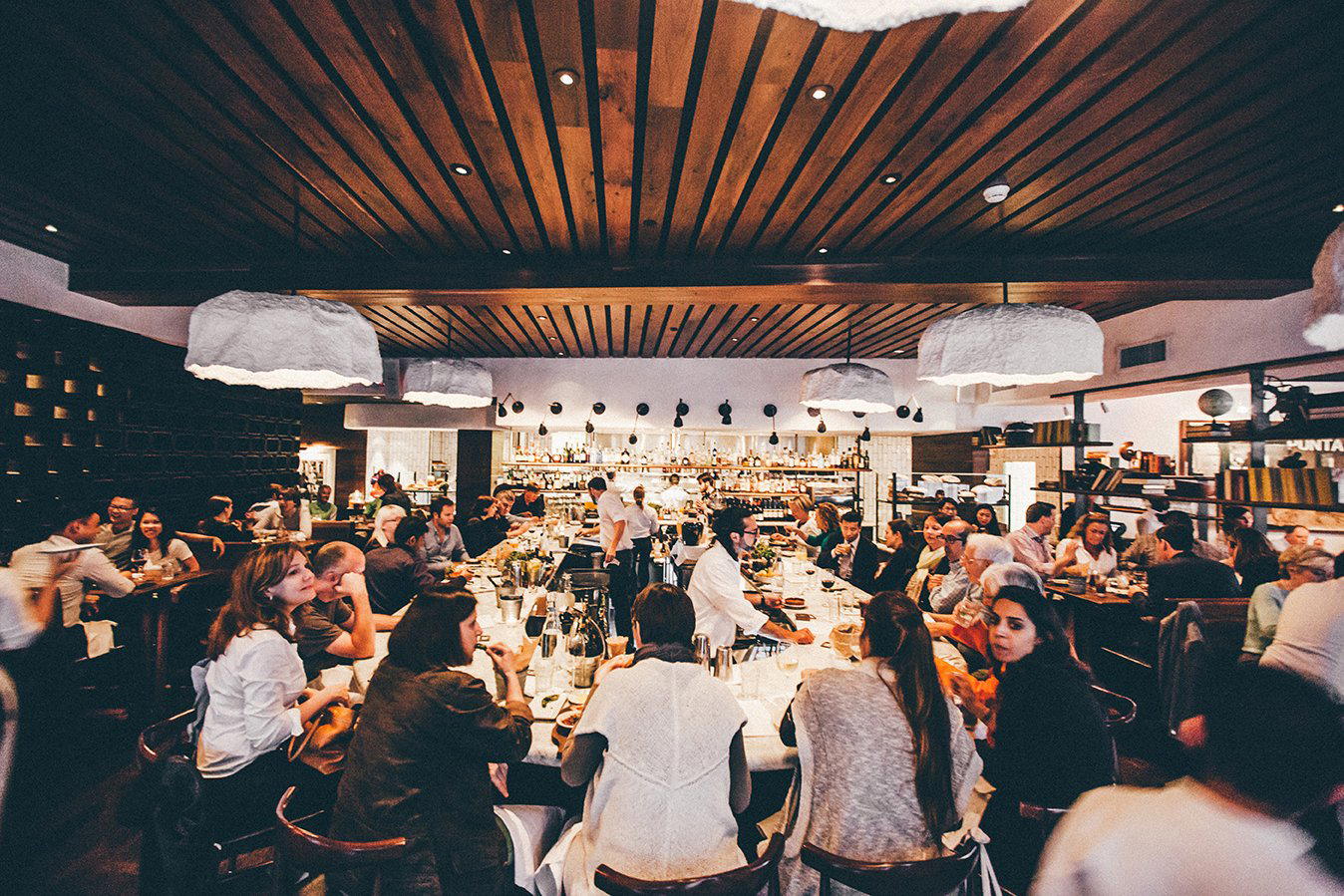
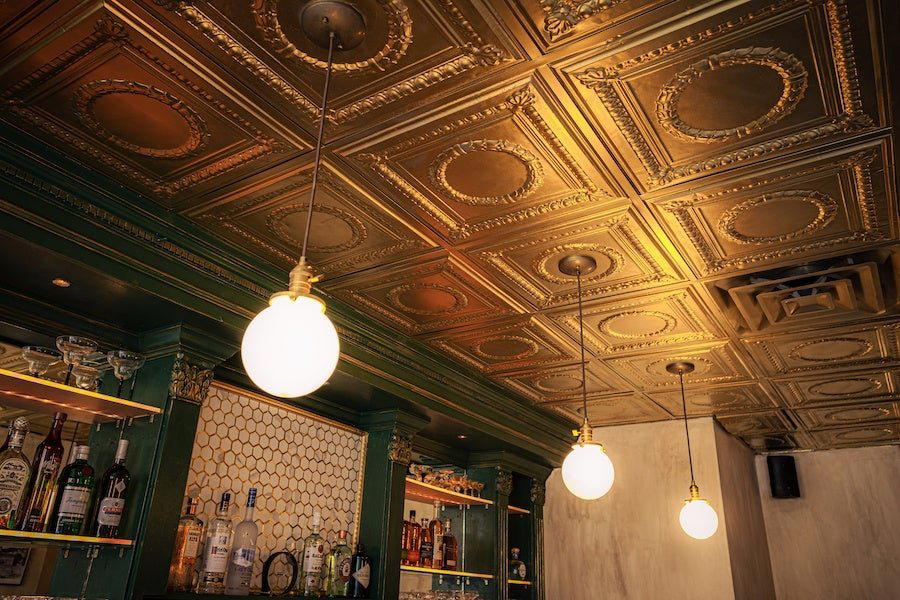
Clean, pleasant atmosphere with sleek wooden accents, spacious seating, and a sunny mezzanine offering street views.