Zelai Txiki



Michelin Plate · Macarfi 7.7 Food Rating · Guía Repsol 1 Sol
Our verdict
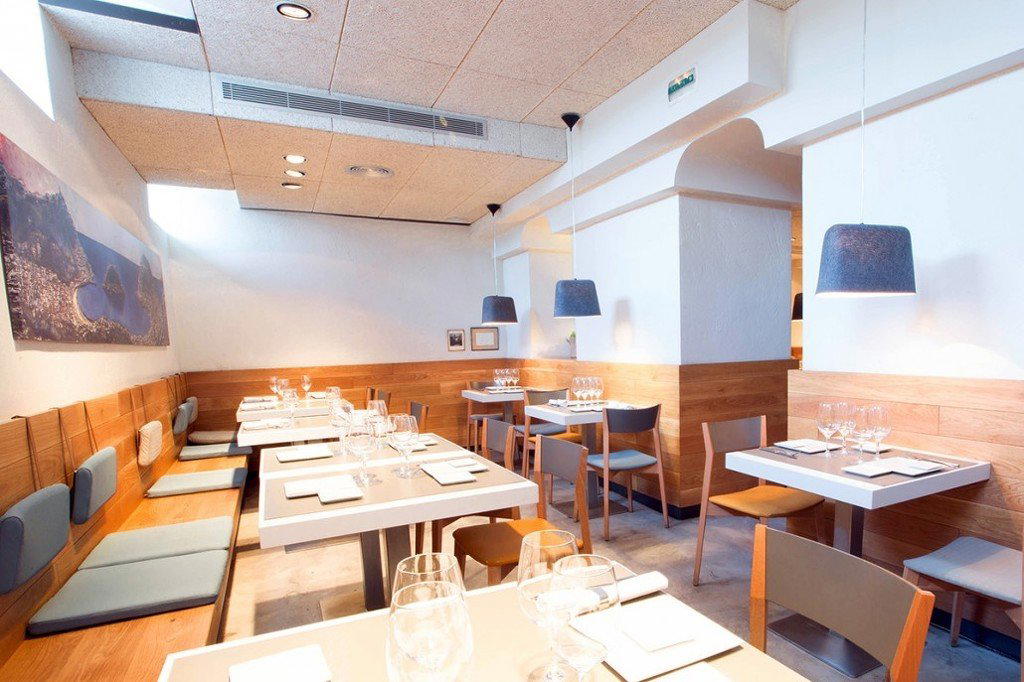
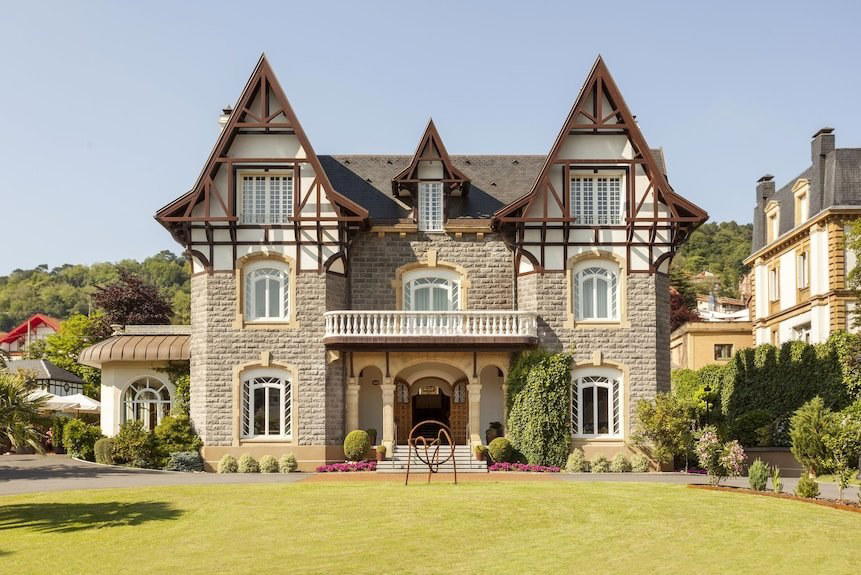
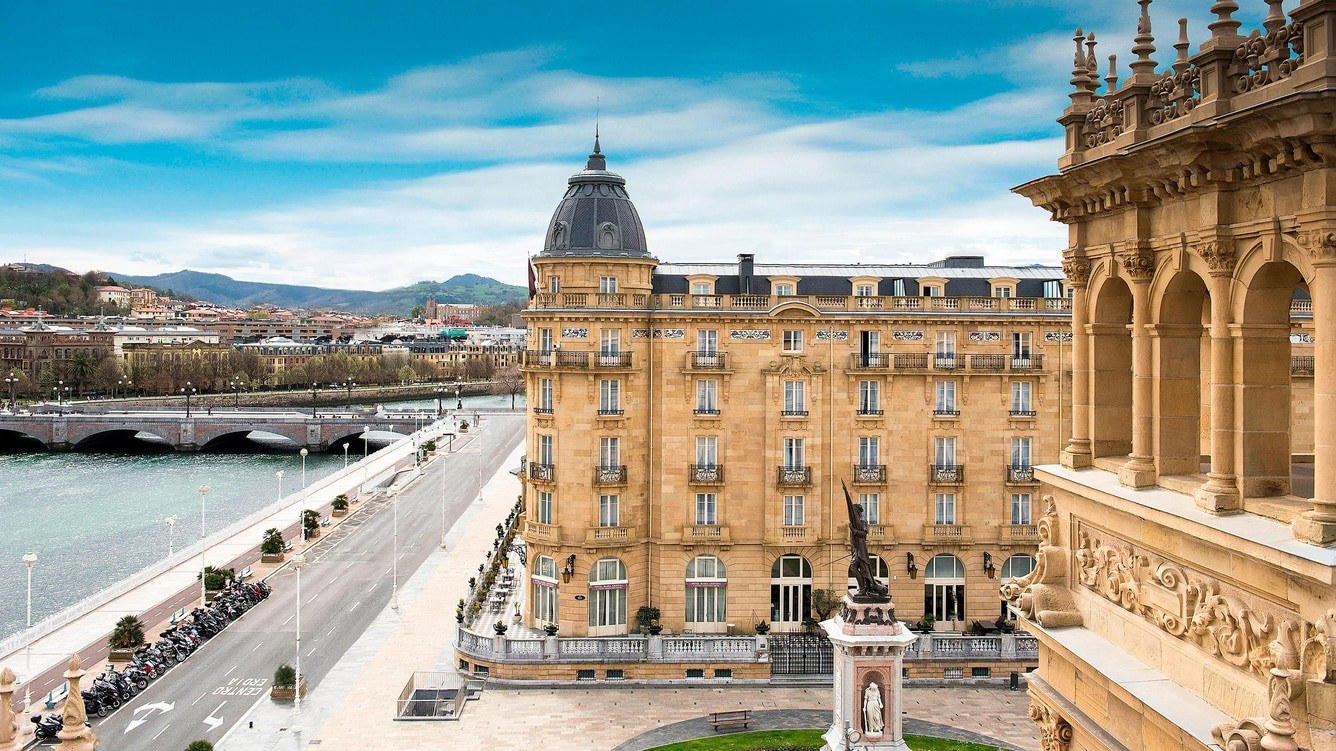
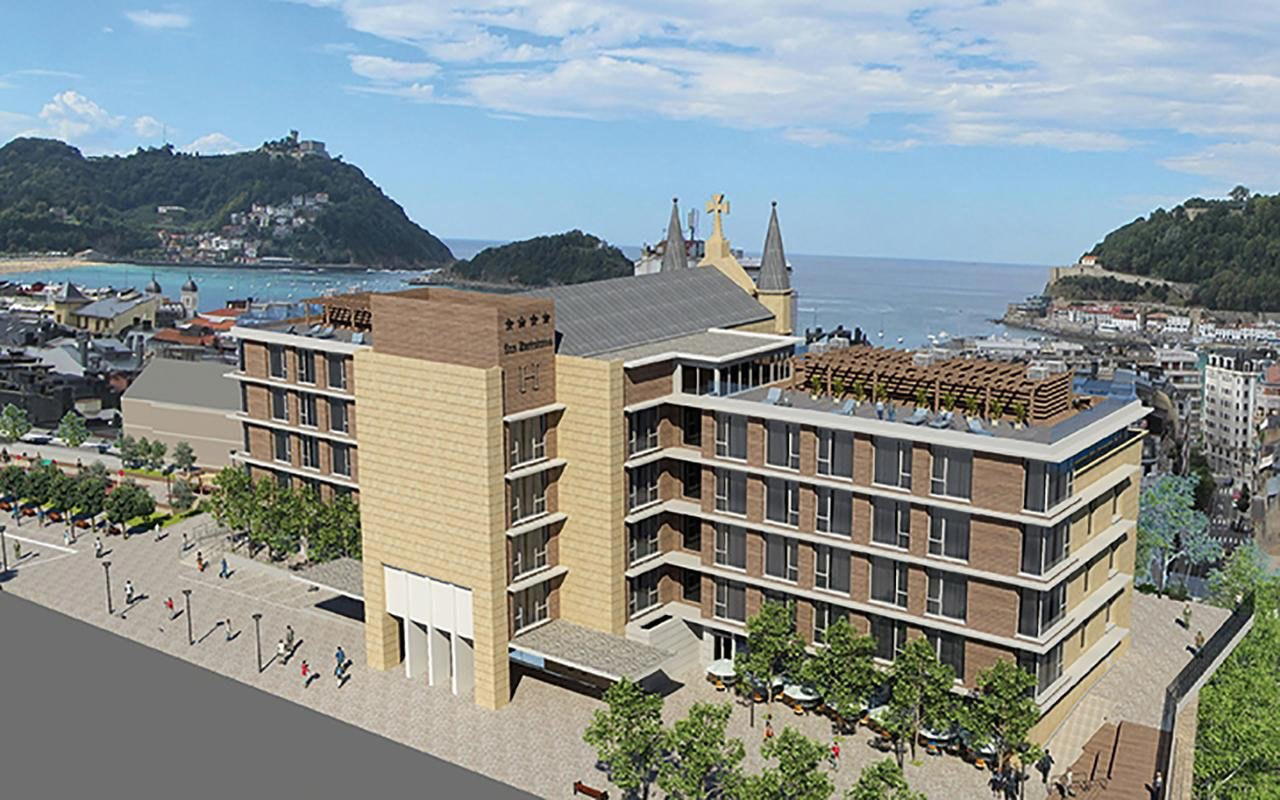
Zelai Txiki sits on the slopes of Mt Ulía with panoramic views over San Sebastián and its own working vegetable garden, anchoring a menu of orthodox Basque cooking: hake in salsa verde, spider crab in the shell, and daily market suggestions.

Pearl is the En Primeur Club membership app, where members save venues, book tables and use the concierge.
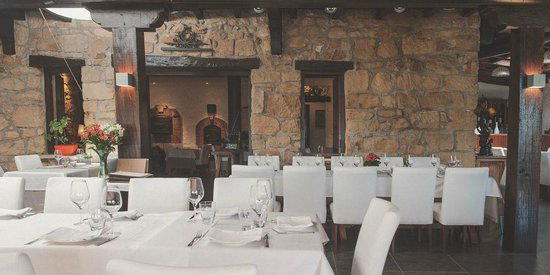
The menu
What to order
- Hake in salsa verde with clams
- Donostia-style spider crab
- Suckling pig Segovia-style
- Creamy rice with clams
- Salted cod in pil pil sauce
Above the City, Rooted in the Land
The approach to Zelai Txiki along the slopes of Mt Ulía already signals what kind of restaurant this is going to be. San Sebastián spreads below, the Cantabrian coast stretches west, and the kitchen garden sits within sight of the dining terrace, a rare case where the sourcing story is visible before you sit down. In a city where haute cuisine and avant-garde technique draw most of the international attention, restaurants like this one occupy a quieter but equally serious position: they hold the line on traditional Basque cooking, executed without shortcuts and supplied from the ground beneath their feet.
That distinction matters more than it might appear. The headline addresses in San Sebastián Arzak and Akelaŕe, both at €€€€, built their reputations by transforming Basque tradition into something inventive and codified. Zelai Txiki operates from a different premise: the cooking should be the clearest possible expression of what the Basque Country grows, catches, and has always eaten, at a price point (€€€) that keeps it accessible to a wider range of diners.
The Kitchen Garden as a Statement
Sustainability in restaurant kitchens is frequently claimed and rarely enacted with any rigour. A press-friendly rooftop herb box is not a supply chain. What Zelai Txiki demonstrates is a different model: an on-site vegetable garden that feeds directly into the day's cooking. This kind of integrated sourcing is more common in rural farmhouse restaurants than in urban addresses, and it brings with it a particular discipline, you cook what you grow, which means the menu follows the season rather than the other way around.
In the Basque Country, that seasonal discipline has centuries of context. The pintxo bars and market stalls of San Sebastián's old town have always operated on the logic of what arrived that morning. Zelai Txiki extends that logic into a full restaurant format, connecting the daily suggestions on the menu to an actual patch of land. For a kitchen focused on traditional cuisine, this is not an affectation; it is the precondition for cooking those dishes at the standard they deserve. Hake cooked in salsa verde with clams requires clams landed that day. Spider crab served in its shell demands an ingredient so fresh that no sauce is needed to disguise it.
Across Spain, a handful of restaurants are building serious reputations on precisely this kind of rooted practice. Azurmendi in Larrabetzu has made environmental integration part of its identity at three Michelin stars. Aponiente in El Puerto de Santa María has reframed marine sustainability as a creative principle. Zelai Txiki operates at a different tier and with different ambitions, but the underlying conviction, that sourcing is cooking, connects these addresses across the price spectrum.
What the Menu Actually Says
The à la carte at Zelai Txiki reads as a document of Donostiarra cooking in its most recognisable forms. Hake appears in multiple preparations: in salsa verde with clams, in batter, with pil-pil sauce. Spider crab arrives in the shell in the Donostia style. These are not nostalgic gestures; they are the dishes by which Basque kitchens are judged, technically demanding precisely because they are simple. A pil-pil sauce built from salt cod, olive oil, and gelatin is a test of patience and temperature control. A salsa verde that holds its emulsion while carrying the brine of fresh clams requires a cook who has made it hundreds of times.
Beyond the classics, the menu offers daily suggestions that respond to what is available and in season, alongside an extensive tasting menu for those who want the kitchen to set the pace. The house also bakes its own bread daily using organic flour, a detail that sits comfortably within the broader sourcing philosophy and that most diners will notice without being told the reason for it. In a city where bread is taken seriously at every price point, this is the kind of baseline commitment that earns trust before the first course arrives.
Restaurants taking a similar position in other Spanish cities, Auga in Gijón, for instance, or Auberge Grand'Maison in Mûr-de-Bretagne for a French parallel, demonstrate that the traditional cuisine category, properly executed, holds its own against more glamorous formats. The Michelin Plate, awarded to both in 2024 and 2025, is not the Guide's highest honour, but it is a specific signal: this is a kitchen cooking with care and consistency, using quality ingredients prepared with competence.
San Sebastián's Quieter Registers
Most visitors to San Sebastián arrive with a mental map built around the starred addresses and the pintxo bars of the Parte Vieja. That map is accurate as far as it goes, but it misses a middle register of serious, unfussy restaurants that operate a few kilometres from the tourist circuit. Bodegón Alejandro, Ikaitz, and Tamboril occupy similar territory in the city's dining ecosystem: places where the point is the food and the tradition behind it, not the theatre or the innovation.
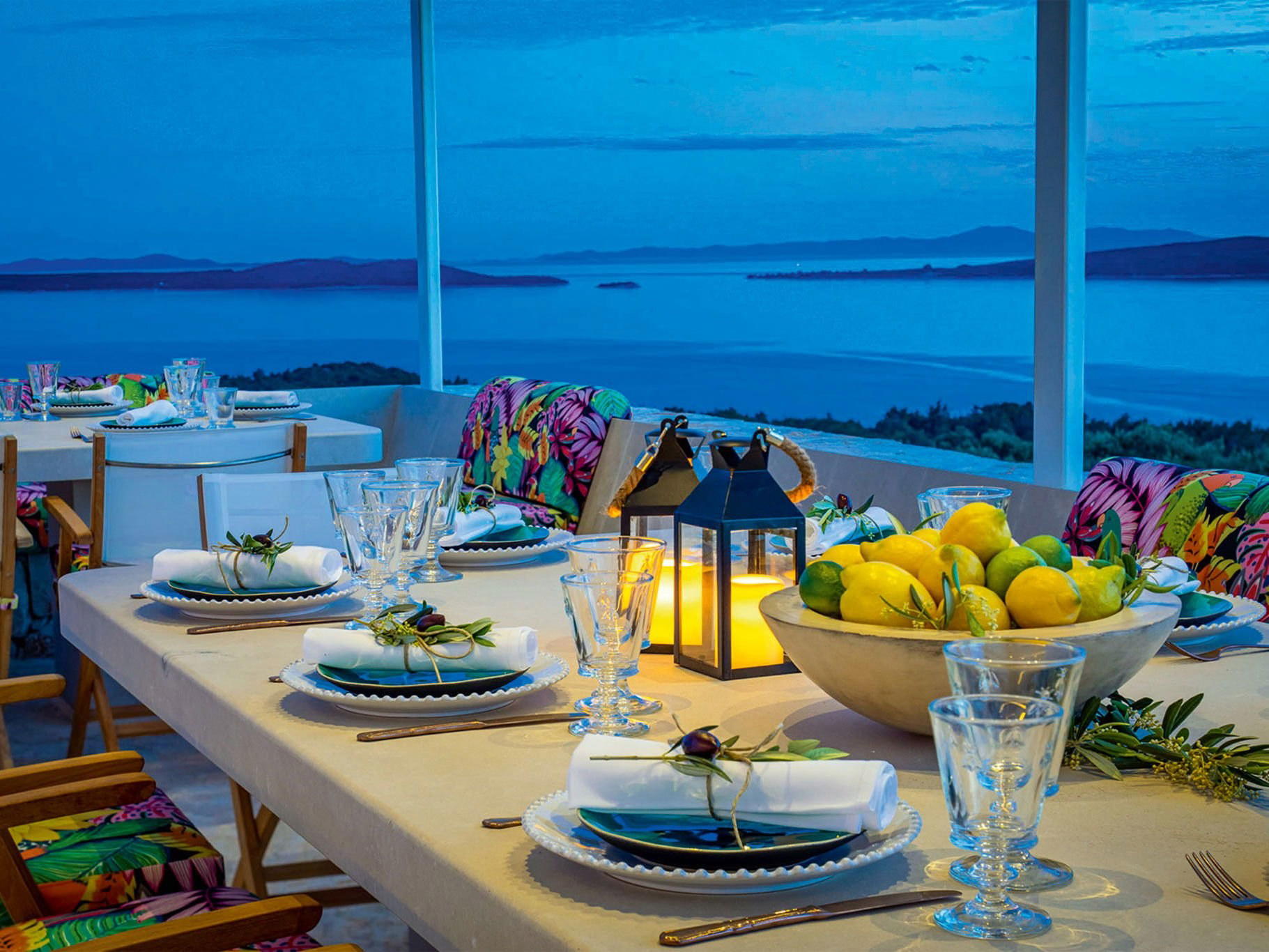
Zelai Txiki adds the dimension of place. The Mt Ulía location, with its panoramic terrace and its garden, gives the meal a physical context that most city-centre restaurants cannot provide. The views are a feature, but not the whole point. What they reinforce is a sense that this kitchen is genuinely connected to where it sits, not simply cooking Basque food for an audience that could be anywhere.
For a broader orientation to what San Sebastián offers across formats, our full San Sebastián restaurants guide maps the scene from avant-garde addresses like DiverXO in Madrid and Disfrutar in Barcelona for wider Spanish context, through to the traditional tier. The San Sebastián hotels guide, bars guide, wineries guide, and experiences guide round out the planning picture for a longer stay. For Spanish regional cooking that shares Zelai Txiki's traditional-cuisine framing, Quique Dacosta in Dénia and El Celler de Can Roca in Girona illustrate how deep the country's regional identities run at the highest levels.
Planning Your Visit
Zelai Txiki sits at Rodil kalea 79 in the Ulía district of San Sebastián, accessible by car in under ten minutes from the city centre. The terrace makes the setting particularly rewarding at lunch on a clear day, when the coastal views read at their full range. At the €€€ price tier in a city where top-end restaurants reach €€€€, the value proposition is solid for the level of sourcing and technique on offer. Booking ahead, particularly for dinner or weekend lunch, is the sensible approach.
Frequently asked questions
What kind of setting is Zelai Txiki?
Zelai Txiki occupies a position on the slopes of Mt Ulía at Rodil kalea 79, with a panoramic terrace that looks out over San Sebastián and the coast below. The restaurant also maintains its own vegetable garden on site, which feeds directly into the kitchen's sourcing. This is a destination that requires a short drive from the city centre, rewarding the detour with space and elevation absent from the Parte Vieja.
What should I expect cuisine-wise at Zelai Txiki?
What kind of recognition has Zelai Txiki received?
Zelai Txiki has received recognition including: Zelai Txiki boasts a superb location on the slopes of Mt Ulía (hence the impressive views from its panoramic terrace) and even its own vegetable garden. On the extensive à la carte, with its strong focus on dishes inspired by the traditions….
What should I order at Zelai Txiki?
The à la carte focuses on Donostiarra cooking in its most recognisable forms: hake in salsa verde with clams, hake cheeks in pil-pil sauce, and spider crab prepared Donostia-style in its shell. Beyond the fixed menu, the kitchen posts daily suggestions based on what is freshest. A tasting menu is also available for those who prefer to let the kitchen set the pace.
What price level is Zelai Txiki?
Pricing at Zelai Txiki is listed as €€€.
How do I find Zelai Txiki?
Zelai Txiki is located at Rodil kalea, 79, 20013 Donostia / San Sebastián, Gipuzkoa, Spain, San Sebastián.
Is Zelai Txiki reservation-only?
Booking ahead is advisable given the restaurant's position outside the city centre and its standing as a Michelin Plate holder for 2024 and 2025. No phone number or online booking link is listed publicly at this time, so contacting the restaurant directly via its address at Rodil kalea 79 or through local concierge services is the practical route.
Comparable Spots, Quickly
A compact comparison to help you place this venue among nearby peers.
| Venue | Cuisine | Price | Awards | Notes |
|---|---|---|---|---|
| Zelai TxikiThis venue (the venue you are viewing) | Traditional Basque Cuisine | $50–100 | Michelin Plate · Macarfi 7.7 Food Rating | Not listed |
| Arzak | Contemporary Basque Fine Dining | $300–500 | 3 Michelin Stars · World's 50 Best #31 | Modern Basque, Creative |
| Akelaŕe | Three-Michelin-star Modern Basque fine dining | $300–500 | Falstaff Restaurant - 98 Falstaff Points | Basque Fine Dining |
| Amelia by Paulo Airaudo | Modern Basque Fusion Fine Dining | $300–500 | 2 Michelin Stars · La Liste Top Restaurants | Creative |
| iBAi by Paulo Airaudo | Traditional Basque Seafood | $150–200 | 1 Michelin Star · Star Wine List | Basque |
| Kokotxa | Modern Basque Seafood | $100–150 | 1 Michelin Star · Macarfi 8.3 Food Rating | Basque, Modern Cuisine |
Recognition history
Dated appearances from independent guides and award organizations, with the underlying list record or original source where available.
Michelin Plate
Michelin
Guía Repsol 1 Sol
Guía Repsol
Macarfi 7.7 Food Rating
Macarfi
Full recognition history (5 entries)
Michelin Plate
Michelin
Michelin Plate
Michelin