Ikaitz


Michelin Plate · Macarfi 6.9 Food Rating
Our verdict
In San Sebastián's Gros district, Ikaitz delivers traditional Basque cooking at a price point well below the city's tasting-menu circuit. Grilled octopus, boneless oxtail, and market-driven fish dishes draw a full house of locals and visiting diners alike. A Michelin Plate in 2024 and 2025 confirms the kitchen's consistency without pretension.

Pearl is the En Primeur Club membership app, where members save venues, book tables and use the concierge.
The menu
What to order
- Grilled octopus
- Boneless oxtail
- Scallop carpaccio
- Monkfish
The Case for Eating Well Without the Ceremony
San Sebastián carries more Michelin stars per capita than almost any city on earth, a fact that shapes how the city talks about itself and, increasingly, how visitors plan their meals. The three-star circuit Arzak, Akelaŕe, and the nearby Martin Berasategui in Lasarte-Oria, represents a particular vision of Basque food: elaborate, technically ambitious, priced north of €200 per head before wine. What that narrative tends to obscure is the parallel track of family-run restaurants across the city that serve the same foundational ingredients, Atlantic fish, local vegetables, premium meat, at a fraction of the cost and without any loss of regional identity.
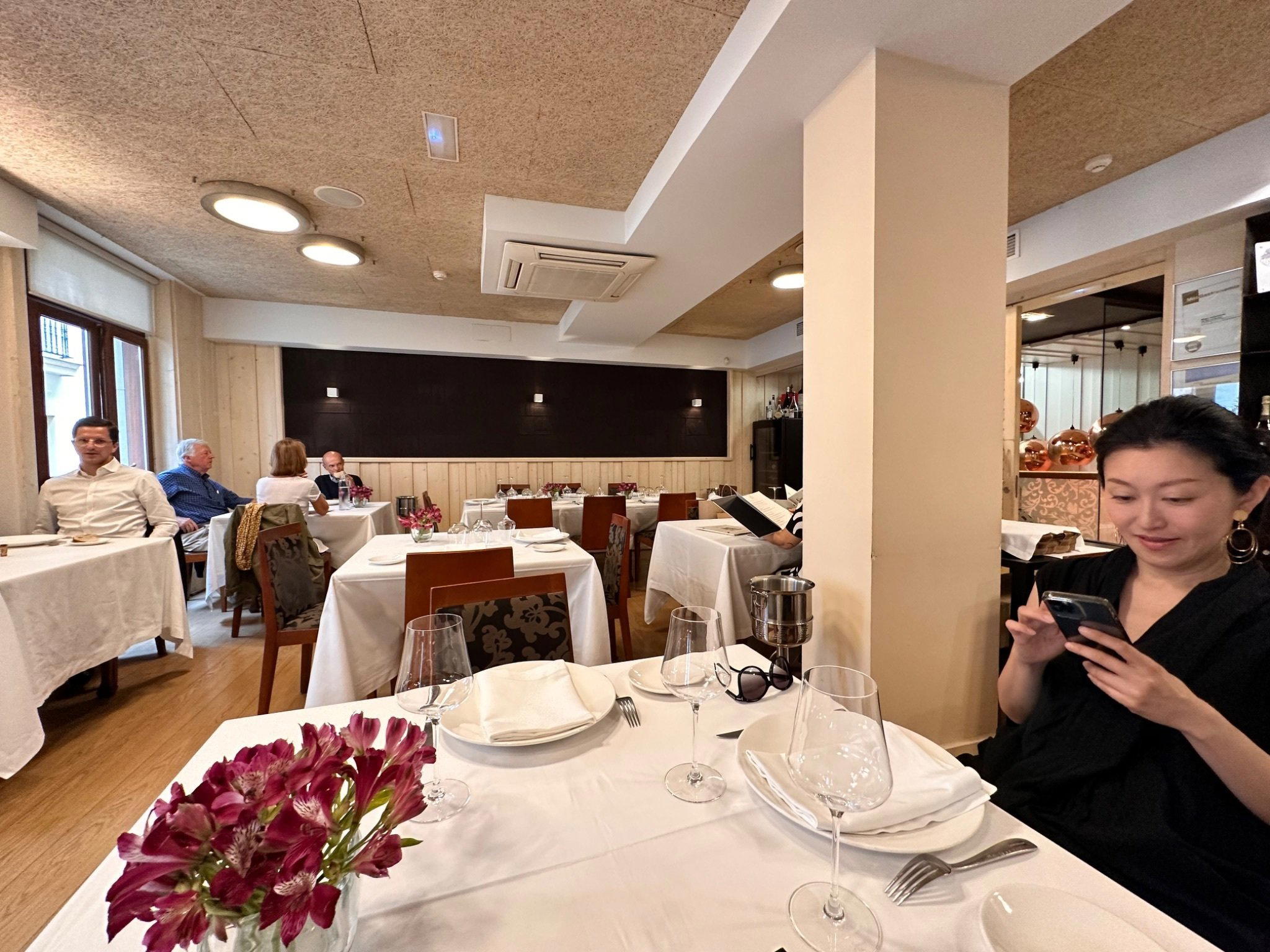
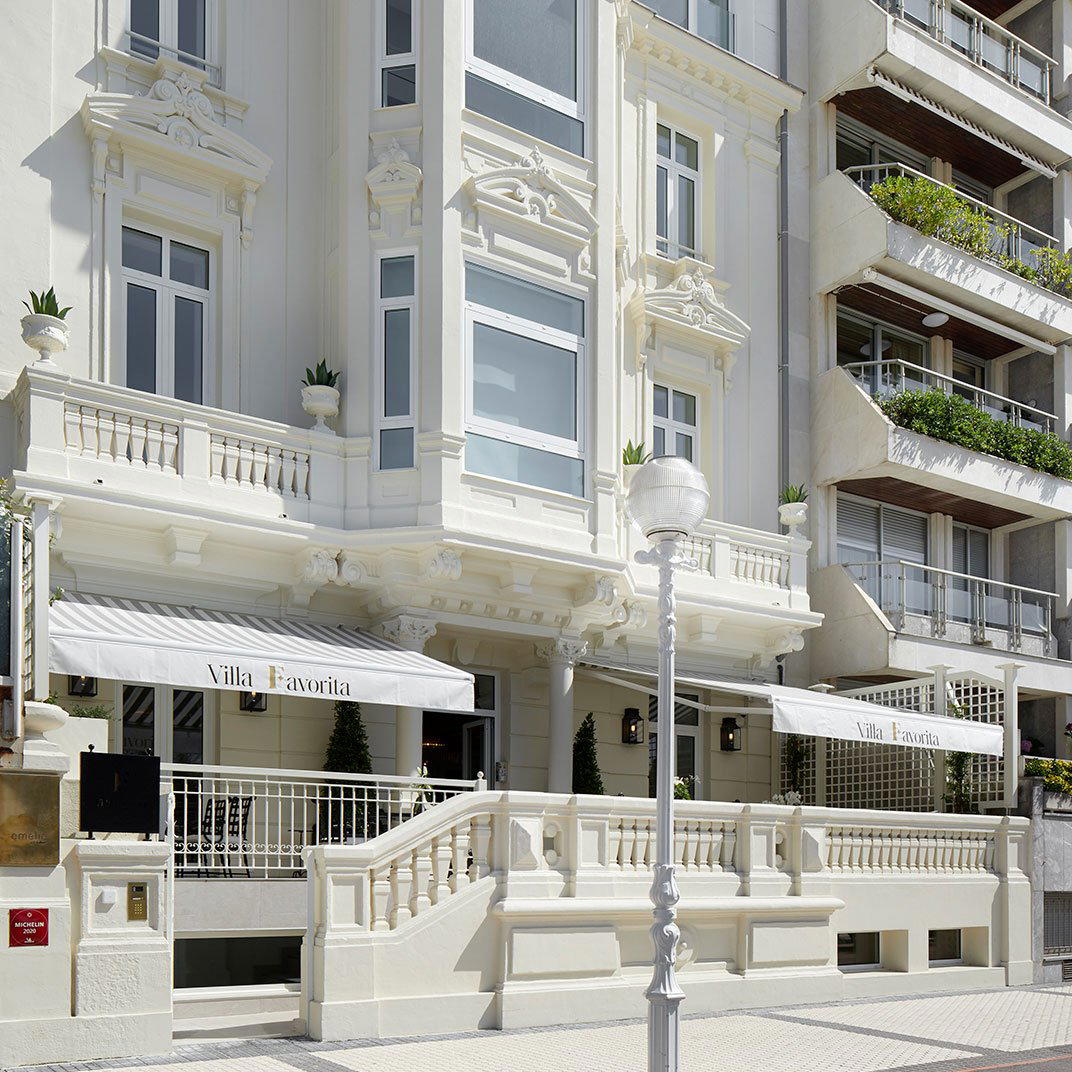
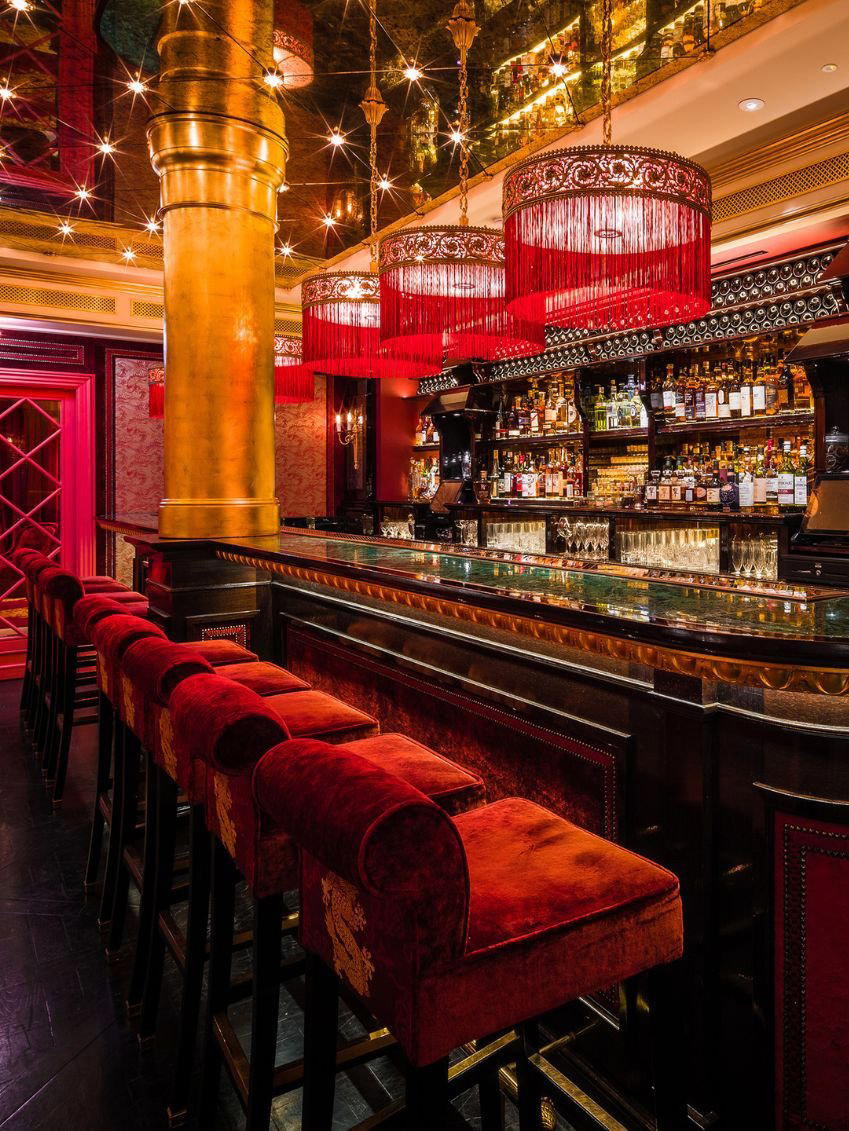
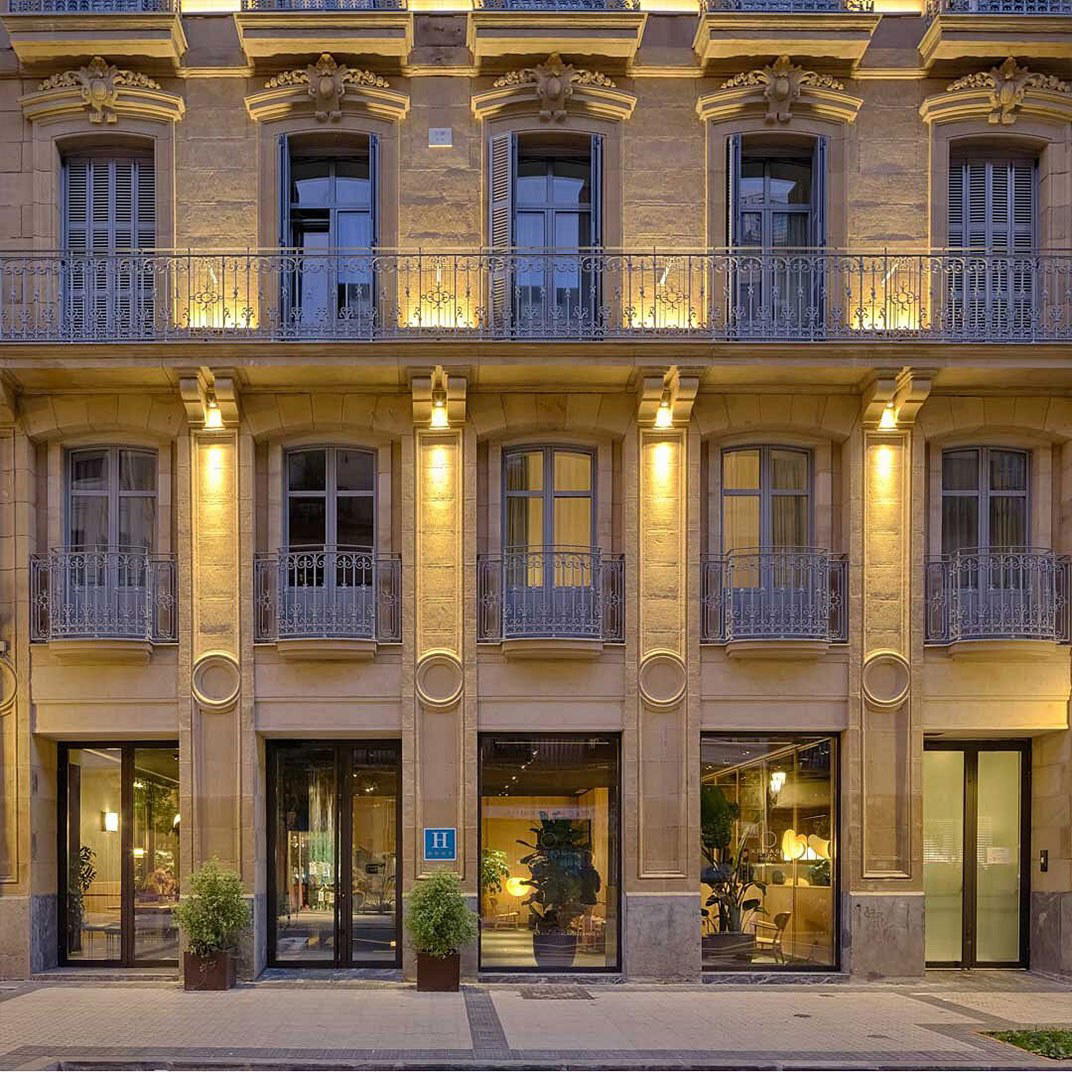
Ikaitz, on Kolon Pasealekua in the Gros district, is a clear example of that parallel track. The address puts it in one of San Sebastián's most characterful neighbourhoods: Gros sits across the Urumea river from the old town, with wide pavements, a working-class coastal feel that gentrification has softened but not erased, and a local restaurant culture that predates the city's global fame. Walking toward the entrance on a busy evening, the full dining room is visible through the glass, tables occupied, a cross-section of ages, the low-level noise of a room doing what it is supposed to do.
What a Mid-Range Price Tag Actually Delivers Here
At a €€ price point in a city where serious dining can begin at €€€€, Ikaitz operates in a different register from the tasting-menu houses. The à la carte format means you choose, you eat at a pace that suits you, and you leave having spent considerably less than the tasting-menu average. That is not a trade-off in quality of ingredient or cooking; it is a different proposition entirely.
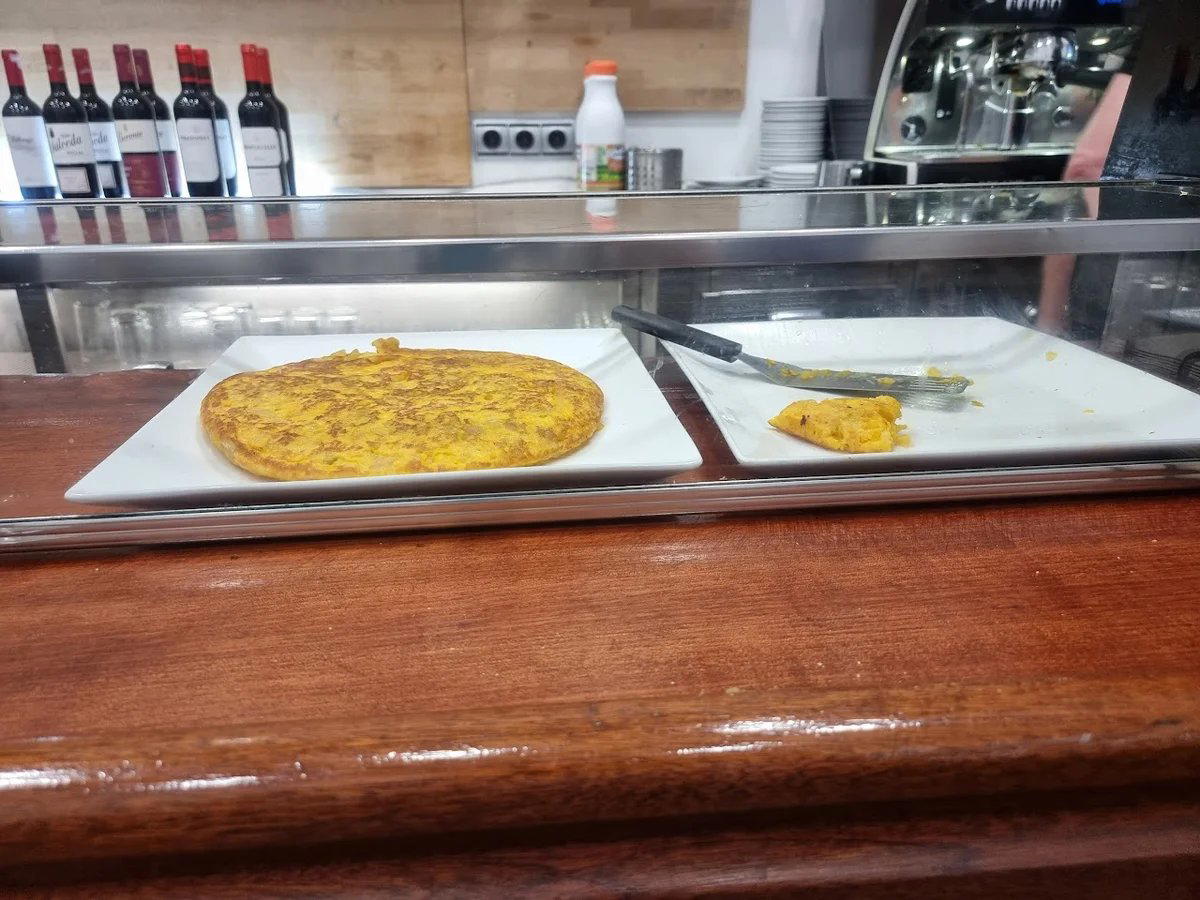
The menu is anchored in traditional Basque technique applied to good raw material. Grilled octopus arrives with a creamy purée and paprika, a dish that reads simply but depends on timing, heat, and the quality of the cephalopod itself. Boneless oxtail, served in its own jus with vegetables and almonds, is the kind of long-cooked preparation that rewards a kitchen willing to commit time rather than theatre. Fish changes with what the market offers, and locally sourced ingredients appear throughout. Generous portions are a consistent feature: the value calculation at Ikaitz runs not just on price but on volume.
For comparison with the broader Spanish dining scene, restaurants such as Auga in Gijón and Auberge Grand'Maison in Mûr-de-Bretagne occupy a similar position in their respective cities: recognised by Michelin for consistent traditional cooking without the overhead of a fine-dining operation. The Michelin Plate, awarded to Ikaitz in both 2024 and 2025, signals exactly this, a kitchen that meets a standard, not one that is trying to climb a different ladder.
Gros and Its Place in the City's Dining Geography
The choice of neighbourhood matters for how Ikaitz reads. Gros is not the tourist-facing old town with its pintxos bars and weekend crowds spilling into the street. It is where San Sebastián residents actually eat, shop, and spend time. Restaurants here tend toward the traditional end of the spectrum, serving customers who return regularly rather than dining once as part of a culinary itinerary. The almost-always-full dining room at Ikaitz reflects that: a loyal local base supplemented by international visitors who have moved past the starred-restaurant shortlist and want to eat something that tastes like the region.
That mix of local regulars and foreign diners is itself informative. It is a pattern common to the stronger traditional restaurants in the Basque country: the cooking is specific enough to interest visitors precisely because it is not adjusted for them. The Basque flavour profile, briny, savoury, built around fire and sea, comes through unmediated.
Those looking to compare across the city's traditional end should also consider Bodegón Alejandro, Tamboril, and Zelai Txiki, each of which operates within the same traditional-regional register at broadly comparable price points. Mapping these against the creative end of the market, the technical ambition of DiverXO in Madrid, the marine-focused work at Aponiente in El Puerto de Santa María, or the Catalan scale of El Celler de Can Roca in Girona and Cocina Hermanos Torres in Barcelona, underscores how different the operating premise is. Ikaitz and venues like it are not lesser versions of the fine-dining model; they are a different category of restaurant serving a different purpose.
Planning a Visit: The Practical Details
Ikaitz sits at Kolon Pasealekua 21 in the Gros district, walkable from the old town across the Urumea river and well-served by the city's bus network. The restaurant draws a full house consistently, and the combination of local regulars and visiting diners means that booking ahead is advisable, particularly on weekends and during San Sebastián's peak summer and Semana Grande periods in August. The à la carte format suits a meal at any length, a focused two-course lunch or a longer dinner with wine are both viable approaches. For a broader look at where Ikaitz sits in the city's dining options, the EP Club San Sebastián restaurants guide maps the full range from traditional to avant-garde. The San Sebastián hotels guide, bars guide, wineries guide, and experiences guide cover the rest of a stay in the city.
At the €€ tier, with two consecutive Michelin Plate recognitions and a menu that stays close to its ingredients, Ikaitz represents the kind of restaurant San Sebastián's reputation was originally built on, before the starred houses became the primary story. The Azurmendi in Larrabetzu school of Basque cooking is worth seeking out separately; Ikaitz answers a different question about what the region's food actually tastes like at the table most locals eat at most often.
Frequently asked questions
What awards or recognition does Ikaitz have?
Ikaitz has received recognition including: This pleasant family-run restaurant in a good location in the Gros district of the city focuses on traditional-regional cuisine and is almost always full, including with many foreign visitors who are attracted by cuisine with an authentic B….
Is Ikaitz expensive?
Pricing at Ikaitz is listed as €€.
What's the signature dish at Ikaitz?
Two dishes appear consistently in descriptions of the kitchen's identity: grilled octopus with a creamy purée and paprika, and boneless oxtail cooked in its own jus, served with vegetables and almonds. Both reflect the restaurant's Michelin Plate-recognised focus on traditional Basque-regional cooking with locally sourced ingredients. The menu also features premium meats and fresh fish, which are central to the à la carte offer rather than supporting roles.
What type of food is Ikaitz known for?
Where exactly is Ikaitz?
Ikaitz is located at Kolon Pasealekua, 21, 20002 Donostia / San Sebastián, Gipuzkoa, Spain, San Sebastián.
Peers You’d Cross-Shop
| Venue | Cuisine | Price | Awards | Notes |
|---|---|---|---|---|
| IkaitzThis venue (the venue you are viewing) | Modern Basque | $50–100 | Michelin Plate · Macarfi 6.9 Food Rating | Not listed |
| Arzak | Contemporary Basque Fine Dining | $300–500 | 3 Michelin Stars · World's 50 Best #31 | Modern Basque, Creative |
| Akelaŕe | Three-Michelin-star Modern Basque fine dining | $300–500 | Falstaff Restaurant - 98 Falstaff Points | Basque Fine Dining |
| Amelia by Paulo Airaudo | Modern Basque Fusion Fine Dining | $300–500 | 2 Michelin Stars · La Liste Top Restaurants | Creative |
| iBAi by Paulo Airaudo | Traditional Basque Seafood | $150–200 | 1 Michelin Star · Star Wine List | Basque |
| Kokotxa | Modern Basque Seafood | $100–150 | 1 Michelin Star · Macarfi 8.3 Food Rating | Basque, Modern Cuisine |
Recognition history
Dated appearances from independent guides and award organizations, with the underlying list record or original source where available.
Michelin Plate
Michelin
Macarfi 6.9 Food Rating
Macarfi
Full recognition history (4 entries)
Michelin Plate
Michelin
Michelin Plate
Michelin