Zazpi STM


Zazpi Stm belongs to San Sebastián’s ingredient-led dining conversation rather than its pintxo-bar churn: a Plaza Zuloaga address with a 2026 Guía Repsol 1 Sol placing it in the city’s serious restaurant tier. The point here is Basque produce handled with restaurant discipline, useful for travellers who want the city’s market logic without committing to a long-form fine-dining format.
Pearl is the En Primeur Club membership app — saves, bookings, and concierge access live there. Same editors, same standards.
- Address
- Plaza Zuloaga, 1, 20003 Donostia / San Sebastián, Gipuzkoa, Spain
- Phone
- +34 943 50 67 67
- Website
- zazpistm.com
 Saves & bookings on Pearl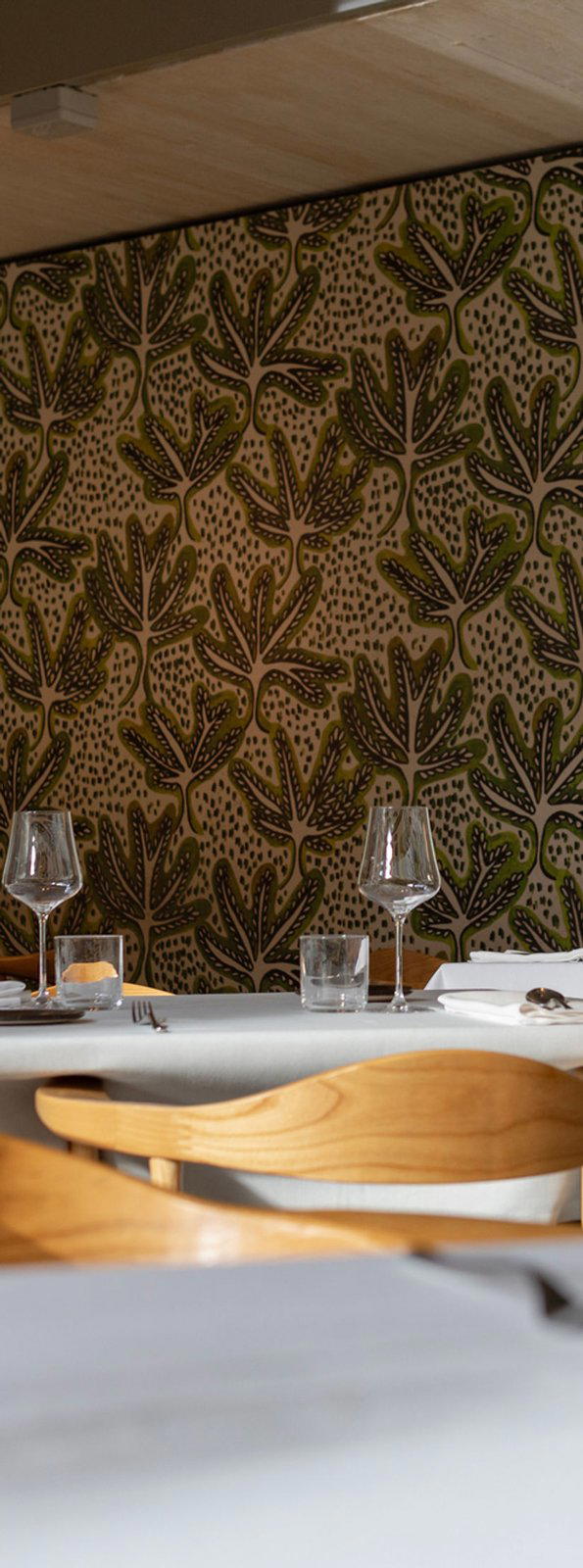
Plaza Zuloaga puts the room in a part of San Sebastián where the city’s eating culture feels immediate: Old Town foot traffic, museum edges, and the pull of pintxos streets close enough to shape expectations before anyone sits down. That matters. In Donostia, restaurants are judged against a public that understands anchovy, hake, beef, beans, peppers, and seasonal vegetables as everyday reference points, not luxury props. Zazpi Stm works inside that pressure, where sourcing is not a decorative claim but the baseline for being taken seriously.
The city’s dining hierarchy can be misleading from outside. San Sebastián is famous for high ceremony, but much of its authority comes from smaller rooms that translate Basque pantry habits into tighter, more composed cooking. A 2026 Guía Repsol 1 Sol gives Zazpi Stm a credible national marker, yet the more useful frame is local: this is not the same decision as drifting between Cuchara de San Telmo, La Viña, La Cepa, Bar Martinez, or Restaurante Gandarias for bar-led eating. It sits closer to the category where product, pacing, and kitchen control replace counter-hopping as the main argument.
Basque produce, treated as the structure rather than the garnish
Ingredient sourcing is the hinge of modern Basque cooking. The region’s reputation was built on proximity: Cantabrian fish, inland beef and game, market vegetables, cider-house habits, and a deep comfort with preserved, grilled, and stewed flavors. In a city this small, vague seasonality is not persuasive. Diners know when spring vegetables are in play, when coastal fish is worth paying attention to, and when a kitchen is using sauce to cover for weaker product.
Zazpi Stm’s relevance comes from working in that middle register between pintxo immediacy and destination tasting-menu ambition. The format implied by the address and recognition is not about spectacle; it is about whether the kitchen can make regional ingredients feel composed without losing their blunt Basque character. That is a harder brief than it sounds. Donostia has long trained visitors to expect abundance, speed, and pleasure at the bar. A restaurant in this lane has to slow the meal down without draining it of the city’s appetite.
For context, the city’s higher-ceremony end is represented in EP Club by places such as Akelaŕe (Basque Fine Dining) and Amelia by Paulo Airaudo (Creative), where the meal is framed by technique, tasting-menu architecture, and destination planning. The restaurant occupies a more grounded tier. It is the kind of address that makes sense when the question is not how far Basque cuisine can be abstracted, but how much precision can be applied to familiar products before the cooking starts to feel self-conscious.
Where it fits in San Sebastián's restaurant map
San Sebastián rewards careful categorisation. Old Town pintxo bars deliver energy and rotation; formal dining rooms offer duration and appointment value; neighbourhood restaurants often carry the clearest read on how locals actually eat. Plaza Zuloaga gives the restaurant a useful position between these modes. It is close enough to the Old Town to sit inside the visitor’s natural route, but the Repsol recognition signals a more deliberate meal than a casual crawl.
That distinction helps with planning. A traveller building a food-focused stay might use Our full San Sebastián restaurants guide to separate pintxo nights from seated meals, then pair the city’s restaurant choices with Our full San Sebastián hotels guide for geography. Drinking and after-dinner planning belong in Our full San Sebastián bars guide, while regional context extends through Our full San Sebastián wineries guide and Our full San Sebastián experiences guide. The city is compact, but food decisions are not interchangeable.
Within the broader Basque and Spanish editorial map, the restaurant reads differently from rural or club-like addresses such as Agorregi (Regional Cuisine) or Aizepe Elkartea, and differently again from central city references like Aldamar Kalea. That range is the point: Donostia’s strength is not a single style, but a dense set of choices that force the diner to decide between product-led comfort, avant-garde ambition, and bar culture.
How to read the meal before committing
The practical judgment is simple: choose this address when the priority is a composed Basque meal with recognised national standing, not a long tour through every famous pintxo counter. The hours run across daytime and evening services on several days, with Monday closed, which gives it flexibility for lunch-led itineraries as well as dinner plans.
For travellers comparing Spain more widely, the same sourcing question appears in different dialects. Madrid dining, including "B de J" in Madrid, often filters product through capital-city polish. Andalusian casual formats such as 12 Tapas in Castilleja de la Cuesta frame generosity differently. Inland Basque and Rioja-adjacent addresses, including 144. in Vitoria-Gasteiz and 1860 Tradición in Elciego, bring another relationship to produce, wine, and regional identity. Coastal and island settings, from 1742 in Ibiza to 1881 per Sagardi in Barcelona, change the equation again through setting and audience.
The restaurant is strongest as a San Sebastián choice for diners who already understand that the city is not only about collecting pintxos. Its 2026 Repsol Sol places it on a recognised quality rung, but the more persuasive reason to go is editorial rather than trophy-driven: it offers a way to read Basque ingredients in a seated format, within walking distance of the city’s louder bar culture, without turning the meal into a ceremony for its own sake. For a cross-cultural contrast outside Spain, EP Club’s coverage of Jōdo Saké Bar in Los Angeles and Onigiri Time in Pasadena shows how ingredient discipline changes when the organising grammar is Japanese rather than Basque.
Recognition history
Dated appearances from independent guides and award organizations, with the underlying list record or original source where available.
Guía Repsol 1 Sol
Guía Repsol
Opinionated About Dining Casual in Europe Recommended
Opinionated About Dining
Opinionated About Dining Newly Added European Restaurants
Opinionated About Dining
Continue exploring
More in San Sebastián
Restaurants in San Sebastián
Browse all →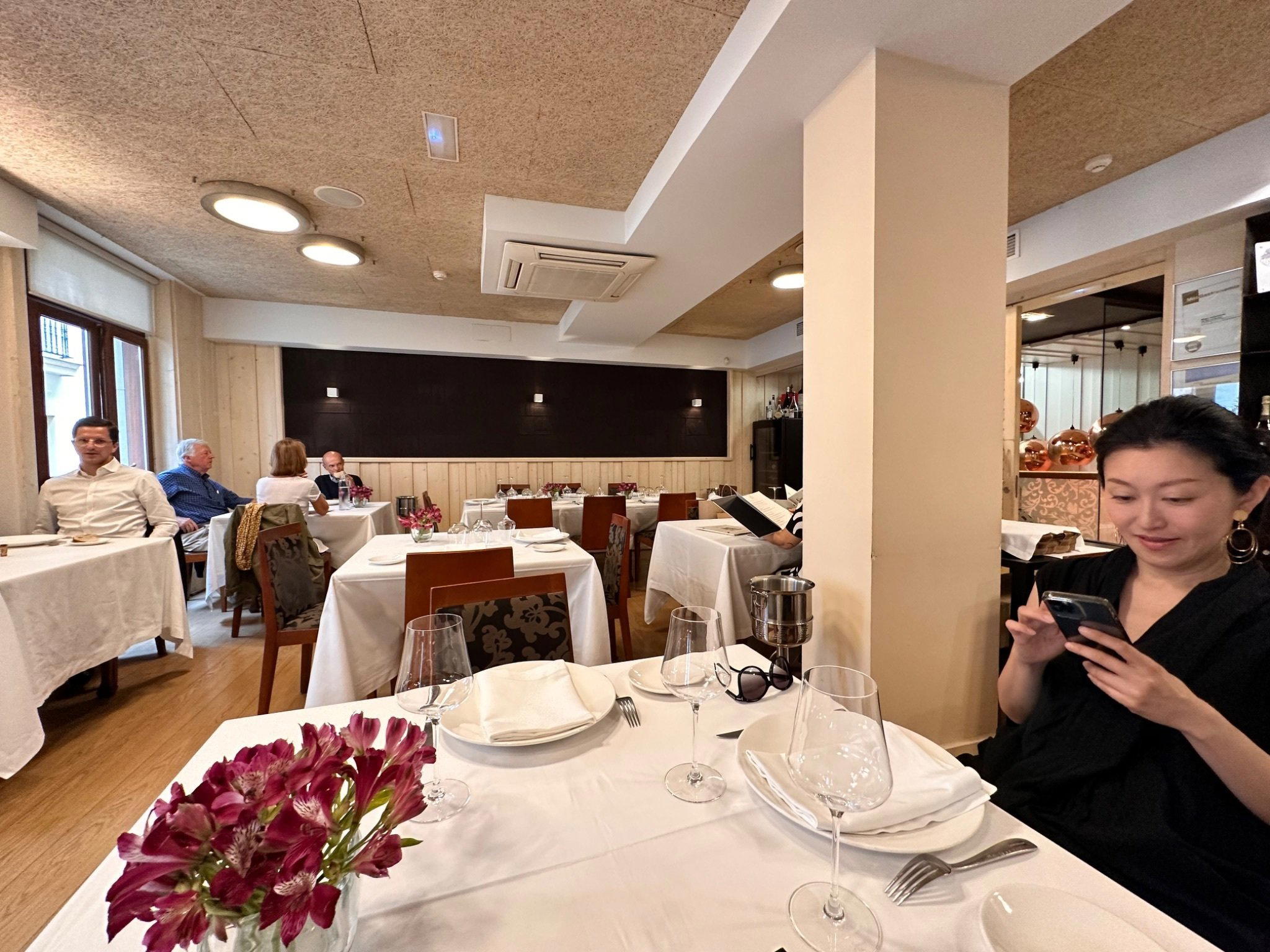
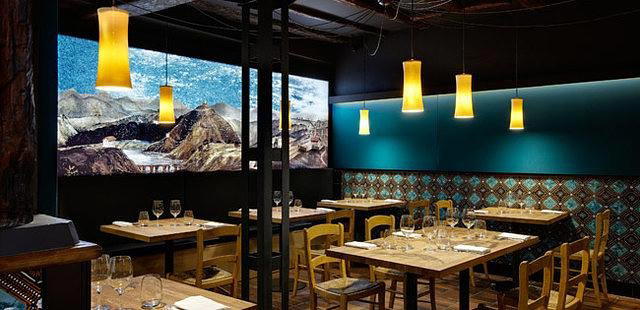
Bars in San Sebastián
Browse all →
At a Glance
Current opening hours
- Monday
- Closed
- Tuesday
- 10 AM–8 PM
- Wednesday
- 10 AM–8 PM
- Thursday
- 10 AM–10:30 PM
- Friday
- 10 AM–11 PM
- Saturday
- 10 AM–11 PM
- Sunday
- 10 AM–8 PM
Hours can change for holidays and private events.