Yamato Japanese Restaurant
Yamato Japanese Restaurant has held a steady position in Gainesville's dining scene from its address on NW 60th Street, drawing regulars who treat it as the city's benchmark for Japanese cooking. In a college town where turnover is high and novelty often wins, that kind of sustained loyalty carries editorial weight. Gainesville visitors looking for Japanese beyond casual rolls will find it worth investigating.
Pearl is the En Primeur Club membership app — saves, bookings, and concierge access live there. Same editors, same standards.
- Address
- 526 NW 60th St, Gainesville, FL 32607
- Phone
- +13523324466
- Website
- yamatojapanesesteakhouse.com
- Directions
- Get directions
 Saves & bookings on Pearl
Japanese Dining in a College Town That Moves Fast
Gainesville is not a city that holds still. The University of Florida turns the dining scene over with every academic cycle, rewarding novelty and punishing stagnation. Against that backdrop, any Japanese restaurant that develops a local following and keeps it earns something that marketing cannot manufacture: repeat business from people who have options. Yamato Japanese Restaurant, at 526 NW 60th Street, sits in that category. Its northwest Gainesville address places it slightly away from the university's immediate commercial orbit, which tends to filter out the casual foot-traffic crowd and concentrate the regulars.
Japanese cuisine in mid-sized American cities occupies a particular tension. Sushi has become generic enough that it appears on supermarket shelves and in strip-mall buffets, which means restaurants that aim for something more considered are operating against low baseline expectations and a customer base that may not immediately recognize the difference. The ones that survive are usually doing something specific well enough that word travels. Yamato's longevity in a market like Gainesville suggests that specificity is present, even if the venue's public profile remains modest.
The Physical Setting on NW 60th
Northwest Gainesville runs quieter than the blocks immediately surrounding campus. The commercial strips here mix local businesses with professional offices, and the pace slows to something closer to a neighborhood than a student corridor. Arriving at Yamato, you are stepping into a format common to serious Japanese restaurants outside major metropolitan centers: the dining room is the statement, not the facade. Japanese restaurant design in this tier typically prioritizes interior calm over exterior presence. Low lighting, natural materials, and spatial separation between tables create an environment where the food can carry the experience rather than competing with ambient noise and visual clutter.
That kind of setting matters for Japanese cuisine specifically. The progression from appetizer to sashimi to cooked dishes, whether in a formal kaiseki framework or a more casual izakaya structure, asks something of the diner that a loud, crowded room makes difficult. Attention is part of the transaction. Restaurants that understand this tend to design accordingly, and the northwest Gainesville location, away from the denser nightlife corridors, supports that kind of atmosphere more easily than a downtown address would.
Where Yamato Sits in Gainesville's Dining Picture
Gainesville's restaurant scene has a clear gravity toward comfort formats: American casual, Mexican, and Italian account for a large share of the dining options that generate the most volume. Japanese sits in a smaller, more considered tier. Compared to pan-Asian spots like Liquid Ginger, which draws on a broader Southeast and East Asian palette, a dedicated Japanese restaurant is operating from a narrower and more demanding brief. The cuisine's technique-dependence is high: knife work on raw fish, rice temperature and seasoning, broth clarity, and frying oil management all show immediately in the final plate. There is less margin for error than in cuisines where saucing and spicing can compensate.
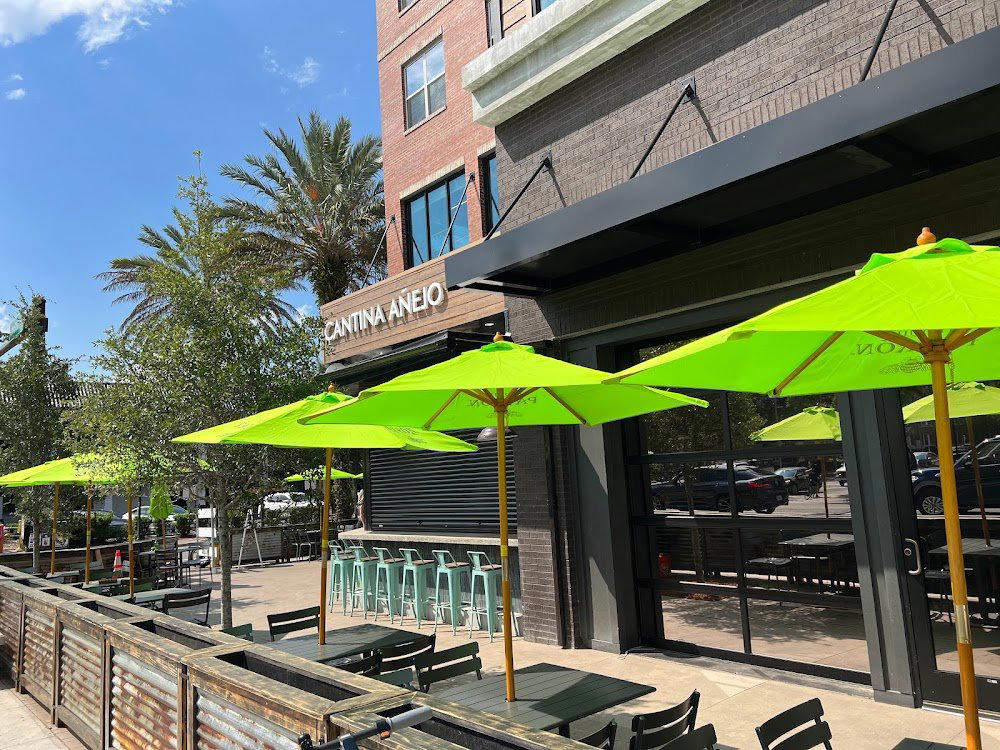
Within Gainesville's broader dining options, the contrast is instructive. Restaurants like Amelia's, Cantina Añejo, Capones GNV, and Las Carretas each operate in cuisines with wider local reference pools. Japanese cooking, by contrast, asks diners to calibrate against a more specific standard. That narrowing of scope is also a form of confidence. You can explore the full range of Gainesville's options through our full Gainesville restaurants guide.
Japanese Cuisine at This Scale: What the Category Requires
American cities outside the major coastal markets have historically supported Japanese restaurants through a sushi-first model, where rolls, particularly those adapted to local tastes with avocado, cream cheese, or tempura interiors, drive most of the volume. That model works commercially but tends to crowd out the parts of the cuisine that reward closer attention: the quality gradations in raw fish sourcing, the precision of properly seasoned sushi rice, the depth of dashi-based broths, or the textural contrast in well-executed tempura.
The restaurants in American dining that have pushed Japanese cuisine into serious critical conversation, places like Atomix in New York City for Korean-Japanese fusion, or the kind of precision sourcing culture that runs through institutions such as Le Bernardin in New York City, Alinea in Chicago, and The French Laundry in Napa, demonstrate what disciplined sourcing and technique look like at their furthest reach. Those benchmarks are not Gainesville's competitive frame, but they establish the underlying principles that any serious Japanese kitchen is working toward, even in scaled-down form. The same logic of ingredient quality and temperature discipline applies whether you are plating for forty seats in Gainesville or for a Michelin-starred omakase counter in New York.
For context on what premium Japanese-influenced and Asian dining looks like at its most formal in America, it is worth noting the sustained ambition at venues like Providence in Los Angeles, Single Thread Farm in Healdsburg, and Addison in San Diego, or internationally at 8½ Otto e Mezzo Bombana in Hong Kong. The gap between those rooms and a neighborhood Japanese restaurant in Gainesville is real, but understanding that spectrum helps calibrate what to look for and appreciate at any point along it.
Planning Your Visit
Yamato is located at 526 NW 60th Street in Gainesville, Florida. The northwest address means a car is the practical choice for most visitors; the area is not easily walkable from the university district or downtown. Current hours, booking options, and pricing are best confirmed directly, as publicly available information on those specifics is limited. For a college-town Japanese restaurant of this character, the general pattern is weekday evenings run quieter than weekends, when local regulars and visitors both concentrate. Arriving earlier in an evening service tends to allow for more attentive pacing. Comparable dining contexts from other American restaurant cities, such as the more relaxed but focused service model seen at places like Emeril's in New Orleans, Lazy Bear in San Francisco, Blue Hill at Stone Barns in Tarrytown, or The Inn at Little Washington, reflect a broader American dining culture where the quality of attention scales with booking depth and timing discipline. The same principle applies here at a local level.
Continue exploring
More in Gainesville
Restaurants in Gainesville
Browse all →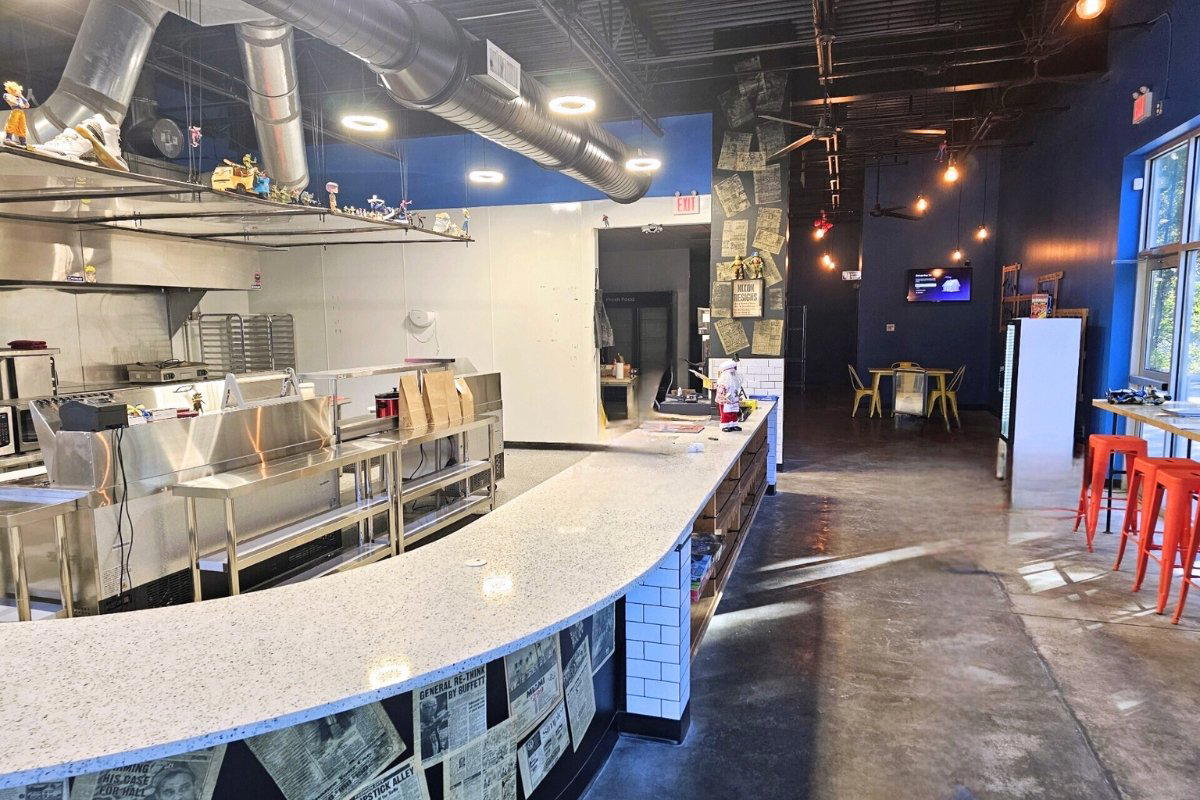


At a Glance
- Lively
- Energetic
- Group Dining
- Casual Hangout
- Celebration
- Open Kitchen
- Sake Program
Current opening hours
- Monday
- 4:30–9 PM
- Tuesday
- 4:30–9 PM
- Wednesday
- 4:30–9 PM
- Thursday
- 4:30–9 PM
- Friday
- 11:45 AM–1:45 PM, 4:30–10 PM
- Saturday
- 12–10 PM
- Sunday
- 12–9 PM
Hours can change for holidays and private events. Last verified .
Lively atmosphere featuring lively hibachi tables and interactive dining.
Know Before You Go
- Getting there
- 526 NW 60th St, Gainesville, FL 32607