Da Vinci pizza and pasta
Da Vinci Pizza and Pasta occupies a well-trafficked stretch of SW 34th Street in Gainesville, positioning itself within a pizza-and-pasta corridor that serves both the university crowd and longer-term residents. Compared to Gainesville's craft-focused bar scene, Da Vinci leans toward casual Italian-American familiarity rather than technical ambition, making it a practical anchor for the southwestern side of the city.
Pearl is the En Primeur Club membership app — saves, bookings, and concierge access live there. Same editors, same standards.
- Address
- 3275 SW 34th St, Gainesville, FL 32608
- Phone
- +1 352 451 4706
- Website
- davinci-uf.com
- Directions
- Get directions
 Saves & bookings on Pearl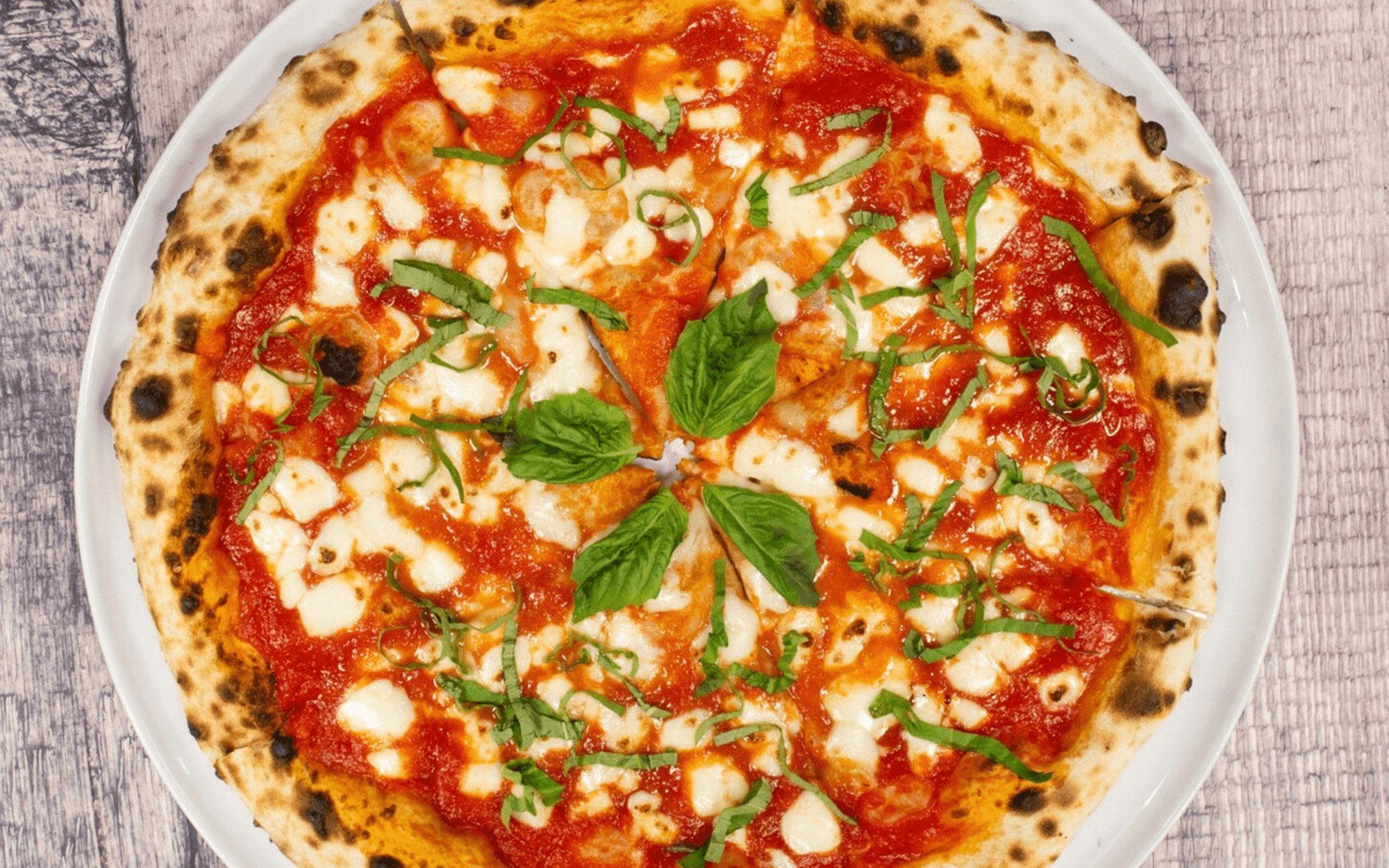
Where SW 34th Street Lands in Gainesville's Casual Dining Circuit
Gainesville's dining geography splits fairly cleanly between the downtown and University Avenue corridor, where craft-forward venues like Curia On The Drag and Beaker & Flask Wine Co. anchor a more considered drinking and eating culture, and the southwestern residential belt, where SW 34th Street functions as a practical dining artery for off-campus households, families, and the kind of repeat local traffic that doesn't orbit the university calendar. Da Vinci Pizza and Pasta at 3275 SW 34th Street sits firmly in that second zone. The address alone signals something about the experience: this is neighborhood Italian-American, not a destination restaurant that asks you to plan your evening around a reservation.
That distinction matters for anyone reading a city guide. Gainesville has a noticeably active craft scene, with Cypress & Grove Brewing Company and Alpin Bistro representing the more program-driven end of the local bar and hospitality spectrum. Da Vinci operates outside that conversation, in the register of familiar formats, consistent execution, and a price-to-comfort equation that prioritizes accessibility. For a fuller picture of how the city's dining and drinking options distribute across neighborhoods, the full Gainesville restaurants guide maps the range more completely.
The Italian-American Category in a University City
Pizza and pasta houses in mid-sized American university cities occupy a specific and durable niche. They are rarely fine-dining aspirants, and the smarter ones don't try to be. The format that works in this setting is one that delivers recognizable dishes at a pace and price point that suits both a Tuesday dinner for two and a post-game group of eight. The Italian-American canon, as practiced across this category nationally, is built on a fairly stable menu architecture: red-sauce pasta, hand-stretched or par-baked pizza bases, house salads, and a beverage list that doesn't complicate the decision-making.
What separates the better operators in this tier isn't radical menu invention. It's consistency of execution, portion sizing calibrated to the local expectation, and a room that feels comfortable rather than aspirational. These are the places that accumulate regulars through reliability rather than novelty, and in a city with significant student turnover, that kind of stable local patronage is harder to build than it looks.
Reading the Room: Atmosphere and Format
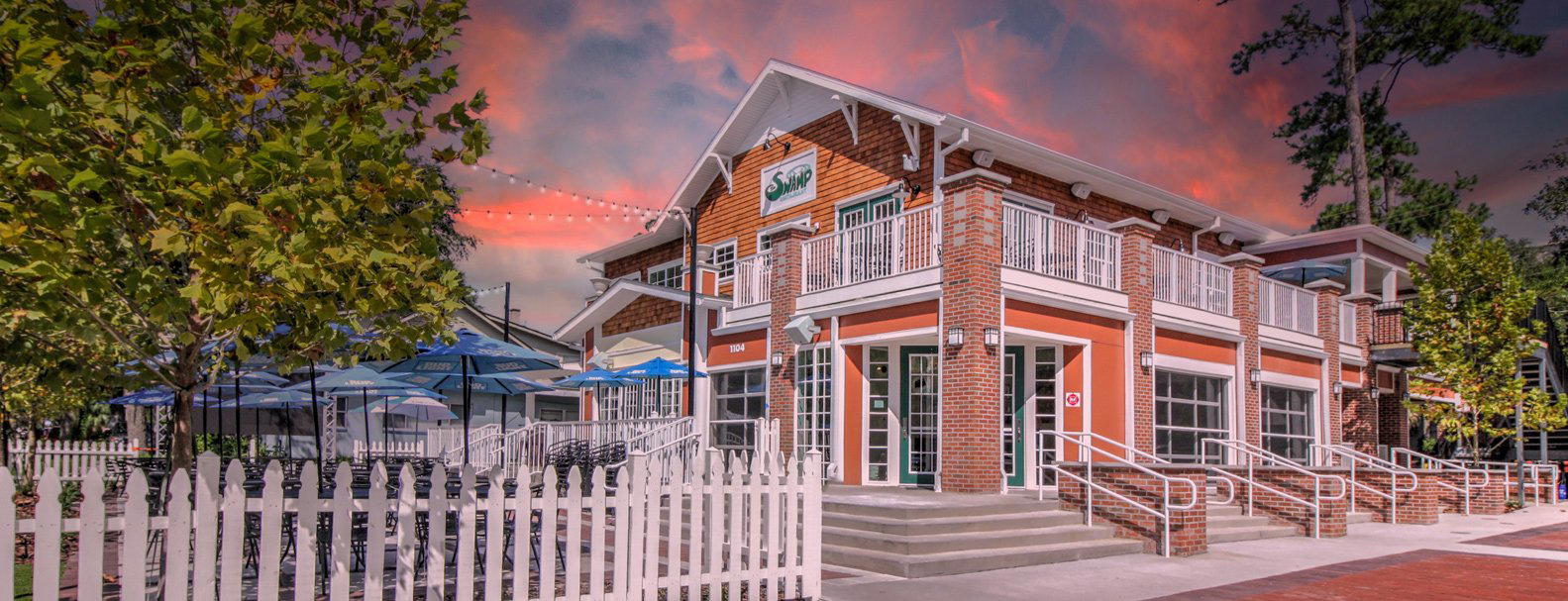
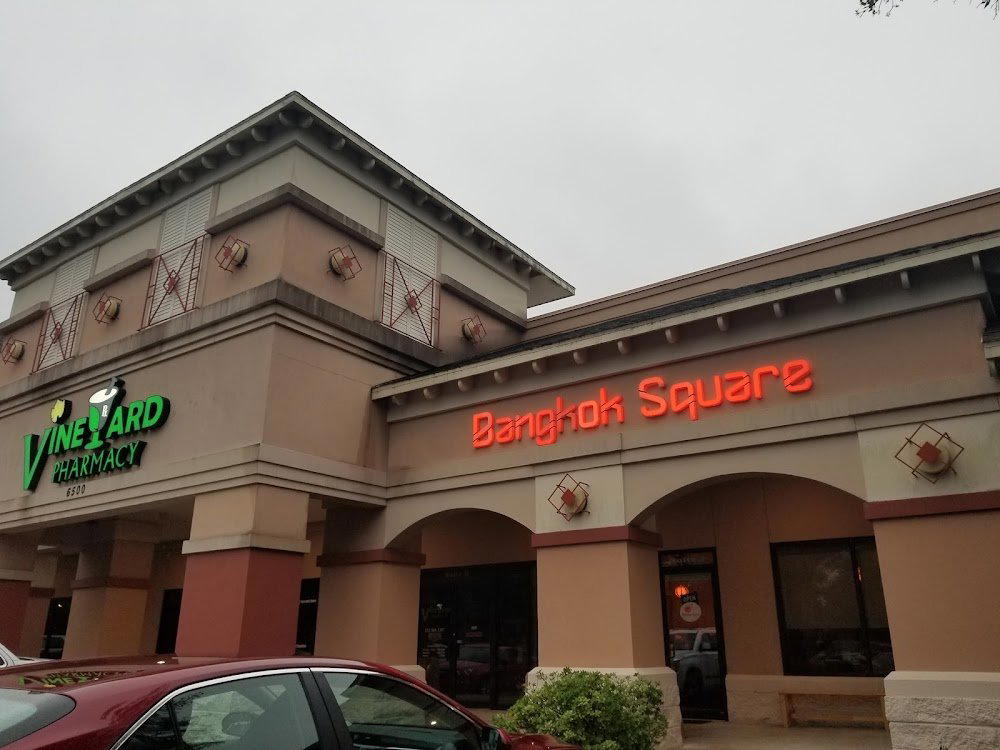
The physical character of a strip-mall or shopping-center Italian spot on a major arterial road like SW 34th tells you something before you open the door. Parking is part of the offer. The interior is typically set up for throughput without sacrificing a sense of occasion: booths or padded seating, warm lighting, and a layout that accommodates groups without requiring a floor plan negotiation. These are design decisions with operational intelligence behind them, not aesthetic compromises.
Da Vinci fits the broader pattern for this format in a mid-sized Florida city. The approach to atmosphere in this category prioritizes the kind of comfort that allows a conversation to happen across a table without difficulty, where the ambient level is controlled and the room isn't performing. That is a different design ambition than the bar-forward venues in downtown Gainesville, and a valid one for its intended use case.
The Bar Program in Context
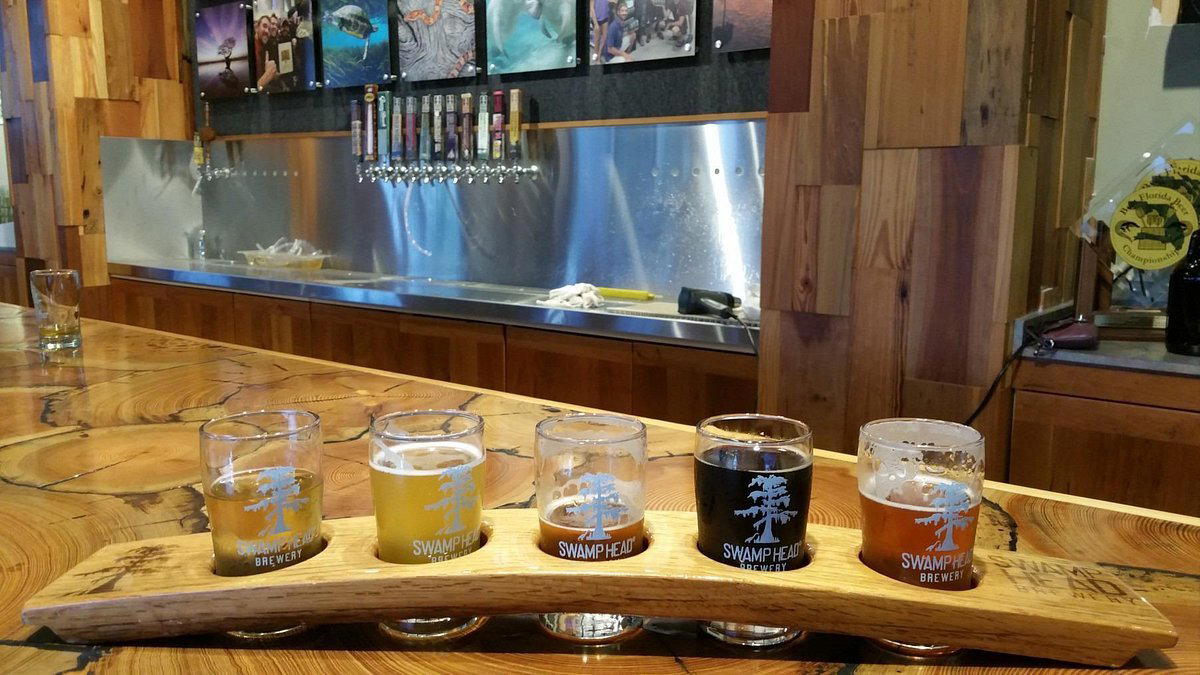
The editorial angle worth holding in mind here is how a venue in this category thinks about the space behind the bar, and what that signals about the overall hospitality approach. In Italian-American casual dining, the bar program rarely drives the visit. Wine by the glass tends to run toward approachable Italian varietals or domestic house pours; beer selections reflect whatever the local distribution network makes economical; cocktails, where they appear, are typically classic-adjacent rather than technically ambitious.
This stands in deliberate contrast to the craft-cocktail culture that has become the defining characteristic of some of the country's more program-driven bar rooms. Venues like Kumiko in Chicago, Bar Leather Apron in Honolulu, and Jewel of the South in New Orleans represent a tier where the bartender's training, sourcing philosophy, and technical execution are central to the identity of the place. At that level, a single clarified cocktail might reflect years of technique and a specific sourcing relationship. Julep in Houston, Superbueno in New York City, ABV in San Francisco, and The Parlour in Frankfurt each operate inside that same framework of hospitality-through-craft, where the person behind the bar is a practitioner rather than an order-taker.
Da Vinci does not compete in that space, nor would it benefit from trying to. The hospitality model here is one where the bar supports the meal rather than anchoring the experience. A glass of wine ordered alongside a pasta course, or a beer alongside pizza, is the transactional logic of the bar at this kind of venue. The measure of quality is whether the selection is appropriate, priced fairly, and delivered without friction. That is its own form of craft, even if it doesn't require a muddler or a Pacojet.
What to Know Before You Go
Da Vinci Pizza and Pasta is located at 3275 SW 34th Street, Gainesville, FL 32608, placing it in the southwestern quadrant of the city, accessible by car and convenient to residential neighborhoods that sit outside the downtown core. The format suggests walk-in is the default mode of arrival, consistent with how most casual Italian-American venues in this category operate. No awards or formal recognitions are on record for Da Vinci, which places it squarely in the category of neighborhood anchor rather than destination dining, a distinction that should inform how you frame the visit rather than discourage it.
Continue exploring
More in Gainesville
Bars in Gainesville
Browse all →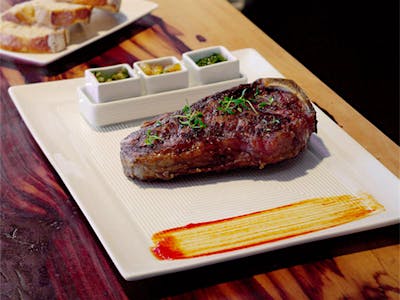
At a Glance
- Cozy
- Casual Hangout
- Outdoor Terrace
- Conventional Wine
Current opening hours
- Monday
- 4:30–9 PM
- Tuesday
- 4:30–9 PM
- Wednesday
- 4:30–9 PM
- Thursday
- 11:30 AM–9 PM
- Friday
- 11:30 AM–10 PM
- Saturday
- 11:30 AM–10 PM
- Sunday
- 11:30 AM–9 PM
Hours can change for holidays and private events. Last verified .
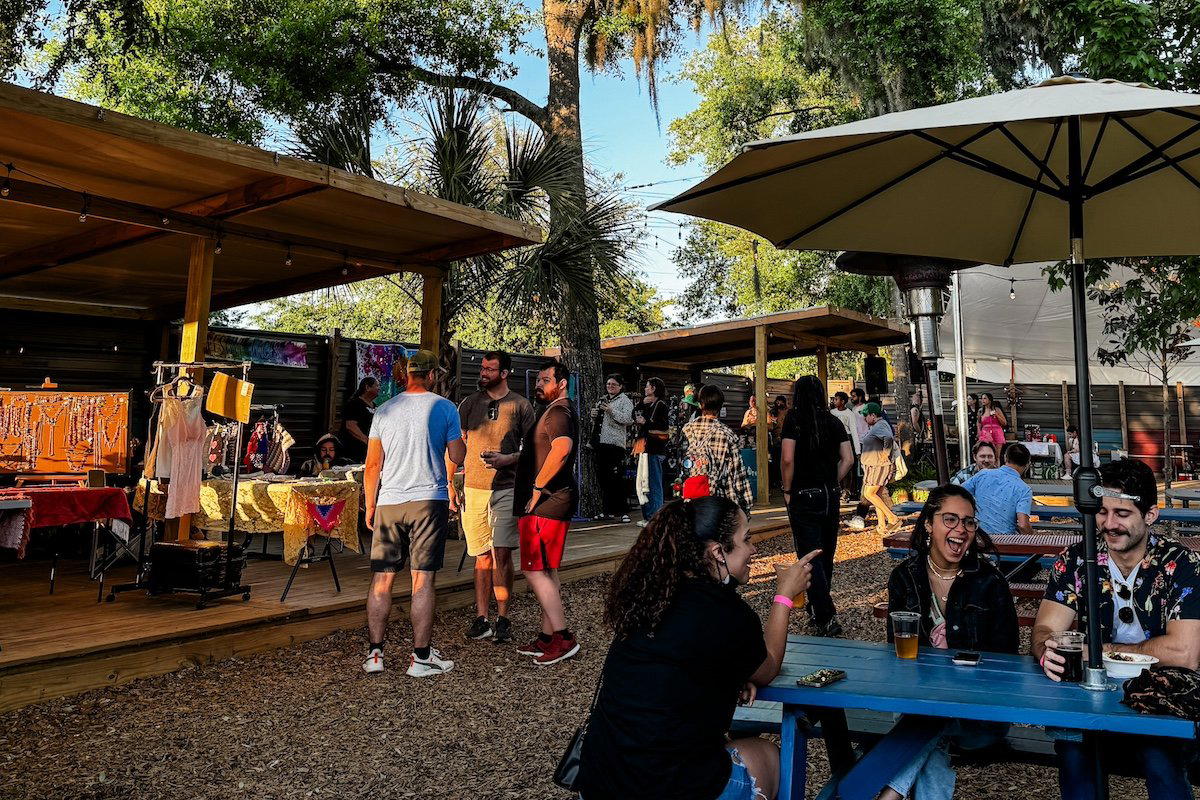
beautiful outdoor bar area with Italian restaurant atmosphere.
Know Before You Go
- Getting there
- 3275 SW 34th St, Gainesville, FL 32608