Our verdict
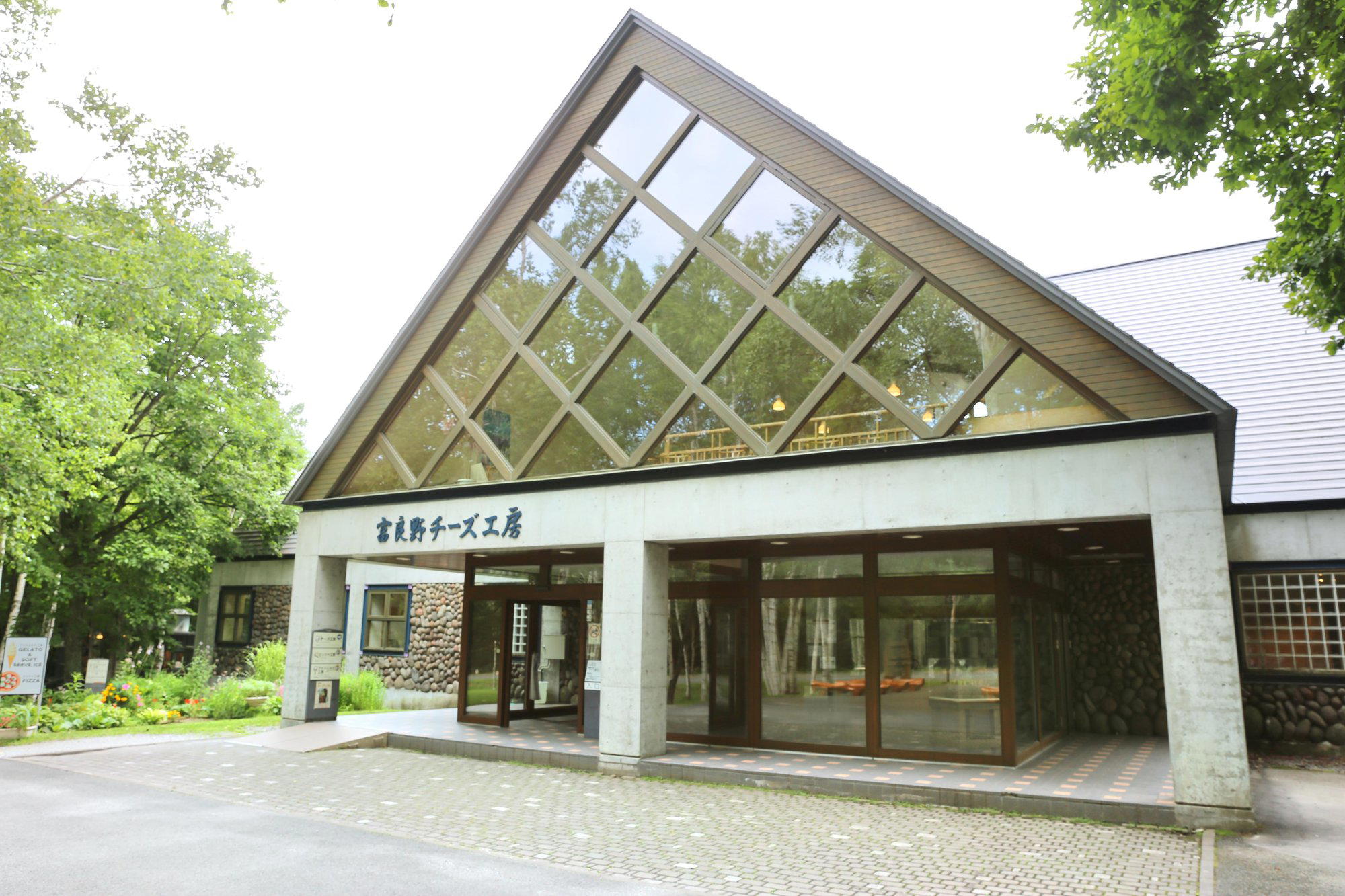
In Furano's farming heartland, Yamadori and Furano Cheese Factory sits where Hokkaido's dairy and agricultural traditions converge on the plate. The region's cool continental climate and rich volcanic soils produce ingredients that define the cooking here, placing this spot within a broader story about Japan's northern island as a serious food-producing territory. For visitors already exploring Furano's lavender fields and ski slopes, the cheese factory dimension adds a production-to-table layer rarely found at this latitude.

Pearl is the En Primeur Club membership app, where members save venues, book tables and use the concierge.
The menu
What to order
- Fresh cheese tasting
- Homemade cheese pizza
Where Hokkaido's Dairy Belt Meets the Table
Furano occupies a basin in central Hokkaido, ringed by mountains that trap cold air and steady snowfall through winter, then give way to warm, luminous summers that accelerate growth in ways that surprise visitors expecting a merely scenic escape. The agricultural logic of this valley is not incidental: the same conditions that make Furano one of Japan's most photographed lavender regions also underpin some of its most consequential dairy production. Milk from Hokkaido herds accounts for the majority of Japan's domestic output, and within that system, the Furano belt has long been associated with cheeses that differ from the processed, factory-scaled products found elsewhere in the country. Yamadori and Furano Cheese Factory positions itself inside that provenance story, drawing on local dairy in a region where the raw material genuinely matters.
The approach belongs to a wider pattern visible across Hokkaido's food scene: the insistence on short supply chains as a structural feature rather than a marketing claim. In a country where fine dining in Tokyo, Osaka, and Kyoto often imports produce from across Japan's archipelago, venues in Hokkaido hold a geographical advantage. The island grows, raises, or catches much of what ends up on its own tables. For context, consider how kaiseki restaurants in Kyoto, such as Gion Sasaki in Kyoto, or innovation-led kitchens like HAJIME in Osaka, source premium Hokkaido dairy and produce specifically because of its reputation for quality. In Furano, that produce is not imported; it is produced locally and used without the added cost and transit time of shipping it south.
The Ingredient Logic of Furano
Hokkaido's dairy region operates under conditions that produce milk with higher fat content and a cleaner flavour profile than much of what is made in Japan's warmer prefectures. The island's grass-fed or mixed-diet herds graze on pastures that benefit from volcanic soil, low humidity during the growing season, and cold winters that reduce the bacterial load in the environment. These are not marginal differences. The cheese tradition that has developed in towns like Furano over the past few decades reflects a genuine attempt to build a regional identity around these inputs, modelled partly on European cheesemaking methods adapted to local conditions.
The Furano Cheese Factory element of this venue places it within a category of food production tourism that has become one of Hokkaido's more compelling draws for visitors arriving from Sapporo or the ski resorts further north. The factory itself, as a concept, signals transparency: production is observable, the connection between raw material and finished product is compressed, and the cheese on the plate carries a traceable geography. This is meaningfully different from what most Japanese restaurants offer, even those with serious sourcing practices. Venues like Harutaka in Tokyo or akordu in Nara curate their sourcing from afar; here, the sourcing is immediate and demonstrable.
Furano Within Hokkaido's Broader Food Geography
Hokkaido divides loosely into coastal seafood territory, centred on Otaru, Hakodate, and the Pacific fishing villages, and an interior dairy and agricultural zone that runs through Furano, Biei, and Asahikawa. These two zones rarely overlap on the same table, which makes Furano's position specific: it is not a seafood-centric destination in the way that Sapporo's Susukino district is, nor does it traffic in the kappo and kaiseki forms that define dining further south. Its identity is agricultural, and its most honest restaurants lean into that rather than importing a format from elsewhere.
For those planning a Hokkaido itinerary that moves beyond Sapporo, Furano functions as a logical waypoint. The town is roughly two hours from Sapporo by direct express train, with JR services running through Asahikawa as well. Ski season, from December through March, brings the heaviest visitor traffic; summer, particularly July when the lavender is at peak, is the second major surge. The shoulder periods of May and September offer quieter access to the valley and its food producers. Our full Hokkaido (Furano) restaurants guide maps the broader dining context for visitors spending more than a day in the area.
Other Hokkaido and northern Japan tables worth considering alongside a Furano visit include 夕佳之 in Sapporo for a more urban Hokkaido dining reference point, and 奥羽山荘 in Nishikawa Machi for a sense of how mountain ryokan cooking in the broader Tohoku region handles local produce with a similar rigour.
Context for the Japanese North
Japan's fine dining conversation tends to centre on Tokyo, Osaka, and Kyoto, where Michelin density, kaiseki tradition, and omakase counter culture create a concentrated reference point for most international visitors. The restaurants holding that metropolitan conversation are serious operations: Goh in Fukuoka, 一本杉川島 in Nanao, and counters at the level of Atomix in New York City or Le Bernardin in New York City all operate within a framework where ingredient provenance is part of the critical vocabulary. What Furano's food scene offers is a version of that provenance logic applied at the production source itself, without the intermediary of a metropolitan kitchen interpreting it.
That is a different proposition, and it suits a different kind of visit. Travellers who have covered the Michelin circuit in Tokyo and Kyoto and want to understand where some of those ingredients originate will find the Furano Cheese Factory context genuinely instructive. It is not a fine dining experience in the metropolitan sense; it is an encounter with the upstream part of Japan's food system, which tends to remain invisible to most visitors eating at the polished end of the market.
For further regional comparisons, the editorial profiles of 湖畔荘 in Takashima, Bistro Ange in Toyohashi, and Denko Sekka in Hiroshima offer a cross-section of how regional Japanese restaurants across the country are using local sourcing as a defining structural choice rather than a decorative one. The pattern that emerges from those comparisons confirms that Furano is not an isolated case but part of a broader realignment in how Japanese dining outside the major cities positions itself.
Planning Your Visit
Furano is most conveniently accessed from Sapporo via the JR Furano Line through Asahikawa, with the journey taking approximately two hours on limited express services. Visitors combining Furano with a wider Hokkaido itinerary sometimes route through Biei, adding a stop that reinforces the agricultural character of this part of the island. Additional regional tables with confirmed details are listed in our Hokkaido (Furano) guide, alongside venues such as Blue Ocean Steak in Nakagami District and Cafe Naoshima Konichiwa in Naoshima for broader context across Japan's regional dining circuit.
Frequently asked questions
Is Yamadori and Furano Cheese Factory good for families?
Furano as a destination tilts family-accessible, particularly in summer when the lavender fields and agricultural attractions draw a wide visitor mix across age groups. The cheese factory component adds a production-observation dimension that tends to engage younger visitors more readily than a conventional restaurant format would.
What should I expect atmosphere-wise at Yamadori and Furano Cheese Factory?
Furano sits in a mountain-ringed agricultural basin in central Hokkaido, and that geography shapes the broader dining register here: rural, production-oriented, and removed from the polished urban environment of Sapporo or the kaiseki formality of Kyoto. The cheese factory element signals a working-facility context rather than a white-tablecloth setting, which typically means a more casual, ingredient-focused atmosphere where the production process is part of the visit.
How does the cheese factory integration at Yamadori in Furano differ from standard Hokkaido dairy tourism?
Most Hokkaido dairy tourism separates production facilities from dining, offering factory tours alongside gift-shop sampling rather than a meal anchored to in-house output. Yamadori and Furano Cheese Factory occupies a narrower category where the cheese-making operation and the dining component share the same site in Furano, placing it alongside a small number of production-integrated venues in Japan where what is made on the premises reaches the table the same day. That supply-chain compression, from milk sourced in central Hokkaido's cold-climate basin to finished cheese served on site, is what distinguishes it from the broader agricultural tourism circuit.
What do people recommend at Yamadori and Furano Cheese Factory?
What is documentable is the regional context: Furano's dairy belt produces milk with higher fat content than much of Japan's domestic supply, which typically shapes cheese output toward richer, cleaner-flavoured profiles. For current menu specifics, reaching out to the venue directly or consulting recent Japanese travel forums focused on Hokkaido's interior is the more reliable route.
At-a-Glance Comparison
Comparable venues nearby, for context on price, style, and recognition.
| Venue | Cuisine | Price | Awards | Notes |
|---|---|---|---|---|
| Furano Cheese FactoryThis venue (the venue you are viewing) | Furano Cheese Factory Experiences | $1–10 | Not listed | Not listed |
| Manpuku Bakery | Japanese Neighborhood Bakery & Sandwich Shop | Not listed | Not listed | Chūō |
| KURUMED COFFEE | Coffee & Café | Not listed | Not listed | Nishi Kokubunji |
| AKHA AMA COFFEE Kagurazaka | Thai specialty coffee café | Not listed | Not listed | Shinjuku |
| Ishinoue | Artisanal bakery and sandwich shop | $1–10 | Tabelog 100 #54 | Kita Ward, Sakai City |
| CHOCOLATE SHOP Honten | Traditional Japanese chocolate & cake shop | $1–10 | Tabelog 100 #81 | Hakata |
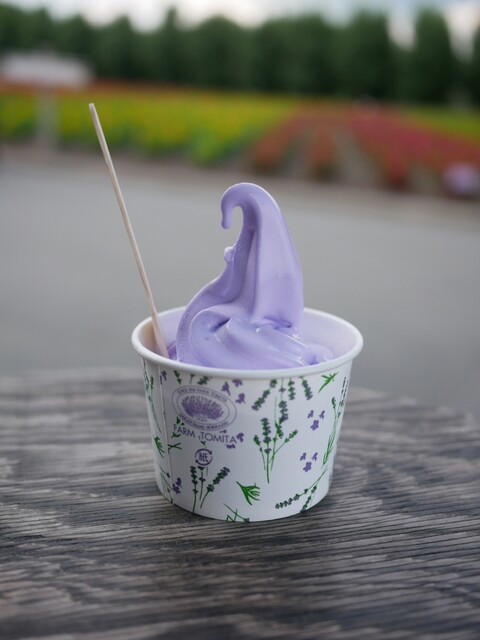
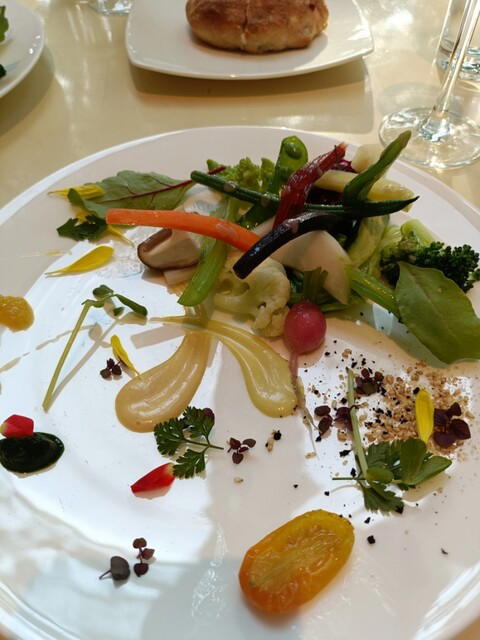
Details
- Rustic
- Scenic
- Family
- Casual Hangout
- Open Kitchen
- Local Sourcing
- Mountain
- A La Carte
Relaxed and family-friendly atmosphere surrounded by nature with a pure, fresh dairy focus.