
Tabelog 100 #50
Our verdict
Onoki gives Asahikawa a chicken-focused counterpoint to the city’s ramen reputation, with Tabelog 100 Chicken Cuisine 2025 recognition placing it in a national conversation rather than a local-only lane. The appeal is practical and specific: poultry cookery, a house-restaurant setting, tatami and counter seating, take-out, sake and shochu, and pricing that keeps it closer to everyday Hokkaido dining than luxury tasting-menu theatre.

Pearl is the En Primeur Club membership app, where members save venues, book tables and use the concierge.
The menu
What to order
- Chidori-age (fried chicken)
- Shinko-yaki (half-grilled spring chicken)
- Tori nabe (chicken hot pot)
- Tori sukiyaki (chicken sukiyaki)
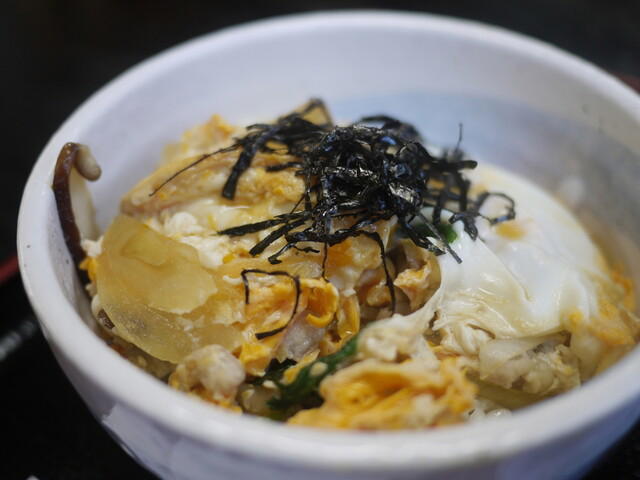
- Oyakodon
Approaching Asahikawa through its everyday dining scene, the mood is practical, local, and quietly regional. Asahikawa is often associated with ramen steam, late trains, and quick bowls; beyond that familiar image, the city also has room for places that focus on a single comforting category. Onoki belongs to that side of Asahikawa: a restaurant where chicken dishes are treated as a full meal category rather than a supporting act.
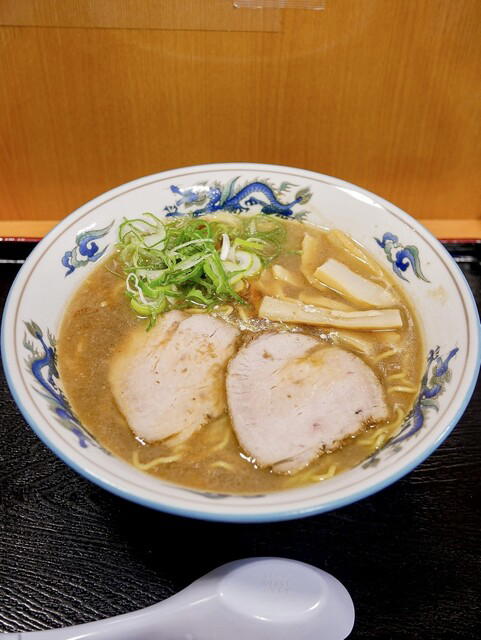
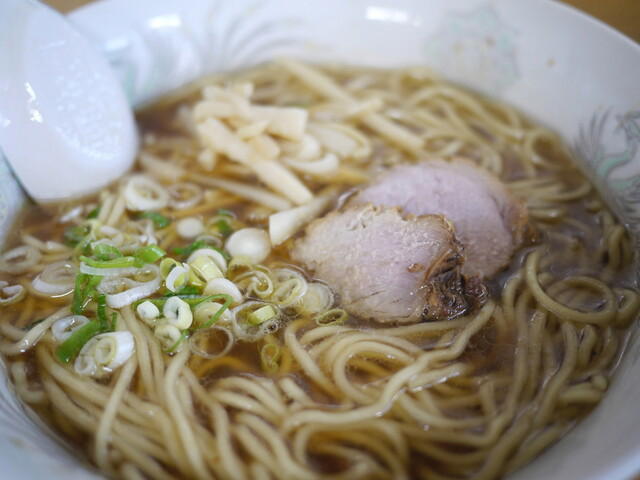
That matters in a city whose food identity is often flattened into soy-sauced ramen. Asahikawa ramen has earned the attention, and places such as Ramen Senmon Himawari keep that tradition close to its everyday roots. But chicken-focused restaurants tell a different Hokkaido story: one of local appetite, modest pricing, and formats built for repeat visits rather than trophy dining. Onoki’s selection in the 2025 Tabelog Hyakumeiten recognition for chicken dishes is the useful signal here. It places a chicken specialist inside a national list for the category, which is not the same thing as fine-dining grandeur, and that distinction is part of the appeal.
Chicken as the main event in a ramen city
Japanese chicken dishes can cover a wider field than one narrow format alone. Regional restaurants may present the category in many everyday ways without needing to frame themselves as formal kaiseki or chef-counter theatre. The point is focus, not ceremony. In Hokkaido, where ingredient identity is often reduced by outsiders to a few familiar products, a chicken specialist offers a quieter view of how local dining can work beyond the most obvious tourist shorthand.
Onoki sits in that lane with a category focus that is unusually clear for Asahikawa visitors. The restaurant is listed under chicken dishes, which gives the meal a straightforward frame. Those signals point to a place built around a focused everyday specialty rather than a broad, all-purpose identity. It is not useful to read it through the tasting-menu economy of Tokyo or Kyoto; it belongs more naturally to the practical pleasures of regional Japan, where specialization is often expressed through repetition and consistency rather than theatrical explanation.
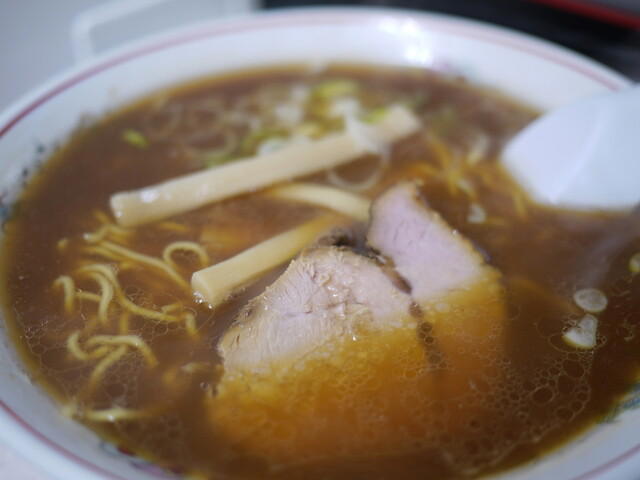
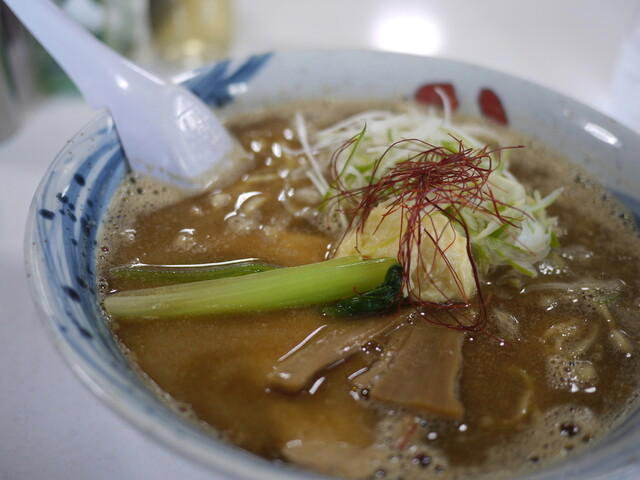
For travelers mapping Asahikawa by appetite, the comparison is useful. Other Asahikawa dining rooms give additional reference points within the city, while ramen names such as Ramen Senmon Himawari sit in a casual noodle lane. Ramen comparisons including Ramen Senmon Tsuruya, Hachiya Asahikawa honten, Ramenya Tenkin Shijou ten, and Shoga Ramen Mizuno show how strongly the region’s casual dining image is tied to bowls. A chicken specialist with national category recognition widens the frame without abandoning the city’s preference for accessible, unpretentious meals.
Why sourcing context matters in Hokkaido poultry
Ingredient context is not only about luxury labels. In northern Japan, it is also about climate, distribution, and the way restaurants build menus around dependable local demand. Hokkaido’s scale makes supply chains feel different from those in compact urban markets: producers sit farther apart, seasons are sharper, and diners often recognize value through freshness, portioning, and price discipline rather than imported prestige. Chicken dishes fit that culture well because the category can support everyday meals without forcing a restaurant into a narrow special-occasion role.
That is the editorial case for Onoki. The restaurant’s recognition is attached to chicken dishes, not a broad “Japanese” category, and that specificity makes the visit more instructive. It shows how a regional city can sustain a specialist outside the obvious tourist scripts. Its listed price range of JPY 1,000 - JPY 1,999 also keeps the emphasis on accessible regional eating rather than luxury positioning.
Asahikawa’s dining scene rewards this kind of side-step. Ramen may define the first meal, but the second or third meal should test another local habit. For broader planning, Our full Asahikawa restaurants guide is the natural place to build the route, with parallel city coverage in Our full Asahikawa hotels guide, Our full Asahikawa bars guide, Our full Asahikawa wineries guide, and Our full Asahikawa experiences guide. The point is not to replace the ramen itinerary; it is to keep Asahikawa from becoming a single-dish city in the traveler’s mind.
How to read the room
The practical restaurant format is an important clue. Onoki is best read as a focused Asahikawa stop rather than a polished special-occasion dining room. Its Tabelog listing gives a score of 3.55 and places it in the JPY 1,000 - JPY 1,999 range, which helps explain why the restaurant fits naturally into an everyday itinerary.
For planning, the key is to treat Onoki as a category-led meal. The restaurant is recognized in the 2025 Tabelog Hyakumeiten list for chicken dishes, and its raw phone contact is listed as +81-166-36-1146.
For readers building a wider Japan food file, the useful comparison is not only within Asahikawa. Category specialists across the country often tell clearer stories than broad “Japanese cuisine” labels: restaurants devoted to one main ingredient, one preparation style, or one everyday format can make the same argument in different registers. Even outside Japan, focused formats show how a narrow category can carry more cultural information than a long, unfocused menu.
The verdict is simple: in Asahikawa, Onoki is the poultry detour that makes the city’s dining map more complete. Go for the category focus, the Hokkaido context, and the chance to see chicken dishes treated as the meal’s center of gravity rather than a side note.
Frequently asked questions
Is Onoki okay with children?
No specific child policy is provided in the available venue facts. Onoki’s listed JPY 1,000 - JPY 1,999 price range may help families assess whether it suits their plans.
What should I expect atmosphere-wise at Onoki?
Expect a focused Asahikawa restaurant rather than a formal destination dining room. Its 2025 Tabelog Hyakumeiten recognition for chicken dishes gives it enough credibility to stand out while keeping the emphasis on everyday regional appeal.
What's the pricing like at Onoki?
Pricing at Onoki is listed as JPY 1,000 - JPY 1,999.
What is Onoki known for?
Onoki is known in Asahikawa for chicken dishes and for its 2025 Tabelog Hyakumeiten recognition in that category.
In Context: Similar Options
Comparable venues by cuisine and price in the same metro.
| Venue | Cuisine | Price | Awards | Notes |
|---|---|---|---|---|
| OnokiThis venue (the venue you are viewing) | Traditional Hokkaido chicken specialties | $10–20 | Tabelog 100 #50 | Not listed |
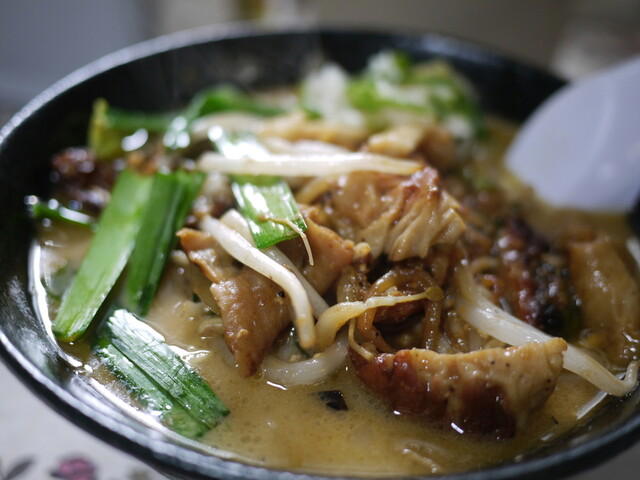
| Ramen Senmon Himawari | Asahikawa ramen shop famous for hormone miso “Morumen” | $10–20 | Tabelog 100 #84 | Taisetsudori |
| Minato | Edomae-Style Sushi with Hokkaido Seafood | $150–200 | Tabelog Bronze #276 | 3-jo-dori (downtown Asahikawa) |
| 相撲料理神雷 | Sumo Chanko Nabe | Not listed | Not listed | 三井寺 |
| Kumasotei (熊襲亭) | Authentic Satsuma Shabu-Shabu | Not listed | Not listed | 天文館 |
| 1000mヒュッテ 1000m Hut | Mountain Café - Japanese & Western | Not listed | Not listed | Niseko Grand Hirafu |
Recognition history
Dated appearances from independent guides and award organizations, with the underlying list record or original source where available.
Tabelog 100 #50 · No. 50
Tabelog · Tabelog 100 - Chicken cuisine - 2025
Continue exploring
More in Asahikawa
Details
- Classic
- Cozy
- Scenic
- Intimate
- Family
- Group Dining
- Casual Hangout
- Special Occasion
- Solo
- Garden
- Standalone
- Historic Building
- Garden
- A La Carte
Current opening hours
- Monday
- Closed
- Tuesday
- Closed
- Wednesday
- 11 AM–3 PM
- Thursday
- 11 AM–3 PM
- Friday
- 11 AM–3 PM
- Saturday
- 11 AM–8:30 PM
- Sunday
- 11 AM–8:30 PM
Hours can change for holidays and private events. Last verified .
A traditional, house-style Japanese restaurant with private rooms and views of a small Japanese garden, offering a calm, classic atmosphere suited to unhurried meals rather than quick bites.