Yalla Habibi
Our verdict
Yalla Habibi serves Lebanese food at 921 Sixth Ave in San Diego, with an upscale-casual setup, conversational noise, and a casual dress code for lunch or dinner.

Pearl is the En Primeur Club membership app, where members save venues, book tables and use the concierge.

Downtown San Diego's Middle Eastern Counter
On Sixth Avenue in the Cortez Hill edge of downtown San Diego, the address 921 places Yalla Habibi within walking distance of Balboa Park's institutional corridor and the denser restaurant clusters of the Gaslamp Quarter. That positioning matters for context: downtown San Diego's dining character has historically leaned toward large-format American, seafood, and sushi concepts. Middle Eastern cooking at a serious level has occupied a smaller share of that scene, which makes how a menu is built here a more consequential editorial question than it might be in, say, Dearborn or Anaheim.
The name itself carries social weight before a dish arrives. "Yalla" (Arabic for "let's go" or "come on") and "Habibi" ("my dear") together signal an informal register, the kind of warmth that defines Lebanese and Levantine hospitality culture at its most communal. That language choice is a menu philosophy as much as branding: it suggests a format built around sharing, sequence, and generosity of portion rather than tasting-menu restraint or plated minimalism.
What the Menu Structure Tells You
Middle Eastern menus, when done with structural care, tend to resist the Western appetizer-entree-dessert framework in favor of a meze logic: many smaller plates arriving simultaneously or in loose waves, with bread as a constant, dips as foundation, and proteins appearing later as anchors rather than centerpieces. That format puts specific demands on a kitchen. The quality of hummus, baba ghanoush, and fattoush tells you more about a Middle Eastern kitchen's sourcing and calibration than any showpiece protein dish does, because these preparations have almost no place to hide.
San Diego's broader restaurant culture has moved steadily toward what critics call "ingredient-led" cooking, a trend visible at spots like Addison (French, Contemporary) at the top of the market and at the more accessible Mediterranean-Californian tier occupied by places such as Callie. Yalla Habibi sits within a different tradition, one where the ingredient philosophy is already encoded in the cuisine's origins: seasonal vegetables, legumes, high-quality olive oil, and fresh herbs are structural rather than decorative. The menu's logic, insofar as it reflects the Levantine tradition, is less about innovation and more about execution fidelity.
For a reader calibrating expectations: this is not the format of Soichi (Japanese), where omakase sequencing and counter theater define the experience, nor the scale of a tasting-menu room. It is closer in spirit to the communal sharing formats that characterize Lebanese, Palestinian, and broader Levantine dining across the world, adapted for a downtown San Diego address.
Downtown Positioning and Peer Context
At 921 Sixth Ave, Yalla Habibi occupies a corridor that includes a diverse range of dining operators. The surrounding blocks have seen turnover in recent years as downtown San Diego's residential density has increased, bringing a more consistent lunch-and-dinner local population rather than purely tourist or event-driven traffic. That demographic shift has generally supported more ambitious independent operators in the area.
Compared against the downtown San Diego dining set more broadly, Middle Eastern formats tend to hold a price-to-portion advantage: the meze structure allows guests to eat well at a range of spend levels, since the depth of the meal is determined by how many plates are ordered rather than by a fixed tasting price. This contrasts with the prix-fixe model at spots like 1450 El Prado or the legacy dining rooms such as 94th Aero Squadron and 94th Aero Squadron San Diego, which carry different format expectations and price architectures.
At the far end of the San Diego dining spectrum, our full San Diego restaurants guide maps the full range from accessible neighborhood spots through to the Michelin-recognized tier.
The Levantine Tradition in an American City
Middle Eastern cooking in American cities has moved through several phases. The first generation of operators often served a hybrid version of the cuisine, simplified for unfamiliar palates. A second wave, arriving in cities with larger diaspora populations, returned to regional specificity: the distinctions between Lebanese, Syrian, Israeli, Yemeni, and Egyptian cooking became legible on menus. The current moment in cities like San Diego, which lacks the Middle Eastern community density of Los Angeles or Detroit, is a transitional one: operators need to serve both guests with deep familiarity with the cuisine and guests approaching it for the first time.
That dual audience shapes menu architecture in observable ways. A menu written for dual audiences typically leads with accessible reference points (hummus, falafel, shawarma) while embedding less familiar preparations (kibbeh, muhammara, shanklish) deeper in the structure. The ordering logic itself becomes educational without being didactic, a function that well-built ethnic cuisine menus serve that purely trend-driven concepts rarely do. This is a format where the cooking tradition does the editorial work; the kitchen's job is to execute it with enough fidelity that the tradition comes through.
For readers who want to place Yalla Habibi in a national dining frame: the ambition level here is not comparable to Michelin-tracked tasting rooms like Le Bernardin in New York City, Alinea in Chicago, or The French Laundry in Napa. It is also distinct from farm-to-table formats like Blue Hill at Stone Barns in Tarrytown or Single Thread Farm in Healdsburg. The relevant comparison set is the independently operated, cuisine-specific restaurant that derives its authority from the tradition it represents rather than from chef celebrity or award accumulation. Comparable positions in other cities might include well-regarded Lebanese or Levantine independents in Los Angeles, near where Providence in Los Angeles operates at the city's fine-dining peak while the broader scene supports a wide range of cuisine-specific operators below it.
Planning Your Visit
The table below positions Yalla Habibi against nearby reference points to help readers calibrate format and spend expectations.
| Venue | Format | Price Tier | Booking |
|---|---|---|---|
| Yalla Habibi | Middle Eastern, sharing | Not confirmed | Not confirmed |
| Addison | French Contemporary, tasting | $$$$ | Advance required |
| Callie | Mediterranean-Californian, sharing | $$ | Recommended |
| Soichi | Japanese omakase | $$$$ | Weeks in advance |
| Trust | New American | $$$ | Recommended |
Address: 921 Sixth Ave, San Diego, CA 92101.
Frequently asked questions
What should I eat at Yalla Habibi?
The Levantine meze tradition, which almost certainly shapes this menu's structure, rewards guests who order broadly rather than narrowly. In Middle Eastern cooking, the spread of dips, salads, and flatbreads at the start of a meal carries as much weight as the protein dishes that follow. Expect hummus, baba ghanoush, and similar preparations to anchor the opening phase of the meal, with grilled or slow-cooked proteins arriving as the meal deepens. The cuisine tradition at venues like this positions shared ordering as both the practical and culturally correct approach.
Should I book Yalla Habibi in advance?
Downtown San Diego's dining corridor on Sixth Avenue draws a mix of local residents, hotel guests, and visitors to Balboa Park, particularly on weekend evenings. Independent Middle Eastern restaurants in urban downtown locations at this price tier tend to fill on Friday and Saturday nights without the booking depth of Michelin-tracked rooms like Atomix in New York City or Lazy Bear in San Francisco. Booking ahead for weekend visits is a reasonable precaution; weekday walk-in availability is more likely.
Is Yalla Habibi suitable for groups or large tables?
The meze-based sharing format that characterizes Levantine dining is structurally well-suited to groups: ordering across a wide range of smaller plates distributes decision-making and allows a table to sample the menu's full range rather than committing to individual entrees. In San Diego's downtown dining scene, Middle Eastern formats at this address tier tend to accommodate tables of four to eight guests more naturally than tasting-menu rooms, which typically have seat-count constraints. For groups larger than six, confirming capacity and group booking policy directly with the venue is advisable.
Cuisine Context
Comparable venues nearby, for context on price, style, and recognition.
| Venue | Cuisine | Price | Notes |
|---|---|---|---|
| Yalla HabibiThis venue (the venue you are viewing) | Lebanese | $20–30 | Not listed |
| Aladdin Hillcrest | Lebanese Mediterranean | $30–50 | Uptown |
| Candelas | Dining | Not listed | San Diego |
| Relic Bakery | Artisanal French Bakery & Cafe | $10–20 | Downtown |
| Huapangos | Authentic Mexican | $20–30 | Uptown |
| 1500 Ocean | Dining | Not listed | San Diego |
Continue exploring
More in San Diego
Restaurants in San Diego
All restaurants in San Diego →
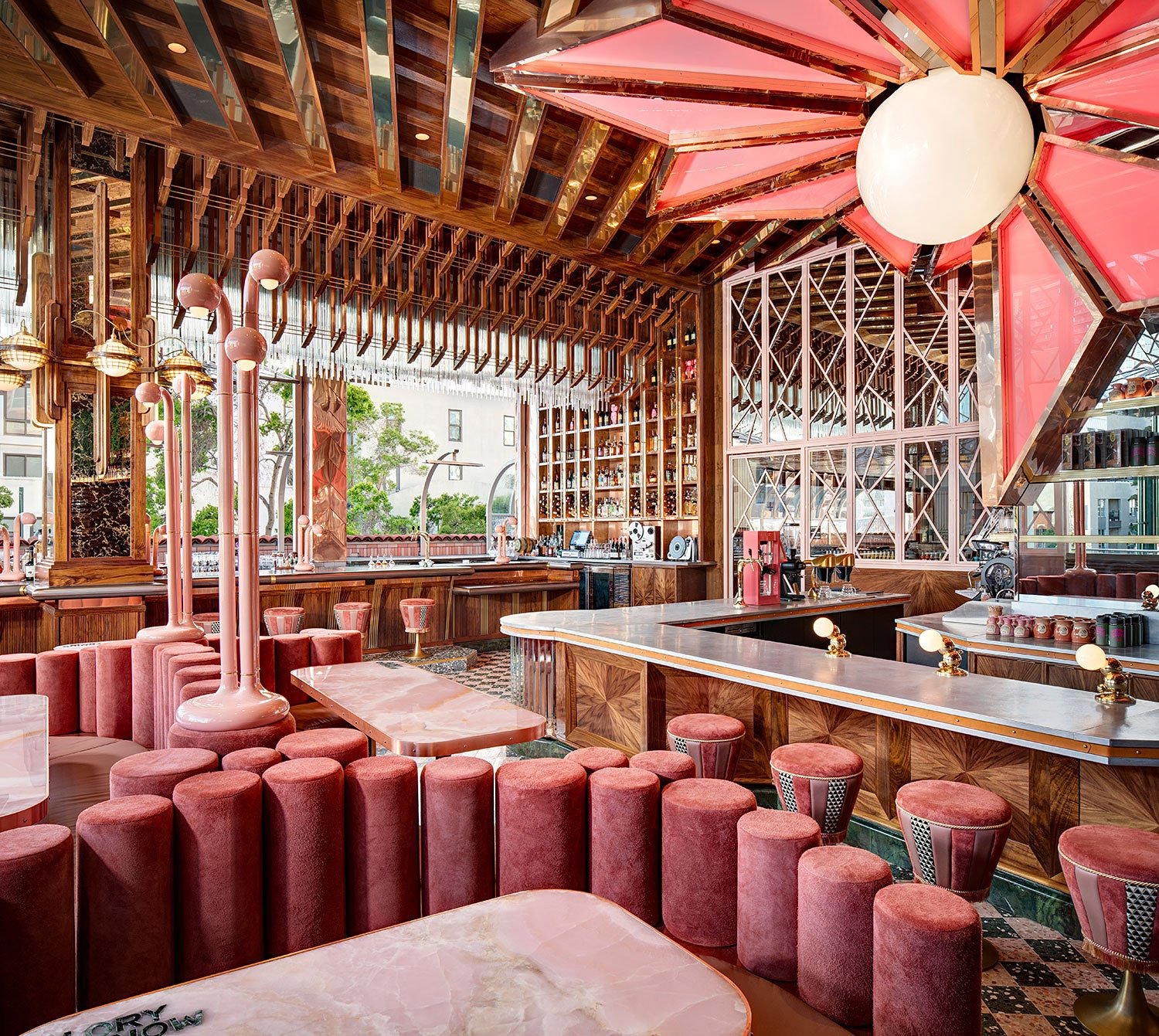
Bars in San Diego
All bars in San Diego →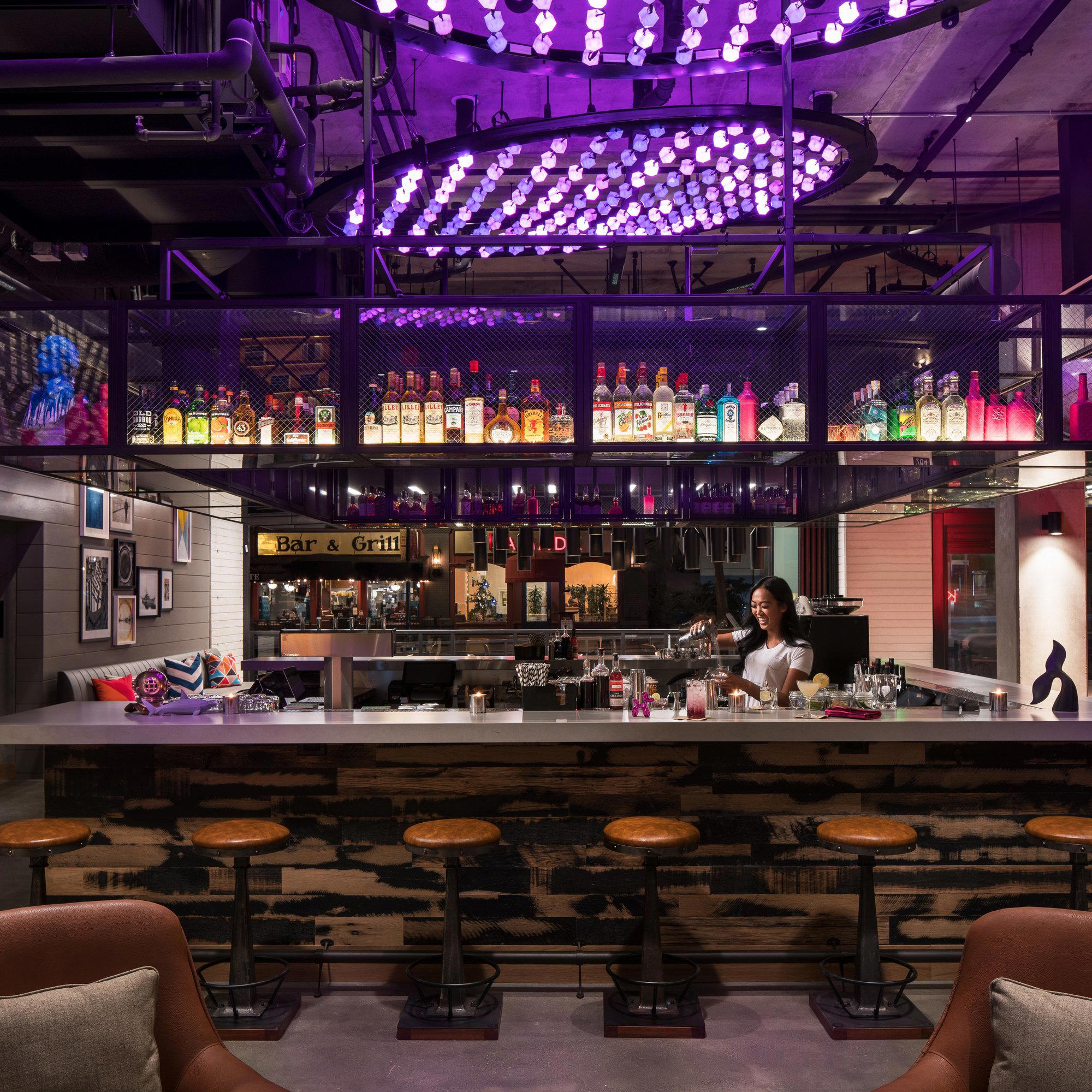
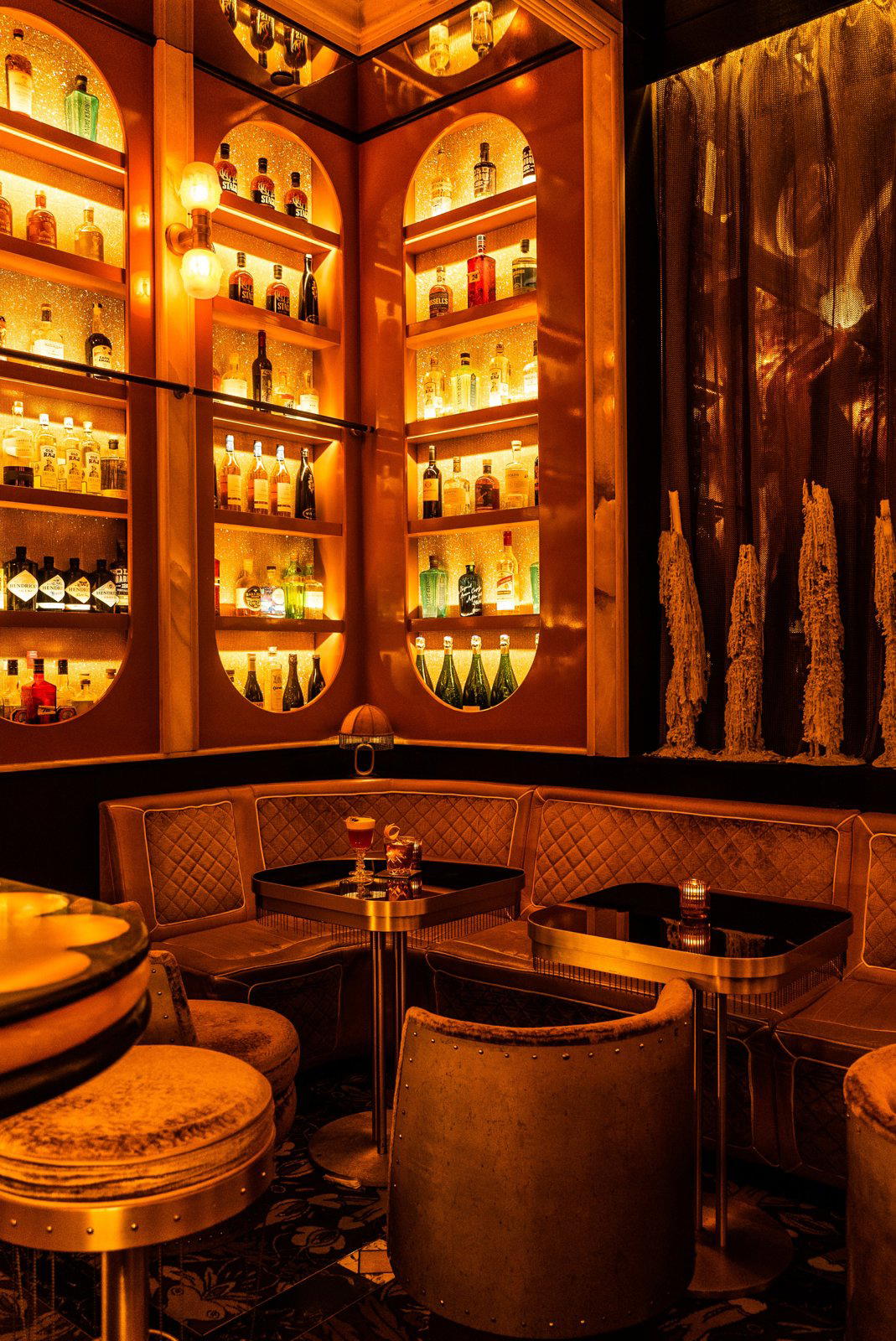
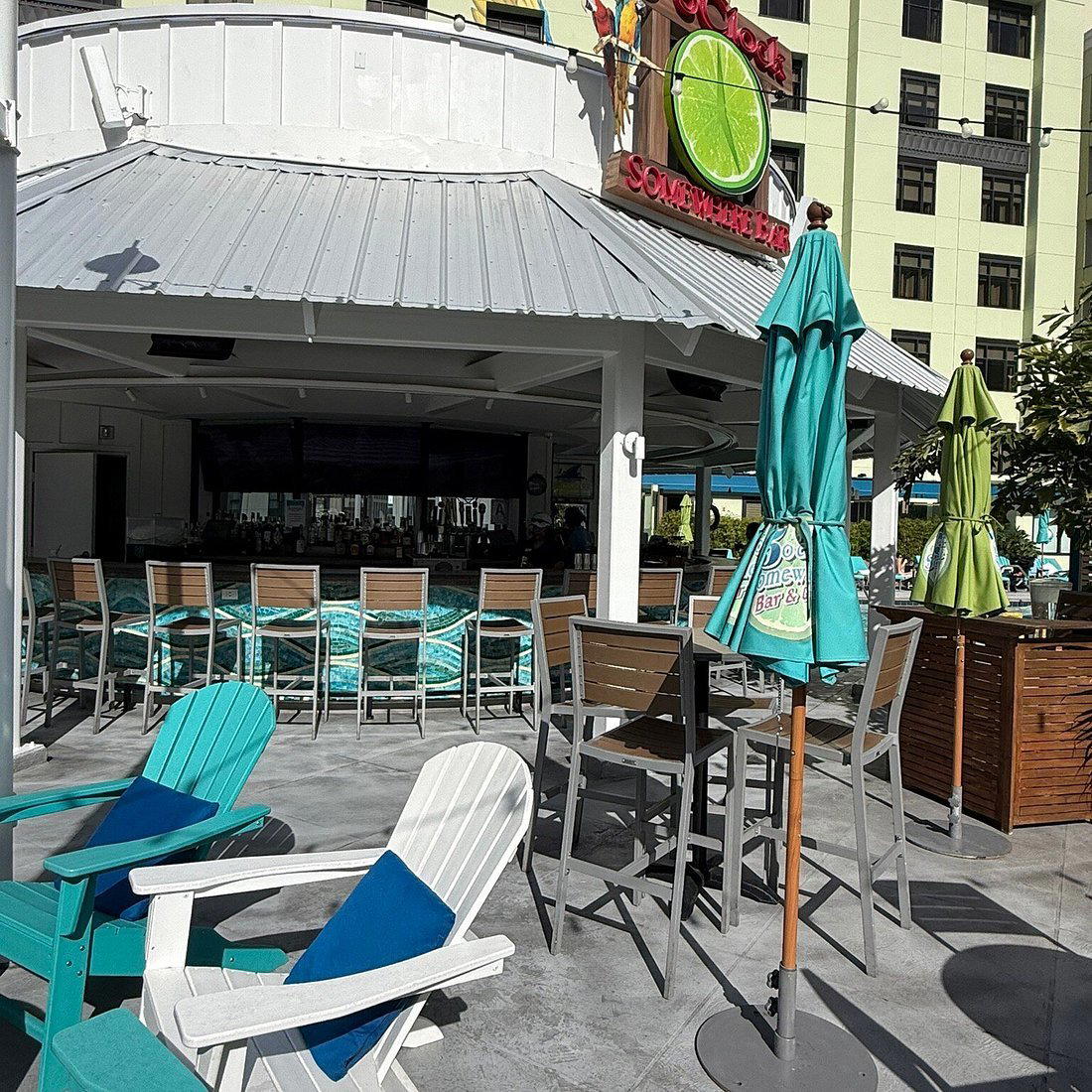
Details
- Lively
- Trendy
- Casual Hangout
- Group Dining
- A La Carte
- Halal
Current opening hours
- Monday
- 11 AM–10 PM
- Tuesday
- 11 AM–10 PM
- Wednesday
- 11 AM–10 PM
- Thursday
- 11 AM–10 PM
- Friday
- 11 AM–3:30 AM
- Saturday
- 11 AM–3:30 AM
- Sunday
- 11 AM–10 PM
Hours can change for holidays and private events. Hours as of .
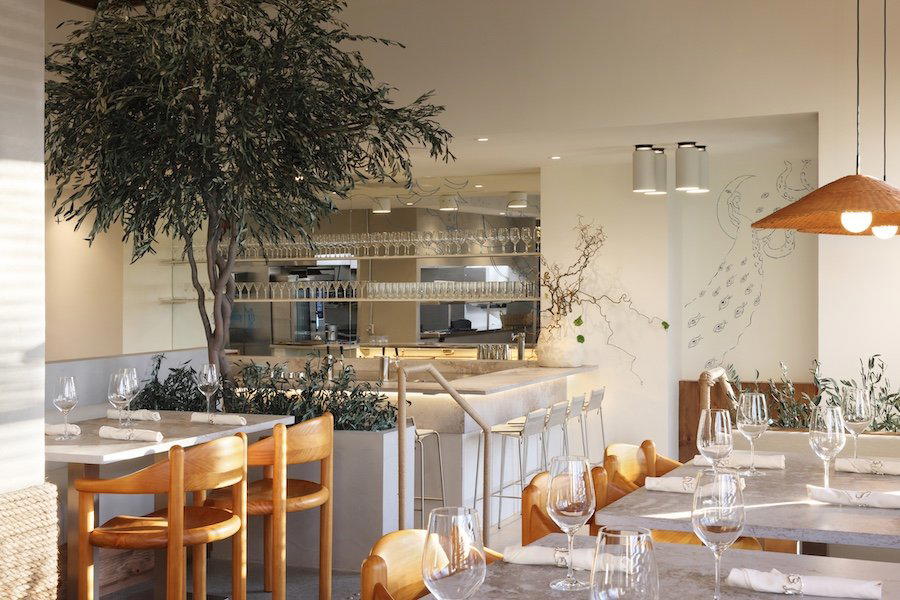
Lively and comfortable Mediterranean atmosphere with moderate noise levels.