
Michelin Bib Gourmand
Our verdict
It represents the kind of neighbourhood Vietnamese rice-table cooking that Hanoi does quietly and well: affordable, consistent, and grounded in tradition. Its ₫ price tier makes it one of the more accessible entries in the city's recognised dining circuit.

Pearl is the En Primeur Club membership app, where members save venues, book tables and use the concierge.
The menu
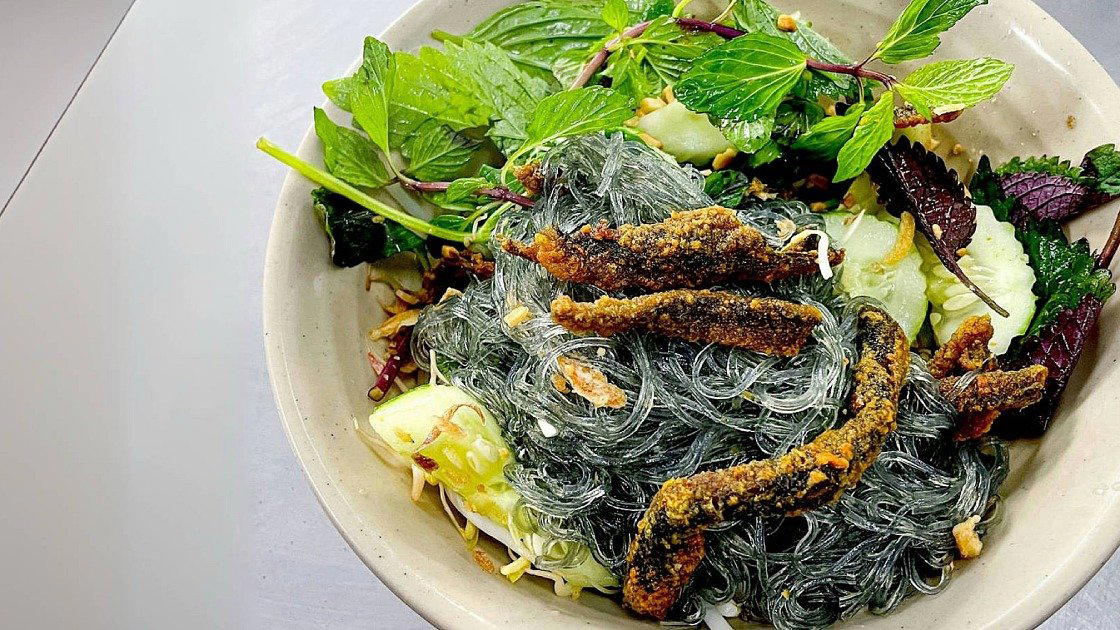
What to order
- Stir-fried water spinach with garlic
- Deep-fried tofu with green onion
- Caramelized pork belly and eggs
Smoke, Rice, and the Street-Level Standard That Michelin Keeps Coming Back To
Láng Hạ is not the part of Hanoi that most visitors photograph. The street runs through Đống Đa district, west of Hoàn Kiếm Lake, lined with residential blocks and local commerce rather than colonial façades or neon-lit beer corners. It is precisely the kind of address where Hanoi's most reliable neighbourhood cooking tends to operate: no tourism premium, no English-language signage designed for passing trade, just a room full of people who live nearby eating the way they always have. Xới Cơm sits at number 36 on that street, and twice now, in 2024 and again in 2025, the Michelin Guide has awarded it a Bib Gourmand, the guide's designation for cooking that delivers quality above what the price would suggest.
What the Bib Gourmand Designation Actually Signals Here
The Bib Gourmand category has a specific meaning in the context of Vietnam's rapidly expanding Michelin coverage. It is not a consolation tier. In cities like Tokyo and Paris, Bib-listed addresses are often the ones serious food travellers prioritise over starred rooms, precisely because the cooking is disciplined and the format is honest. Consecutive Bib Gourmand recognition in 2024 and 2025 tells a specific story: this is not a place that performed well once for an inspector and then coasted. Consistency is the metric, and Xới Cơm has demonstrated it across two separate cycles of evaluation.
For context within Hanoi's recognised dining circuit, the price positioning here is at the single-dong tier, the city's most affordable bracket. Compare that to Tầm Vị, which operates at the ₫₫ level, or Bếp Prime and Cau Go further up the pricing ladder. Xới Cơm occupies the same accessible tier as 1946 Cua Bac, and both represent the argument that Hanoi's most compelling food does not require a reservation system or a tasting menu format.
The Charcoal Tradition Behind Vietnamese Rice-Table Cooking
The name Xới Cơm translates directly to the act of scooping rice, the gesture at the centre of Vietnamese communal eating. Rice-table formats in Hanoi are built around accompaniments: grilled meats, braised proteins, fermented condiments, and soups arranged around a central bowl of steamed rice. The grilled and charcoal-cooked elements are where Vietnamese street cooking most clearly distinguishes itself from its regional counterparts. Bún chả, the city's most recognised grilled-meat format, uses charcoal to produce a specific char on minced and sliced pork patties, served with cold vermicelli and a fish-sauce dipping broth. Nem nướng, grilled pork sausage, operates on a similar principle: fat rendering over heat, smokiness absorbed by the protein, texture created by direct flame rather than oven or steam.
These techniques are old and not particularly secret, but their execution varies enormously across the city. The difference between a competent bún chả and a memorable one is calibration: coal temperature, meat fat ratio, grill timing, the balance of sweet and acid in the dipping liquid. The Michelin Bib Gourmand, by its definition, identifies places where that calibration is reliable enough to recommend to a reader who has one meal to spend on the format.
Neighbourhood Eating in the Context of Hanoi's Wider Food Scene
Hanoi's dining recognition has expanded significantly since the Michelin Guide first covered Vietnam. The 2024 and 2025 guides have mapped a scene that runs from technically intricate contemporary Vietnamese rooms at the ₫₫₫₫ tier, such as Gia, down to single-dong addresses like Xới Cơm where the cooking is traditional, the room is functional, and the value is the point. Neither end of that spectrum renders the other less relevant. A traveller who eats only at fine-dining addresses in Hanoi misses the logic of how Vietnamese food actually works as a daily system. A traveller who eats only at street-level addresses misses the ambition and technique developing at the higher tiers.
Xới Cơm belongs to the part of the Hanoi dining map that the Michelin Guide frames as essential rather than incidental.
Vietnamese cooking recognised outside Vietnam operates on a different set of terms. Anan Saigon in Ho Chi Minh City and La Maison 1888 in Da Nang represent the higher-production end of the country's recognised dining. Diaspora-led interpretations in cities like Portland and Orlando, alongside regional adjacents like Ăn Chơi in Hong Kong, An Nam in Singapore, and Agave in Ubon Ratchathani, each translate the tradition through a different lens. Ăn Thôi in Da Nang offers another regional reference point. Xới Cơm is the source material: the untranslated original, operating on its own terms in its own neighbourhood.
Practical Notes for Planning a Visit
The address at 36 P. Láng Hạ, Đống Đa, places Xới Cơm roughly fifteen minutes southwest of Hoàn Kiếm Lake by taxi or ride-hail. For visitors staying in the Old Quarter or near Hoan Kiem, the distance is manageable and removes the restaurant entirely from the tourist-adjacent dining circuit that surrounds the lake. The single-dong price tier means a meal here registers as negligible against any travel budget. Additional planning resources cover Hanoi hotels, bars, experiences, and wineries.
Frequently asked questions
What should I eat at Xới Cơm?
Similar Picks
| Venue | Cuisine | Price | Awards | Notes |
|---|---|---|---|---|
| Xới CơmThis venue (the venue you are viewing) | Northern Vietnamese Home Cooking | $1–10 | Michelin Bib Gourmand | Not listed |
| Hibana by Koki | Michelin-Starred Japanese Teppanyaki | $200–300 | 1 Michelin Star · La Liste Top Restaurants | Teppanyaki, ₫₫₫₫ |
| Tầm Vị | Northern Vietnamese Home-Style | $10–20 | 1 Michelin Star | Vietnamese, ₫₫ |
| Gia | Modern Vietnamese Fine Dining | $100–150 | 1 Michelin Star · La Liste Top Restaurants | Vietnamese Contemporary, ₫₫₫₫ |
| 1946 Cua Bac | Northern Vietnamese | $10–20 | Michelin Bib Gourmand | Vietnamese, ₫ |
| Bun Cha Ta (Nguyen Huu Huan Street) | Authentic Vietnamese Bun Cha | $1–10 | Michelin Bib Gourmand | Noodles, ₫ |
Recognition history
Dated appearances from independent guides and award organizations, with the underlying list record or original source where available.
Michelin Bib Gourmand
Michelin
Full recognition history (3 entries)
Michelin Bib Gourmand
Michelin
Michelin Bib Gourmand
Michelin
Continue exploring
More in Hanoi
Restaurants in Hanoi
All restaurants in Hanoi →



Details
- Cozy
- Rustic
- Classic
- Family
- Casual Hangout
- Historic Building
- Local Sourcing
- A La Carte
- Family Style
- Vegetarian Friendly
Current opening hours
- Monday
- 10 AM–2 PM, 5–9 PM
- Tuesday
- 10 AM–2 PM, 5–9 PM
- Wednesday
- 10 AM–2 PM, 5–9 PM
- Thursday
- 10 AM–2 PM, 5–9 PM
- Friday
- 10 AM–2 PM, 5–9:30 PM
- Saturday
- 10 AM–2 PM, 5–9:30 PM
- Sunday
- 10 AM–2 PM, 5–9:30 PM
Hours can change for holidays and private events. Hours as of .
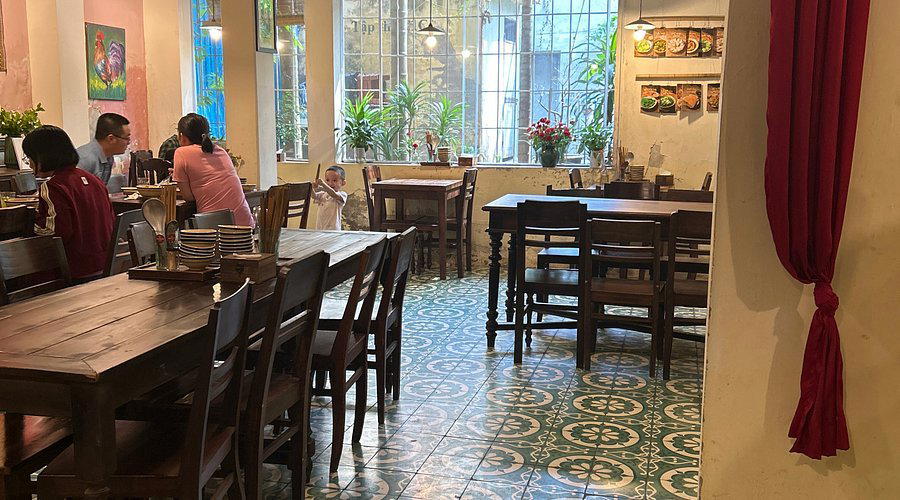
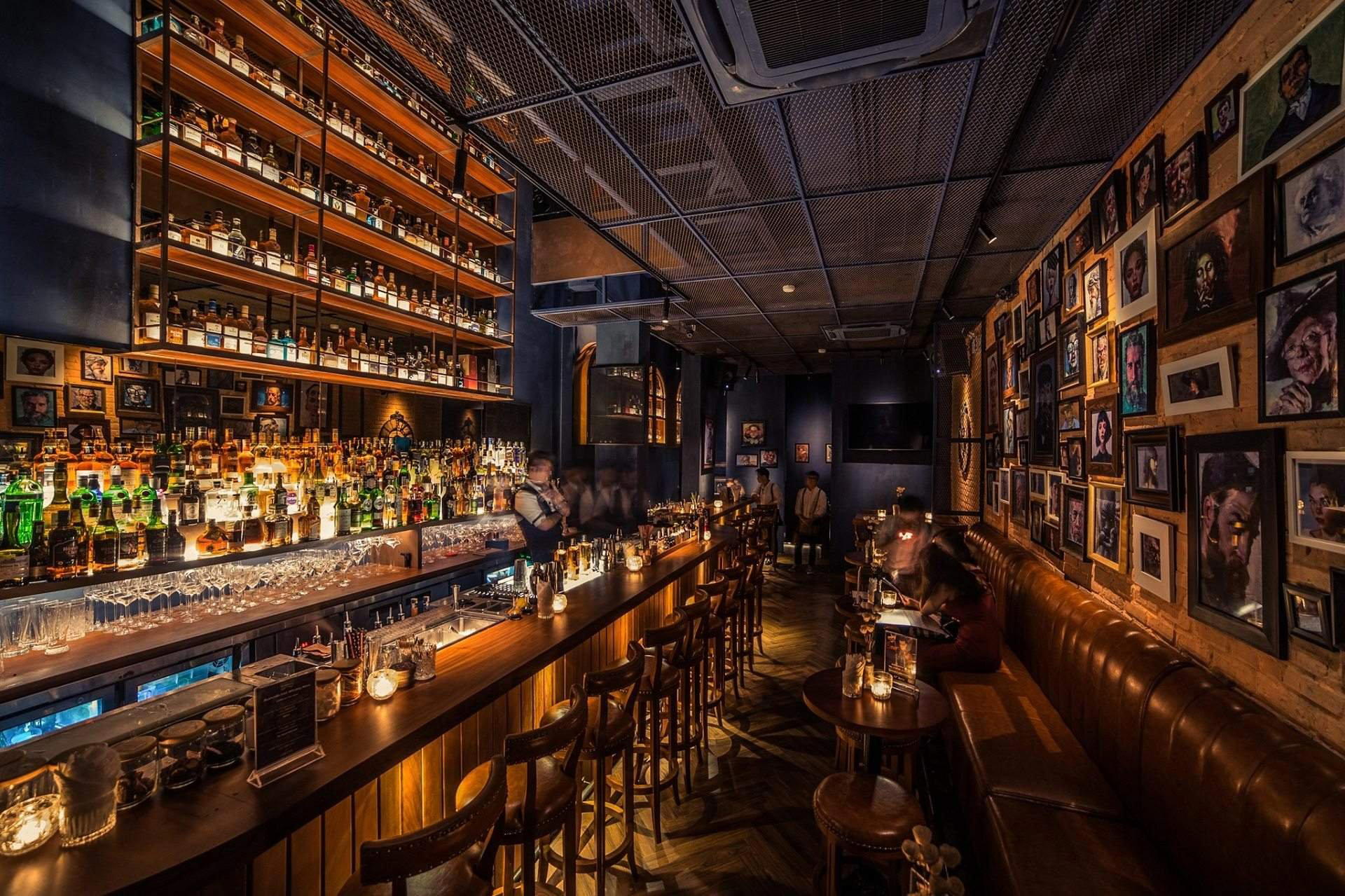
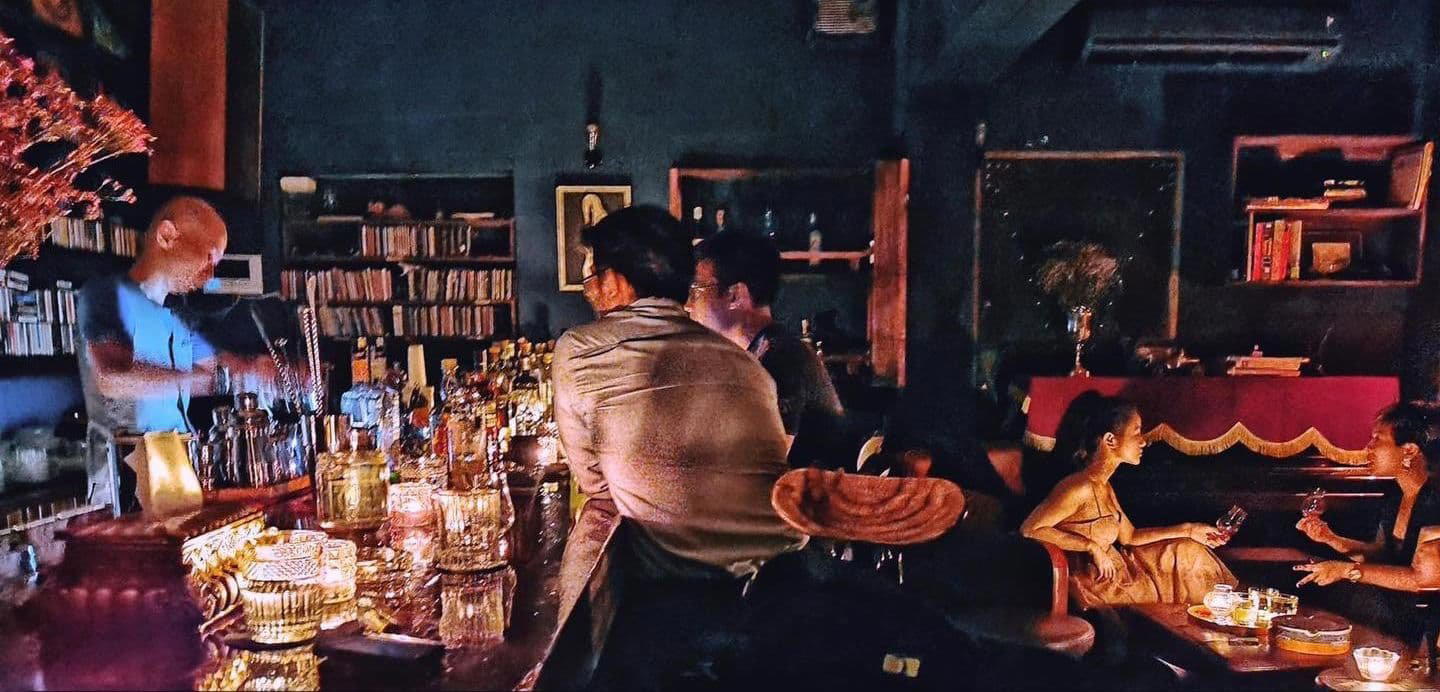
Cosy vintage interior reminiscent of 1980s-1990s Hanoi houses, creating a warm, peaceful, and nostalgic family atmosphere.