Worton Kitchen Garden
Our verdict
A working kitchen garden near Witney, Oxfordshire, where the growing calendar shapes the menu rather than the other way around. Worton Kitchen Garden operates from a farm setting in the Evenlode Valley, positioning itself within a small but serious tier of British garden-to-table venues where provenance and seasonal discipline matter more than formal dining codes.

Pearl is the En Primeur Club membership app — saves, bookings, and concierge access live there. Same editors, same standards.
- Address
- Worton Farm, Worton, Near Cassington OX29 4SU, United Kingdom
- Phone
- +447710634631
- Hours
- Mon–Tue ClosedWed–Thu 10 AM–4 PMFri–Sat 10 AM–10 PMSun 10 AM–4 PM
- Website
- wortonkitchengarden.com
- Directions
- Get directions
- Booking
- Book on the venue's website
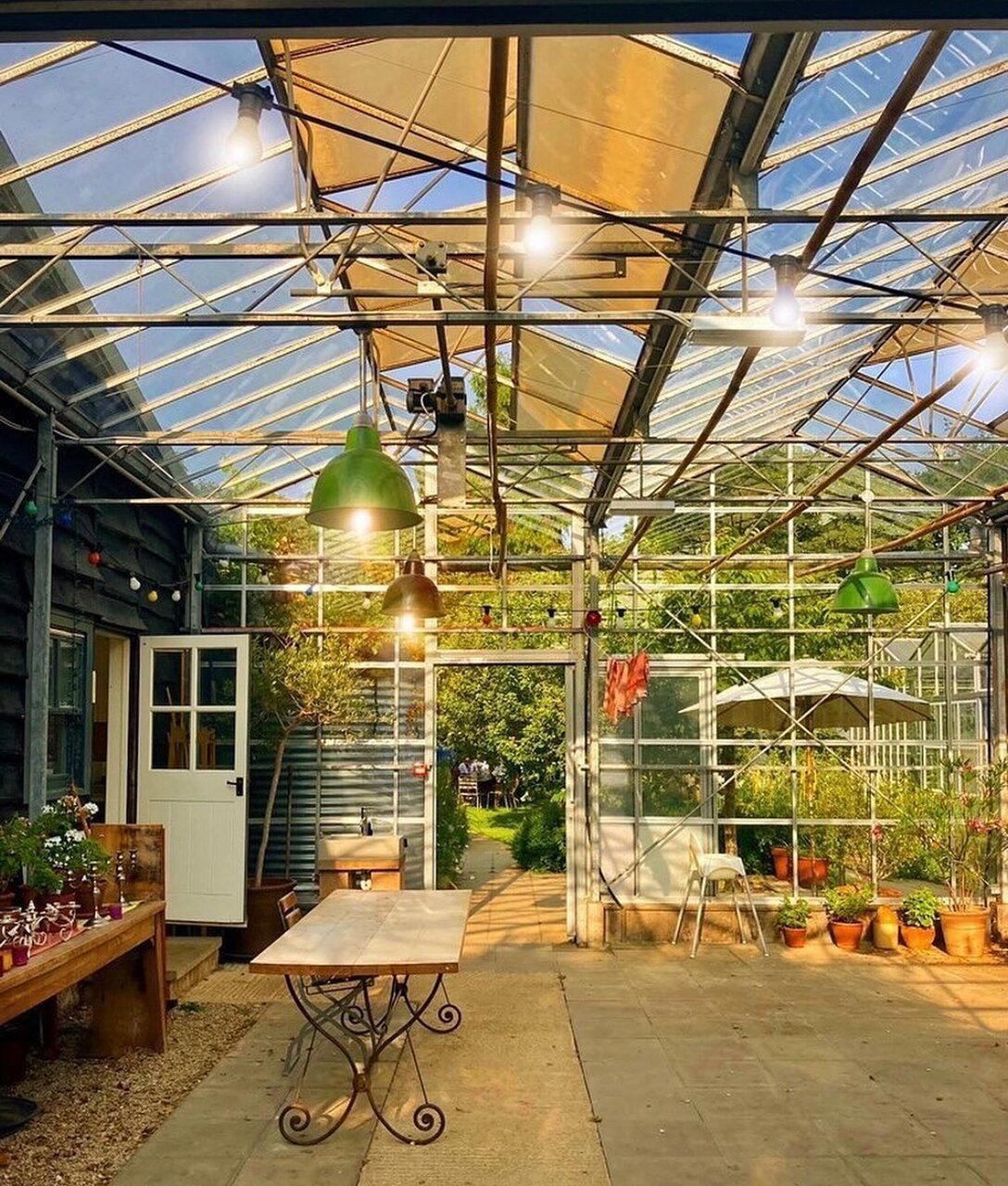
Where the Field Decides the Menu
Approaching a working farm kitchen in rural Oxfordshire feels different from arriving at a restaurant. There is no valet, no canopied entrance, no threshold designed to signal arrival. What you find at Worton Farm, on the outskirts of Cassington near Witney, is a working kitchen garden where the growing beds are the point of departure — not a decorative backdrop to a dining room, but the operational core of everything served. The soil is the chef's first decision.
This is a format that has gained serious traction across Britain over the past decade. As dining culture has shifted toward ingredient provenance and away from classical technique as the primary signal of seriousness, a tier of garden-led venues has emerged that operates on fundamentally different terms from the Michelin circuit. The question at a place like Worton is not which kitchen brigade trained where, but what is at peak condition in the ground this week and how little needs to be done to it before it reaches the table.
The Garden-to-Table Tier in Britain
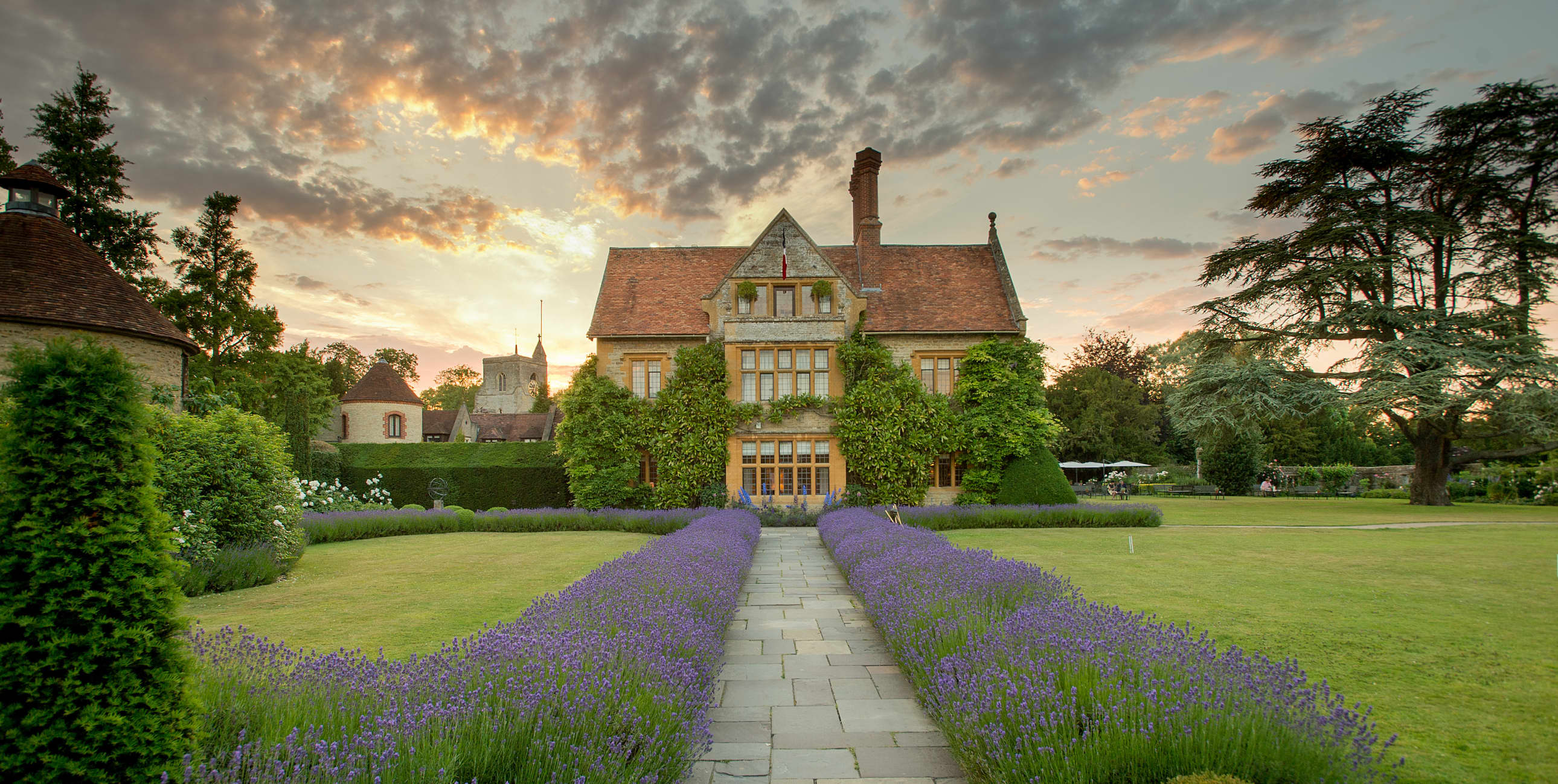
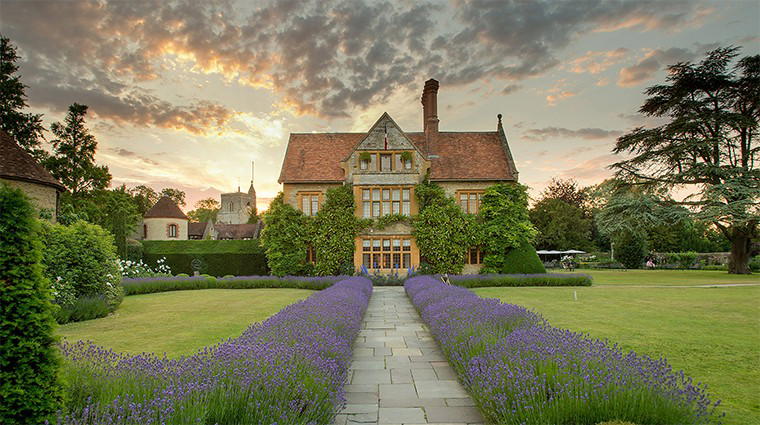
To understand Worton Kitchen Garden's position, it helps to map the broader spectrum. At one end sits the estate-restaurant model — Le Manoir aux Quat'Saisons in Oxford, where kitchen gardens supply a two-Michelin-star kitchen operating at luxury hotel scale. At the other end are farm shops with a café counter. Worton occupies neither extreme. It belongs to a middle tier of genuinely farm-rooted dining venues where the agricultural calendar is not a marketing device but a structural constraint: if it is not ready in the ground, it does not appear on the plate.
This is a meaningfully different proposition from a restaurant that sources locally. The distinction matters because it changes how menus behave. A locally-sourcing kitchen can still plan months ahead and guarantee consistency across a season. A kitchen embedded in a working garden operates with tighter variables, yield, weather, and ripeness create daily adjustments that a conventional restaurant service model cannot accommodate in the same way. The result, when it works, is food with a directness that more elaborate kitchens can struggle to replicate.
Across Britain, the venues that have committed most seriously to this model, L'Enclume in Cartmel growing a significant proportion of its own produce at the nearby farm, Moor Hall in Aughton with its kitchen garden as a production asset, have found that the discipline it requires becomes a source of creative identity rather than a limitation. The constraint forces specificity, and specificity is what separates a menu worth travelling for from one that could be replicated anywhere with a good supplier list.
Oxfordshire's Agricultural Context
The Evenlode Valley and the farmland around Witney sit within one of England's more productive mixed-farming zones, where the Thames catchment soils support both arable and horticultural growing at a scale that few Home Counties landscapes can match. This matters for a kitchen garden operation: the local agricultural ecosystem provides context and, in some cases, supplementary supply. A venue drawing from surrounding farmland in this part of Oxfordshire has access to growing conditions that produce quality across a wide range of brassicas, root vegetables, salad crops, and soft fruit without the yield compromises that less favourable soils impose.
Witney itself is not a dining destination in the way that, say, Bray is, where Waterside Inn and Hand and Flowers in Marlow anchor a specific culinary geography. But the town and its surroundings have developed a quieter hospitality identity, with Estelle Manor representing the luxury end of the local offer. Worton operates at a different register, less formal, more embedded in production rather than consumption. See our full Witney restaurants guide for the broader picture.
What the Format Means in Practice
A kitchen garden venue operates on a different clock from a conventional restaurant. The practical implications for a visitor are worth understanding before booking. Menus shift with genuine frequency, not the performative seasonality of a tasting menu that rotates quarterly, but the kind of week-to-week variation that reflects actual growing conditions. Dishes that appear on one visit may not reappear until the same growing window the following year, if at all.
The setting at Worton Farm is agricultural rather than designed. Visitors arriving expecting the polished aesthetic of a high-end rural retreat, the kind of considered rusticity found at Gidleigh Park in Chagford or Ynyshir Hall in Machynlleth, should recalibrate. The appeal here is the working farm reality, not a curated version of it. That is precisely the point, and the audience for this kind of experience understands the trade: less polish, more proximity to the source.
Across the wider British scene, venues that have earned recognition for ingredient-led approaches, Midsummer House in Cambridge, Restaurant Sat Bains in Nottingham, Opheem in Birmingham, each anchor their identity in a specific sourcing logic. Worton's version of that logic is more literal than most: the sourcing is the venue itself.
For context on how British farm-kitchen formats compare internationally, the garden-to-table model has counterparts in the Nordic tradition and in American farm-restaurant hybrids, but the British version has its own character, less ideologically driven than some Scandinavian interpretations, more rooted in the practical heritage of English kitchen gardens as productive spaces. Venues like CORE by Clare Smyth in London have brought produce storytelling into a fine dining context; Worton sits at the production end rather than the presentation end of that same conversation.
Planning Your Visit
Worton Farm is located at Worton, near Cassington, approximately four miles east of Witney on the edge of the Evenlode Valley. The rural farm address means the site is leading reached by car, and visitors should allow time to move through the approach from the A40 corridor. This is not a venue that sits conveniently beside a train station, and that inaccessibility is part of what keeps it within a specific audience, people who make the deliberate journey rather than the opportunistic booking. Current hours, booking arrangements, and seasonal opening schedules should be confirmed directly with the venue, as farm-kitchen operations of this kind often adjust their calendar around growing seasons and private events.
Frequently asked questions
Does Worton Kitchen Garden work for a family meal?
The working farm setting at Worton, near Cassington, is more relaxed in format than a conventional restaurant, which tends to suit families who can engage with the outdoor and agricultural environment. That said, the menu is driven by what the kitchen garden produces on a given day, so it suits eaters who are adaptable rather than those with rigid requirements. Families with children interested in where food comes from will find the context adds something that a town-centre restaurant cannot offer.
What should I expect atmosphere-wise at Worton Kitchen Garden?
Worton Kitchen Garden operates from a working farm at Worton, roughly four miles east of Witney, so the atmosphere is agricultural rather than formal — expect the presence of the land itself to be part of the experience. There is no polished dining-room theatre here; the setting is functional and rooted in the farm's daily rhythms. The draw is the specificity of place: a kitchen garden in the Evenlode Valley, not a restaurant that happens to source locally.
Is Worton Kitchen Garden open year-round, and does the season affect what's available?
Worton Kitchen Garden is a working farm venue at Worton, near Cassington OX29 4SU, and its offer is shaped directly by the agricultural calendar of the Evenlode Valley. Growing seasons in this part of Oxfordshire mean that availability and menu scope will differ materially between midsummer and winter months. Confirmed opening periods and seasonal schedules should be verified with the venue before making a journey from Witney or further afield.
What should I order at Worton Kitchen Garden?
Because the menu at Worton Kitchen Garden is governed by what the farm at Worton, near Cassington, is producing at any given moment, prescribing specific dishes in advance is not possible. The practical approach is to treat the menu as a reflection of the growing calendar on the day you visit and to arrive without fixed expectations about particular ingredients or preparations. Seasonal vegetables and garden produce are the structural logic of the offer.
Where is Worton Kitchen Garden in Witney?
Worton Kitchen Garden is located at Worton Farm, Worton, Near Cassington OX29 4SU, United Kingdom, Witney.
How hard is it to get a table at Worton Kitchen Garden?
Worton Kitchen Garden operates from a farm site near Cassington rather than a high-street location, which limits walk-in capacity by the nature of the format. Availability details are not publicly listed, so contacting the venue directly ahead of your intended visit is the only reliable way to confirm access. Given the small-scale, garden-led model, advance planning is a reasonable assumption.
A Quick Peer Check
Comparable venues nearby, for context on price, style, and recognition.
| Venue | Cuisine | Price | Notes |
|---|---|---|---|
| Worton Kitchen GardenThis venue — the venue you are viewing | Modern British Farm-to-Table | $30–50 | Not listed |
| Estelle Manor | British Brasserie with Asian Influences | $100–150 | Oxfordshire countryside |
| Claridge's Bakery | Modern British bakery & café | Not listed | Mayfair |
| The Yellow Bittern | Irish-influenced British set-menu lunch | $100–150 | King's Cross |
| 99 Station Street | Modern British Brasserie | $50–100 | Burton upon Trent town centre |
| St John. Marylebone | Modern British Nose-to-Tail | $50–100 | Marylebone |




Details
- Rustic
- Cozy
- Scenic
- Special Occasion
- Family
- Garden
- Open Kitchen
- Farm To Table
- Organic
- Local Sourcing
- Garden
- A La Carte
- Vegetarian Friendly
- Vegan Options
- Gluten Free Options
Current opening hours
- Monday
- Closed
- Tuesday
- Closed
- Wednesday
- 10 AM–4 PM
- Thursday
- 10 AM–4 PM
- Friday
- 10 AM–10 PM
- Saturday
- 10 AM–10 PM
- Sunday
- 10 AM–4 PM
Hours can change for holidays and private events. Last verified .
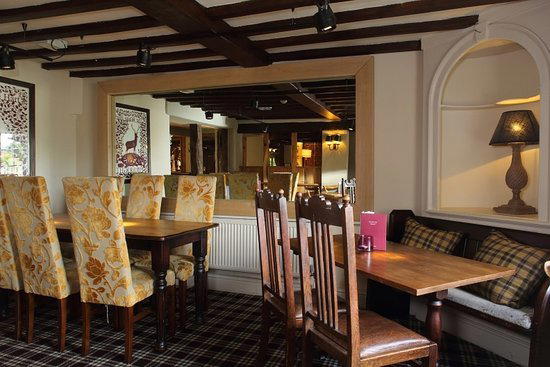
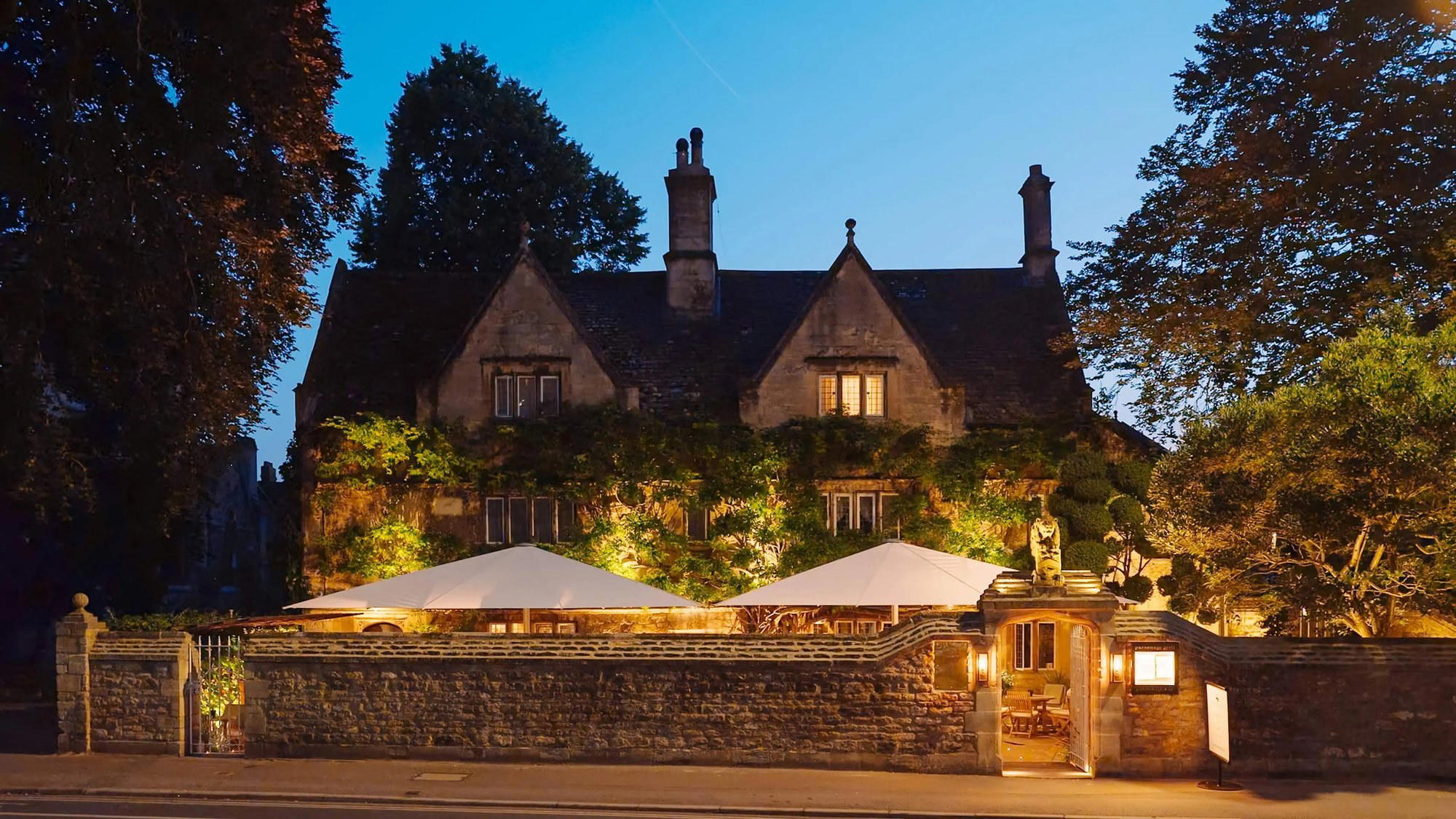
Warm and soulful glasshouse atmosphere with a wild cottage garden setting, glowing at golden hour amid tumbling flowers and free-roaming animals.