Wine Cask
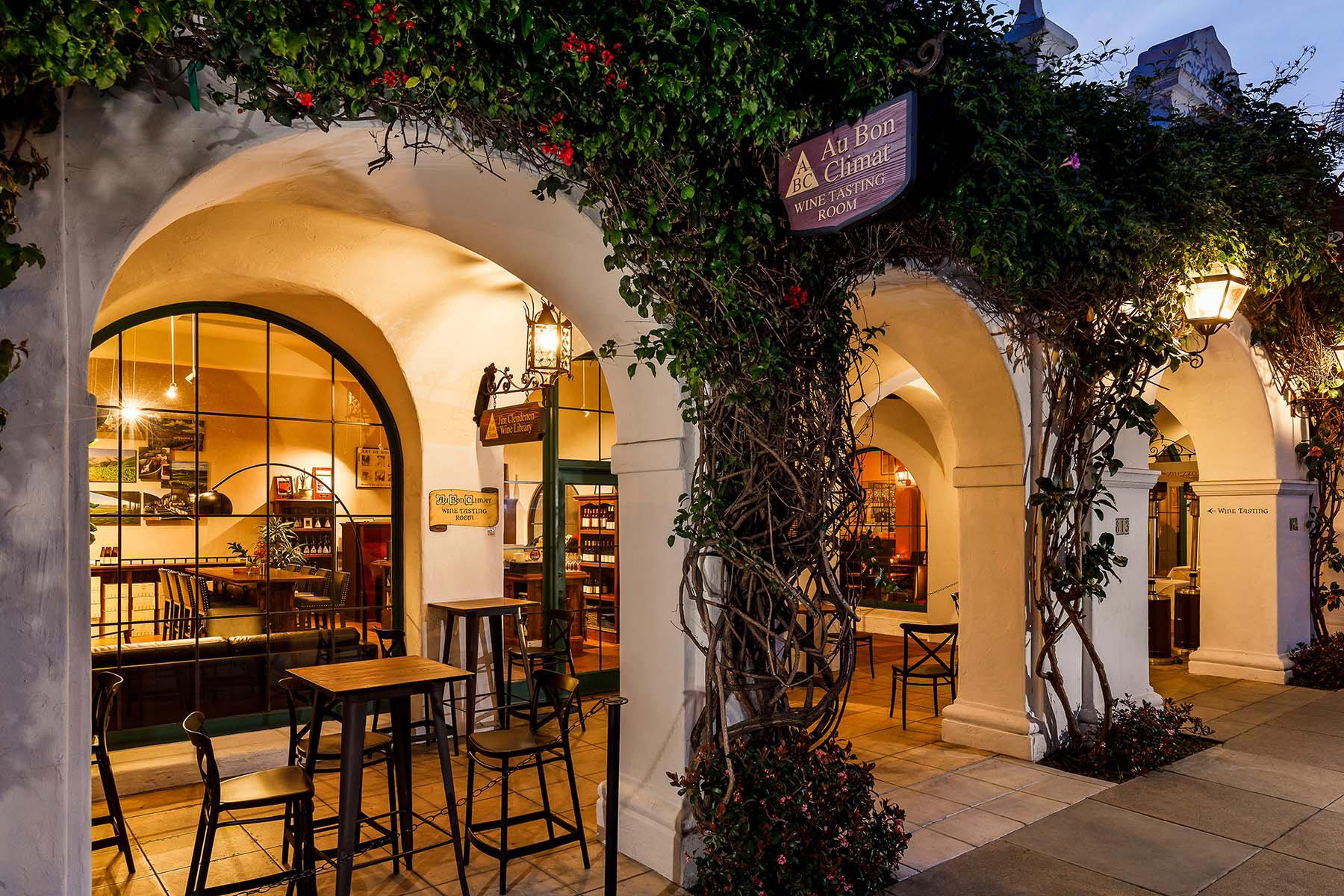
Wine Cask occupies a storied address on Anacapa Street in downtown Santa Barbara, where the city's wine country identity and its California-Mediterranean dining tradition converge. The setting and wine program reflect decades of institutional weight in a market that has grown considerably more competitive. For visitors tracing Santa Barbara's fine dining lineage, it remains a reference point.
Pearl is the En Primeur Club membership app — saves, bookings, and concierge access live there. Same editors, same standards.
- Address
- 813 Anacapa St, Santa Barbara, CA 93101
- Phone
- +18059669463
- Website
- intermezzosb.com
- Directions
- Get directions
 Saves & bookings on Pearl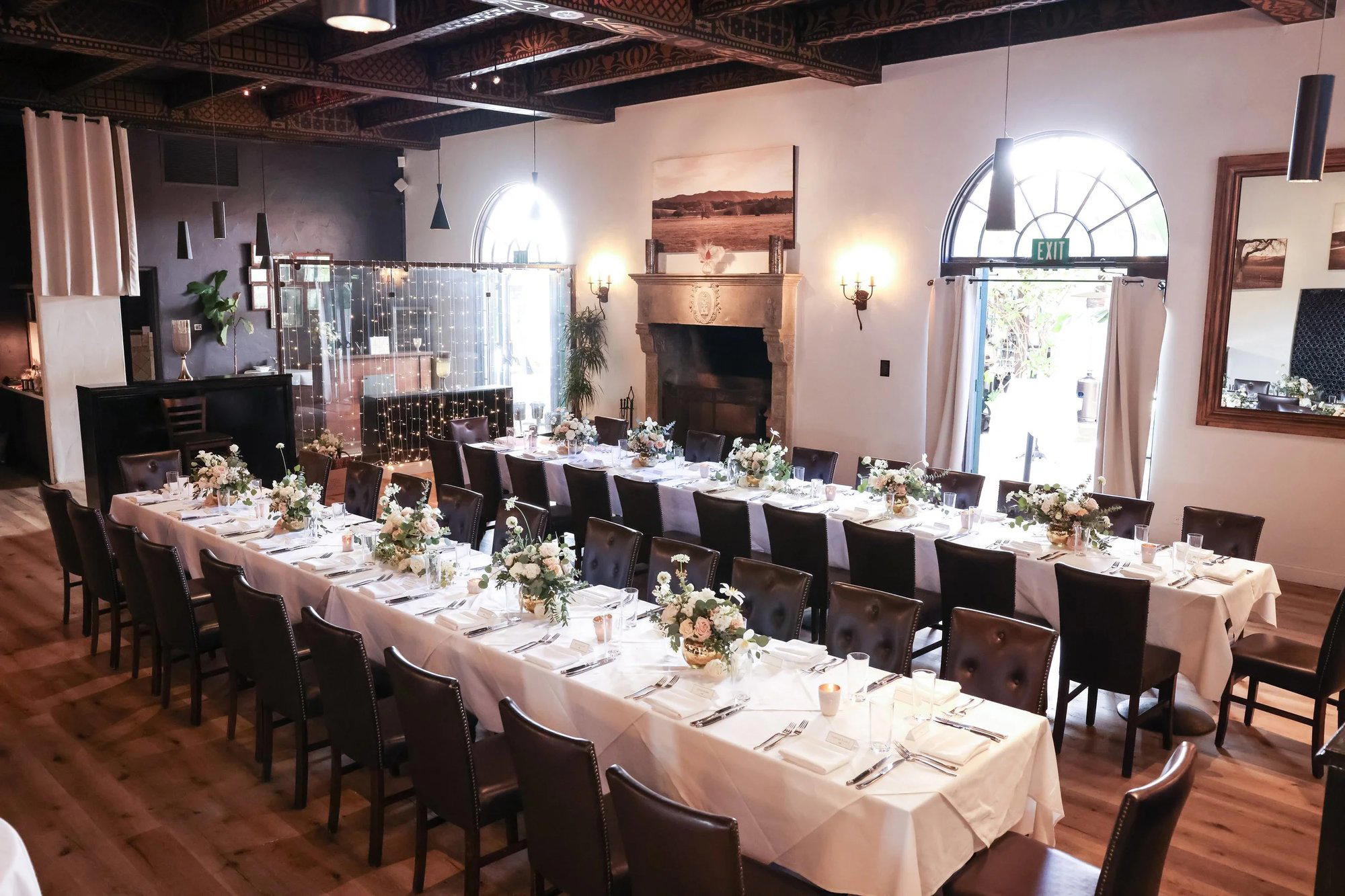
Where Santa Barbara's Wine Country Meets the Dining Room
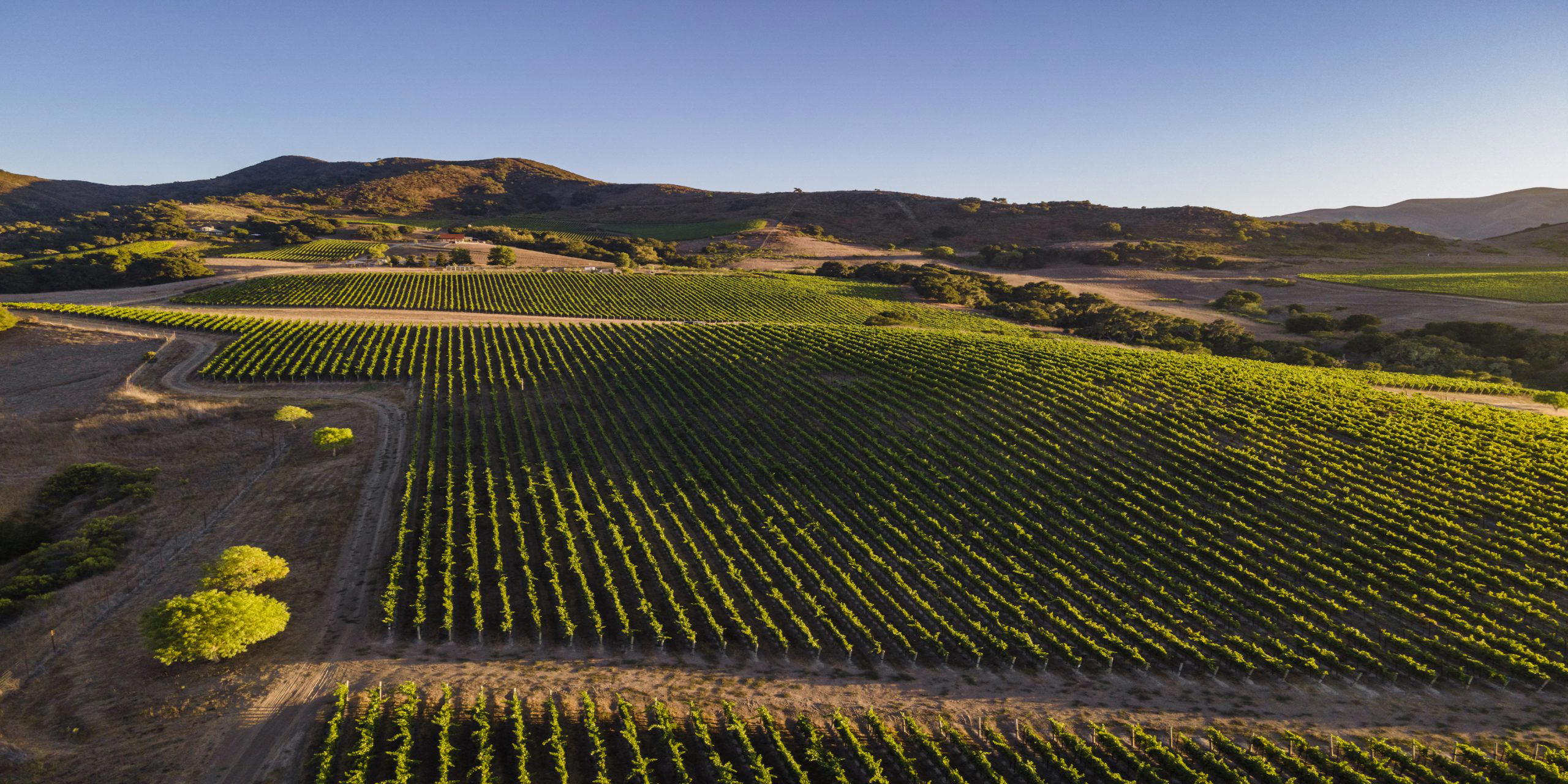
Anacapa Street in downtown Santa Barbara runs parallel to State Street but at a quieter register, and the buildings along it carry a different kind of weight: older, less retail-facing, more likely to hold a courtyard or an institution that has outlasted several dining cycles. Wine Cask is a restaurant in Santa Barbara, California, at 813 Anacapa St, with a price tier of 3 and a modern American fine dining focus. Wine Cask, at 813 Anacapa, sits in that category. The address itself signals something about what the restaurant represents in the city's dining history. Before Santa Barbara's wine country reputation became a serious draw for visitors, before the tasting rooms colonized the Funk Zone and the Sta. Rita Hills producers started attracting national press, establishments like Wine Cask were doing the work of connecting local wine culture to the dining table.
That cultural context matters when placing the restaurant in the current Santa Barbara scene. The city now operates at several tiers simultaneously. At the casual end, places like Backyard Bowls and Arnoldi's Cafe serve the neighborhood regulars. In the middle registers, restaurants like Barbareño and Arigato Sushi operate with sharper culinary focus. At the leading end, counters like Silvers Omakase represent the newest wave of premium dining. The restaurant predates most of these, and its longevity on Anacapa Street is itself a data point about how the city's relationship with serious dining has evolved.
The California-Mediterranean Tradition and How Wine Cask Carries It
Santa Barbara's culinary identity has always been inflected by Mediterranean analogies, similar latitude, similar growing conditions, similar tendency toward produce-led menus built around the season rather than the technique. That tradition, which gained national traction in California through the 1980s and 1990s, created a template that still shapes how the better restaurants in the city think about sourcing and composition. The restaurant emerged from within that tradition and has been part of the city's dining fabric long enough to be treated as a reference institution rather than a trend participant.
The California-Mediterranean model, at its most coherent, resists the vertical ambition of the tasting-menu format in favor of a more horizontal approach: multiple dishes at a meal, wine ordered by the bottle or the glass, service that moves at the table's pace rather than a choreographed sequence. It is a format that rewards good wine lists above almost anything else, because the meal structure is designed around the bottle. In a city where the surrounding wine regions, the Santa Ynez Valley, the Santa Rita Hills, the Santa Maria Valley, have produced internationally recognized Pinot Noir and Chardonnay over the past two decades, a restaurant's wine program is also a statement about its relationship to the local agricultural identity. This is the context in which the restaurant's emphasis on wine, embedded in the name itself, carries meaning beyond branding.
For comparison, when you look at how wine-focused fine dining has developed in other American cities, the institutional anchors tend to hold their position as the scene around them changes. Le Bernardin in New York City and Emeril's in New Orleans both carry that kind of institutional weight in their respective markets. In California specifically, the wine-dining connection reaches its most elaborate expression at places like The French Laundry in Napa and Single Thread Farm in Healdsburg, where the wine program is as curated as any aspect of the kitchen. The restaurant operates at a different scale and in a different city, but the underlying logic, that food and local wine should be understood as a single system, is shared.
Santa Barbara's Fine Dining comparable set
The restaurants that now occupy the premium tier in Santa Barbara represent a more varied competitive set than existed when the restaurant established its position. The format diversity has increased: omakase counters alongside tasting-menu formats alongside traditional à la carte rooms. Nationally, the fine dining tier has also bifurcated sharply between highly produced experiential formats like Alinea in Chicago and Lazy Bear in San Francisco, and more grounded farm-to-table models closer to what Blue Hill at Stone Barns in Tarrytown or Providence in Los Angeles represent. The restaurant's inherited position aligns more closely with the latter tradition. The room, the pace, the wine-first orientation all point toward a dining philosophy grounded in pleasure and hospitality rather than theatrical production.
Other reference points in this tier nationally include Addison in San Diego, The Inn at Little Washington in Washington, Atomix in New York City, and 8 1/2 Otto e Mezzo Bombana in Hong Kong, each of which defines itself through a distinct cultural proposition rather than pure technique. The restaurant's proposition has always been the convergence of place, wine, and a dining format that does not demand ceremony in exchange for quality.
Planning Your Visit
The restaurant is located at 813 Anacapa Street in downtown Santa Barbara, walkable from the main hotel district and State Street. The address is well-served by parking structures in the adjacent blocks, which matters in a downtown where street parking compresses quickly on weekends. Reservations are recommended, particularly on Friday and Saturday evenings.
Booking and Cost Snapshot
Comparable venues nearby, for context on price, style, and recognition.
| Venue | Cuisine | Price | Notes |
|---|---|---|---|
| Wine CaskThis venue — the venue you are viewing | Downtown, Modern American Fine Dining | $$$ | Not listed |
| Cold Spring Tavern | Not listed | $$ | San Marcos Pass, Traditional American BBQ Tavern |
| Mesa Cafe | West Mesa, Classic American Diner | $$ | Not listed |
| Oliver's | Not listed | $$$ | Coast Village, Upscale Vegan California Cuisine |
| Jane | Downtown, California Bistro | $$ | Not listed |
| Bouchon | Not listed | $$$ | Downtown Santa Barbara, Santa Barbara wine country cuisine with French-Californian influence |
Continue exploring
More in Santa Barbara
Restaurants in Santa Barbara
Browse all →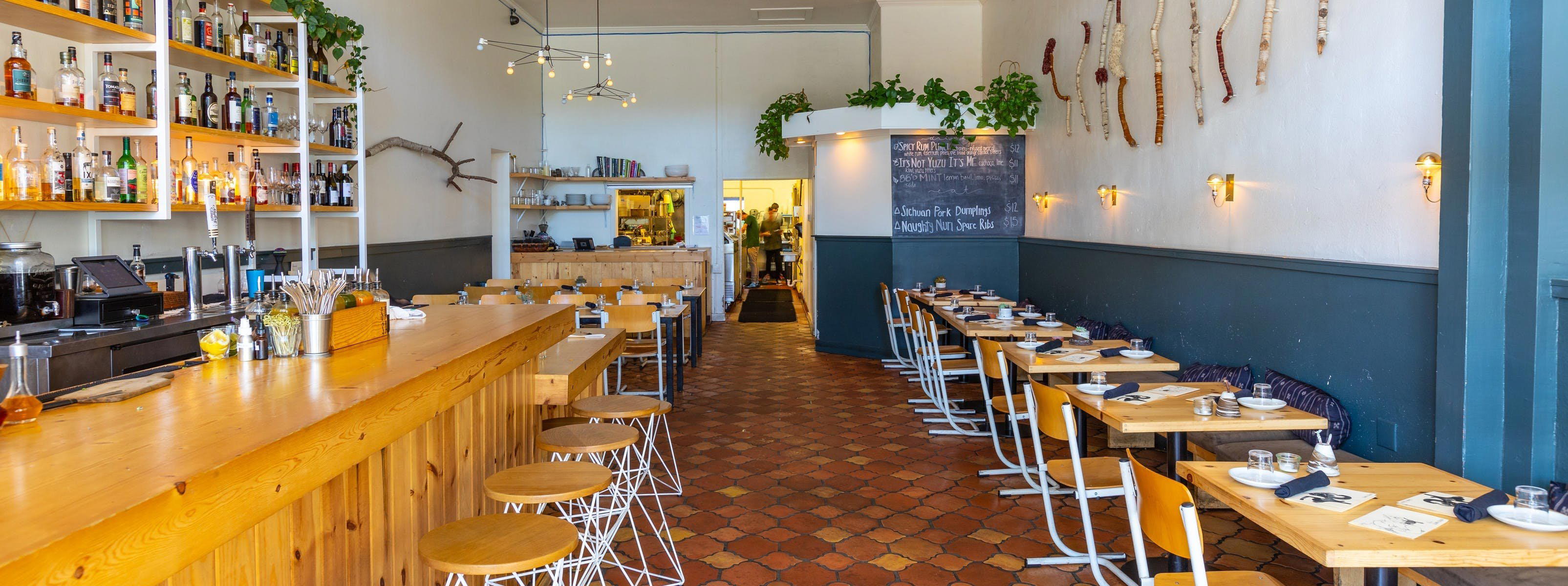
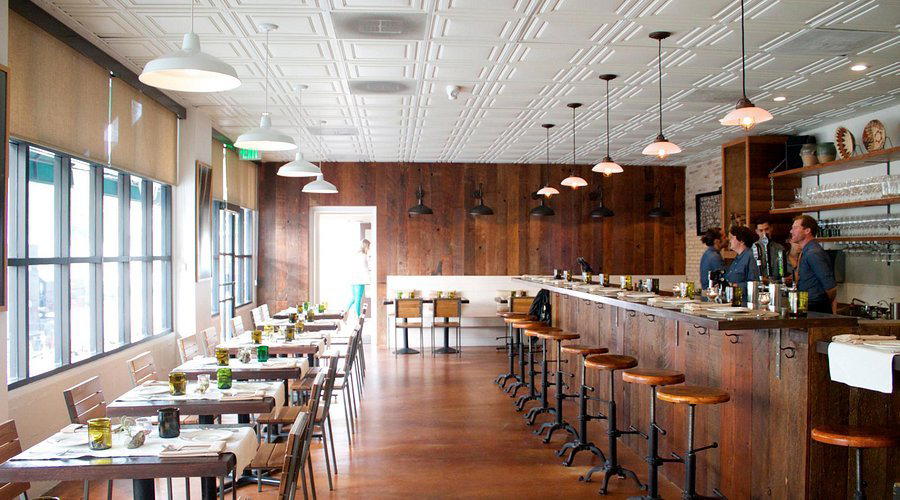
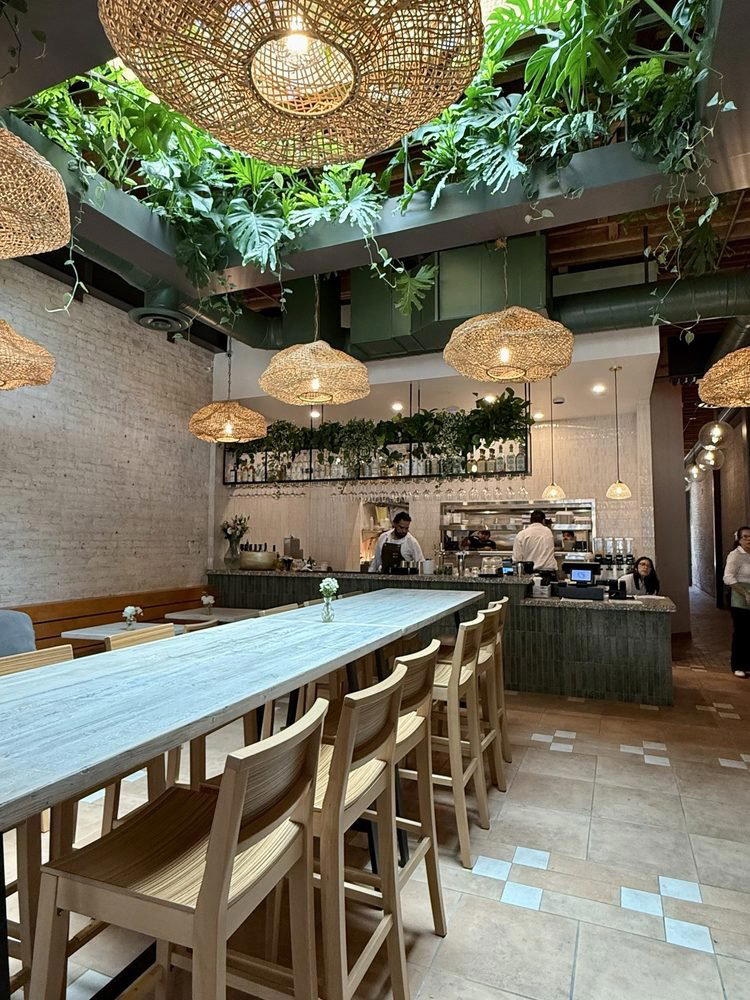
Bars in Santa Barbara
Browse all →
Hotels in Santa Barbara
Browse all →
At a Glance
- Elegant
- Sophisticated
- Classic
- Date Night
- Special Occasion
- Business Dinner
- Wine Cellar
- Historic Building
- Extensive Wine List
- Sommelier Led
- Farm To Table
Current opening hours
- Monday
- Closed
- Tuesday
- 5–9 PM
- Wednesday
- 5–9 PM
- Thursday
- 5–9 PM
- Friday
- 5–9 PM
- Saturday
- 5–9 PM
- Sunday
- Closed
Hours can change for holidays and private events. Last verified .
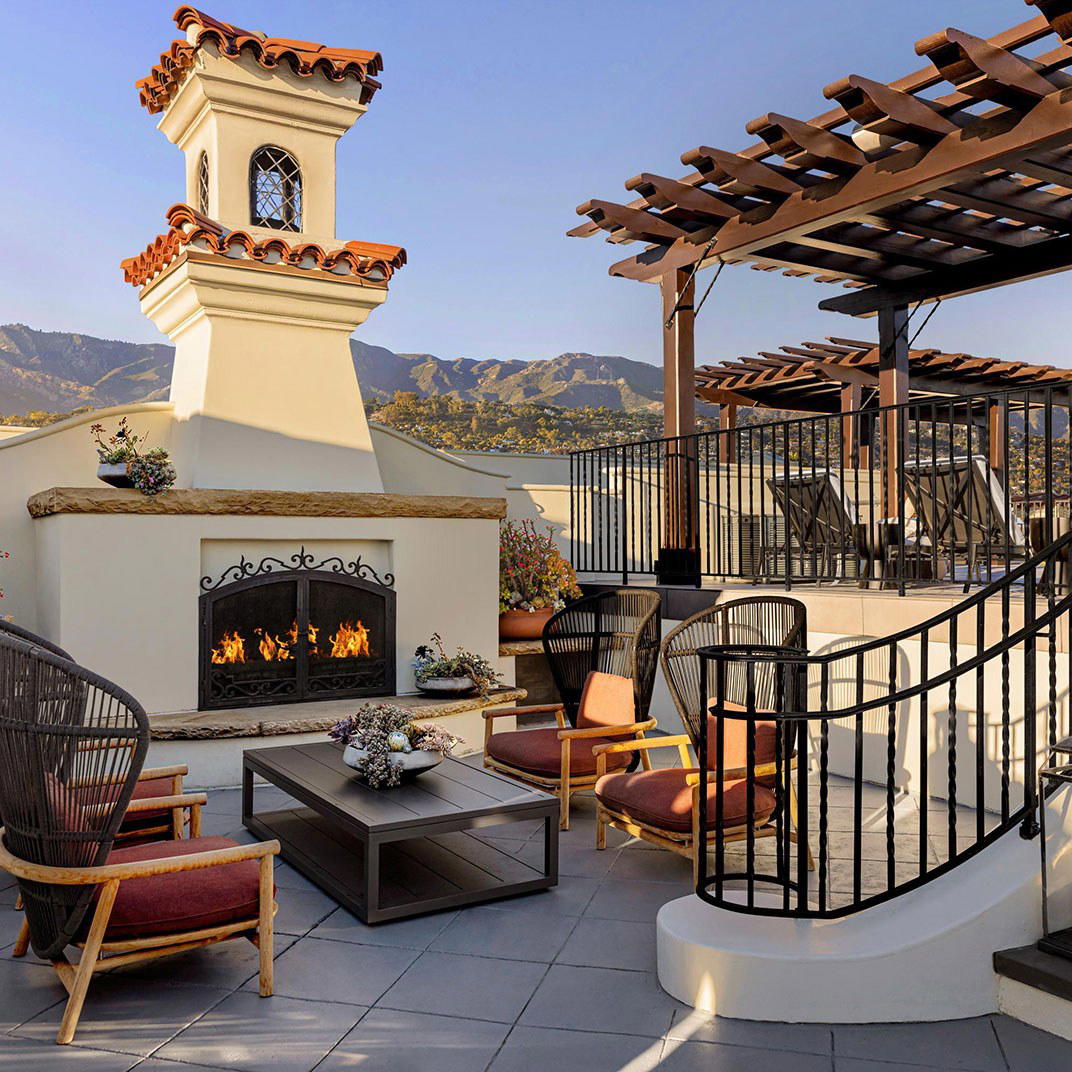
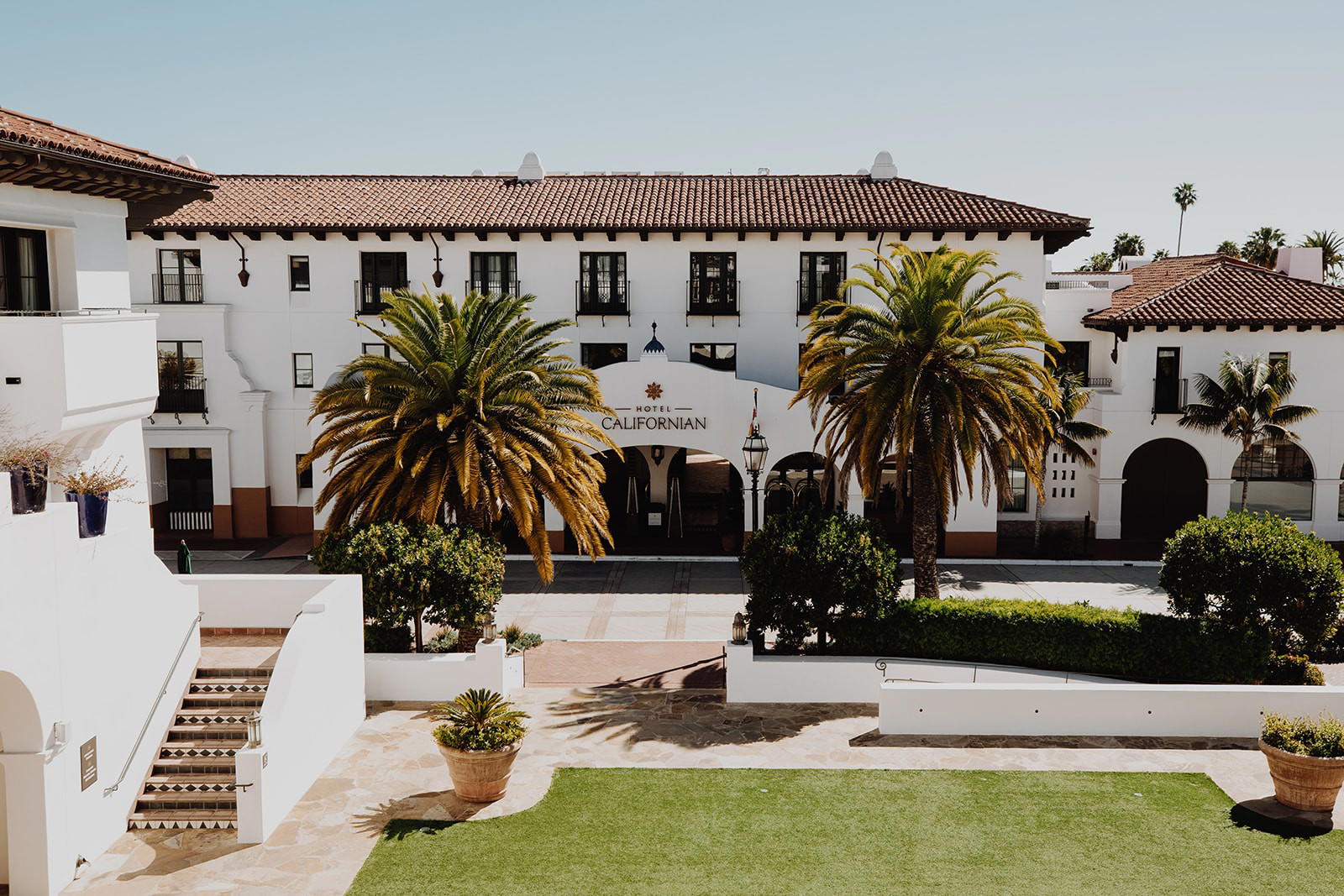
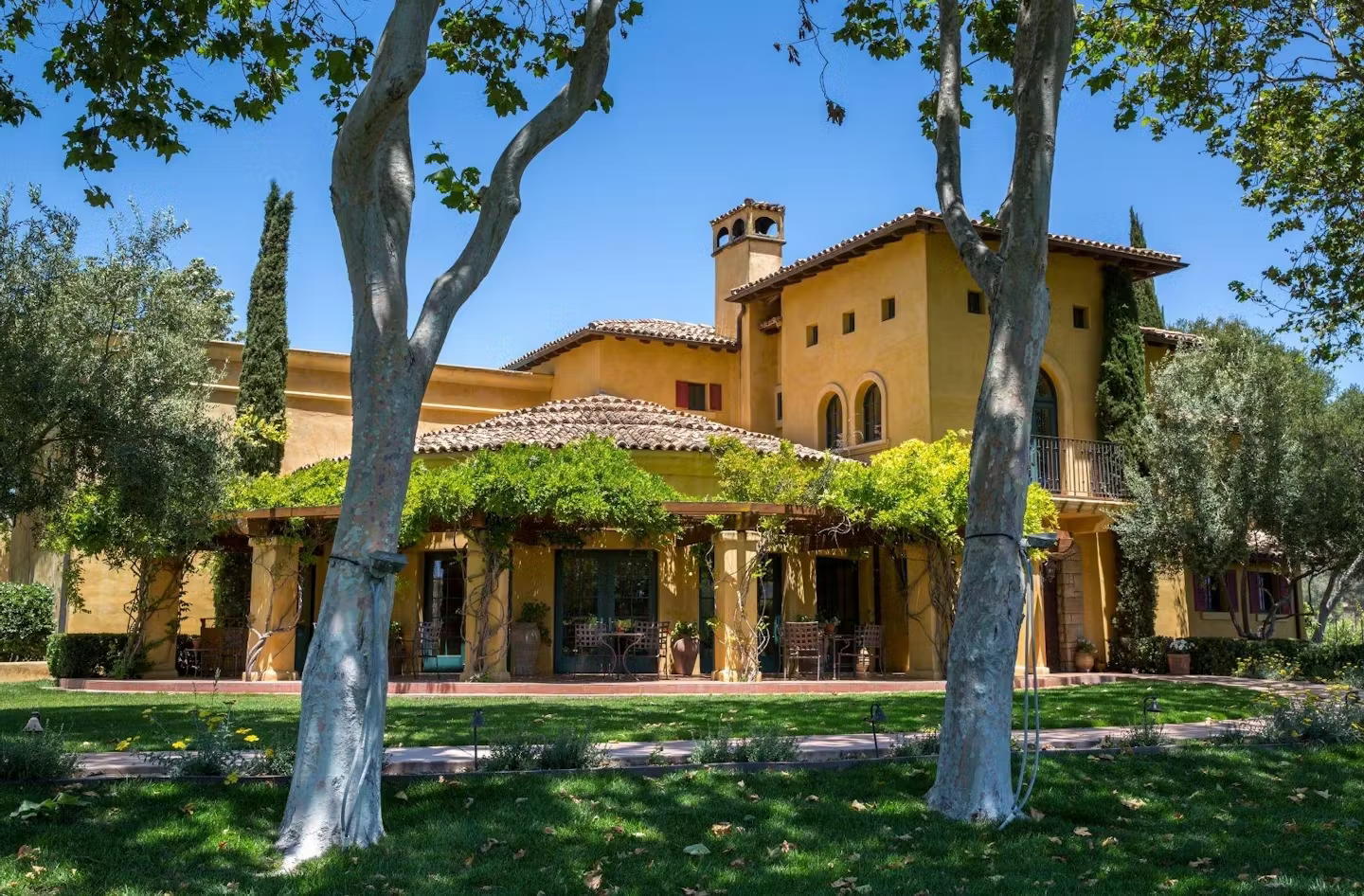
Handsome wine-focused dining room with Spanish revival architecture, warm fireplaces, and a spacious outdoor courtyard.