Wimpy
Wimpy at uShaka Village Walk occupies a familiar position in Durban's casual dining circuit: a sit-down burger and breakfast chain with decades of South African history behind it. Located on King Shaka Avenue at the Point precinct, it offers reliable, accessible meals in a waterfront-adjacent setting that draws families and tourists exploring the uShaka Marine World complex.
Pearl is the En Primeur Club membership app — saves, bookings, and concierge access live there. Same editors, same standards.
- Address
- Shop D16/17, Ushaka Village Walk, 1 King Shaka Ave, Point, Durban, 4000, South Africa
- Phone
- +27609919372
- Website
- locations.wimpy.co.za
- Directions
- Get directions
 Saves & bookings on Pearl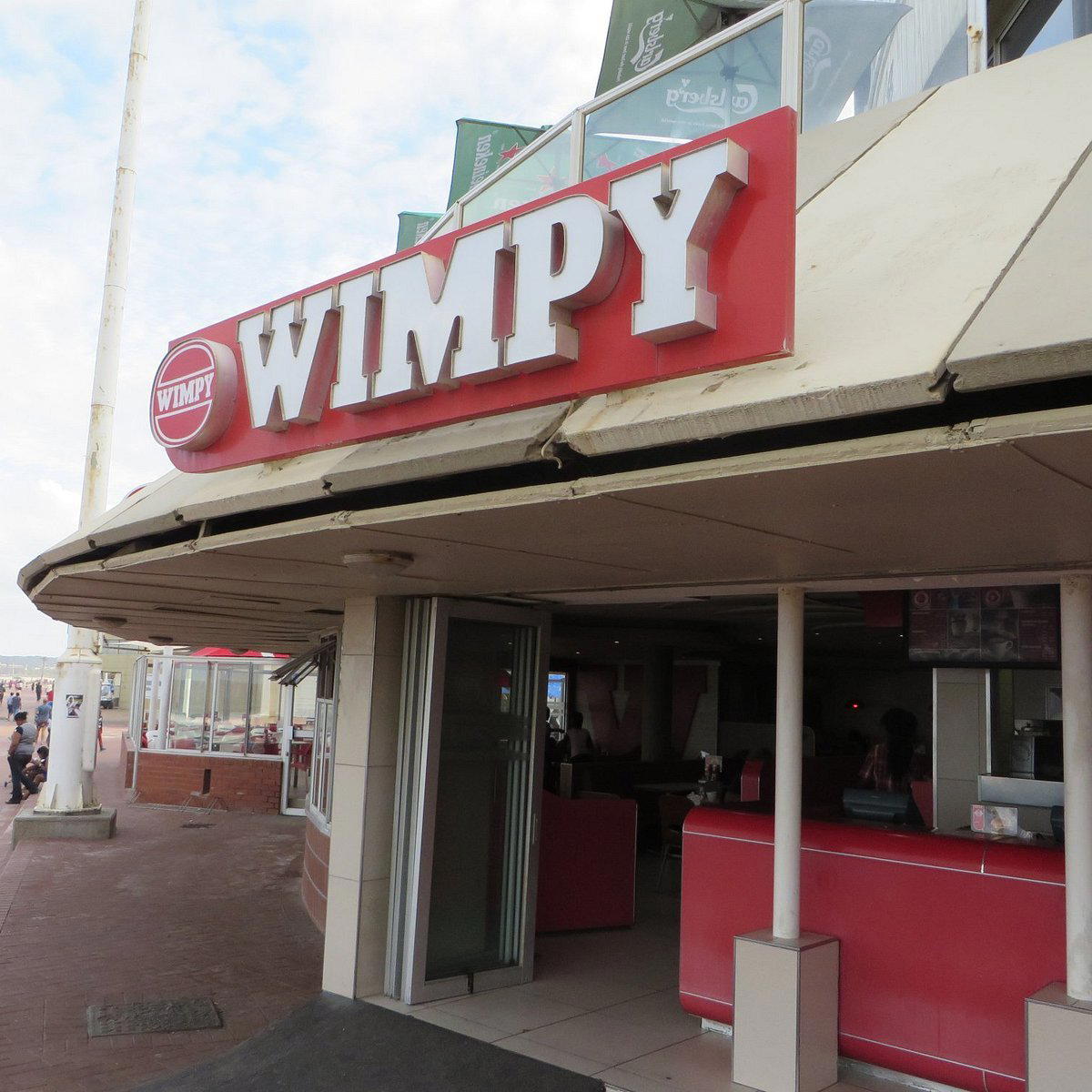
Where the Waterfront Meets the Everyday
Durban's Point precinct has spent years repositioning itself around uShaka Marine World, and the retail and dining strip at uShaka Village Walk reflects that shift toward high-footfall, family-oriented commerce. The area draws day-trippers from across KwaZulu-Natal alongside international visitors using Durban as a coastal base, and the dining offer inside the complex skews accordingly: accessible formats, broad menus, and extended hours tied to the attraction's schedule. Wimpy at Shop D16/17, 1 King Shaka Avenue, sits squarely within that pattern, occupying a position that serves the complex's core demographic rather than competing with the more considered dining rooms elsewhere in the city.
South Africa's casual dining sector has a split identity: on one side, independent kitchens producing ingredient-led cooking at venues like Signature Restaurant Umhlanga or The Chefs Table Restaurant; on the other, a set of national chains that have operated continuously since the apartheid era and built genuine cultural staying power through consistency and reach. Wimpy belongs to that second group. It occupies a category of its own: neither fast food in the drive-through sense nor a sit-down restaurant with kitchen ambition, but something that South Africans tend to read as a comfort institution.
The Chain Format and What It Signals
Understanding where Wimpy sits in the South African dining order requires a brief look at the country's broader casual dining structure. The national chains that survived and grew through the 1970s and 1980s did so partly by offering a reliable, standardised experience at a time when dining out was shaped more by access and consistency than by culinary exploration. Wimpy became part of that fabric. Today, with hundreds of locations across South Africa, it operates as a recognisable shorthand for affordable, table-service meals in a country where the distinction between sit-down and counter-service formats still carries social meaning.
At the uShaka Village Walk location, the format follows the national template: table service, a laminated or printed menu covering breakfast items, burgers, toasted sandwiches, and hot drinks, and a pricing structure that places it well below mid-market dining. For context, venues operating at the other end of Durban's dining spectrum, such as The LivingRoom at Summerhill Guest Estate, are working with entirely different supply chains, kitchen philosophies, and price points. Wimpy is not in conversation with those rooms. It is in conversation with the family that has just spent three hours at the shark tank and needs somewhere reliable and air-conditioned to eat.
Sourcing and the Chain Kitchen Reality
The editorial angle of ingredient sourcing matters here precisely because Wimpy represents the opposite end of the spectrum from what that conversation usually covers. South Africa has produced a generation of kitchens genuinely focused on provenance: Fyn in Cape Town, Wolfgat in Paternoster, and Le Quartier Français in Franschhoek all operate with sourcing programs that are specific, documented, and central to the menu's identity. Bread and Wine Vineyard Restaurant in Stellenbosch is another example of a kitchen where the farm-to-table relationship is literal and traceable.
Wimpy's sourcing works differently by structural necessity. A chain operating at this scale across hundreds of locations relies on centralised supply agreements that prioritise consistency and cost control over smallholder relationships or seasonal variation. The beef in the burger will be the same in Durban as in Johannesburg. That is not a criticism in the context of what Wimpy is trying to do; it is simply the trade-off that large-format casual dining makes. The menu is engineered for replicability, not for expressing the terroir of KwaZulu-Natal's agricultural hinterland.
This is worth stating plainly because it frames the decision a traveller is actually making. If your interest is in what Durban's food culture produces when it is most itself, the Indian-inflected street food of the Grey Street precinct, the seafood coming off the harbour, the bunny chow that the city claims as its own, Wimpy is not the room that delivers that. If your need is a dependable, inexpensive meal with your children after a morning at a marine park, it is well-suited to that task.
Durban's Broader Dining Context
Durban occupies an interesting position in South Africa's food conversation. It is less written about than Cape Town's winelands corridor, which draws attention through venues like Wolfgat in Saldanha Bay and Klein Jan in Moshaweng, but it has a food culture with genuine depth: the largest concentration of people of Indian descent outside India has shaped a spice-forward cooking tradition that is specific to this coast. The city's casual dining scene reflects that layering, with chain formats operating alongside independent Indian restaurants, seafood shacks, and a growing number of kitchens doing more considered work.
For a fuller picture of what the city's dining offer looks like across price points and styles, the EP Club Durban restaurants guide covers the range in more detail. Elsewhere in South Africa's chain dining tier, comparable formats include Fishaways at Matlosana Mall and Milky Lane in East London, which occupy similar positions in the accessibility-first, national-chain segment. Internationally, the distance from this format to something like Le Bernardin in New York City or Atomix is not just a matter of price; it reflects an entirely different set of priorities around sourcing, technique, and the purpose of a meal.
Planning a Visit
The uShaka Village Walk location places Wimpy within walking distance of uShaka Marine World's main entrance on King Shaka Avenue, which makes it a practical option for visitors already spending time in the Point precinct. The complex generally operates in line with the marine park's hours, and this Wimpy opens Monday to Friday from 8 AM to 5 PM and Saturday to Sunday from 8 AM to 6 PM. Walk-in service is the norm. Families with children will find the environment direct: table service, a broad menu with items that accommodate younger diners, and a setting that does not require advance planning. For those using Durban as a base and looking for dining that reflects the city more directly, EAT YOUR HEART OUT in Hillbrow and Foundry in Sandton offer different points of reference for how South African casual dining can operate with more editorial intent.
A Quick Peer Check
Comparable venues nearby, for context on price, style, and recognition.
| Venue | Cuisine | Price | Notes |
|---|---|---|---|
| WimpyThis venue — the venue you are viewing | South African Fast Food | $ | Not listed |
| The LivingRoom at Summerhill Guest Estate | Modern South African Fine Dining | $$$$ | Cowie’s Hill |
| The Chefs Table Restaurant | Seasonal Fine Dining | $$$ | Umhlanga Rocks |
| Signature Restaurant Umhlanga | Contemporary European Fine Dining | $$$$ | Umhlanga |
| Steers Key West | Flame-Grilled Burgers | $ | Key West Shopping Centre |
| Steers | Flame-Grilled Burgers | $ | Liberty Midlands Mall |
Continue exploring
More in Durban
Restaurants in Durban
Browse all →
Bars in Durban
Browse all →
Hotels in Durban
Browse all →
At a Glance
- Lively
- Family
- Casual Hangout
- Brunch
Current opening hours
- Monday
- 8 AM–5 PM
- Tuesday
- 8 AM–5 PM
- Wednesday
- 8 AM–5 PM
- Thursday
- 8 AM–5 PM
- Friday
- 8 AM–5 PM
- Saturday
- 8 AM–6 PM
- Sunday
- 8 AM–6 PM
Hours can change for holidays and private events. Last verified .
Casual and welcoming family atmosphere with standard fast-food lighting.